Circuit Breaker Replacement Kuwait
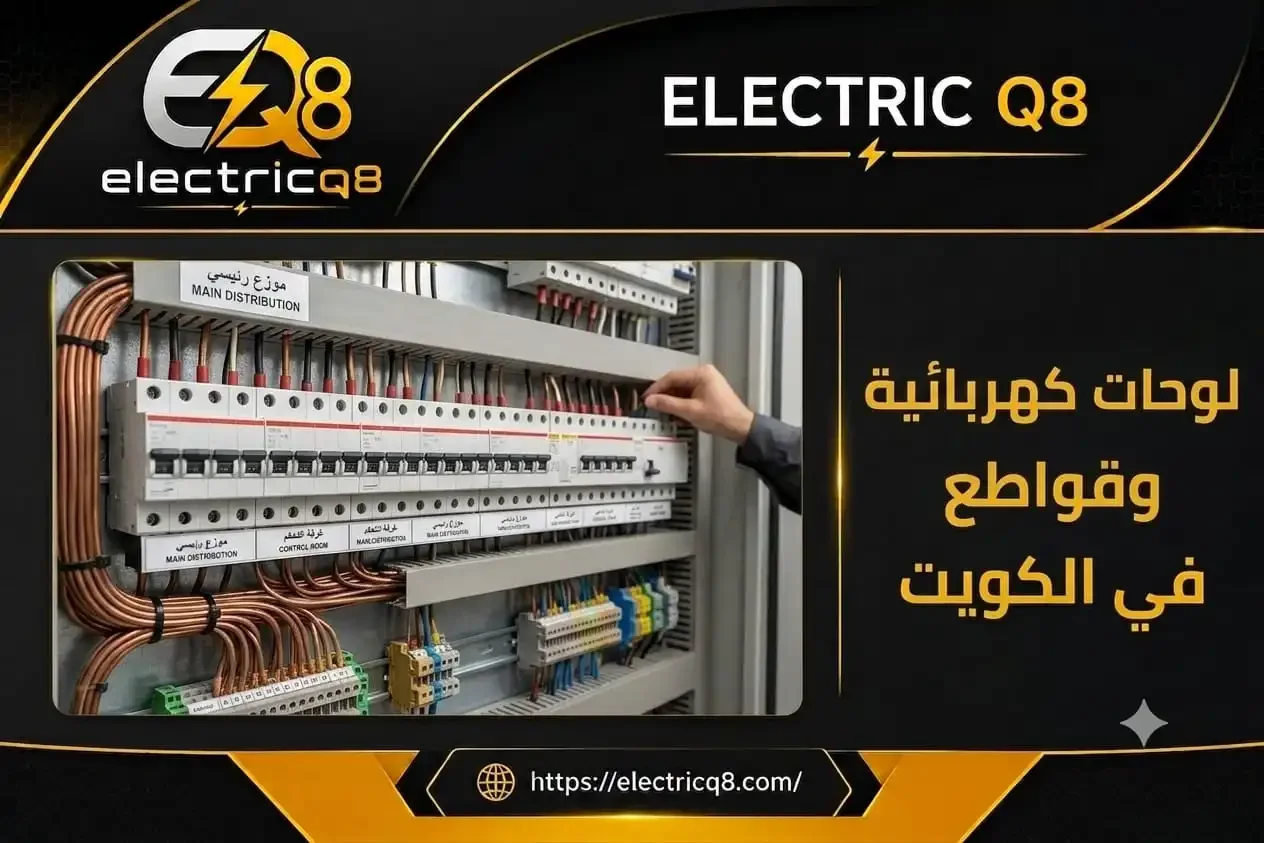
Many people believe replacing a circuit breaker is a simple task that takes only a few minutes, but the reality is very different. A circuit breaker is not just a switch that turns electricity on and off. It is the primary safety device that protects the entire electrical system and every connected appliance. Selecting the wrong breaker or installing it incorrectly can turn a minor issue such as repeated tripping into a serious electrical hazard that threatens wiring, equipment, and property. For this reason, professional Circuit Breaker Replacement Kuwait always begins by diagnosing the actual cause of the problem before selecting a breaker that matches the circuit capacity and electrical load. After installation, the complete electrical system is thoroughly tested to ensure safe, stable, and reliable operation for many years.
Circuit Breaker Replacement Kuwait
Professional Circuit Breaker Replacement Kuwait should never be performed simply because a breaker trips repeatedly. Frequent tripping often indicates that the breaker is correctly protecting the electrical circuit rather than proving that it is defective. For this reason, experienced electricians begin with a comprehensive inspection of the electrical panel and measure the actual load carried by each circuit before deciding whether replacement is necessary. They first verify that the problem is not caused by overloaded circuits, electrical short circuits, deteriorated wiring, or excessive cable temperatures because replacing the breaker without correcting the real cause usually results in the same problem occurring again even after installing a new breaker.
Once replacement has been confirmed as the correct solution, the electrician selects a new breaker that matches the cable capacity and the actual electrical demand of the connected appliances rather than simply installing another breaker with the same amperage as the previous one. The breaker type, technical characteristics, and compatibility with the existing electrical panel are carefully verified before installation begins. The replacement process follows strict safety procedures, including disconnecting the electrical supply, confirming the absence of voltage, removing the old breaker, installing the new unit, tightening every electrical connection properly, and performing comprehensive operational testing before the system is returned to service.
Practical experience gained from electrical projects throughout Kuwait consistently demonstrates that many issues homeowners believe require breaker replacement are actually caused by overloaded circuits or faulty electrical connections. Accurate diagnosis before replacement therefore saves time, reduces unnecessary costs, and significantly improves the safety and reliability of the entire electrical system.
Electrical Breaker Replacement
Professional Electrical Breaker Replacement requires a thorough understanding of how protective devices operate because every circuit breaker is designed to disconnect electrical current whenever it exceeds predetermined safety limits that protect wiring and connected equipment. Simply installing a breaker with a higher amperage to prevent repeated tripping is never an acceptable solution because doing so may allow dangerous levels of current to pass through electrical cables that were never designed to carry such loads, eventually causing overheating or serious wiring damage.
Experienced electricians therefore measure the actual electrical load carried by every circuit using professional testing equipment before comparing the results with both the installed cable specifications and the characteristics of the existing breaker. If testing confirms that the breaker has deteriorated after years of service or prolonged exposure to high operating temperatures, it is replaced with a new breaker that precisely matches the required technical specifications. During this process, every electrical connection inside the panel is also inspected because loose terminals or poor connections frequently cause excessive breaker temperatures that create the false impression that the breaker itself is defective.
Projects completed throughout Kuwait consistently demonstrate that selecting the correct breaker dramatically improves electrical system stability, reduces repeated failures, protects household appliances from interruptions caused by unnecessary tripping, and significantly enhances overall electrical safety in both residential and commercial properties.
Replace Circuit Breaker
Professional Replace Circuit Breaker services always begin with a complete evaluation of the entire electrical panel because a breaker functions as part of an integrated protection system rather than as an isolated component. Any fault affecting another part of the panel may reduce breaker performance even when the breaker itself is brand new. Consequently, electricians inspect electrical load distribution, verify the condition of the copper busbars, examine all primary and secondary electrical connections, and use thermal imaging equipment to identify abnormal heat caused by excessive electrical resistance that cannot be detected through visual inspection alone.
Once replacement has been confirmed as the appropriate solution, the old breaker is removed carefully while the mounting location is inspected for signs of overheating, damaged contacts, or electrical arcing. The new breaker is then installed according to the manufacturer's specifications, with every terminal tightened using the recommended torque to prevent loose connections in the future. Electrical power is restored gradually while the entire circuit undergoes extensive operational testing to verify that the new breaker functions correctly and disconnects power only when required under abnormal operating conditions.
Extensive field experience from electrical panel maintenance projects across Kuwait consistently demonstrates that replacing circuit breakers according to proper engineering procedures significantly extends the service life of the electrical system, reduces the likelihood of future failures, and provides homeowners and business owners with confidence that their electrical protection system operates exactly as intended from the very first day.
Install New Circuit Breaker
Installing a New Circuit Breaker involves much more than physically mounting a protective device inside an electrical panel because long-term reliability depends on selecting a breaker that is fully compatible with the entire electrical circuit. Professional electricians therefore review the breaker classification, current rating, trip characteristics, and operating curve before installation. Selecting the wrong breaker may result in unnecessary tripping during normal operation or, even more dangerously, delayed disconnection during overload conditions that expose wiring and electrical equipment to excessive temperatures and potential damage. Every electrical circuit is therefore treated as an independent engineering case with its own operating requirements.
Before installing the new breaker, electricians clean all contact surfaces inside the electrical panel and inspect them for oxidation, corrosion, or burn marks caused by years of operation. The breaker is then mounted according to the manufacturer's installation procedures while every electrical connection is tightened correctly. After installation, extensive performance testing begins. Electrical loads are introduced gradually while voltage stability, breaker temperature, and circuit performance are continuously monitored to ensure the complete system operates normally without excessive heating, voltage fluctuations, or unnecessary breaker operation.
Experience gained from electrical installations throughout Kuwait consistently demonstrates that installation quality is just as important as breaker quality itself. Many failures appearing shortly after replacement are caused by poor workmanship or loose electrical connections rather than manufacturing defects in the breaker.
Circuit Breaker Repair
In certain situations, Circuit Breaker Repair may be more appropriate than immediate replacement if testing confirms that the problem originates from surrounding electrical components rather than from the breaker itself. Professional electricians therefore begin by inspecting all electrical connections, measuring circuit voltage and current, and verifying that no loose terminals, accumulated dust, burn marks, or abnormal heat exist inside the electrical panel.
The breaker operating mechanism is also examined carefully to confirm smooth mechanical movement while internal contact resistance is measured to determine whether electrical current flows efficiently. In some situations, repeated breaker tripping results from loose wiring connections or temporary overloads rather than actual breaker failure. Once these underlying problems are corrected, the breaker often resumes normal operation without requiring replacement. However, if testing confirms that the breaker's internal protective mechanisms have deteriorated or no longer respond accurately, replacement becomes the safest and most reliable solution.
Practical field experience consistently demonstrates that repairs based on accurate diagnosis reduce unnecessary costs by preventing the replacement of perfectly functional components while ensuring the true source of the electrical problem is corrected. This approach significantly improves electrical system reliability and minimizes the likelihood of future failures.
Damaged Circuit Breaker
A Damaged Circuit Breaker does not always exhibit obvious signs during the early stages of deterioration, but several practical warning indicators allow problems to be identified before serious failures develop. Common symptoms include excessive breaker temperature, the smell of overheated insulation inside the electrical panel, difficulty resetting the breaker after it trips, or repeated power interruptions even when the circuit is not overloaded. Homeowners may also notice random breaker trips occurring without any obvious reason, making professional inspection essential rather than ignoring these early warning signs.
Experienced electricians never rely solely on visual inspection when evaluating breaker condition. Specialized testing equipment is used to assess breaker performance under actual operating loads while measuring contact resistance and monitoring the breaker's response to varying electrical demand. Test results are compared directly with the manufacturer's original specifications to verify that the breaker still provides the required level of electrical protection.
Field experience throughout Kuwait consistently demonstrates that identifying damaged circuit breakers at an early stage prevents major electrical failures by protecting wiring and connected appliances from abnormal electrical currents while reducing the likelihood of unexpected power interruptions in homes and commercial facilities.
Circuit Breaker Electrician
Hiring a professional Circuit Breaker Electrician provides homeowners and business owners with the confidence that replacement decisions are based upon accurate measurements rather than assumptions. A qualified electrician does not automatically replace a breaker simply because it has tripped. Instead, the entire electrical circuit is reviewed, electrical loads are measured, the distribution panel is inspected thoroughly, and only then is it determined whether replacement is truly necessary or whether another solution would be more effective and less expensive.
Professional electricians also install genuine circuit breakers that comply with recognized technical standards while ensuring full compatibility with the existing electrical panel. After installation, comprehensive operational testing is performed under actual electrical loads while voltage stability and breaker performance are monitored carefully. Homeowners also receive practical recommendations regarding proper electrical load management and appliance usage to reduce unnecessary stress on protective devices in the future.
Experience from numerous projects completed throughout Kuwait consistently demonstrates that relying on a specialized circuit breaker electrician significantly improves electrical safety, prevents failures resulting from improper breaker selection or poor installation practices, and provides property owners with a more dependable electrical system capable of delivering long-term reliable performance.
Load Breaker Replacement
Professional Load Breaker Replacement requires exceptional precision because this type of breaker protects electrical circuits from overload conditions that may otherwise overheat cables and damage valuable electrical equipment. Selecting the proper load breaker therefore involves much more than choosing the correct amperage. Electricians evaluate actual electrical demand, cable length, appliance characteristics, and daily operating hours to install a breaker that provides reliable protection without unnecessary interruptions during normal operation.
Before replacement begins, the electrical supply is completely isolated while every cable connected to the existing breaker is inspected for overheating, discoloration, or damage caused by excessive operating temperatures. Mounting points inside the electrical panel are carefully examined to ensure there is no corrosion, looseness, or deterioration affecting current flow. After installing the new breaker, electrical loads are introduced gradually while breaker response and operating temperature are monitored continuously to confirm the circuit operates safely within its intended design limits.
Practical experience throughout Kuwait consistently demonstrates that selecting the proper load breaker from the beginning significantly reduces future electrical failures while protecting both electrical wiring and connected appliances from overload conditions, ultimately providing homeowners and businesses with a much safer and more reliable electrical system.
Circuit Breaker Maintenance
Professional Circuit Breaker Maintenance extends far beyond repairing failures after they occur. Preventive maintenance represents one of the most effective methods for identifying developing problems before they affect the entire electrical system. Many buildings operate with the same breakers for years without any inspection even though these protective devices experience varying electrical loads and continuous temperature changes that gradually reduce their performance over time.
Routine maintenance includes cleaning electrical panels to improve cooling, tightening every electrical connection, measuring operating temperatures with professional thermal imaging equipment, and testing breaker response under increased electrical loads. Electricians also verify that each breaker still performs according to its original specifications and has not deteriorated because of aging or repeated operating cycles. Existing breakers are further evaluated to ensure they remain suitable for the property's present electrical demand, particularly after additional appliances have been installed over the years.
Experience from maintenance projects throughout Kuwait consistently demonstrates that regular breaker inspections dramatically reduce unexpected electrical failures, prevent expensive damage to wiring and electrical panels, minimize costly emergency repairs resulting from neglected maintenance, and significantly improve the long-term reliability of the entire electrical distribution system.
Electrical Breaker Upgrades
Upgrading Electrical Breakers has become increasingly necessary in many older homes and commercial buildings where electrical demand has grown substantially since the property was originally constructed. Circuit breakers that adequately protected electrical systems fifteen years ago may no longer be capable of supporting today's air conditioning systems, modern kitchen appliances, smart home technologies, electric vehicle charging equipment, and other high-demand electrical devices, even if they still appear to function normally.
Professional upgrade projects begin with a comprehensive evaluation of the complete electrical system. Electricians calculate both present and anticipated future electrical loads before assessing the condition of the electrical panel, wiring, and existing protective devices. A detailed upgrade plan is then prepared to replace breakers with units that properly match each circuit while maintaining complete electrical protection. Larger projects frequently involve replacing multiple breakers and redistributing electrical loads to create a more balanced and reliable electrical system that reduces unnecessary tripping and improves overall performance.
Projects completed throughout Kuwait consistently demonstrate that upgrading electrical breakers does much more than improve safety. It enhances the performance of the entire electrical system, increases its ability to support modern electrical technologies, eliminates the need for temporary electrical solutions, and provides homeowners and businesses with greater confidence when operating high-power appliances while protecting every component of the electrical installation for many years.
Conclusion
Circuit breakers represent the primary protective component within every electrical system, safeguarding wiring and electrical equipment against overloads and unexpected electrical faults. For this reason, every breaker-related service should begin with accurate diagnosis, proper breaker selection, and professional installation. Whether you require Circuit Breaker Replacement Kuwait because an existing breaker has failed or you wish to upgrade your electrical protection system to support increased electrical demand, working with an experienced electrician ensures every stage of the project follows sound engineering principles. Comprehensive testing after installation confirms that every circuit operates safely and reliably, protecting valuable electrical equipment, reducing future failures, and extending the service life of the complete electrical system.
Frequently Asked Questions
How do I know if my circuit breaker needs replacement?
If your breaker trips repeatedly without obvious overloads, becomes unusually hot, shows burn marks, emits unusual odors, or becomes difficult to reset, it should be professionally inspected to determine whether replacement is necessary.
Can I install a higher-amperage breaker to stop repeated tripping?
No. Installing a breaker with a higher current rating than the electrical cables can safely handle removes essential overload protection and may cause dangerous cable overheating or serious electrical damage. Breakers must always be selected according to proper electrical load calculations and circuit specifications.
How long does circuit breaker replacement take?
The required time depends on the type of electrical panel and the testing procedures involved. Professional electricians do much more than replace the breaker itself. They perform complete electrical inspections before and after installation to verify the safe operation of the entire circuit.
Does replacing a circuit breaker also require replacing the wiring?
Not necessarily. If the existing wiring remains in good condition and is properly sized for the current electrical load, replacement is unnecessary. However, if inspection shows that the cables are damaged or undersized, they should be upgraded together with the breaker to ensure maximum safety.
When should all circuit breakers be upgraded?
A complete breaker upgrade is recommended during major home renovations, after significant increases in electrical demand, or whenever existing breakers become outdated and no longer meet current electrical requirements. Upgrading improves electrical protection and greatly increases the long-term reliability of the entire electrical system.