Commercial Complex Maintenance Kuwait
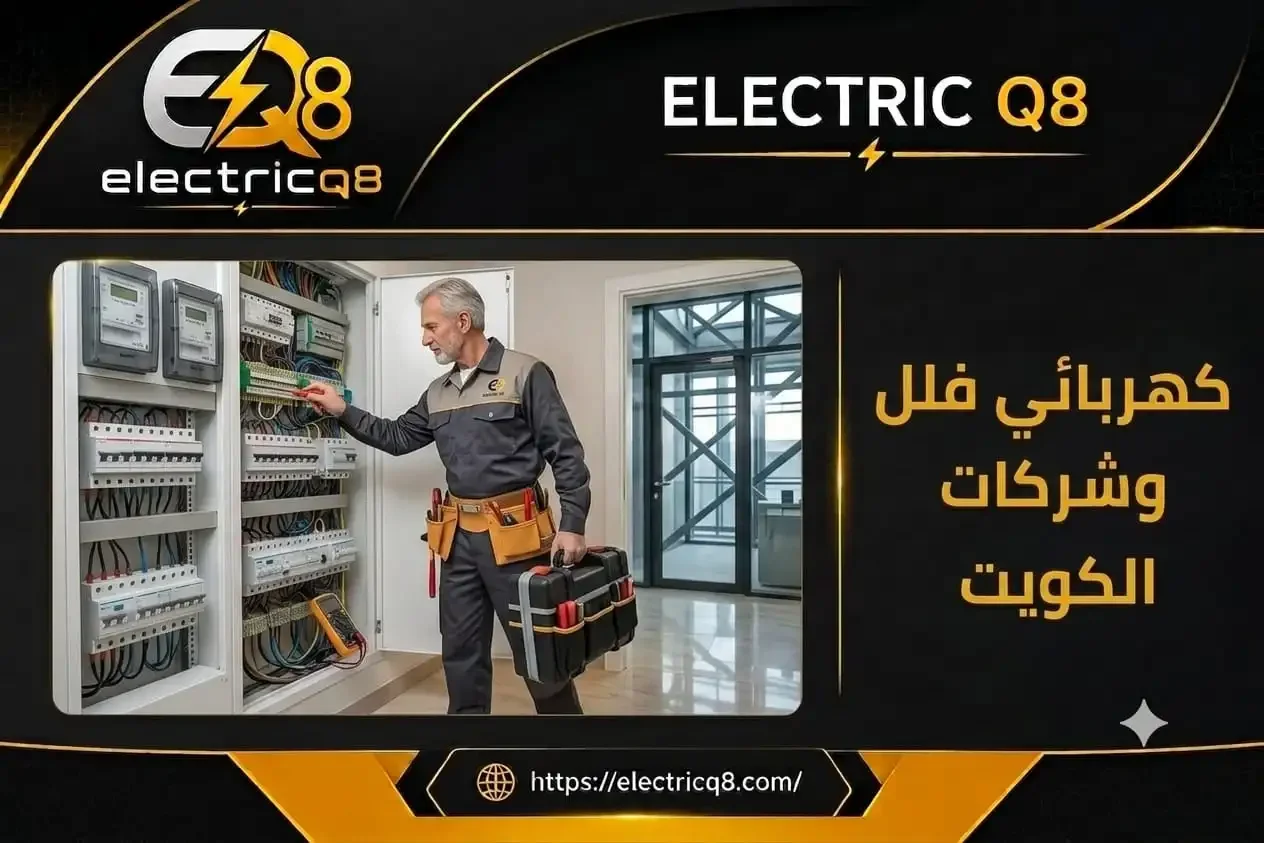
Commercial Complex Electrical Maintenance Kuwait requires a completely different approach from residential or small retail electrical maintenance because a single electrical fault can affect dozens of shops, corridors, elevators, air conditioning systems, and advertising displays at the same time. Successful maintenance does not begin only after a problem occurs. It starts with scheduled inspections, electrical load monitoring, panel testing, protection system verification, and a clearly organized emergency response plan. Professional maintenance management minimizes unexpected breakdowns, keeps business operations running without interruption, and prevents financial losses that may result from power outages or failures in critical areas of the complex.
Commercial Complex Electrical Maintenance Kuwait
Commercial Complex Electrical Maintenance Kuwait differs from conventional electrical services because a commercial complex operates as one integrated system consisting of retail stores, restaurants, corridors, parking areas, elevators, escalators, air conditioning systems, fire protection equipment, and security systems. Any weakness within one part of the electrical network may affect multiple areas if electrical loads and circuit isolation are not properly organized. For this reason, maintenance begins with a complete understanding of the electrical layout, including the locations of the main and sub-distribution panels, cable routes, and the power supply assigned to every commercial activity.
A maintenance program is then developed according to operational priorities rather than performing a general inspection without planning. Main distribution panels, transformers, and circuit breakers that serve heavy electrical loads require more frequent monitoring than circuits with lighter usage. Electrical current, operating temperatures, and performance observations are documented through scheduled reports so that gradual changes can be identified before they develop into unexpected failures. This method is extremely valuable because many electrical problems do not appear as immediate power interruptions. They often begin with slight overheating, voltage fluctuations, or unusual sounds inside electrical panels.
Practical experience gained from maintaining large commercial facilities shows that preventive maintenance saves substantial emergency repair costs. Discovering a loose electrical connection or an overheating breaker during a planned inspection allows repairs to be completed at a convenient time instead of waiting until the component fails during peak business hours. This reduces interruptions for tenants while protecting the reputation of the commercial complex management.
-
Effective maintenance depends on a complete understanding of electrical load distribution, panels, and shared building services.
-
Periodic measurements identify gradual changes such as rising temperatures or increasing electrical current before failures occur.
-
Planned intervention minimizes unexpected downtime and supports uninterrupted commercial operations.
Commercial Complex Electrical Maintenance
Commercial Complex Electrical Maintenance includes a comprehensive inspection that begins at the incoming electrical supply and extends to every branch circuit throughout the property. Particular attention is given to electrical panels, breakers, cables, busbars, grounding systems, and leakage protection devices because these components operate continuously under changing electrical loads throughout the day. Maintenance also includes emergency lighting, exit signs, power supplies for elevators and pumps, and security systems to ensure that every essential service remains fully operational.
Maintenance activities are divided into preventive maintenance, corrective maintenance, and emergency response. Preventive maintenance focuses on preventing failures before they occur, while corrective maintenance addresses components that show signs of deterioration during inspections. Emergency maintenance requires technicians capable of isolating the affected section and restoring electrical service to the remaining areas as quickly as possible. This structured approach creates a more organized maintenance process and eliminates unnecessary delays during critical situations.
One of the most common mistakes is relying solely on visual inspection without performing actual electrical measurements. An electrical panel may appear perfectly normal while one connection is overheating or the electrical load is unevenly distributed across the three phases. Professional maintenance therefore includes current measurements, insulation testing, and thermal imaging whenever required. Every inspection result should be documented so future visits can compare system performance and determine whether electrical conditions remain stable or are gradually deteriorating.
-
Maintenance covers every level of the electrical network from the incoming supply to branch circuits throughout the facility.
-
Combining preventive, corrective, and emergency maintenance provides an appropriate response for every type of electrical problem.
-
Reliable maintenance decisions depend on measurements and documentation rather than visual inspection alone.
Commercial Complex Electrician
A Commercial Complex Electrician requires experience that extends well beyond ordinary installation or residential repair work because commercial environments contain multiple electrical systems operating simultaneously and requiring continuous coordination. The technician must be capable of reading electrical drawings, identifying isolation points, understanding three-phase electrical loads, and working safely with main and sub-distribution panels without interrupting the operation of other businesses. Communication with building management and tenants before performing electrical shutdowns or supply transfers is equally important.
A qualified commercial electrician is able to diagnose faults without unnecessarily interrupting service to surrounding businesses. When an electrical problem occurs inside one retail unit, there is no reason to disconnect power from an entire wing if only the affected circuit needs to be isolated. The electrician also investigates the actual cause of the fault instead of simply restoring electricity temporarily. If the interruption results from excessive electrical load or unauthorized modifications inside the shop, the proper long-term solution is clearly explained to prevent the issue from happening again.
Choosing the right electrician directly influences maintenance quality. A technician who relies on assumptions may replace perfectly functional components or restore power without verifying system stability. An experienced specialist provides accurate measurements, documents completed work, identifies potential risks, and recommends appropriate corrective actions. This approach gives commercial complex management a clearer understanding of maintenance priorities and future budgeting.
-
Commercial electricians require expertise in large-scale electrical systems rather than residential installations alone.
-
Professional diagnosis isolates only the affected area while maintaining operation throughout the rest of the complex.
-
Technical documentation helps management establish maintenance priorities based on measurable information.
Maintenance Contracts for Commercial Complexes
Maintenance Contracts for Commercial Complexes are among the most valuable tools for managing commercial facilities because they shift maintenance from reacting to failures toward organized preventive planning. A professional maintenance contract involves much more than sending an electrician whenever an electrical problem occurs. It establishes scheduled inspection visits, emergency response procedures, reporting methods, and the process for identifying and correcting potential electrical risks before they interrupt business operations. The clearer the contract is, the more organized and predictable the maintenance process becomes.
Maintenance contracts vary according to the size of the commercial complex, the number of retail units, and the complexity of the installed electrical systems. A smaller commercial center may require monthly inspections together with emergency support, while large shopping malls may require technicians to be permanently assigned on site with dedicated emergency response teams available at all times. The contract should clearly define the responsibilities of both parties while identifying the services included, additional repair procedures, and work requiring management approval or replacement materials.
Practical experience consistently demonstrates that the most valuable contracts are not necessarily the least expensive but the ones that clearly explain how maintenance will be performed. A contract that defines inspection schedules, testing procedures, and periodic reporting significantly reduces unexpected failures while providing facility management with a complete understanding of the electrical network and future maintenance requirements.
-
Professional contracts define inspection schedules, emergency procedures, and technical reporting methods.
-
Contract requirements vary according to the size of the commercial facility and the complexity of its electrical systems.
-
Well-structured contracts improve long-term planning while reducing unexpected operational disruptions.
Shopping Mall Electrical Maintenance
Shopping Mall Electrical Maintenance requires an exceptionally high level of organization because of the constant movement of visitors and the wide variety of activities taking place throughout the property. A shopping mall contains retail stores, restaurants, entertainment facilities, advertising displays, elevators, escalators, and central air conditioning systems operating simultaneously. Maintenance must therefore be carried out without affecting customer experience or interrupting essential building services.
Maintenance activities are scheduled according to visitor traffic patterns so that work requiring temporary electrical shutdowns is completed during periods of lower occupancy. Coordination with mall management and retail tenants takes place before any activity that could affect electrical supply. Maintenance also includes testing emergency lighting, exit signs, emergency power systems, and backup electrical supplies to ensure they remain fully operational whenever needed.
Professional maintenance becomes especially important during holidays and peak shopping seasons when electrical demand increases significantly because of higher visitor numbers, decorative lighting, and additional advertising displays. Preventive inspections are therefore intensified before these busy periods to ensure stable electrical performance throughout the mall.
-
Maintenance schedules are organized to minimize disruption to shoppers and business operations.
-
Emergency lighting, backup power systems, and essential electrical equipment are included in routine inspections.
-
Preventive inspections become even more important before seasonal periods of heavy electrical demand.
Electrical Services for Commercial Complexes
Electrical Services for Commercial Complexes include a wide range of specialized work extending far beyond routine electrical repairs. Services begin with scheduled inspections and electrical measurements before expanding into panel upgrades, load redistribution, installation of energy-efficient lighting systems, and modernization of electrical infrastructure to support future expansion or changing commercial activities.
Some commercial complexes require additional distribution panels or new electrical feeders when new businesses open or when tenants install equipment with higher electrical demand. Before any expansion is approved, the capacity of the existing electrical system must be evaluated to ensure it can safely support the increased load. Professional services also include engineering consultations that help property management improve efficiency while reducing electricity consumption.
Comprehensive service providers prepare technical reports describing the condition of every major electrical component together with prioritized recommendations. This enables management to complete improvements gradually according to available budgets rather than waiting until major failures force immediate repairs.
-
Electrical services extend from routine maintenance to complete system modernization and efficiency improvements.
-
Every electrical expansion should begin with a detailed assessment of system capacity.
-
Technical reports support long-term planning through prioritized recommendations.
Electrical Maintenance for Retail Shops
Electrical Maintenance for Retail Shops requires rapid response together with accurate diagnosis because even a few hours of downtime may result in immediate financial losses. Every retail unit is treated as an independent electrical installation while maintaining the stability of the shared electrical infrastructure throughout the commercial complex. Maintenance begins by inspecting the shop's electrical panel, connected equipment, and any electrical modifications completed after the business opened.
The inspection also includes interior lighting, advertising signs, electrical outlets serving sales equipment, payment systems, and air conditioning units. In many situations, electrical failures occur because additional equipment has been installed without evaluating whether the existing circuits can safely support the increased load. Professional maintenance therefore includes practical recommendations that allow tenants to operate their equipment safely.
The objective is not simply restoring electricity but ensuring that the same fault does not occur again. Every repaired circuit is therefore tested under actual operating conditions while voltage stability and electrical current are carefully verified before work is considered complete.
-
Every retail shop receives independent maintenance while preserving stability throughout the shared electrical network.
-
Maintenance includes lighting, air conditioning, sales equipment, and illuminated advertising systems.
-
Operational testing after repairs helps prevent repeated electrical failures.
Shopping Center Electrician Kuwait
A Shopping Center Electrician Kuwait possesses extensive experience working in facilities that operate continuously while supporting multiple electrical systems at the same time. The electrician manages changing electrical loads, distribution panels, indoor and outdoor lighting systems, and electrical control equipment while ensuring that repair activities do not interfere with customers or business operations.
Professional technicians follow a structured diagnostic process that begins with collecting information about the reported fault before reviewing maintenance records whenever they are available. Current electrical measurements are then compared with previous inspection results to determine whether the issue is related to a specific piece of equipment, changing electrical loads, or gradual deterioration of system components.
Experienced electricians also coordinate closely with shopping center management before performing any work requiring electrical shutdowns or temporary service interruptions. Proper planning minimizes operational disruption while maintaining safety for visitors, employees, and contractors.
-
Diagnostic procedures compare present electrical measurements with previous inspection records whenever possible.
-
Maintenance activities are coordinated with shopping center management before any electrical shutdown.
-
Commercial experience allows repairs to be completed with minimal interruption to business activities.
Electrical Maintenance Management for Commercial Complexes
Electrical Maintenance Management for Commercial Complexes relies on planning and technical analysis far more than simply repairing faults after they occur. Maintenance schedules are prepared in advance, inspection results are monitored continuously, and equipment requiring servicing or replacement is identified before operational interruptions occur. Individual maintenance records are maintained for every panel and major electrical system, documenting inspection dates, observations, completed repairs, and future recommendations.
This organized management process helps identify recurring faults and operational patterns that may indicate fundamental design weaknesses or electrical load distribution problems. Technical reports also assist management in preparing annual maintenance budgets instead of making expensive emergency decisions after failures occur.
The result is improved electrical reliability, greater operational efficiency, and significantly lower emergency repair costs because problems are identified while they are still relatively minor.
-
Successful maintenance management depends on planning, documentation, and continuous performance analysis.
-
Historical maintenance records help identify recurring electrical problems before they become serious.
-
Long-term planning reduces emergency expenses while improving operational efficiency.
Commercial Complex Electrical Technician
A Commercial Complex Electrical Technician combines rapid response with accurate diagnosis while following strict safety procedures and maintaining constant coordination with facility management. The technician does not simply repair faults but also investigates their underlying causes, tests every repaired circuit, and confirms that all connected electrical systems are functioning correctly before leaving the site.
The technician possesses practical experience working with distribution panels, lighting systems, backup power supplies, and electrical protection devices while performing maintenance without affecting neighboring commercial units. Every completed repair is documented together with observations requiring future monitoring or additional maintenance.
Having a dedicated electrical technician as part of a scheduled maintenance program is one of the most effective ways to maintain electrical stability throughout a commercial complex because developing problems are identified while they are still small instead of becoming major failures affecting all tenants.
-
Specialized technicians combine rapid response with accurate diagnosis and strict safety procedures.
-
Complete operational testing follows every repair before maintenance work is finalized.
-
Continuous technical documentation improves maintenance quality over the long term.
Conclusion
Commercial Complex Electrical Maintenance Kuwait requires a comprehensive strategy that combines preventive maintenance, rapid emergency response, and organized electrical system management. Every electrical panel, breaker, cable, and protective device forms part of an interconnected network requiring continuous monitoring to maintain reliable and safe operation. When commercial complex management relies on experienced electrical specialists, structured maintenance schedules, and detailed technical reporting, unexpected failures become less frequent, business continuity improves, and both tenants and visitors gain greater confidence in the quality and reliability of the facility.
Frequently Asked Questions
How often should commercial complexes receive electrical maintenance?
Inspection frequency depends on the size of the complex, operating hours, and electrical loads. However, regular scheduled maintenance is recommended, with more frequent inspections for critical electrical systems.
Does maintenance include emergency lighting and elevators?
Yes. Professional maintenance programs typically include emergency lighting, distribution panels, elevators, escalators, and their associated electrical supply systems according to the maintenance schedule.
What is the difference between preventive maintenance and emergency maintenance?
Preventive maintenance identifies and corrects developing issues before failures occur, while emergency maintenance restores electrical service after an unexpected fault has already interrupted operation.
Can electrical maintenance be performed without closing the commercial complex?
In many situations, yes. Maintenance can be scheduled during off-peak hours while isolating only the affected electrical section, allowing the remaining areas of the complex to continue operating normally.
Why do commercial complexes benefit from long-term maintenance contracts?
Long-term maintenance contracts provide scheduled inspections, technical reporting, and rapid emergency response, helping reduce unexpected failures while extending the service life of the entire electrical infrastructure.