Electrical Maintenance Contracts Companies Kuwait
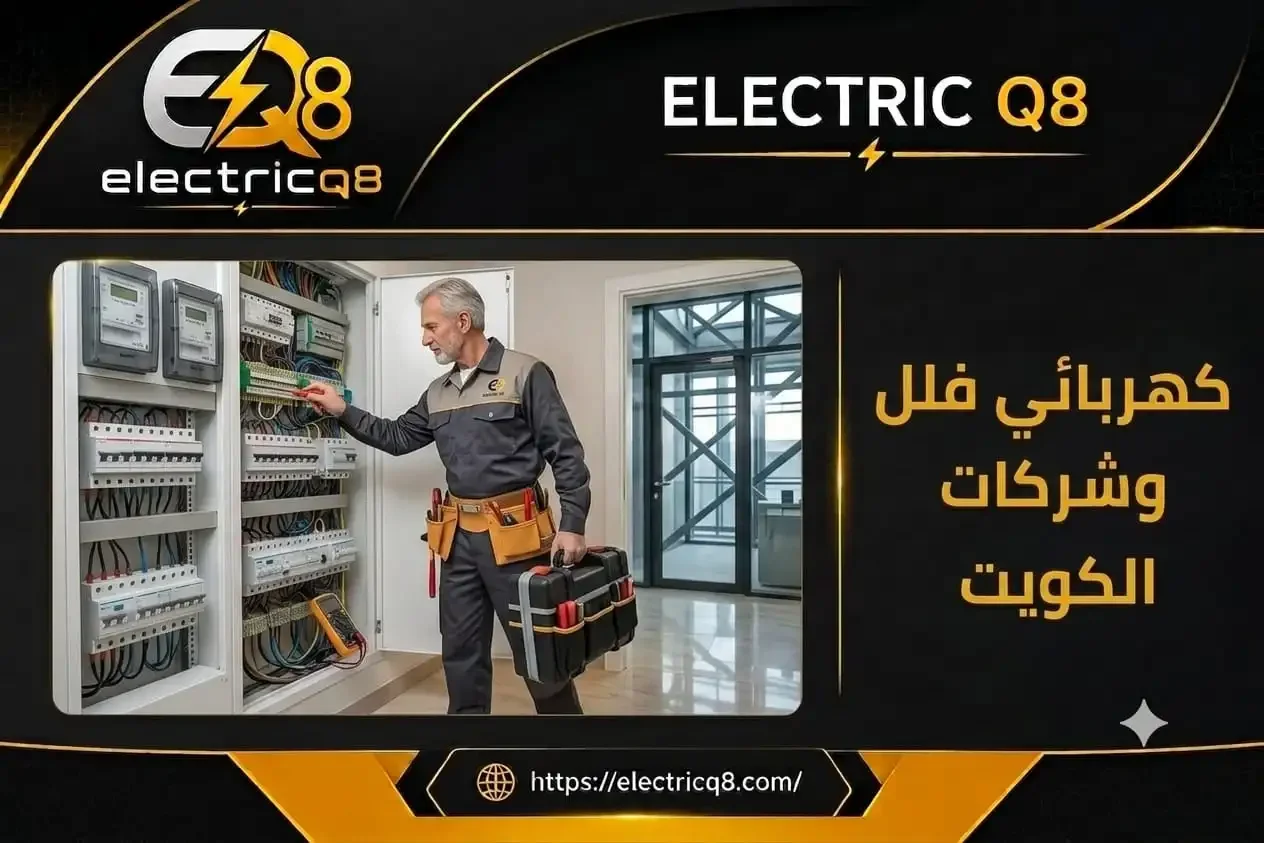
Electrical Maintenance Contracts for Companies have become an essential part of facility management for businesses that depend on uninterrupted operations, whether they are offices, factories, commercial buildings, warehouses, or retail centers. Unexpected electrical failures can lead to operational downtime, delayed workflows, damaged equipment, and costly business interruptions. For this reason, preventive electrical maintenance is no longer viewed as a service requested only after a fault occurs but as a strategic plan that protects electrical systems, extends equipment life, and minimizes the risk of expensive breakdowns. When a professional maintenance contract includes scheduled inspections, detailed testing, and technical reporting, business owners gain greater confidence in managing electrical risks while ensuring continuous and reliable operations throughout the year.
Electrical Maintenance Contracts for Companies
Electrical Maintenance Contracts for Companies are built on the principle of preventing failures before they happen rather than waiting for an emergency and then searching for a quick repair. A professional electrical maintenance provider begins by evaluating the nature of the business, the number of electrical panels, operational loads, daily working hours, and the critical systems that depend on electricity. Based on this assessment, a customized maintenance schedule is developed to match the actual operating conditions. The maintenance requirements of a factory running twenty-four hours a day are completely different from those of an office building, commercial showroom, warehouse, or administrative facility with limited daily operations. The more accurately the maintenance plan reflects real operating conditions, the more effective it becomes in reducing failures and maintaining system reliability.
Professional contracts include scheduled visits to inspect electrical panels, circuit breakers, cables, grounding systems, and protective devices while measuring electrical loads and identifying abnormal temperature increases or early warning signs that may indicate future failures. Every inspection is documented through comprehensive technical reports that help facility managers monitor the condition of the electrical infrastructure and make informed maintenance decisions before operational interruptions occur.
Practical experience across commercial projects in Kuwait consistently shows that businesses relying on preventive maintenance contracts experience significantly fewer emergency electrical failures than facilities that only request repairs after problems appear. The greatest advantage is not simply repairing faults quickly but preventing many of them from occurring in the first place through a structured and continuous maintenance program.
-
Successful contracts begin with a detailed assessment of business operations and electrical loads before defining the maintenance schedule.
-
Scheduled inspections include comprehensive evaluation of every critical electrical component together with detailed technical reporting.
-
Preventive maintenance contracts significantly reduce unexpected failures while supporting uninterrupted business operations.
Annual Electrical Maintenance Contract
An Annual Electrical Maintenance Contract provides a practical solution for companies that want to manage their electrical infrastructure consistently throughout the entire year instead of requesting separate repair services whenever problems occur. The agreement clearly defines the number of scheduled visits, inspection procedures, preventive maintenance activities, emergency response methods, and the responsibilities of both parties from the beginning of the contract.
Annual agreements also improve financial planning because maintenance expenses become predictable instead of exposing businesses to unexpected repair costs caused by major failures that could have been prevented through routine inspections. Regular maintenance visits allow technicians to identify gradual changes such as increasing electrical loads, aging components, or developing weaknesses before they affect the stability of the electrical system.
A professional annual contract extends beyond routine inspections by providing technical recommendations for improving overall electrical performance whenever necessary. Technicians may recommend redistributing electrical loads, upgrading circuit breakers, or replacing components approaching the end of their service life. This gives management a continuous and accurate understanding of the condition of the company's electrical infrastructure throughout the contract period.
-
Annual contracts provide an organized maintenance plan covering the facility throughout the year.
-
Predictable maintenance costs help businesses control budgets while reducing unexpected repair expenses.
-
Continuous technical recommendations improve electrical system efficiency and long-term reliability.
Commercial Electrical Preventive Maintenance
Commercial Electrical Preventive Maintenance follows a fixed inspection schedule designed to evaluate every part of the electrical system before failures develop. In commercial facilities, electrical interruptions affect far more than lighting. They may disrupt point-of-sale systems, computers, surveillance equipment, air conditioning, elevators, communication systems, and many other services that support daily business operations. For this reason, preventive maintenance plays a vital role in maintaining operational continuity.
Maintenance begins with inspecting electrical panels, measuring operating loads, checking breaker and connection temperatures using specialized testing equipment, verifying protective devices, examining grounding systems, and identifying any indication of deteriorating wiring or loose electrical connections. Newly installed equipment and additional electrical loads introduced since the previous inspection are also reviewed to ensure continued compatibility with the electrical network.
Real-world operational experience consistently demonstrates that commercial facilities following structured preventive maintenance programs experience substantially fewer emergency breakdowns while minimizing operational downtime caused by unexpected electrical repairs. Rather than representing an additional expense, preventive maintenance protects business investments by ensuring reliable electrical performance every day.
-
Preventive maintenance relies on scheduled inspections rather than waiting for electrical failures.
-
Inspection procedures include load measurement, protection testing, and comprehensive evaluation of electrical connections.
-
Regular maintenance protects commercial operations from costly and unexpected service interruptions.
Maintenance Contracts for Commercial Buildings
Maintenance Contracts for Commercial Buildings require a maintenance strategy that differs significantly from residential service agreements because commercial properties typically contain numerous electrical panels, distribution systems, and operational equipment that function for extended hours or continuously throughout the day. Any electrical interruption can simultaneously affect tenants, employees, customers, and multiple business operations within the building. For this reason, maintenance programs are developed according to the property's characteristics, including the number of floors, electrical loads, elevators, HVAC systems, fire protection equipment, emergency lighting, and exterior electrical installations.
Routine maintenance includes inspecting main and sub-distribution panels, evaluating circuit breakers and electrical cables, measuring actual operating loads, testing protective devices, and verifying the integrity of grounding systems. Maintenance teams also review any building expansions or electrical modifications completed since the previous inspection to ensure they have not negatively affected system stability. Every inspection is documented in detailed technical reports that help property managers monitor electrical performance and schedule future improvements before operational problems arise.
In many commercial buildings, routine inspections detect seemingly minor issues such as loose electrical connections or localized breaker overheating long before they develop into failures capable of interrupting building services. This illustrates the true value of preventive maintenance contracts that focus on early detection instead of emergency repairs.
-
Maintenance programs are customized according to building size, operational systems, and electrical demand.
-
Scheduled visits include comprehensive inspection of panels, breakers, loads, and protective equipment.
-
Detailed reporting helps facility management plan maintenance before small issues become major failures.
Electrical Maintenance Company for Businesses
Choosing an Electrical Maintenance Company for Businesses should never depend solely on rapid emergency response. Greater importance should be placed on the company's experience with commercial and industrial facilities, its preventive maintenance capabilities, and its ability to manage electrical systems through structured maintenance programs. Professional companies employ qualified technicians, advanced testing instruments, and standardized procedures that ensure accurate inspections while documenting every maintenance activity.
Experienced maintenance providers also operate organized contract management systems that schedule inspections, issue technical reports, and deliver engineering recommendations after every service visit. This structured approach gives company management a clear understanding of the electrical system's condition while making maintenance and upgrade decisions much easier. Maintaining the same technical team throughout the contract also allows technicians to understand the facility's operational history, electrical loads, and previous maintenance records in greater detail.
Communication is equally important. A reliable maintenance company respects scheduled appointments, clearly explains completed work, justifies every technical recommendation, and avoids proposing unnecessary replacements or costly upgrades without valid engineering reasons.
-
Businesses should select maintenance providers with proven commercial electrical experience.
-
Organized reporting systems improve long-term electrical asset management.
-
Clear communication and dependable scheduling significantly improve service quality.
Continuous Electrical Maintenance Services
Continuous Electrical Maintenance Services provide a higher level of reliability because the electrical system is monitored throughout the entire contract period rather than during isolated inspections. Each maintenance visit compares current measurements with previous inspection records, making it possible to identify gradual changes that may indicate developing electrical problems. This long-term monitoring approach detects progressive deterioration that cannot always be recognized during a single inspection.
Continuous maintenance includes monitoring electrical loads, inspecting distribution panels, testing protective systems, evaluating breakers, checking cable conditions, and examining electrical connections while providing recommendations whenever upgrades or improvements become necessary. Maintenance schedules are coordinated with company management to minimize operational disruption and maintain productivity.
Because decisions are based on long-term technical data instead of assumptions, continuous maintenance significantly reduces unexpected failures, extends the lifespan of electrical components, and provides management with greater confidence in the long-term reliability of the electrical infrastructure.
-
Continuous service compares inspection data over time to identify gradual changes.
-
Regular monitoring detects developing problems before they become major failures.
-
Long-term technical records support more accurate maintenance decisions.
Maintenance Contracts for Offices and Factories
Maintenance Contracts for Offices and Factories must be designed differently because the operational environments and electrical demands vary considerably. Office buildings primarily depend on lighting systems, office equipment, computers, air conditioning, communication systems, and general power outlets, while factories rely on production machinery, motors, industrial control panels, and significantly higher operating loads that require specialized inspection procedures.
For this reason, maintenance contracts should always be customized according to the actual business activity instead of following a standard template. Industrial facilities may require weekly or monthly inspections for critical production equipment, whereas smaller office environments may only require less frequent maintenance visits. Maintenance priorities are established according to operational importance and the potential impact that equipment failure would have on productivity and business continuity.
This customized maintenance strategy improves operational efficiency while controlling maintenance costs because resources are directed toward the most critical electrical systems rather than applying identical maintenance procedures to every facility regardless of its operational requirements.
-
Maintenance programs are customized according to each facility's operational requirements and electrical demand.
-
Industrial facilities require more specialized maintenance programs than administrative offices.
-
Customized maintenance plans provide the best balance between operating cost and system reliability.
Preventive Maintenance for Electrical Systems
Preventive Maintenance for Electrical Systems focuses on identifying early warning signs before electrical deficiencies develop into failures that interrupt business operations. This is accomplished through scheduled inspections, thermal measurements, electrical load analysis, breaker testing, connection inspections, and continuous monitoring of distribution panel performance.
Preventive maintenance significantly reduces emergency failures while extending the service life of electrical equipment because developing problems are corrected during their earliest stages. It also provides facility management with sufficient time to schedule equipment replacement or system upgrades without causing emergency shutdowns or disrupting normal business activities.
Practical industry experience consistently demonstrates that preventive maintenance costs are substantially lower than repairing major electrical failures together with the operational losses, production delays, and emergency repair expenses they typically generate. This is why preventive maintenance has become a fundamental component of modern facility management.
-
Preventive maintenance emphasizes early detection instead of emergency repair.
-
Regular inspections extend the lifespan of panels, breakers, cables, and electrical equipment.
-
Preventive maintenance minimizes operational disruptions caused by unexpected failures.
Electrical Maintenance Management for Companies
Electrical Maintenance Management for Companies involves much more than scheduling service visits because it requires organizing maintenance activities, tracking inspection results, analyzing technical information, and making informed engineering decisions that continuously improve electrical system performance. The process begins with establishing a complete maintenance history that documents inspections, repairs, failures, technical recommendations, and system modifications.
This information is then analyzed to identify equipment requiring additional attention, future upgrades, or replacement planning. Such a structured approach ensures maintenance budgets are directed toward genuine operational priorities rather than being spent randomly on work that provides limited long-term value.
When maintenance management is based on accurate technical records and regular reporting, decision-making becomes faster and more reliable while recurring failures are reduced because maintenance focuses on correcting root causes rather than repeatedly addressing symptoms.
-
Effective maintenance management depends on complete documentation of every inspection and repair.
-
Technical records help prioritize future upgrades and replacement planning.
-
Failure analysis improves long-term reliability by addressing root causes rather than recurring symptoms.
Best Electrical Maintenance Contract in Kuwait
Selecting the Best Electrical Maintenance Contract in Kuwait should never be based solely on obtaining the lowest price. The real value of a maintenance agreement lies in the quality of services delivered throughout the contract period. A professional contract clearly defines inspection frequency, maintenance scope, emergency response times, reporting procedures, and the responsibilities of both the maintenance provider and the client.
Businesses should also verify that the agreement includes genuine preventive maintenance instead of routine visits performed without detailed inspection. Modern testing equipment, comprehensive engineering reports, structured follow-up procedures, and documented experience with offices, commercial buildings, and industrial facilities are all strong indicators of a high-quality maintenance provider.
When comparing different proposals, organizations should evaluate overall value instead of focusing exclusively on contract cost. A professionally managed maintenance agreement often generates greater long-term savings by reducing equipment failures, extending electrical system life, and supporting uninterrupted business operations.
-
The best contract is measured by service quality and clearly defined responsibilities rather than price alone.
-
Professional agreements include preventive inspections, technical reports, and structured follow-up procedures.
-
High-quality maintenance contracts produce long-term operational savings by reducing future electrical failures.
Conclusion
Electrical Maintenance Contracts for Companies represent a long-term investment in business continuity rather than simply an agreement to repair electrical problems when they occur. When organizations implement structured preventive maintenance programs that include scheduled inspections, load management, protective device testing, and detailed engineering reports, their electrical systems become significantly more reliable while expensive failures become far less frequent. Choosing an experienced and well-organized electrical maintenance provider enables companies, offices, factories, and commercial facilities to maintain safe, efficient, and dependable electrical operations throughout the entire year.
Frequently Asked Questions
Why do companies need an annual electrical maintenance contract?
Because it ensures regular monitoring of electrical systems, reduces unexpected failures, and supports uninterrupted business operations throughout the year.
What is usually included in an electrical maintenance contract?
Most contracts include scheduled inspections, electrical load measurements, testing of breakers, distribution panels, protective systems, grounding verification, and comprehensive technical reporting.
Are factory maintenance contracts different from office maintenance contracts?
Yes. Industrial facilities operate heavy equipment and higher electrical loads, requiring more specialized inspections and more frequent preventive maintenance than office environments.
Does preventive maintenance reduce operating costs?
Yes. Preventive maintenance identifies developing problems early, helping companies avoid major electrical failures, expensive emergency repairs, and operational downtime.
How do I choose the best electrical maintenance contract in Kuwait?
Select a contract that clearly defines service scope, inspection frequency, emergency response time, technical reporting, and the provider's experience managing facilities similar to your business.