Electrical Panel Maintenance Kuwait
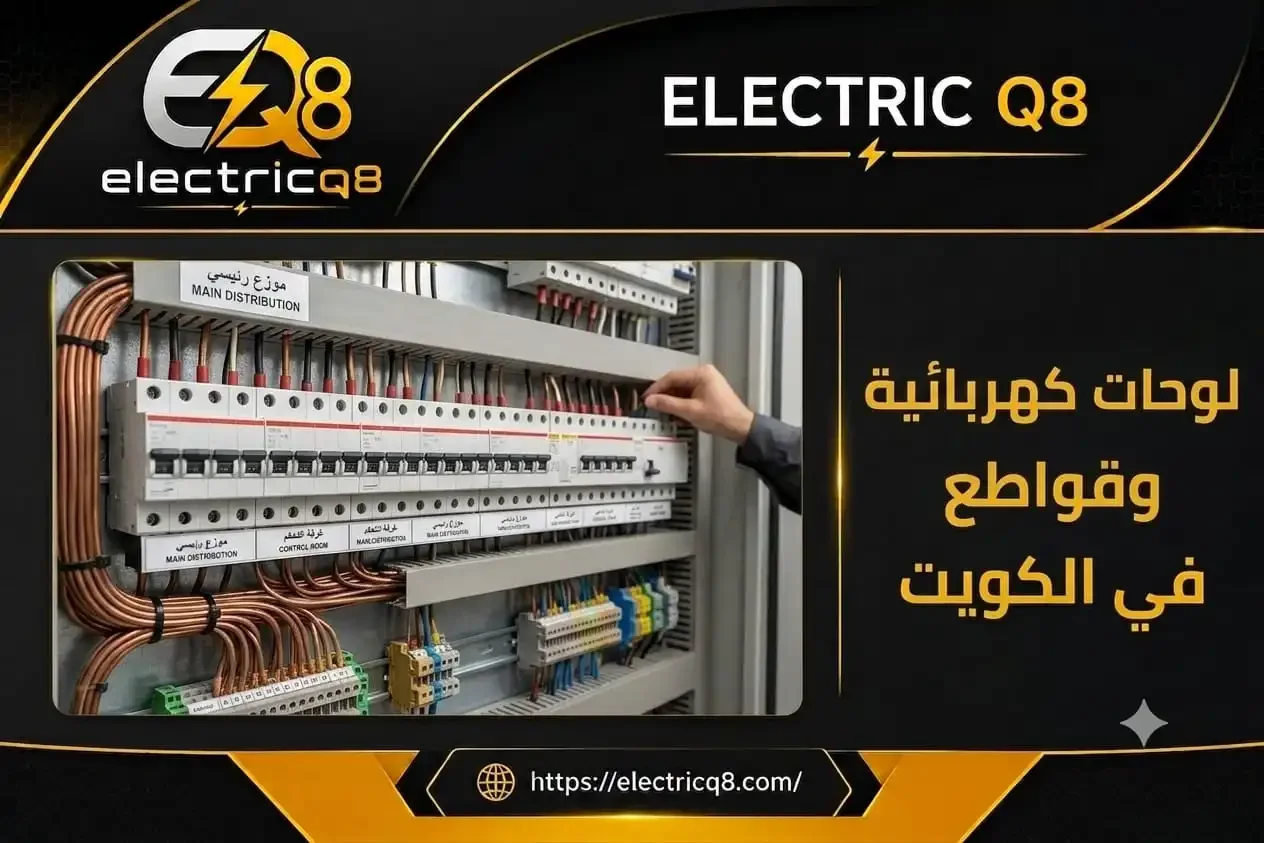
The electrical panel is the central control point of every electrical system in a home, villa, or commercial building because it is responsible for distributing electricity safely to every circuit while protecting wiring and electrical equipment from overloads and unexpected faults. Over time, the panel may develop issues such as loose electrical connections, overheated circuit breakers, worn internal components, or signs of corrosion. Although these problems often begin as minor defects, they can eventually lead to recurring power outages, damaged electrical equipment, or even serious electrical hazards if they are ignored. For this reason, Electrical Panel Maintenance Kuwait has become an essential service for maintaining a safe, reliable, and efficient electrical system while extending the operating life of the entire electrical installation.
Electrical Panel Maintenance Kuwait
Electrical Panel Maintenance Kuwait begins with a comprehensive inspection of every component inside the electrical panel because the objective is not simply to repair an obvious fault but to verify the condition of the entire electrical distribution system. Professional electricians inspect the main circuit breaker, all branch breakers, internal electrical connections, and the electrical load carried by every individual circuit while checking for abnormal temperature increases that may occur during normal operation.
The maintenance process also includes cleaning dust and accumulated debris from inside the panel, as contaminants may gradually affect the performance of electrical components over time. Every electrical connection is carefully tightened because repeated heating and cooling cycles often cause terminals to loosen naturally. Once maintenance has been completed, the electrical panel is tested under normal operating conditions to confirm that every circuit breaker responds correctly whenever an overload or electrical fault occurs.
Practical experience from electrical panel maintenance projects throughout Kuwait consistently shows that many major electrical failures begin as small defects that could easily have been discovered during routine inspections. Preventive maintenance is therefore significantly less expensive than repairing the extensive damage that often results from ignoring early warning signs.
Electrical Panel Repair
Successful Electrical Panel Repair depends on accurate diagnosis before replacing any electrical component because many apparent panel failures are actually caused by loose electrical connections, damaged cables, or continuous overload conditions rather than defective circuit breakers themselves. Professional electricians therefore use specialized testing equipment to identify the true source of the problem before beginning repair work.
Once the defective component has been located, it is replaced with a new part that matches the required electrical specifications and load capacity. At the same time, every remaining section of the panel is carefully inspected to verify that no additional damage has resulted from the original fault. Electricians also evaluate whether every circuit breaker is properly matched to the electrical load it protects because incorrectly rated breakers frequently cause recurring electrical problems even after repairs have been completed.
Field experience consistently demonstrates that professional panel repair is not limited to restoring electrical power. Instead, it focuses on eliminating the root cause of the fault, preventing future failures, and maintaining the long-term stability of the building's electrical distribution system.
Electrical Panel Inspection
Regular Electrical Panel Inspection is one of the most valuable preventive maintenance procedures, even when no visible electrical problems are present. Many electrical faults begin inside the panel long before homeowners notice any warning signs. Circuit breakers may gradually overheat, electrical terminals may become loose, or electrical loads may become unevenly distributed between circuits. Left undetected, these hidden problems can eventually develop into recurring power interruptions or serious damage to electrical components.
A complete inspection includes measuring voltage levels, electrical current, and circuit loads while testing circuit breaker performance, verifying the grounding system, examining cable organization, and checking for signs of overheating such as discoloration, burnt insulation, or unusual odors. Any technical observations are documented even if they have not yet caused an operational failure, allowing corrective action to be scheduled before larger problems develop.
Practical maintenance experience has shown that routine electrical panel inspections significantly extend the service life of electrical components, reduce the likelihood of unexpected failures, and maintain reliable electrical distribution throughout the property. For this reason, periodic inspections represent a relatively small investment that helps homeowners avoid much more expensive repairs in the future.
Electrical Distribution Board Maintenance
Electrical Distribution Board Maintenance requires practical expertise because the distribution board serves as the primary control center for every electrical circuit within a building. Any failure inside the board can interrupt power to a single section of the property or even the entire electrical system. Professional maintenance therefore begins by safely isolating the electrical supply before inspecting every circuit breaker, busbar, internal connection, and mounting point while looking for signs of overheating, burning, damaged insulation, or mechanical wear.
Every electrical terminal is carefully tightened because loose connections remain one of the most common causes of excessive heat inside distribution boards. Electricians also measure the actual electrical load carried by every circuit to ensure that power is evenly distributed and that no circuit breaker is operating beyond its intended capacity. Whenever abnormalities are discovered, corrective action is taken immediately before the defect develops into a more serious electrical failure.
Experience from residential villas and homes throughout Kuwait consistently shows that routine distribution board maintenance dramatically reduces unexpected breaker trips, minimizes component failures, and helps maintain a stable electrical supply, particularly in properties that rely heavily on air-conditioning systems and other high-demand electrical equipment during the summer months.
Electrical Distribution Panel Repair
Electrical Distribution Panel Repair requires understanding the actual cause of the malfunction rather than simply replacing the component that appears to have failed. In many situations, the circuit breaker itself remains fully operational while the true problem originates from oxidized electrical terminals, overheated supply cables, or poorly balanced electrical loads that affect the overall performance of the distribution panel. Professional electricians therefore inspect every component associated with the panel before deciding on the appropriate repair strategy.
The internal organization of electrical circuits is also reviewed to verify that every circuit carries the electrical load it was originally designed to support. As buildings evolve over time, homeowners frequently add new electrical equipment without updating the panel configuration accordingly. When necessary, electricians reorganize the distribution panel to improve future maintenance, simplify troubleshooting, and maintain clear identification of every electrical connection.
Field experience demonstrates that professionally repairing electrical distribution panels not only prevents recurring failures but also improves the overall efficiency of electrical equipment while protecting wiring systems and circuit breakers from unnecessary stress caused by poor load distribution or deteriorated electrical connections.
Circuit Breaker Panel Maintenance
Circuit Breaker Panel Maintenance focuses on ensuring that every circuit breaker performs its essential protective function whenever an overload or short circuit occurs. Professional electricians test breaker response times, measure operating temperatures under electrical load, inspect every terminal connection, and verify that no mechanical wear or internal damage is affecting breaker performance.
Maintenance extends beyond the breakers themselves by confirming that every breaker is correctly matched to the electrical circuit it protects. Installing a breaker with a rating that is either too high or too low can reduce electrical safety while creating recurring operational problems throughout the building. The panel is also cleaned thoroughly to remove dust and debris that could interfere with ventilation or reduce the reliability of internal electrical components.
Practical experience has consistently shown that routine circuit breaker panel maintenance extends the service life of protective devices, minimizes unexpected electrical failures, and significantly reduces the likelihood of power interruptions caused by problems that could have been detected during preventive maintenance.
Electrical Panel Electrician
Hiring an Electrical Panel Electrician is important not only when a fault occurs but also during the installation of new panels, modernization of older electrical systems, or the addition of new electrical circuits. Working safely with electrical panels requires specialized knowledge of load distribution, circuit breaker coordination, electrical protection systems, and proper component selection. Mistakes during these procedures can affect the reliability of the entire electrical installation.
Professional electricians begin by reviewing the electrical panel layout and comparing the designed electrical capacity with the property's actual power requirements. Every internal connection is inspected carefully while confirming the correct arrangement of cables and circuit breakers inside the panel. Modern testing equipment is also used to detect abnormal temperature increases, voltage irregularities, or uneven load distribution before these issues develop into major electrical failures.
Experience gained from electrical panel maintenance and modernization projects throughout Kuwait clearly demonstrates that qualified panel specialists greatly reduce technical errors and ensure every repair or upgrade follows accepted engineering standards that improve electrical safety and long-term reliability.
Repairing Electrical Panel Faults
Repairing Electrical Panel Faults begins by identifying the true cause of the failure rather than focusing only on its visible effects because many panel problems originate elsewhere within the electrical system. A burned circuit breaker may actually be the result of continuous overload conditions, loose electrical connections may create excessive internal heat, or repeated breaker trips may be caused by a defective appliance rather than the electrical panel itself.
Professional electricians therefore inspect every circuit connected to the panel, review electrical load distribution, test supply cables, measure voltage and current levels, and identify the exact source of the malfunction before carrying out repairs. Once corrective work has been completed, the entire electrical system is tested again to verify stable operation and confirm that every protective device responds correctly under fault conditions.
Field experience consistently proves that this systematic approach significantly reduces the possibility of recurring problems because repairs eliminate the root cause rather than simply replacing the damaged component. This saves homeowners unnecessary repair costs while improving the long-term reliability of the electrical installation.
Main Electrical Panel Inspection
Main Electrical Panel Inspection is one of the most important procedures for maintaining the safety and reliability of the entire electrical system because the main panel is the central point that distributes electricity throughout the building. During the inspection, electricians verify the condition of the main circuit breaker, measure the incoming supply voltage, evaluate load balance across all electrical circuits, and examine every primary connection that carries the highest electrical current.
Thermal inspection equipment is also used to identify hotspots that develop while the electrical system is operating. These temperature increases are often early warning signs of loose connections, overloaded circuits, or deteriorating electrical components that should be repaired before they result in equipment failure or complete power loss. The grounding system is carefully tested, and the panel is inspected for dust accumulation, moisture intrusion, corrosion, or any environmental conditions that could reduce the performance or lifespan of electrical components.
Practical field experience consistently demonstrates that routine inspection of the main electrical panel allows technicians to identify developing problems before they become serious failures. Regular inspections extend the service life of circuit breakers and electrical cables while giving homeowners and business owners greater confidence that their electrical system will continue operating safely and efficiently throughout the year.
Electrical Box Maintenance
Electrical Box Maintenance includes every procedure necessary to preserve the safety and performance of the enclosure that houses the electrical distribution equipment, whether it is installed indoors or outdoors. Maintenance begins with inspecting the exterior housing to ensure there is no physical damage, corrosion, deformation, or openings that could allow dust, moisture, or insects to enter. The inspection then continues inside the box where electricians examine circuit breakers, electrical connections, wiring, mounting hardware, and all internal components.
The electrical box is thoroughly cleaned, cables are reorganized whenever necessary, and any damaged parts are replaced with components that meet the correct electrical specifications. Protective covers, locking mechanisms, and safety barriers are also inspected to confirm they continue providing the required level of protection. Once maintenance has been completed, the electrical box is tested under operating conditions to verify stable voltage, proper load distribution, and reliable electrical performance across every circuit.
Practical experience has shown that routine electrical box maintenance significantly reduces unexpected electrical failures, improves the efficiency of the electrical panel, extends the lifespan of internal components, and enhances overall electrical safety for both residential and commercial properties, particularly in environments exposed to high temperatures, humidity, or demanding operating conditions.
Conclusion
Electrical Panel Maintenance Kuwait is one of the most valuable preventive maintenance services available for homes, villas, commercial buildings, and industrial facilities. The electrical panel is far more than a collection of circuit breakers. It serves as the central control system that distributes electrical power safely while protecting every circuit from overloads, short circuits, and unexpected electrical faults. Neglecting routine maintenance may initially result in repeated breaker trips or unstable electrical performance, but over time these seemingly minor issues can develop into serious electrical failures that require costly repairs or complete panel replacement.
Routine inspections, tightening electrical connections, testing circuit breakers, measuring electrical loads, cleaning internal components, and verifying system performance are all relatively simple maintenance procedures compared with the expense of repairing major electrical damage caused by neglect. When maintenance is carried out by an experienced electrician specializing in electrical distribution panels and main switchboards, the entire electrical system becomes more stable, circuit breakers operate more reliably, cable life is extended, and the risk of sudden electrical failures is greatly reduced. Investing in regular electrical panel maintenance is therefore one of the most effective ways to protect the building, safeguard valuable electrical equipment, and ensure a safe and dependable electrical supply for many years.
Frequently Asked Questions
When should an electrical panel be serviced?
It is recommended to schedule electrical panel maintenance at least once every year. Immediate inspection is also advised if you notice repeated breaker trips, clicking sounds inside the panel, a burning smell, unusual heat, or any visible signs of damage.
Can an electrical panel be repaired, or does it always need replacement?
The answer depends on the condition of the panel and the nature of the fault. In many situations, replacing damaged circuit breakers, repairing loose connections, or changing individual components is sufficient. Complete replacement is generally necessary only when the panel has suffered severe damage or has become outdated to the point where it no longer meets modern electrical safety requirements.
What is the difference between inspecting and maintaining an electrical panel?
An inspection focuses on evaluating the overall condition of the panel and identifying existing or developing electrical problems. Maintenance includes performing the corrective work itself, such as tightening connections, cleaning internal components, replacing worn parts, and conducting operational tests after all maintenance work has been completed.
Do overloaded electrical circuits shorten the lifespan of an electrical panel?
Yes. Continuously operating circuits beyond their intended capacity generates excessive heat inside the panel. Over time, this accelerates wear on internal components, reduces the lifespan of circuit breakers, and increases the likelihood of electrical failures or equipment damage.
Why should electrical panel maintenance always be performed by a qualified electrician?
Electrical panels contain high-voltage components that require specialized knowledge, professional testing equipment, and strict safety procedures. A qualified electrician can accurately diagnose electrical faults, verify protective devices, ensure compliance with electrical standards, and perform maintenance safely while reducing the risk of future electrical failures.