Factory Electrician Kuwait
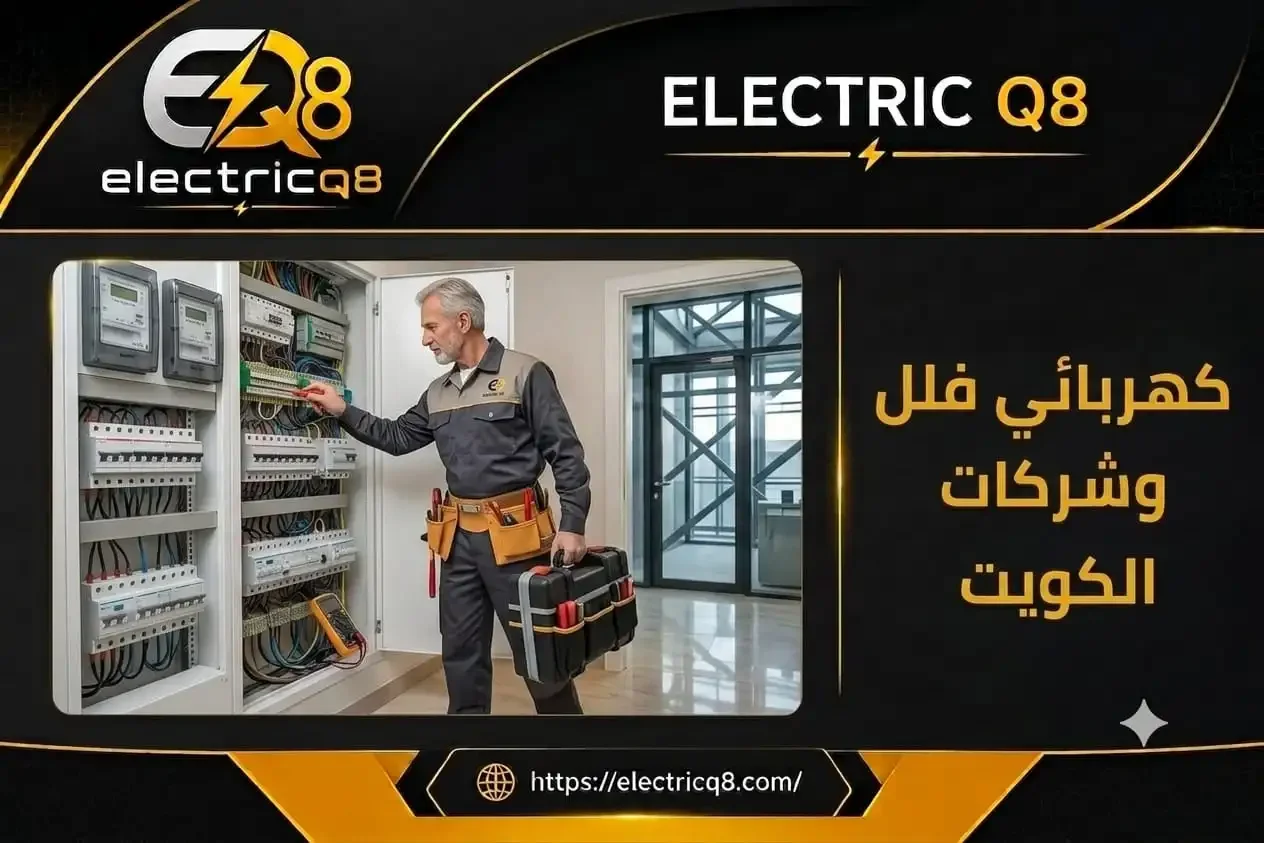
Electrical work inside factories is fundamentally different from work performed in homes or commercial buildings because a single electrical fault in an industrial facility can stop an entire production line and generate significant financial losses that increase with every minute of downtime. For this reason, hiring a Factory Electrician Kuwait means much more than simply repairing electrical faults when they occur. It means working with a specialist who understands industrial electrical systems, can accurately diagnose complex problems, and performs installation and maintenance according to industrial safety standards while keeping production interruptions to an absolute minimum. Every successful industrial electrical project begins with a detailed evaluation of electrical loads, machinery, and production lines before any installation, modification, or maintenance work takes place.
Factory Electrician Kuwait
The responsibilities of a Factory Electrician Kuwait extend far beyond replacing circuit breakers or repairing damaged electrical circuits. Industrial electricians manage complete electrical infrastructures that include main distribution panels, control panels, electric motors, pumps, compressors, automated production equipment, and manufacturing machinery operating continuously under heavy electrical loads. For this reason, professional electricians begin by evaluating the overall condition of the factory, reviewing electrical drawings, measuring the actual electrical load of every production line, and using advanced testing equipment to identify voltage drops, load imbalances, excessive temperatures inside electrical panels, and other developing issues that may remain unnoticed until they become serious operational problems.
The inspection also includes verifying every electrical protection system to ensure it matches the operating characteristics of the industrial equipment installed throughout the facility. Different industrial loads, including electric motors, electronic equipment, automation systems, and control devices, require different protection strategies for every electrical circuit. In addition, the electrician develops a preventive maintenance plan specifically designed to identify electrical issues before they interrupt production, reducing repair costs while improving operational efficiency. Every inspection and maintenance activity is documented carefully, allowing factory management to monitor equipment performance and make informed decisions regarding future upgrades and maintenance scheduling.
Practical experience gained from industrial electrical projects across Kuwait consistently demonstrates that involving a specialized factory electrician from the earliest stages significantly reduces emergency breakdowns, increases production line reliability, and provides management with a much clearer understanding of the condition and readiness of the entire electrical infrastructure for continuous operation.
Factory Electrical Maintenance
Professional Factory Electrical Maintenance is one of the most important factors in maintaining uninterrupted industrial production because major electrical failures almost always begin with small warning signs that can be detected early through systematic preventive maintenance. Industrial maintenance therefore does not depend on waiting until machinery stops operating. Instead, it focuses on regularly inspecting electrical panels, cables, circuit breakers, motors, automation systems, and electrical controls using advanced testing equipment capable of identifying hidden problems long before they develop into expensive equipment failures.
Maintenance procedures include measuring temperatures inside electrical panels using thermal imaging cameras, testing cable insulation resistance, inspecting electrical connections for looseness or deterioration, and tightening terminals that may have become loose because of continuous machine vibration. Electricians also verify the performance of circuit breakers to ensure they respond correctly under abnormal operating conditions while cleaning electrical panels to remove dust and industrial contaminants that may restrict ventilation or contribute to excessive operating temperatures.
Practical experience from numerous industrial facilities consistently proves that following a structured preventive maintenance program dramatically reduces unexpected electrical failures, lowers emergency repair costs, extends the service life of industrial electrical equipment, and provides factories with greater operational stability throughout daily production activities.
Industrial Electrician Kuwait
An Industrial Electrician Kuwait differs significantly from a conventional electrician because industrial facilities rely on highly sophisticated electrical systems that include automated control panels, three-phase motors, precision protection systems, programmable equipment, and manufacturing machinery requiring specialized technical expertise before any maintenance work can be performed safely. Industrial electricians therefore focus not only on correcting visible faults but also on identifying the underlying cause, whether it involves electrical power quality, load distribution, control circuits, protective devices, or another component within the electrical system.
Industrial electricians are fully capable of interpreting complex electrical schematics, tracing electrical supply routes, and using professional diagnostic equipment to evaluate machinery while production remains operational whenever possible. In many situations, this allows hidden problems to be identified and corrected before they interrupt manufacturing operations, reducing downtime while protecting valuable industrial equipment.
Experience gained from industrial projects throughout Kuwait consistently demonstrates that employing qualified industrial electricians significantly improves operational efficiency, minimizes unplanned production interruptions, enhances workplace electrical safety, and contributes directly to higher productivity and improved manufacturing performance.
Factory Electrical Wiring
Professional Factory Electrical Wiring requires careful engineering analysis before installation begins because production facilities depend on complete electrical distribution systems that supply manufacturing equipment, automation systems, industrial lighting, ventilation equipment, pumps, compressors, and numerous other machines operating simultaneously. Every project therefore begins with accurate calculations of current and future electrical demand before selecting correctly sized electrical cables and designing cable routes that minimize voltage loss while simplifying maintenance and future facility expansion.
Industrial-grade cables designed to withstand demanding operating conditions and elevated temperatures are installed inside durable cable trays and protective support systems that provide excellent mechanical protection throughout the factory environment. Electrical loads are distributed across multiple independent circuits so that failure in one section does not interrupt the operation of the entire facility. Additional distribution panels are strategically installed to serve individual production areas independently, allowing maintenance activities to be performed without disrupting other manufacturing operations.
Experience from industrial projects completed throughout Kuwait consistently demonstrates that professionally engineered electrical wiring systems reduce failures associated with overloaded circuits and poor power distribution while giving factories greater flexibility to add new machinery or expand production lines without rebuilding the complete electrical infrastructure.
Production Line Electrician
A Production Line Electrician must possess an in-depth understanding of how every manufacturing process operates because the failure of a single machine can stop an entire production sequence even when every other piece of equipment continues functioning normally. For this reason, electricians examine the complete production process rather than focusing solely on the machine displaying the fault. Electrical power supplies, control signals, protective devices, sensors, motors, and automation systems are all evaluated to accurately identify the root cause without unnecessarily replacing functional components.
Operational testing is frequently performed while production lines remain active because certain electrical problems appear only when machinery reaches specific operating loads or production speeds. Specialized power quality analyzers measure voltage stability, phase imbalance, and temporary voltage drops that may reduce production efficiency without being immediately obvious to operators. After repairs are completed, the entire production line undergoes continuous operational testing to confirm reliable performance and ensure that the fault has been completely eliminated.
Industrial projects completed throughout Kuwait consistently demonstrate that rapid intervention by experienced production line electricians significantly reduces downtime, protects production schedules, prevents financial losses resulting from equipment failures, and maintains manufacturing efficiency.
Industrial Electrical Equipment Maintenance
Professional Industrial Electrical Equipment Maintenance is based upon preventive maintenance principles because industrial equipment operates continuously under heavy electrical loads, making it more vulnerable to vibration, elevated operating temperatures, and gradual mechanical deterioration. Consequently, structured maintenance schedules are developed to inspect every piece of electrical equipment before operational problems appear.
Maintenance procedures include inspecting electric motors, control panels, switches, circuit breakers, motor starters, and drive systems while measuring insulation resistance, verifying connection integrity, and testing electrical protection systems. Equipment is thoroughly cleaned to remove industrial dust, oils, and contaminants that may interfere with cooling performance or increase operating temperatures. Cooling fans and ventilation systems are also inspected to ensure electrical equipment continues operating within its recommended temperature range.
Practical experience consistently demonstrates that routine maintenance significantly reduces unexpected equipment failures, extends the operational life of motors and electrical panels, and enables factory management to schedule maintenance activities during planned production breaks rather than responding to costly emergency shutdowns.
Industrial Facility Electrician
An Industrial Facility Electrician provides electrical solutions specifically tailored to the operational requirements of each industrial facility, whether it is a food processing plant, metal fabrication facility, manufacturing workshop, logistics warehouse, or another type of industrial operation. Every industry has unique electrical requirements, making detailed evaluation of operating conditions, production schedules, equipment types, and electrical demand essential before any installation, upgrade, or maintenance work begins.
Industrial electricians supervise electrical panel upgrades, network expansions, and additional circuit installations required when production capacity increases while ensuring all work complies fully with recognized industrial electrical safety standards. Comprehensive commissioning tests are conducted after every installation or upgrade to verify voltage stability, electrical load balance, and the correct operation of all protective devices before production resumes.
Experience gained from industrial electrical projects throughout Kuwait consistently demonstrates that specialized industrial facility electricians improve operational efficiency, reduce equipment failures, stabilize electrical distribution systems, and directly contribute to higher production quality and uninterrupted manufacturing operations.
Factory Electrical Installation
Professional Factory Electrical Installation depends on engineering planning far more than installation speed because mistakes made during the installation stage may affect factory operations for many years while limiting future expansion opportunities. Every project therefore begins with a comprehensive assessment of the industrial process, the number of production lines, and present and future electrical loads before preparing detailed plans showing electrical panels, cable routes, power distribution points, and protection systems that simplify future maintenance and operational growth.
Industrial-grade electrical components capable of withstanding continuous operation are selected, including heat-resistant cables, appropriately rated distribution panels, and protective circuit breakers designed specifically for industrial electrical loads. Lighting circuits are separated from production equipment circuits, while dedicated electrical supplies are provided for sensitive machinery whenever necessary. Electrical panels are also designed with spare capacity to accommodate future production line expansions without requiring complete system replacement.
Once installation is complete, comprehensive commissioning procedures include voltage measurements, load testing, protective device verification, and inspection of every electrical connection before production equipment is energized. Projects completed throughout Kuwait consistently demonstrate that professionally installed electrical systems dramatically reduce future failures, lower maintenance costs, and provide factories with electrical infrastructure fully prepared for future growth.
Factory Electrical Inspection
Professional Factory Electrical Inspection extends well beyond searching for obvious faults. Its primary objective is to evaluate the overall condition of the electrical infrastructure and identify developing weaknesses before they interrupt production. Comprehensive inspection programs therefore include electrical panels, transformers, power cables, electric motors, control systems, and numerous additional components using sophisticated testing instruments that provide highly accurate information about electrical performance during actual operating conditions.
Inspection activities include measuring electrical loads, monitoring phase balance, detecting abnormal temperatures inside electrical panels through thermal imaging, testing cable insulation resistance, evaluating electrical power quality, and verifying the performance of grounding and protective systems. Whenever previous inspection records are available, current measurements are compared with historical data to identify gradual performance deterioration before it develops into expensive operational failures.
Industrial experience throughout Kuwait consistently demonstrates that routine electrical inspections represent one of the most valuable investments any manufacturing facility can make because they prevent costly failures, maintain reliable production schedules, and provide management with accurate information regarding the overall health of the factory's electrical infrastructure for future maintenance planning.
Electrical Services for Factories
Professional Electrical Services for Factories include a comprehensive range of industrial solutions beginning with electrical system design and continuing through installation, commissioning, maintenance, modernization, and emergency repair. Modern manufacturing facilities require technical partners capable of continuously supporting evolving electrical systems while adapting them to expanding production capacity and increasing electrical demand.
These services include industrial electrical wiring, electrical panel upgrades, motor maintenance, protective system testing, power quality analysis, correction of voltage instability and load imbalance, installation of industrial lighting systems, power distribution for new machinery, and implementation of preventive maintenance programs. Detailed technical reports are also prepared to document electrical system conditions while providing recommendations that help management improve operational efficiency and reduce future risks.
Experience gained from industrial electrical projects across Kuwait consistently demonstrates that professional factory electrical services provide far more than emergency repairs. They improve production efficiency, reduce equipment downtime, optimize energy consumption, extend the service life of electrical equipment, and directly contribute to more reliable manufacturing operations and stronger long-term business performance.
Conclusion
Electrical systems form the backbone of every industrial facility. Working with a professional Factory Electrician Kuwait provides much more than installation or repair services. It gives manufacturers a trusted technical partner dedicated to protecting production continuity, minimizing unexpected failures, improving energy efficiency, and ensuring the safe operation of every electrical system throughout the facility. When electrical inspections, installations, and maintenance are performed according to sound engineering principles, factories become better prepared for continuous operation, future expansion, and increasing production demands while maintaining high standards of safety, reliability, and operational performance.
Frequently Asked Questions
When does a factory need a specialized industrial electrician?
Factories require industrial electricians when installing new production lines, expanding facilities, troubleshooting recurring electrical problems, performing preventive maintenance, or conducting scheduled inspections of electrical infrastructure and industrial equipment.
Why is routine factory electrical maintenance important?
Preventive maintenance helps identify developing faults before they cause equipment failures, minimizes production downtime, extends the service life of motors and electrical panels, and significantly reduces emergency repair costs.
Can electrical maintenance be performed without shutting down the entire factory?
In many situations, yes. Maintenance can often be scheduled in phases or limited to isolated electrical circuits, allowing other production lines to continue operating depending on the factory's electrical distribution system and operational requirements.
How often should factory electrical systems be inspected?
Inspection frequency depends on the type of manufacturing process and operating hours, but regular scheduled inspections are strongly recommended, particularly after installing new equipment or increasing electrical demand.
Why is a factory electrician different from a standard electrician?
Industrial electrical systems include motors, automation equipment, control panels, three-phase electrical systems, and complex production machinery that require specialized knowledge of industrial electrical drawings, load analysis, advanced diagnostics, and maintenance procedures without unnecessarily interrupting production operations.