Home Electrical Inspection Kuwait
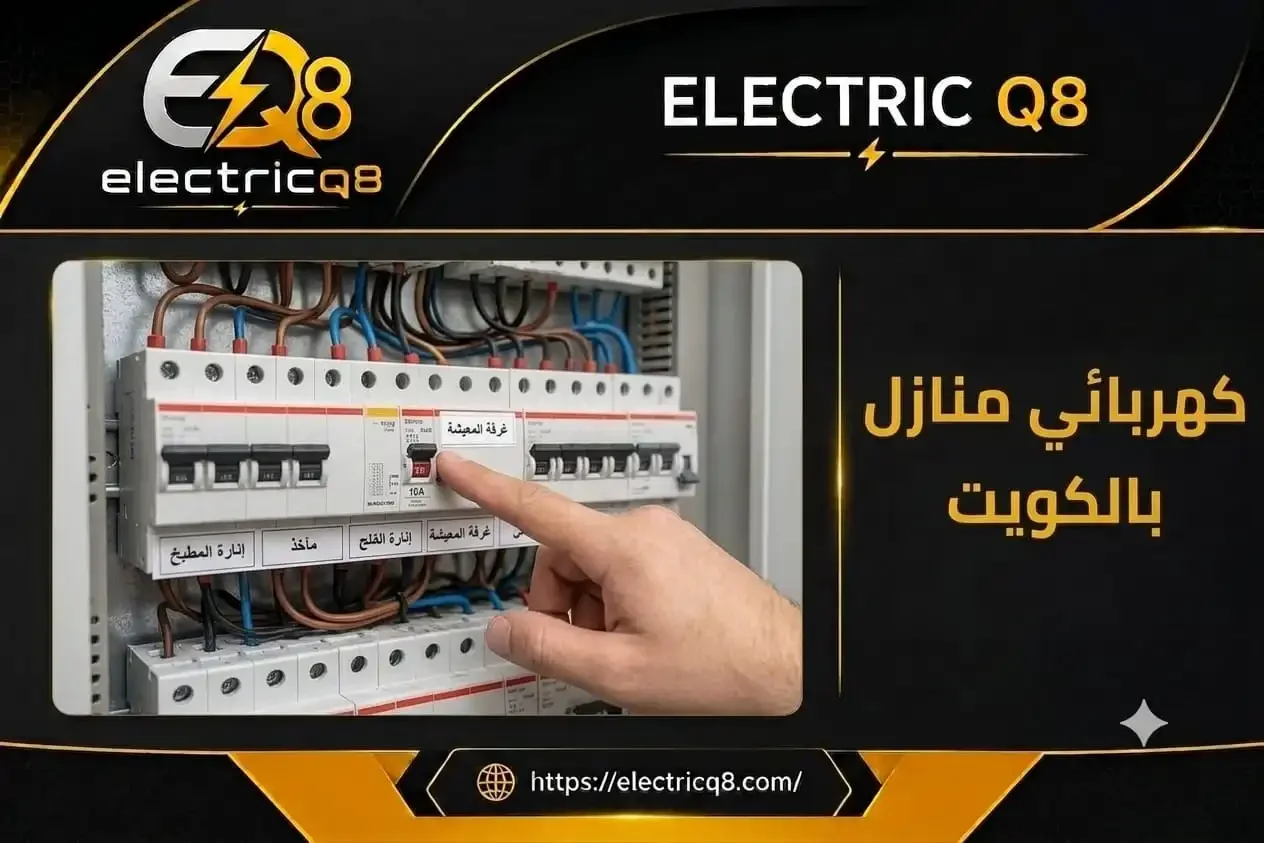
A Home Electrical Inspection in Kuwait is an essential step before purchasing a property after experiencing repeated electrical faults or when the wiring has been in place for many years without proper review. A good inspection does not stop at testing switches or confirming that the lights work. It includes electrical panels circuit breakers wiring grounding high-load points and safety tests that reveal hidden problems. Many faults begin with slight overheating voltage drops or loose connections and then develop over time into repeated tripping burning damage or a direct risk to appliances and residents. A professional inspection therefore helps identify the true condition of the electrical network and supports a clear decision about repairs or upgrades before a larger problem occurs.
Home Electrical Inspection in Kuwait
A Home Electrical Inspection in Kuwait begins by collecting accurate information about the age of the property previous electrical faults the appliances used inside the home and the times when the problem usually appears. This first step is important because every home requires a different inspection approach. An older property that has been modified several times needs a different method from a newly built home where the problem appears only when air conditioners or water heaters are operating. Electrical additions carried out by different technicians over many years may also create unclear circuits or poorly balanced loads.
The main distribution panel and any subpanels are then inspected to verify the condition of the breakers connection quality cleanliness of the terminals and the absence of heat damage wire discoloration or burning odors. Outlets switches and power points serving high-consumption appliances such as ovens water heaters air conditioners and washing machines are also examined. A professional inspection does not depend on visual observation alone. It includes voltage current insulation and grounding continuity measurements according to the network condition and the type of fault being investigated.
In many real residential cases the source of the problem is located far from the place where the symptom appears. A room breaker may trip because of a weak connection inside a concealed junction box or an outlet may overheat because too many appliances share the same circuit. The true value of inspection lies in calmly tracing the electrical network and linking the symptoms to actual measurements instead of replacing parts randomly. This method lowers repair costs and prevents temporary fixes that allow the same problem to return after only a few days.
-
A proper inspection begins by understanding the history of the electrical network and previous faults before opening panels or using test instruments.
-
Reviewing loads and connection points reveals problems that do not appear when lighting alone is switched on.
-
Diagnosis based on measurements prevents the replacement of functional components and avoids hiding the real cause of the fault.
Detecting Home Electrical Faults
Detecting Home Electrical Faults requires an organized approach because similar symptoms may result from completely different causes. A tripping breaker may be caused by a short circuit current leakage excessive load a weak breaker or a faulty appliance. Dim lighting may result from voltage drop a loose connection or an overloaded circuit. For this reason it is not correct to diagnose an electrical problem from one complaint or from the area where the symptom first appears.
The detection process begins by isolating circuits and testing them gradually to identify the affected section accurately. Appliances that may be causing the fault are disconnected and voltage current and breaker behavior are monitored during operation. In certain cases insulation testing is used to identify leakage inside a cable moisture at a connection point or damage along one of the wiring routes. When the problem is intermittent special attention is given to the time and conditions in which it appears such as operating a particular appliance increased evening load or running several high-consumption devices at the same time.
A common mistake is replacing the circuit breaker immediately simply because it keeps tripping without confirming the actual cause. The new breaker may trip again if the load remains excessive and the situation may become more dangerous if a breaker with a higher rating than the cable capacity is installed. A professional electrician explains the measurement results and compares them with the circuit capacity cable size and connected appliances. The objective is not only to restore power quickly but to prevent the same fault from returning and to protect the wiring from damage.
-
Tripping sparks and voltage weakness may have different causes even when the symptoms appear similar to the homeowner.
-
Isolating and testing circuits step by step helps identify the fault without unnecessary breaking or wide-area guessing.
-
A breaker should never be replaced or upgraded before confirming the cable capacity and the actual reason for the fault.
Inspecting the Home Electrical Network
Inspecting the Home Electrical Network means evaluating the entire system from the incoming power supply to the final switch or outlet inside the property. This type of inspection is suitable for older homes renovated properties and houses experiencing problems in more than one area. It is also useful before buying a property because attractive decoration does not always reveal the condition of concealed wiring the quality of the electrical panel or the effectiveness of the grounding system behind the walls.
The inspection includes reviewing circuit distribution the number of points connected to each breaker the types of loads on every circuit and the cable sizes used. Dedicated circuits serving air conditioners water heaters ovens and other large appliances are checked to confirm that they are properly separated and rated for the required load. Phase balance is also examined in homes supplied by three-phase power because an uneven load can create voltage drops increase current on one phase and reduce the stability of connected appliances.
Grounding quality and current leakage protection are also evaluated because the presence of a main breaker does not mean that the entire protection system is complete. Some homes contain old wiring without an effective grounding path while others include modified points that were connected incorrectly. One real example involved a home where all appliances appeared to operate normally but the washing machine body produced a slight electric sensation. Inspection revealed poor grounding together with minor leakage from the appliance. Repairing the appliance alone was not enough because the electrical network itself required correction of the protective grounding path.
-
Electrical network inspection shows whether circuits are distributed according to actual loads or are operating above their safe capacity.
-
Evaluating phase balance and grounding reveals problems that may not cause immediate tripping but still affect safety and stability.
-
A full network inspection is especially important before buying a home or after undocumented electrical renovations.
Testing Electricity in the Home
Testing Electricity in the Home is intended to confirm that the electrical network operates safely and steadily under real daily conditions rather than only during a quick inspection. Outlets and lights may appear normal when used individually but problems can develop when several powerful appliances are running at the same time. Circuits are therefore tested under suitable load while voltage current connection temperature and breaker behavior are monitored during operation. This method reveals circuits that seem stable while unloaded but begin to overheat or experience voltage drop when consumption increases.
The test also includes checking outlet polarity confirming the integrity of the neutral line and grounding path and making sure there is no abnormal voltage difference between points. In homes where lights flicker or appliances restart unexpectedly the stability of the supply is examined while air conditioners water heaters or ovens are switched on. The fault may come from a loose connection inside the electrical panel or a heavy load on a shared circuit rather than from the appliance that appears to stop working.
Residual current protection devices are also tested correctly to confirm that they can disconnect the circuit when actual leakage occurs. Pressing the built-in test button is useful but does not always replace a technical measurement when there are concerning symptoms. A professional test does not end after producing numbers because the results must be interpreted according to the age of the network cable capacity and the way electricity is used in the home every day.
-
Load testing shows how a circuit behaves while powerful appliances are operating rather than only when the circuit is empty.
-
Voltage polarity and grounding checks help identify the causes of flickering sudden shutdowns and weak electrical performance.
-
Measurement results need professional interpretation that connects the readings to the condition of cables breakers and loads.
Electrical Inspection Report
An Electrical Inspection Report provides a written and organized picture of the condition of the electrical network instead of relying on verbal comments that may be forgotten or interpreted differently. A useful report identifies the areas inspected the measurements taken the faults discovered and the level of risk associated with every observation. It also distinguishes between problems requiring immediate repair and notes that can be monitored or scheduled as part of a future upgrade. This arrangement helps the homeowner make realistic decisions according to priority and budget.
The report is especially important before purchasing or renting a home and after major renovation work. A property may appear fully prepared from the outside while still requiring a panel upgrade separate air conditioning circuits or corrected grounding. A clear report gives the buyer a technical basis for negotiation and helps estimate repair costs before completing the transaction. It also allows the owner to track completed repairs and compare the condition of the network between one visit and another.
The report should include photographs when needed and clearly identify the exact location and description of each issue without using general phrases such as the electricity is old or the panel needs attention. Every note should be specific and actionable. Examples include overheating at a particular breaker lack of leakage protection on bathroom circuits or several powerful appliances connected to one line. This transforms the report from a formal document into a practical repair plan.
-
The report explains the condition of every inspected section and ranks observations according to risk level.
-
Before purchase the report helps estimate necessary repairs and costs instead of relying only on the visible condition of the property.
-
Recommendations become useful when they clearly identify the location cause and proposed solution.
Home Inspection Electrician
A Home Inspection Electrician needs strong diagnostic experience rather than installation skills alone. Inspection requires reading symptoms linking them to the history of the property using suitable testing instruments and interpreting the results without rushing to conclusions. A professional electrician does not begin by replacing components. Instead the technician asks when the fault occurs which appliances are operating and whether earlier modifications have been made to the network. These details save considerable time and direct the inspection toward the most likely causes.
The electrician must also be able to work with both older and newer properties because each type presents different challenges. In older homes faults are often related to aging wires or numerous undocumented additions. In newer homes the problem may come from poor circuit distribution a weak point in the installation or a mismatch between the load and the breaker. The technician must know when a simple repair is sufficient and when replacing part of the network is safer than carrying out a temporary correction.
Clear communication is another essential factor. The homeowner needs to understand the cause of the problem whether it represents a serious risk what repair options are available and which work should be completed first. A trustworthy electrician explains the result in simple language and provides real measurements or visible evidence instead of using fear or unclear technical terms. This transparency gives the customer greater confidence and reduces unnecessary decisions.
-
A qualified inspection electrician depends on questions and measurements before recommending any replacement or modification.
-
Diagnostic methods differ between older homes and modern buildings according to the condition of the electrical system.
-
A reliable electrician explains the risk level and available solutions clearly while supporting every recommendation with actual findings.
Inspecting Electrical Wiring
Inspecting Electrical Wiring focuses on the condition of cables their routes connection points and suitability for current electrical loads. The way a home uses electricity often changes over time as additional air conditioners ovens water heaters or high-consumption appliances are installed on circuits that were not designed for them. These additions may continue operating for a period without an obvious problem but repeated heating gradually damages insulation and increases the possibility of failure. It is therefore not enough to confirm that electricity reaches the point because the wiring capacity itself must also be reviewed.
Cable sizes are checked wherever possible and compared with the breaker ratings and connected loads. Junction boxes wire ends inside switches outlets and panels are inspected for looseness oxidation or heat damage. In some cases testing equipment can reveal insulation weakness without opening every section of the wall. However if the results indicate a specific route a more detailed local inspection may be required.
Common mistakes include connecting new wire to old cable using unsuitable joints or hiding connections without a protected junction box. These details may remain invisible when finishing work is completed but later become sources of repeated faults. For this reason wiring inspection is important after renovations before installing high-consumption equipment and whenever burning odors or hot outlets continue to appear.
-
The inspection determines whether the existing cables can safely support the appliances currently used by the household.
-
Reviewing connection points and insulation reveals problems that develop gradually behind walls.
-
Wiring should be inspected after modifications or before adding equipment that requires high electrical capacity.
Confirming Electrical Safety
Confirming Electrical Safety is not limited to the absence of sparks or the fact that all appliances are currently working. True electrical safety means having proper protection against overload short circuits and current leakage together with effective grounding and stable connections. A home may operate for years while missing one of these protective elements but the danger becomes clear when an appliance develops a fault water leakage occurs or cable insulation is damaged. Preventive inspection is therefore important even in homes that do not show an obvious electrical problem.
Safety begins at the distribution panel where breakers must be suitable for the cables they protect and all connections should be tight organized and free from overheating. High-risk areas such as bathrooms kitchens and outdoor points require additional attention because of moisture and water exposure. Temporary extensions exposed wires and makeshift connections should never be used as permanent power supplies. In children's rooms outlets should be checked for secure mounting and any loose or exposed parts.
Electrical safety also includes everyday user behavior. Running powerful appliances from one extension board covering adapters and ignoring repeated heat buildup all increase risk. During inspection the electrician should therefore explain both network-related observations and unsafe habits that need correction. Real protection comes from combining a safe electrical system with proper daily use.
-
Home electrical safety depends on breakers grounding and insulation rather than on uninterrupted power alone.
-
Wet areas and outdoor outlets require greater attention because of the higher possibility of current leakage.
-
Risk decreases when unsafe wiring conditions and unsafe daily habits are corrected together.
Inspecting Electrical Breakers
Inspecting Electrical Breakers is a fundamental part of home evaluation because the breaker is the first line of protection when current rises or a short circuit occurs. However simply having a breaker inside the panel does not mean it is suitable or operating correctly. Its rating may be higher than the cable capacity it may have been weakened by repeated overheating or it may be the wrong type for the circuit. For this reason its specifications must be reviewed together with the load and the wires it protects.
The inspection includes checking that the breaker is properly seated in the panel and that there are no signs of blackening melting or unusual odor. The load is measured while appliances are operating and then compared with the breaker rating. When a breaker trips repeatedly it should not automatically be considered defective because it may be responding correctly to an actual overload. On the other hand failure to trip under excessive load can represent a more dangerous condition requiring replacement or a full circuit inspection.
Residual current breakers are also reviewed to confirm that they are installed on sensitive circuits and distributed appropriately. Some homes rely on one device for the entire property which means a minor leakage problem can disconnect every area at once. Better circuit division may improve both safety and continuity of service when it is designed and installed correctly.
-
Every breaker rating is compared with the cable capacity and the load connected to the circuit.
-
Repeated tripping does not always mean the breaker is damaged because it may be protecting the system from a real overload.
-
Proper distribution of leakage protection devices improves safety and reduces total power interruption.
Complete Home Electrical Inspection
A Complete Home Electrical Inspection combines evaluation of the panel wiring outlets breakers grounding and operating loads instead of focusing on one symptom alone. This type of inspection is suitable when faults are repeated unclear or spread across several areas and when the homeowner wants reassurance before moving in or starting renovation. A complete inspection provides a connected view that helps identify the relationship between different problems instead of repairing every issue separately.
The home is divided into areas and circuits and observations and measurements are recorded for each section. Lighting outlets air conditioners water heaters kitchen circuits bathrooms and outdoor points are all reviewed. Stability is tested during operation and any noticeable difference in voltage temperature or breaker performance is investigated. When a specific appliance causes tripping it is tested under safe conditions to determine whether the fault comes from the appliance or from the electrical circuit.
The main advantage of a full inspection is the ability to create a repair plan based on priority. A serious grounding issue may require immediate correction while lower-risk observations such as an untidy panel or unlabeled circuits can be scheduled later. Instead of carrying out random changes the work begins with the repairs that protect residents and then moves toward improvements that support better efficiency and stability. This makes the cost clearer and the final result more sustainable.
-
A full inspection connects different symptoms and reveals whether several problems come from one shared cause.
-
The review covers sensitive areas and all high-consumption appliances throughout the home.
-
A priority-based repair plan allows urgent work to be completed first without unnecessary spending.
Conclusion
A Home Electrical Inspection in Kuwait gives the homeowner a clear and accurate understanding of the condition of the electrical network instead of waiting for a serious fault or relying on guesswork. Professional inspection combines visual examination measurements load testing breaker verification grounding checks and wiring evaluation. When the electrician provides a clear report explaining risk levels causes and repair options it becomes easier to organize the work and make decisions that suit the available budget. This step is especially important before buying a property after renovations and whenever repeated tripping overheating flickering or burning odors appear because it changes electrical maintenance from a delayed reaction into preventive protection that preserves residents appliances and overall power stability.
Frequently Asked Questions
When does a home need a complete electrical inspection?
A home should receive a complete electrical inspection before purchase after renovation and whenever breakers trip repeatedly or there is overheating burning odor flickering or a noticeable change in appliance performance.
Can electrical faults be inspected without breaking walls?
Yes. A large percentage of faults can be identified through measurements circuit isolation and thermal testing when required. Walls are opened only when the results indicate a specific hidden wiring route.
How long does a home electrical inspection take?
The duration depends on the size of the property the number of panels and circuits and the type of problem. A limited inspection takes less time while a complete assessment requires more detailed testing and review.
Is an inspection report necessary before buying a home?
Yes. It reveals the condition of the panel wiring grounding and electrical loads that may not appear during a normal property viewing and helps estimate repair costs before purchase.
Should a breaker be replaced if it keeps tripping?
Not always. A breaker may trip because of overload short circuit or current leakage. The cause must be identified and the circuit measured before replacing the breaker or increasing its rating.