Home Electrical Panel Inspection Kuwait
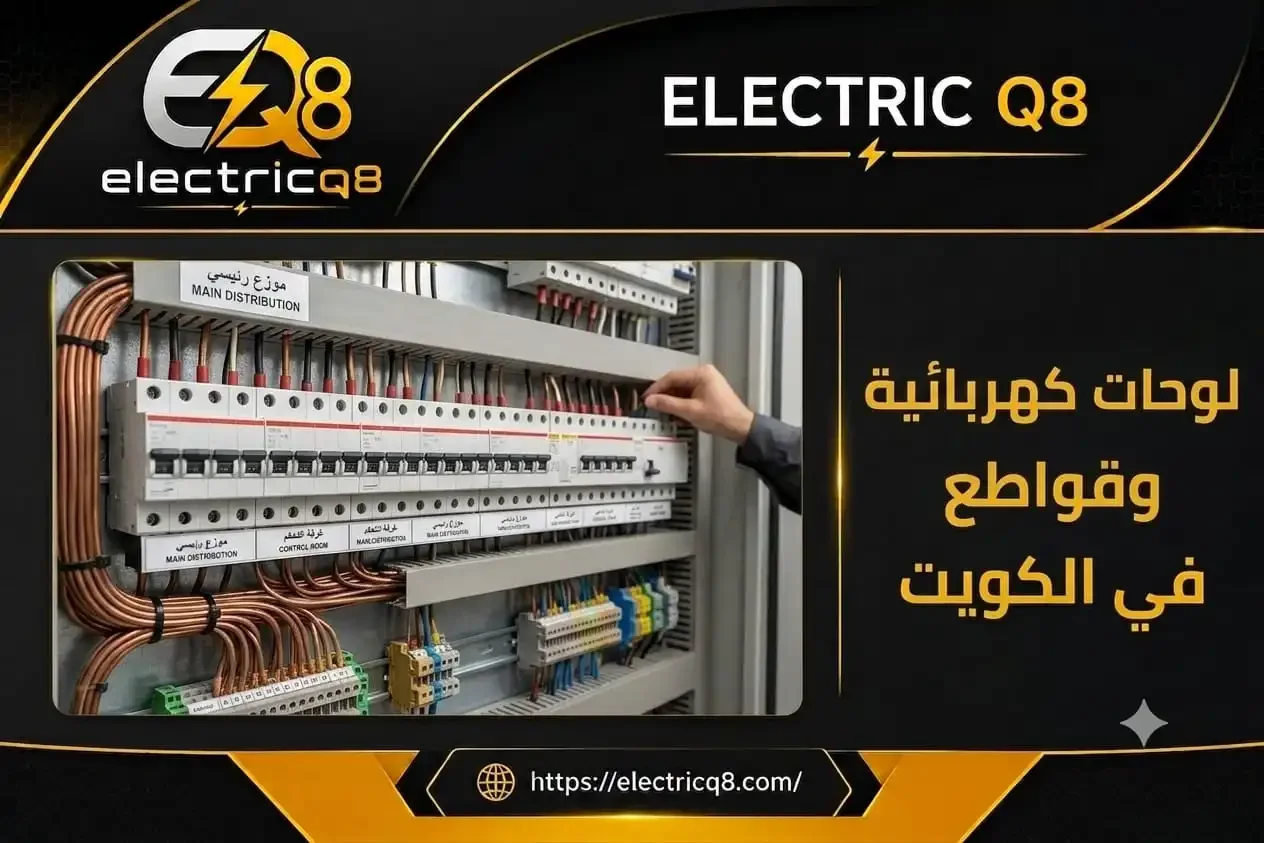
A Home Electrical Panel Inspection Kuwait is one of the most important preventive electrical services for maintaining a safe, stable, and reliable residential electrical system. An electrical panel is much more than a box containing circuit breakers. It serves as the central distribution point that delivers electricity to every circuit throughout the house. Even a minor defect inside the panel can result in power interruptions, overheated wiring, damaged electrical appliances, or, in severe cases, dangerous electrical hazards. For this reason, a professional inspection goes far beyond checking whether electricity is present or whether the breakers appear normal. It includes detailed electrical measurements, load analysis, inspection of wiring connections, and comprehensive testing of every panel component to ensure the entire electrical system operates safely, efficiently, and reliably.
Home Electrical Panel Inspection Kuwait
During a Home Electrical Panel Inspection Kuwait, the electrician first evaluates the overall condition of the electrical panel before using any testing equipment. The inspection begins by looking for visible signs of overheating, discoloration of wires, burning odors, corrosion, moisture intrusion, or physical damage that could affect the performance of the panel. Once the visual inspection is complete, the technical testing phase begins, allowing the electrician to identify hidden electrical problems that cannot be detected by sight alone.
Incoming supply voltage is measured first, followed by verification of voltage distribution across every electrical circuit. Actual electrical loads are then measured while household appliances are operating under normal conditions. Every terminal and connection inside the panel is carefully inspected to ensure it remains securely tightened because even a slightly loose connection can gradually generate excessive heat, eventually compromising the stability of the entire electrical system. Load distribution between individual circuit breakers is also analyzed to confirm that no circuit is operating beyond its intended design capacity.
Practical experience gained from inspecting residential electrical panels throughout Kuwait consistently shows that many electrical problems appearing at lighting fixtures or wall outlets actually originate inside the electrical panel itself. Routine inspections therefore allow potential issues to be discovered at an early stage before they develop into larger, more expensive electrical failures.
-
Every inspection begins with a complete evaluation of the panel's overall physical condition before electrical measurements are taken.
-
Voltage levels and electrical loads are carefully measured to verify stable power distribution throughout every circuit.
-
Hidden electrical defects are identified before they compromise the safety of the electrical system or connected household appliances.
Residential Electrical Panel Inspection
A Residential Electrical Panel Inspection involves far more than confirming that every breaker is switched on. Professional inspection includes evaluating every component responsible for safely distributing electrical power throughout the home. The electrician first verifies that all circuit breakers are properly organized and clearly labeled because poor organization frequently creates confusion during maintenance or emergency shutdown procedures.
The inspection also determines whether the existing panel configuration still matches the home's current electrical demands. Many houses have added air conditioning systems, modern kitchen appliances, electric vehicle chargers, or additional electrical equipment years after the original construction, while the electrical panel has remained unchanged. Under these circumstances, evaluating the panel becomes essential rather than routine because increasing electrical demand may require circuit redistribution or installation of additional breakers to maintain safe operation.
Practical field experience consistently demonstrates that well-organized and professionally designed electrical panels make future maintenance significantly safer, faster, and more efficient while reducing the likelihood of mistakes whenever electricians perform service work on the electrical system.
-
Every circuit breaker is inspected to ensure proper organization and accurate identification.
-
The electrical panel is evaluated to determine whether it still meets the home's present electrical demands.
-
Proper panel organization greatly improves maintenance efficiency and electrical safety.
Electrical Panel Testing
Electrical Panel Testing relies on practical measurements that evaluate panel performance under actual operating conditions rather than while the electrical system is idle. Major household electrical loads such as air conditioning systems, water heaters, and electric ovens are operated while electricians monitor voltage stability, measure current flow through individual circuits, and analyze load distribution across multiple breakers.
Circuit breaker performance is also evaluated while carrying normal electrical loads. Specialized instruments are used to detect abnormal temperature increases at electrical connections because certain problems only appear when the system is operating at full capacity. Electricians additionally verify whether abnormal voltage differences exist between separate circuits, as such conditions may indicate hidden electrical issues requiring corrective action before they begin affecting household appliances.
Field testing consistently reveals that many electrical panels appearing perfectly normal from the outside actually contain unbalanced electrical loads or deteriorating internal connections. For this reason, professional electrical testing remains one of the most effective methods for maintaining long-term electrical system reliability.
-
Electrical testing is performed while the system operates under normal household conditions to ensure accurate results.
-
Electrical loads are measured and analyzed across every circuit breaker within the panel.
-
Professional testing reveals hidden electrical defects that visual inspections alone cannot identify.
Home Circuit Breaker Inspection
A Home Circuit Breaker Inspection represents one of the most important parts of evaluating an electrical panel because circuit breakers provide the primary protection against overloads and short circuits. Professional inspection extends well beyond determining whether a breaker switches on or off. Electricians verify each breaker's current rating, mechanical condition, operational performance, and compatibility with the actual electrical load carried by its circuit. A breaker that continuously operates near its maximum rating may appear functional while gradually becoming less reliable over time.
Each breaker's rating is also compared with the conductor size connected to it because mismatched breaker ratings and cable capacities reduce the effectiveness of electrical protection. Electricians carefully inspect breaker terminals for signs of overheating, discoloration, or burning caused by poor electrical connections. When necessary, breaker performance is tested under actual operating loads to verify proper response during overload conditions.
Field experience consistently demonstrates that many electrical problems initially blamed on household appliances are actually caused by circuit breakers whose performance has deteriorated due to age or repeated operation. Routine breaker inspections therefore improve electrical safety while reducing unexpected failures.
-
Every breaker is verified to ensure its rating matches the electrical load of the protected circuit.
-
Breaker terminals are inspected for overheating and loose electrical connections.
-
Circuit breaker performance is tested under actual operating conditions whenever necessary.
Home Electrical Panel Maintenance
Home Electrical Panel Maintenance is not limited to repairing faults after they occur. Instead, it focuses heavily on preventive maintenance that preserves panel performance before problems develop. Maintenance includes tightening electrical connections, removing accumulated dust that may reduce ventilation, inspecting copper busbars, and reorganizing cables so that every component remains accessible for future maintenance.
Electricians also update circuit identification whenever renovations or electrical modifications have changed the home's wiring layout. The panel's available capacity is reviewed to confirm that it can safely support present electrical demands, particularly if additional air conditioning systems or high-power appliances have been installed since the home's original construction.
Experience gained from servicing residential properties throughout Kuwait consistently demonstrates that electrical panels receiving routine maintenance provide longer service life while significantly reducing unexpected power interruptions affecting multiple electrical circuits.
-
Preventive maintenance includes inspecting and tightening every internal electrical connection.
-
Electrical components are cleaned and organized to improve operating efficiency and simplify future maintenance.
-
Panel capacity is evaluated to determine whether it remains suitable for current and future electrical loads.
Electrical Panel Fault Detection
Electrical Panel Fault Detection depends upon analyzing symptoms together with technical measurements because electrical faults are not always immediately visible. Homeowners may report dim lighting or repeatedly tripping breakers while the actual problem originates from loose internal connections or uneven electrical load distribution inside the panel.
Professional electricians use specialized instruments to measure voltage, current, electrical continuity, and connection temperatures. Thermal testing equipment identifies overheating points that develop only during normal operation. If advanced protection systems are installed, stored fault records are reviewed to identify recurring electrical patterns and assist in determining the root cause more accurately.
Practical field experience consistently proves that correct diagnosis from the beginning reduces repair time while preventing unnecessary replacement of functional components because identifying the true source of the fault always produces more effective and longer-lasting repairs.
-
Electrical symptoms are analyzed together with technical measurements to identify the true cause of the fault.
-
Modern testing equipment detects hidden electrical problems inside the panel.
-
Accurate diagnosis reduces repair costs and shortens maintenance time.
Electrical Panel Load Measurement
Electrical Panel Load Measurement is an essential procedure for evaluating the overall performance of a home's electrical system because it reveals the actual electrical demand carried by every circuit under normal operating conditions. Rather than relying solely on theoretical calculations, electricians energize the primary household loads and measure real-time electrical performance, making it possible to identify circuits operating close to their maximum capacity.
Electrical demand is then compared across every circuit to ensure balanced load distribution that prevents excessive stress on individual breakers or cable groups. Whenever continuous overload conditions are identified, recommendations may include redistributing electrical appliances or installing additional circuits capable of supporting the home's present electrical requirements.
Practical load analysis consistently demonstrates that balanced electrical distribution improves voltage stability, minimizes unnecessary breaker trips, and extends the service life of electrical panel components.
-
Actual operating current is measured for every circuit while the home functions normally.
-
Electrical loads are compared across all circuits to achieve balanced power distribution.
-
Load measurements assist in planning future electrical expansions safely and efficiently.
Electrical Panel Inspection Technician
Selecting an experienced Electrical Panel Inspection Technician involves much more than choosing someone who owns testing instruments. Professional technicians possess the experience necessary to interpret test results while understanding the condition of the complete electrical system. Rather than simply measuring voltage or confirming that electricity is present, they begin by evaluating the home's electrical usage, identifying appliances operating simultaneously, reviewing previous electrical issues, and developing a systematic inspection strategy capable of identifying developing faults before they become major problems.
Experienced technicians use advanced diagnostic instruments to measure electrical loads, voltage differences, circuit continuity, and temperature increases at electrical connections using specialized thermal testing equipment. After completing the inspection, they provide detailed findings describing the condition of every component inside the panel while identifying items requiring immediate repair, scheduled maintenance, or future replacement. This detailed evaluation allows homeowners to make informed maintenance decisions without unnecessary expenses.
Field experience consistently demonstrates that electricians possessing genuine diagnostic expertise dramatically reduce recurring electrical failures because every repair is based upon accurate testing rather than assumptions or repeated attempts to locate the fault.
-
Professional technicians analyze testing results instead of relying only on visual observations.
-
Advanced testing equipment provides highly accurate information regarding panel condition.
-
Detailed inspection reports clearly identify priorities and recommend appropriate corrective actions.
Home Electrical Box Maintenance
Home Electrical Box Maintenance includes numerous preventive procedures designed to preserve the performance of every internal electrical component while ensuring safe long-term operation. Maintenance begins by inspecting the enclosure itself to verify structural integrity, confirming that protective covers remain secure, and ensuring that dust and moisture cannot enter the panel. Internal cable organization is then inspected to ensure conductors are neither excessively compressed nor twisted in ways that may eventually damage electrical connections.
Electricians carefully clean the interior using appropriate maintenance methods that do not damage sensitive electrical equipment. Every terminal screw and electrical connection is retightened whenever necessary because years of thermal expansion and contraction gradually loosen mechanical connections. Adequate ventilation inside the panel is also verified because excessive heat significantly shortens the operating life of breakers and other electrical components.
Practical maintenance experience throughout residential properties in Kuwait consistently demonstrates that proper care of the electrical panel prevents numerous unexpected electrical failures while improving power distribution efficiency and simplifying future inspection procedures.
-
The electrical enclosure is inspected to ensure protection against moisture and environmental conditions.
-
Internal wiring is organized while electrical connections are tightened whenever necessary.
-
Routine maintenance significantly extends the operating life of electrical panel components.
Electrical Panel Safety Testing
Electrical Panel Safety Testing represents the final stage confirming that every inspection and maintenance procedure has achieved the desired results. The complete electrical system is operated under normal household conditions while electricians continuously monitor panel performance. Voltage stability, electrical load distribution, breaker response, and connection temperatures are all evaluated to ensure the system performs safely under real operating conditions.
Every protective device within the panel is tested to verify that each circuit operates within its intended capacity without overloads or load imbalance that could compromise future reliability. If testing reveals any abnormal condition, corrective action is completed before the panel is approved for continuous operation. This final verification provides homeowners with confidence that their electrical system is fully prepared for safe daily use.
Practical experience consistently confirms that safety testing after inspection or maintenance is just as important as the repair work itself because it verifies that every component inside the panel operates together correctly while providing maximum electrical safety and long-term reliability.
-
The electrical panel is tested while carrying actual household electrical loads to ensure accurate results.
-
Every protective device is verified to ensure proper operation according to design specifications.
-
Comprehensive safety testing confirms that the panel is ready for continuous safe operation.
Conclusion
A Home Electrical Panel Inspection Kuwait should never be viewed merely as a response to electrical problems after they occur. Instead, it represents a valuable investment in the long-term safety, reliability, and efficiency of a home's electrical system. Professional inspections identify developing issues before they become serious failures while ensuring that breakers, electrical connections, wiring, and electrical loads all operate together according to proper engineering principles. When inspection and maintenance are performed by qualified electricians using modern diagnostic equipment and accurate testing procedures, unexpected electrical failures become far less likely, energy efficiency improves, and household appliances remain better protected against problems caused by deteriorating electrical panels or unbalanced electrical loads. The result is greater peace of mind and a significantly safer home for years to come.
Frequently Asked Questions
How often should a home electrical panel be inspected?
A professional inspection is generally recommended every one to two years, or immediately if circuit breakers trip repeatedly, high-power electrical equipment has been added, or a previously owned home has been purchased and the electrical system requires evaluation.
Can electrical problems be detected without opening the panel?
Some warning signs such as repeated breaker trips or unstable electrical performance may be noticed, but accurate diagnosis requires opening the panel and performing specialized electrical measurements to identify internal defects.
Is a warm electrical panel considered normal?
A slight temperature increase during normal operation may be expected. However, excessive heat, burning odors, discolored components, or signs of overheating require immediate professional inspection to determine and correct the underlying cause.
What does a home electrical panel inspection include?
A comprehensive inspection includes voltage and current measurements, breaker testing, connection inspection, electrical load analysis, protection device verification, cable evaluation, and confirmation that every circuit inside the panel is properly organized and operating safely.
When does a home electrical panel require complete maintenance?
Complete maintenance is recommended when the panel has become outdated, has been exposed to moisture or overheating, no longer supports the home's current electrical demand, or experiences recurring faults despite household electrical appliances functioning normally.