MCB Installation Kuwait
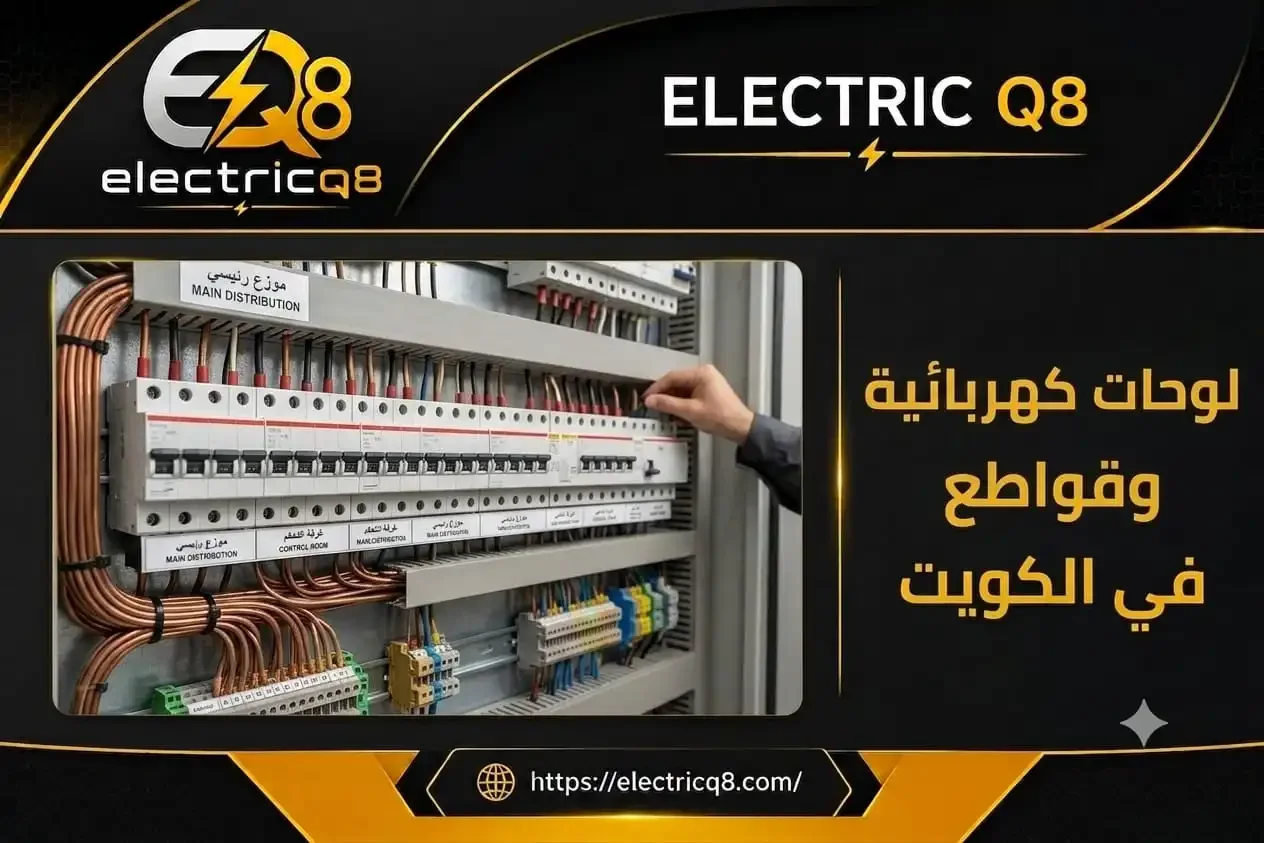
A professional MCB Installation Kuwait is one of the most important electrical services for ensuring the safety and reliability of any electrical system because the Miniature Circuit Breaker (MCB) serves as the first line of defense against overloads and short circuits that can damage appliances, overheat electrical wiring, or even cause electrical fires if left unprotected. Although an MCB appears to be a simple electrical component, selecting the correct breaker and installing it properly requires a detailed understanding of circuit capacity, cable specifications, and the nature of connected electrical loads. For this reason, professional installation involves much more than replacing an old breaker. It begins with evaluating the entire electrical system to ensure the protection scheme operates efficiently and provides the highest possible level of safety for both the property and its occupants.
MCB Installation Kuwait
Every MCB Installation Kuwait begins with a careful evaluation of the electrical circuit the breaker will protect because selecting the correct amperage is never based on guesswork or simply matching the existing breaker. In many properties, electricians discover that the previously installed MCB is no longer appropriate for the actual electrical demand. An oversized breaker may fail to disconnect the circuit when excessive current flows, while an undersized breaker may trip repeatedly during normal operation. Both situations create serious electrical risks. Professional electricians therefore calculate the actual operating load, inspect cable sizes, evaluate circuit length, and identify the types of electrical equipment connected before determining the most suitable MCB rating.
Once the correct specifications have been identified, electrical power is safely isolated before removing the existing breaker. Every electrical connection, copper busbar, and terminal inside the distribution panel is inspected for signs of overheating, oxidation, loose connections, or mechanical deterioration that could affect the performance of the replacement breaker. After installing the new MCB, every terminal is tightened according to the manufacturer's specifications, followed by comprehensive operational and load testing to verify that the breaker responds correctly under normal operating conditions without generating abnormal heat or causing unnecessary voltage drops.
Experience gained from electrical panel installation and maintenance projects throughout Kuwait consistently demonstrates that selecting the correct MCB from the beginning significantly reduces electrical failures, protects residential and industrial equipment against excessive current, and provides long-term stability for the entire electrical system.
Installing an MCB Circuit Breaker
Proper Installing an MCB Circuit Breaker requires understanding the relationship between the breaker, the electrical cable, and the connected load because these three elements function together as a complete protection system. Installing a breaker with a higher rating than the cable can safely carry may prevent the breaker from disconnecting during overload conditions, allowing wiring to overheat dangerously. Conversely, installing a breaker with an insufficient rating causes frequent nuisance tripping even when electrical equipment is operating normally, interrupting service and reducing equipment performance.
Professional electricians therefore begin by evaluating how the circuit is actually used. They determine whether it supplies lighting, electrical outlets, air conditioning systems, electric heaters, motors, or other specialized equipment because each application has unique electrical characteristics requiring an appropriate tripping curve in addition to the correct current rating. Compatibility with the distribution panel is also verified, including breaker dimensions, mounting system, and interrupting capacity to ensure reliable operation under all expected electrical conditions.
Field experience consistently demonstrates that successful installation is measured not by how quickly the breaker fits into the panel but by its ability to protect the circuit instantly whenever overloads or short circuits occur. For this reason, experienced electricians always rely on technical calculations and electrical measurements instead of assumptions or simply replacing the existing breaker with an identical model.
Replacing MCB Kuwait
Professional Replacing MCB Kuwait becomes necessary whenever the circuit breaker shows clear signs of declining performance or has reached the end of its service life. Common warning signs include repeated tripping without a clear cause, failure to disconnect during overload conditions, visible burn marks, discoloration caused by overheating, or evidence of internal mechanical wear. In other situations, the breaker itself remains functional but has become unsuitable because additional electrical equipment has increased the circuit load beyond its original design capacity.
Before deciding to replace the breaker, experienced electricians perform a complete diagnostic evaluation that includes measuring the actual operating current, testing breaker performance, inspecting electrical wiring, and confirming that no short circuits or defective electrical appliances are responsible for the problem. Only after these tests confirm that the existing MCB no longer provides adequate protection is it replaced with a certified breaker that matches the electrical capacity and operational requirements of the installation.
Practical experience gained from projects completed throughout Kuwait consistently proves that replacing an MCB at the appropriate time prevents many serious electrical failures. A properly functioning circuit breaker not only maintains reliable electrical service but also protects wiring, electrical equipment, and distribution panels from damage caused by excessive current or unexpected short circuits.
Replacing an MCB Circuit Breaker
Replacing an MCB Circuit Breaker involves much more than removing the existing breaker and installing another with identical specifications because the breaker that was appropriate several years ago may no longer suit the electrical demands of a property that has expanded or changed its usage. Professional electricians therefore begin by reviewing the history of electrical faults whenever available before inspecting the entire distribution panel to determine whether replacement is necessary because of normal aging, changing electrical loads, or another hidden fault affecting the electrical circuit.
The replacement breaker is carefully selected according to cable capacity, panel specifications, and the expected short-circuit current available within the installation because all of these factors directly influence the effectiveness of electrical protection. After installation, multiple operational tests are performed while electrical loads are energized. Connection temperatures are monitored carefully to confirm there are no loose terminals or excessive resistance capable of causing future overheating.
Field experience throughout Kuwait consistently demonstrates that replacing an MCB with the correct specifications substantially improves electrical safety while preventing recurring problems commonly associated with unsuitable or low-quality circuit breakers.
MCB Circuit Breaker Maintenance
Routine MCB Circuit Breaker Maintenance forms an essential part of preventive maintenance programs for electrical distribution panels, particularly in facilities that operate continuously such as factories, offices, commercial buildings, and retail stores. Although miniature circuit breakers require relatively little maintenance compared with larger electrical equipment, regular inspection helps identify developing problems before they result in electrical failures, unexpected shutdowns, or damage to other components within the electrical system.
Maintenance procedures include verifying that every breaker remains securely mounted, inspecting electrical terminals for tightness, checking for evidence of overheating, discoloration, or burning odors, and comparing actual electrical loads with the breaker's rated capacity. Electricians also verify smooth manual operation to ensure the breaker mechanism moves freely without sticking or excessive resistance that could affect its performance during emergency conditions.
Preventive maintenance projects completed throughout Kuwait consistently demonstrate that regular MCB inspections significantly reduce unexpected electrical failures while identifying overloaded circuits and loose electrical connections before they develop into costly repairs. This proactive approach extends the service life of the complete electrical system while improving long-term operational reliability.
Installing Multiple MCB Breakers
Professional Installing Multiple MCB Breakers within a distribution panel requires careful planning to ensure every electrical circuit receives appropriate protection. Breakers are never selected using identical current ratings for every circuit. Instead, each MCB is chosen specifically according to the electrical load it protects, whether the circuit supplies lighting, electrical outlets, air conditioning equipment, heating systems, or heavy-duty electrical machinery.
Electricians also organize breaker placement inside the distribution panel to simplify future maintenance procedures. Every circuit is clearly labeled and documented so faults can be identified quickly whenever maintenance becomes necessary. Compatibility between each breaker and the panel itself is verified carefully, including interrupting capacity and electrical coordination because the effectiveness of the entire protection system depends upon every component working together rather than on breaker quality alone.
Projects completed throughout Kuwait consistently demonstrate that well-organized distribution panels simplify maintenance, reduce repair times, and minimize the possibility of electrical faults affecting multiple circuits simultaneously.
MCB Installation Technician
Choosing an experienced MCB Installation Technician is one of the most important factors in achieving reliable electrical protection because installing a circuit breaker requires technical knowledge extending far beyond connecting electrical wires. Professional technicians begin by understanding the characteristics of the electrical circuit, calculating operating loads, selecting the appropriate breaker, and verifying compatibility with both the electrical cable and the distribution panel before installation begins.
Advanced electrical testing equipment is then used to measure voltage, current, and circuit continuity while confirming that the breaker operates correctly under actual working conditions. If problems involving electrical wiring, connected loads, or the distribution panel are discovered, these issues are corrected before installing the new breaker to prevent recurring electrical faults after completion.
Practical experience throughout Kuwait consistently demonstrates that hiring a qualified MCB technician saves considerable future repair costs because accurate diagnosis and professional installation eliminate many recurring electrical problems while ensuring the protection system continues operating reliably for many years.
MCB Circuit Protection
Reliable MCB Circuit Protection plays a critical role in maintaining the safety of any electrical installation because the purpose of an MCB extends far beyond disconnecting electrical current during a fault. Its primary function is protecting cables, electrical appliances, and distribution panels against overloads and short circuits. Whenever electrical current exceeds safe operating limits, the breaker responds within a precisely engineered time period, disconnecting the circuit before excessive temperatures can damage cable insulation or create dangerous electrical conditions.
Selecting the correct breaker therefore requires careful analysis of actual electrical loads rather than simply considering the size of the connected equipment or the appearance of the distribution panel. Electricians also evaluate the type of circuit being protected, whether it supplies lighting, power outlets, air conditioning equipment, or industrial machinery because each application requires specific protection characteristics. Interrupting capacity is verified to ensure the breaker can safely disconnect the maximum short-circuit current expected at the installation.
Electrical projects completed throughout Kuwait consistently demonstrate that properly engineered protection systems dramatically reduce electrical failures, maintain reliable power distribution, and minimize damage resulting from unexpected electrical faults in residential, commercial, and industrial environments.
New MCB Circuit Breaker
Installing a New MCB Circuit Breaker is not simply about replacing a worn electrical component. In many situations, it represents an opportunity to improve the overall protection level of the electrical installation according to its current operating requirements. As buildings evolve over time, additional air conditioners, water heaters, electrical appliances, and commercial equipment often increase electrical demand beyond the capacity originally anticipated when the building was constructed.
Professional electricians therefore inspect the distribution panel, evaluate connected electrical loads, examine cable specifications, and select a certified breaker from a trusted manufacturer that satisfies all technical requirements. Following installation, the breaker is tested under real operating conditions while monitoring voltage stability, connection temperatures, and breaker performance to ensure reliable operation without unnecessary tripping or excessive heating.
Practical field experience throughout Kuwait consistently demonstrates that installing a certified new MCB significantly improves electrical protection, reduces the possibility of equipment damage, and provides property owners with greater confidence in the long-term reliability of their electrical systems.
Automatic MCB Installation
Professional Automatic MCB Installation provides electrical systems with rapid and reliable protection whenever overloads or short circuits occur because this type of circuit breaker is specifically designed to disconnect electrical power automatically without requiring any manual intervention. Successful installation depends upon selecting the correct breaker, establishing secure electrical connections, and ensuring that both the amperage rating and tripping characteristics match the actual operating requirements of the protected circuit.
Installation also includes organizing breaker positions inside the distribution panel, inspecting copper busbars, and verifying every electrical connection to eliminate excessive resistance that could generate heat during operation. After installation is complete, electricians perform comprehensive operational testing by energizing normal electrical loads and simulating fault conditions whenever appropriate to confirm the breaker responds rapidly and the complete protection system functions exactly as intended.
Electrical installation projects completed throughout Kuwait consistently demonstrate that professionally installed automatic MCBs substantially reduce electrical hazards, improve occupant safety, and prevent electrical faults from spreading throughout the distribution system. Proper installation therefore provides greater long-term value than simply purchasing an expensive breaker without ensuring it has been correctly selected and professionally installed.
Conclusion
Professional MCB Installation Kuwait involves far more than replacing a circuit breaker inside an electrical panel. It is a fundamental investment in protecting electrical wiring, valuable equipment, and the entire electrical system from overloads and short circuits. When the correct breaker is selected, professionally installed, and thoroughly tested afterward, the electrical protection system becomes significantly more reliable, reducing the likelihood of unexpected electrical failures. Investing in professional MCB installation ultimately delivers higher levels of electrical safety while lowering future maintenance and repair costs.
Frequently Asked Questions
What is the function of an MCB inside an electrical panel?
An MCB protects electrical circuits from overloads and short circuits by automatically disconnecting electrical power whenever current exceeds safe operating limits, protecting wiring and connected equipment from damage.
When should an MCB be replaced?
Replacement becomes necessary if the breaker trips randomly, fails to disconnect during overload conditions, shows evidence of overheating or burning, or if electrical loads have increased beyond the breaker's original design capacity.
Can a larger MCB be installed instead of the existing breaker?
No. Breaker ratings must always match the cable capacity and actual electrical load. Installing an oversized breaker may prevent proper overload protection and expose electrical wiring to dangerous overheating.
Does an MCB require regular maintenance?
Yes. Periodic inspection is recommended to verify secure electrical connections, detect overheating, confirm proper mechanical operation, and ensure the breaker continues providing reliable circuit protection.
Why should a qualified technician install an MCB?
A professional technician accurately calculates electrical loads, selects the correct breaker, inspects cables and distribution panels, and performs comprehensive testing to ensure the electrical protection system operates safely, efficiently, and reliably for many years.