New Electrical Panel Installation Kuwait
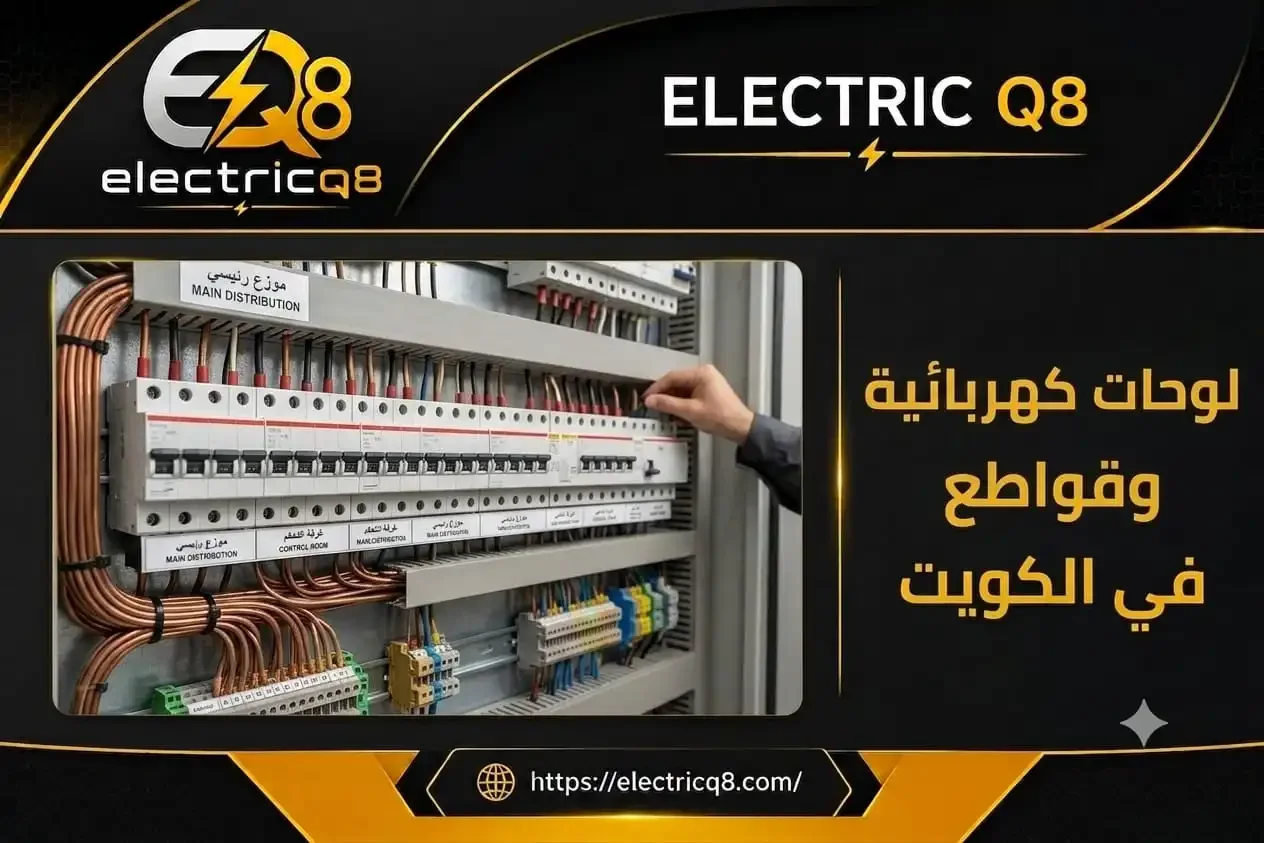
An electrical panel is the true heart of any electrical system in a home or commercial building because it is responsible for distributing electricity safely to every circuit while serving as the first line of protection against overloads and electrical faults. As modern homes continue to rely on more electrical appliances and consume higher levels of power than ever before, many older electrical panels are no longer capable of supporting today's electrical demands. This often leads to repeated breaker trips, unstable power distribution, and increased safety risks. For this reason, New Electrical Panel Installation Kuwait has become an essential service for both newly constructed homes and older properties, whether the objective is to improve electrical safety, increase distribution efficiency, or prepare the property for future electrical expansion. Professional installation always begins with a detailed assessment of current and anticipated electrical loads before selecting the appropriate panel, ensuring reliable and efficient electrical performance for many years.
New Electrical Panel Installation Kuwait
New Electrical Panel Installation Kuwait involves far more than replacing an old enclosure with a new one. It is a technical project that begins with a complete evaluation of the property's existing electrical system. Professional electricians first inspect the number of electrical circuits, the capacity of the main breaker, the size of the electrical cables, and the total electrical load connected throughout the building. Based on this assessment, they determine whether the existing panel requires a complete replacement or whether partial upgrading would be sufficient. This systematic approach prevents many future problems that commonly arise when a panel is installed without considering the property's actual electrical requirements.
Once the assessment has been completed, an electrical panel that complies with the appropriate technical specifications is selected. The electrician carefully considers both the current number of electrical circuits and the possibility of adding new circuits in the future without replacing the entire panel again. Circuit breakers are then organized so that lighting operates on independent circuits, while dedicated breakers are assigned to air conditioning systems, water heaters, electric ovens, washing machines, and other high-demand electrical appliances. This balanced load distribution significantly improves electrical stability while reducing the possibility of the entire property losing power because of a fault on a single circuit.
Practical experience from numerous electrical panel replacement projects throughout Kuwait consistently demonstrates that many recurring electrical problems are not caused by defective circuit breakers themselves but rather by poor panel design or improper load distribution. For this reason, professional installation focuses not only on the quality of the electrical panel but also on organized cable routing, clear circuit labeling, and systematic breaker identification. These details make future maintenance considerably faster and allow electricians to locate individual circuits quickly without inspecting every electrical connection inside the panel.
New Electrical Distribution Board Installation
Installing a New Electrical Distribution Board becomes essential whenever the existing electrical panel can no longer accommodate the required number of circuits or when the main breaker repeatedly trips because the electrical load has increased beyond the panel's original design capacity. In many older homes, additional air conditioning systems, electric water heaters, smart home equipment, and other modern electrical devices have been added over time without upgrading the original distribution board, creating continuous stress on aging electrical components.
The installation process begins by disconnecting the existing electrical connections in a carefully documented and organized manner. Every circuit is identified before removal to ensure accurate reconnection within the new distribution board. The electrician then thoroughly inspects the main electrical cables, replacing any conductors or connections that have deteriorated because of excessive heat or long-term use. Once installation has been completed, comprehensive electrical testing is performed to verify that every circuit operates independently and that each breaker functions correctly without unwanted interaction with other circuits.
From extensive field experience, homeowners usually notice immediate improvements after installing a new electrical distribution board. In addition to eliminating repeated breaker trips, the electrical system operates more smoothly, major appliances function with greater stability, and the main breaker no longer disconnects unexpectedly when multiple high-power devices operate simultaneously. This clearly demonstrates that replacing the distribution board represents a significant improvement to the property's overall electrical infrastructure rather than merely replacing aging equipment.
Electrical Distribution Panel Installation
The purpose of Electrical Distribution Panel Installation is to organize the flow of electrical power from the primary utility supply to every part of the building in a safe and carefully engineered manner. Modern electrical panels do much more than distribute electricity. They protect each electrical circuit independently so that if a fault develops on one circuit, only the corresponding breaker disconnects while the remainder of the property continues operating normally.
Before selecting the appropriate distribution panel, electricians calculate both the current electrical demand and any future expansion plans. These may include constructing an additional living area, installing an elevator, adding an electric vehicle charger, expanding air conditioning capacity, or incorporating other high-power electrical systems. Based on these calculations, the electrician determines the correct panel capacity, the required number of circuit breakers, and the level of electrical protection needed to ensure the entire system can support future growth without requiring another complete panel replacement.
The importance of a properly designed distribution panel becomes particularly evident during maintenance or troubleshooting. Because every circuit breaker is clearly identified and organized according to its designated electrical load, electricians can quickly isolate and diagnose individual circuits without disconnecting electricity from the entire property or conducting lengthy inspections of every electrical cable. This organized design makes modern distribution panels one of the most important safety components in today's residential and commercial electrical systems.
New Home Electrical Panel
Installing a New Home Electrical Panel becomes a practical necessity whenever an existing panel can no longer support the electrical demands of a modern household. Many older homes were originally designed with only a limited number of electrical circuits, while today's homes often include multiple air conditioning units, electric water heaters, ovens, washing machines, entertainment systems, computers, and numerous other electrical appliances operating simultaneously. As electrical demand increases, circuit breakers begin tripping repeatedly, electrical connections may overheat, and overall system reliability decreases. These are clear indications that the electrical panel requires comprehensive upgrading rather than simply replacing an individual breaker.
Before selecting a replacement panel, electricians carefully evaluate the home's actual electrical consumption while also considering future expansion plans rather than only today's requirements. Panels are selected with additional capacity that allows future electrical circuits to be added without replacing the entire system. Electricians also reorganize circuit distribution by separating lighting circuits from power outlets while providing dedicated circuits for air conditioning systems and other high-demand appliances. This balanced approach improves electrical stability and reduces unnecessary stress on the main breaker.
Experience from residential electrical projects across Kuwait demonstrates that professionally upgraded electrical panels provide significantly greater safety, easier maintenance, and much faster fault diagnosis because every circuit breaker is clearly organized and permanently identified. Homeowners also benefit from an electrical system that remains capable of supporting future electrical upgrades without requiring major reconstruction.
Main Electrical Panel Installation
Main Electrical Panel Installation is one of the most important stages in organizing the entire electrical system of a building because the main panel receives the incoming electrical supply and distributes it safely to every individual circuit throughout the property. Selecting the correct main panel involves much more than choosing the appropriate physical size. Electricians must carefully evaluate its current-carrying capacity, determine the number of circuit breakers required, and ensure that the panel provides the level of electrical protection necessary for both present and future electrical demands.
The installation process begins with a thorough assessment of the incoming electrical service provided by the utility company. Based on this evaluation, the electrician selects the appropriate main circuit breaker while ensuring that the main supply cable has the correct conductor size and current capacity. The branch circuit breakers are then arranged systematically to balance electrical loads throughout the property rather than concentrating excessive demand on one section of the panel. Every electrical connection is tightened using proper professional techniques and verified with precision testing equipment to ensure stable electrical contact and eliminate loose connections that could generate excessive heat over time.
Another important aspect of professional installation is reserving additional space inside the main electrical panel for future circuit breakers. Many homes undergo renovations or electrical upgrades years after construction, such as adding new rooms, outdoor buildings, electric vehicle charging stations, or additional air conditioning systems. Leaving expansion capacity during the initial installation significantly reduces future costs and eliminates the need to replace the entire electrical panel when these upgrades become necessary.
Electrical Panel Installation Technician
Choosing a qualified Electrical Panel Installation Technician is just as important as selecting the electrical panel itself because the quality of installation determines the long-term performance, safety, and reliability of the entire electrical system. A professional technician relies not only on practical experience but also on specialized diagnostic equipment to measure electrical loads, test insulation resistance, verify grounding performance, and inspect every electrical connection before the panel is energized for the first time.
Professional technicians also organize every electrical conductor inside the panel according to recognized installation standards, preventing cable congestion and reducing mechanical stress on connection points. Each electrical circuit is permanently labeled to simplify future maintenance, fault diagnosis, and system upgrades. Every terminal screw and connection point is tightened to the manufacturer's recommended specifications because loose electrical connections remain one of the leading causes of overheating and electrical panel damage over extended periods of operation.
An experienced technician can also identify hidden problems that may not be immediately visible during a routine inspection. These may include poorly balanced electrical loads, circuit breakers that do not match the connected cable sizes, aging electrical conductors that require replacement before connecting the new panel, or previous installation errors that could compromise long-term reliability. Choosing an experienced installation technician therefore provides homeowners with a safer, more dependable electrical system while significantly reducing the likelihood of future electrical failures.
Modern Circuit Breaker Panel Installation
Installing a Modern Circuit Breaker Panel is one of the most effective ways to improve electrical safety in residential and commercial buildings because modern electrical panels utilize advanced circuit breakers that detect overloads and electrical faults with far greater speed and accuracy than older systems. When an overload or short circuit occurs, the affected breaker disconnects the electrical supply within fractions of a second, helping protect wiring, electrical equipment, and building occupants from serious damage. In addition, every circuit receives independent protection, allowing only the affected circuit to disconnect while the remainder of the property continues operating normally.
Before installation begins, electricians determine the exact number of circuit breakers required based on the total number of electrical circuits throughout the building. Each breaker is selected according to the actual electrical load of its corresponding circuit rather than relying on general estimates. The breakers are then installed in a logical sequence beginning with the main breaker followed by the branch circuits, while electrical loads are balanced carefully throughout the panel to prevent excessive stress on any individual section. Proper load balancing improves system stability while extending the operating life of both the breakers and the electrical panel itself.
Modern circuit breaker panels also make routine maintenance considerably safer and more convenient. Individual circuits can be isolated for repairs without disconnecting electrical power to the entire building, minimizing inconvenience for homeowners and businesses alike. This advantage becomes especially valuable in large villas, commercial facilities, and multi-story buildings containing numerous independent electrical circuits.
Complete Electrical Panel Replacement
A Complete Electrical Panel Replacement is not required in every situation, but it becomes the most appropriate solution whenever the existing panel has reached the end of its service life, has suffered physical deterioration, or can no longer accommodate additional electrical circuits following renovations or property expansion. Visible signs such as discoloration caused by overheating, damaged internal wiring, corrosion, or repeated main breaker failures despite properly functioning appliances often indicate that complete replacement should be considered rather than performing temporary repairs.
The replacement process begins by safely disconnecting the electrical supply before documenting every existing electrical circuit to ensure accurate reconnection later. After removing the old panel, the new electrical panel is securely installed, and every circuit is reorganized according to modern electrical design principles that account for both current electrical demand and anticipated future expansion. Any deteriorated wiring, damaged circuit breakers, or defective electrical connections discovered during inspection are replaced as part of the project whenever necessary.
Practical experience consistently demonstrates that replacing an entire electrical panel provides an excellent opportunity to correct problems that may have accumulated over many years, including improperly added circuits, mismatched breakers, overcrowded wiring, and poor load distribution. Homeowners typically notice significantly improved electrical stability, fewer recurring faults, and much simpler maintenance following a professionally completed panel replacement.
New Electrical Box Installation
Installing a New Electrical Box involves much more than mounting a new enclosure on the wall. The location of the box must first be selected carefully so that it remains easily accessible for future maintenance while also being protected from excessive moisture, heat, dust, or other environmental conditions that could affect the performance of the electrical components inside. Professional electricians also choose an enclosure that accommodates the current number of circuit breakers while leaving sufficient space for future electrical expansion. This forward-thinking approach is frequently overlooked during basic installations but becomes extremely valuable when additional circuits are required later.
During installation, the electrical box is securely mounted to provide long-term structural stability. Incoming and outgoing electrical cables are routed through the designated cable entry points to prevent sharp bends, unnecessary mechanical stress, or damage to cable insulation over time. Every conductor is then arranged neatly inside the enclosure to improve airflow, simplify future inspections, and allow technicians to access individual breakers without disturbing adjacent wiring. Organized cable management is one of the characteristics that distinguishes professional electrical work from temporary or poorly executed installations.
The importance of a properly installed electrical box extends well beyond appearance. A high-quality enclosure protects sensitive electrical components from dust, accidental contact, and external influences while providing a safer operating environment for circuit breakers and electrical connections. When the correct enclosure is selected and installed according to professional standards, the reliability of the entire electrical system improves substantially, maintenance becomes more efficient, and the overall service life of the electrical installation is extended.
Residential Electrical Panel Upgrade
A Residential Electrical Panel Upgrade is a proactive improvement designed to enhance the performance and safety of the home's electrical system before major problems develop. In many cases, an existing electrical panel may still function, but it may no longer provide adequate protection for today's electrical demands or comply with modern safety expectations. A professional panel upgrade therefore includes inspecting every circuit breaker, testing electrical connections, replacing components that have reached the end of their service life, and reorganizing the internal layout of the panel according to current engineering standards.
The upgrade may also involve adding new circuit breakers for electrical circuits that were not included in the original installation, redistributing electrical loads to achieve better balance, replacing deteriorated wiring or connection terminals affected by long-term thermal stress, and improving overall circuit organization. Every modification is based on detailed electrical load measurements rather than assumptions, ensuring that the upgraded panel accurately reflects the property's actual electrical requirements while maintaining sufficient capacity for future expansion.
A professionally completed panel upgrade represents a long-term investment in both safety and reliability. It reduces the likelihood of unexpected electrical failures, protects expensive household appliances from electrical instability, improves overall system efficiency, and prepares the home for future technologies without requiring another complete electrical reconstruction. For these reasons, experienced electricians recommend periodic evaluation of residential electrical panels, particularly in homes that have been occupied for many years or have experienced significant increases in electrical demand after renovations or equipment upgrades.
Conclusion
The electrical panel serves as the central control point for every electrical circuit within a home or commercial building. Its design, capacity, and installation quality directly influence electrical safety, operational stability, and the long-term reliability of the entire electrical system. When a panel is properly engineered, equipped with correctly sized circuit breakers, and installed according to recognized professional standards, it significantly reduces the risk of overloads, electrical faults, overheating, and equipment damage. Conversely, relying on an outdated or undersized panel often results in recurring electrical problems that cannot be permanently solved simply by replacing an individual breaker because the underlying issue usually lies in the panel's design or load distribution.
For this reason, New Electrical Panel Installation Kuwait involves much more than replacing an old electrical enclosure. The service begins with a comprehensive assessment of the property's electrical demand, followed by selecting the appropriate panel, organizing circuit breakers according to actual electrical loads, and conducting thorough testing after installation to verify the safety and stability of every electrical circuit before the system is returned to service.
Extensive practical experience consistently demonstrates that upgrading or replacing an electrical panel at the appropriate time reduces long-term repair costs, enhances household safety, protects valuable electrical equipment, and prepares the property for future expansion without major modifications. Selecting an experienced electrician, using high-quality electrical panels that comply with recognized standards, and following professional installation procedures are therefore essential steps toward obtaining a safe, reliable, and durable electrical system that will continue serving the property efficiently for many years.
Frequently Asked Questions
When do I need to install a new electrical panel?
A new electrical panel is typically required when the existing panel can no longer support the building's electrical load, circuit breakers trip repeatedly, signs of overheating or burning appear inside the panel, or additional electrical circuits are needed because of renovations or property expansion.
Can an electrical panel be replaced without changing the existing wiring?
Yes, in many cases it can. If the existing electrical wiring remains in good condition and is properly sized for the current electrical demand, only the panel may need replacement. However, a complete inspection should always be performed beforehand to verify that the wiring complies with current safety requirements.
How long does it take to install a new electrical panel?
The installation time depends on the number of electrical circuits, the condition of the existing wiring, and the complexity of the project. For most residential properties, a complete electrical panel replacement can usually be completed within several hours after inspection, preparation, and safe disconnection of the electrical supply.
Will upgrading the electrical panel solve repeated breaker trips?
If repeated breaker trips are caused by an outdated panel, poor load distribution, or improperly matched circuit breakers, upgrading or replacing the electrical panel often resolves the problem. However, if the underlying cause is a defective appliance or damaged wiring, those issues must also be identified and repaired before the electrical system can operate reliably.
What is the difference between replacing a circuit breaker and replacing the entire electrical panel?
Replacing a circuit breaker is appropriate when only the breaker itself has failed. Complete electrical panel replacement becomes necessary when the panel is outdated, lacks sufficient capacity for additional circuits, contains deteriorated internal wiring, or no longer provides the level of electrical protection required for the property's current and future electrical demands.