Office Electrician Kuwait
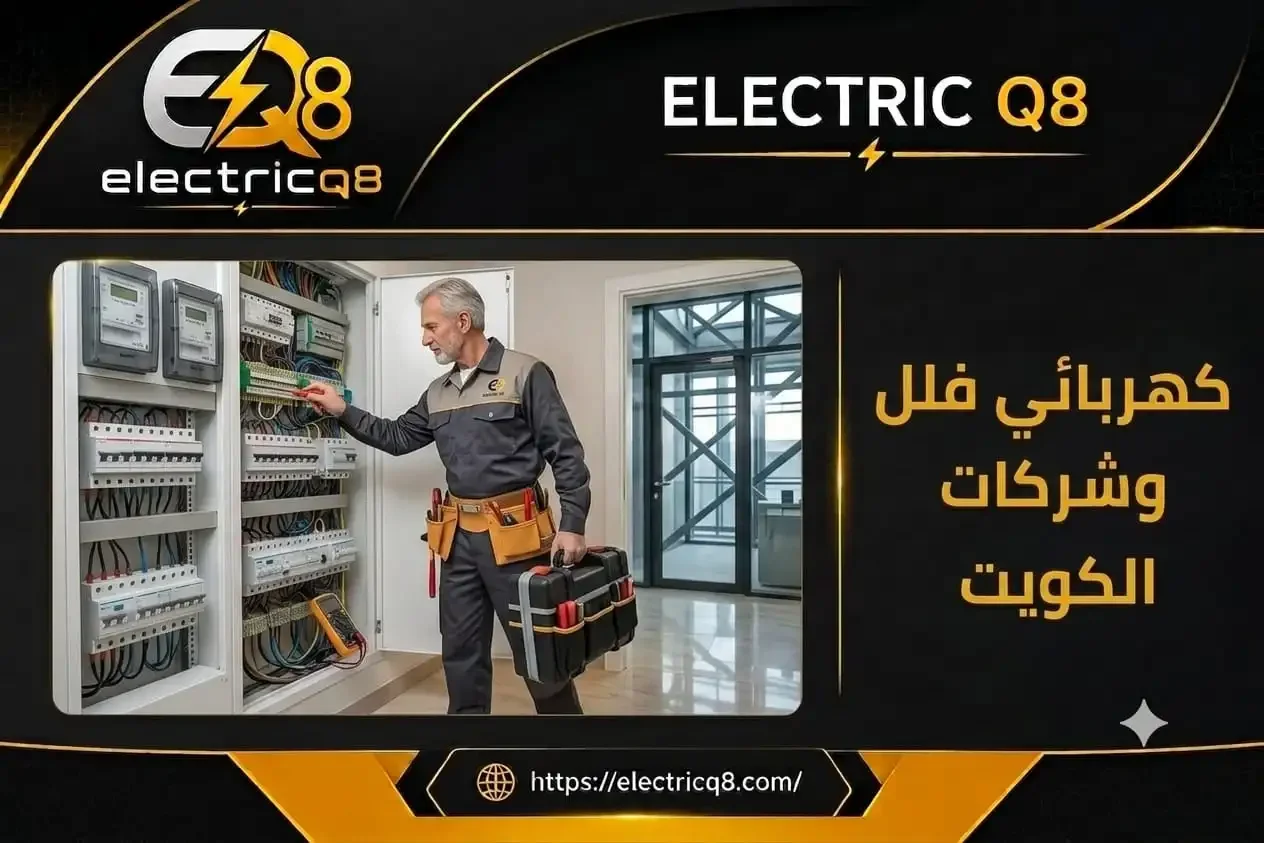
Office electrical systems are significantly different from residential installations because workplaces depend on the continuous operation of computers, servers, printers, communication systems, lighting, and air conditioning equipment. As a result, any electrical fault can immediately disrupt business operations, reduce productivity, and cause costly downtime. For this reason, hiring an Office Electrician Kuwait is not limited to repairing electrical failures after they occur. Professional office electrical services include designing electrical systems, carrying out preventive maintenance, upgrading aging installations, and ensuring stable power distribution that meets the demands of modern workplaces. Every project is planned carefully to distribute electrical loads efficiently, protect equipment, and maintain a safe and reliable working environment.
Office Electrician Kuwait
The work of an Office Electrician Kuwait begins with a detailed assessment of the office layout, the number of employees, and the electrical equipment used every day because the requirements of a small office differ greatly from those of a large corporate headquarters or a multi-story administrative building. Electrical loads are carefully evaluated, distribution panels are inspected, existing circuits are reviewed, and a comprehensive plan is developed to ensure stable electrical performance even as the business expands in the future.
A professional electrician does much more than install wiring. The electrical network is organized so that different groups of equipment operate on separate circuits whenever necessary. This approach minimizes the risk of a single fault shutting down the entire workplace. The locations of employee workstations, meeting rooms, server rooms, reception areas, and shared facilities are also considered to create a practical and efficient electrical layout that supports daily operations.
Practical experience gained from office projects across Kuwait demonstrates that careful planning of the electrical infrastructure directly improves workplace stability, significantly reduces unexpected failures, and allows future office expansions without requiring a complete redesign of the electrical system.
Office Electrical Maintenance
Office Electrical Maintenance focuses on preventing problems before they occur rather than simply repairing faults after they interrupt business operations. Even a brief power outage can result in lost data, interrupted workflows, or extended downtime that affects employee productivity. For this reason, preventive maintenance programs include regular inspections of electrical panels, circuit breakers, cables, power outlets, and overall load distribution throughout the office.
Maintenance also involves verifying grounding systems, measuring the operating temperature of electrical panels, and identifying electrical connections that may generate excessive heat during continuous operation. Whenever early warning signs are detected, corrective action is taken immediately before the issue develops into a major electrical failure capable of disrupting the entire workplace.
Real-world experience consistently shows that offices following scheduled maintenance programs experience significantly fewer electrical failures and lower emergency repair costs because minor issues are identified and corrected long before they develop into expensive system-wide problems.
Office Electrical Wiring
Professional Office Electrical Wiring requires a design that reflects the needs of today's technology-driven workplace, where employees rely on multiple computers, monitors, printers, networking equipment, and communication systems operating simultaneously. Electrical outlets are strategically positioned to provide convenient access while minimizing the use of temporary extension cords or overloaded power strips that can increase electrical loads and create unnecessary safety risks.
Dedicated electrical circuits are installed for sensitive equipment such as servers, networking hardware, and communication systems. Electricians select cable sizes and protective circuit breakers based not only on current power consumption but also on anticipated future expansion, ensuring that the electrical infrastructure remains capable of supporting business growth without requiring major reconstruction.
Experience from administrative office projects demonstrates that high-quality electrical wiring improves operational reliability, creates a safer and more organized workplace, and provides companies with greater flexibility whenever office layouts are modified or additional departments are added.
Administrative Building Electrician Kuwait
The responsibilities of an Administrative Building Electrician Kuwait extend beyond those of a standard office electrician because administrative buildings often accommodate multiple companies or departments, each with different electrical requirements. Every project begins with a thorough review of the building's electrical drawings, followed by an evaluation of both primary and secondary electrical loads to ensure balanced power distribution throughout the facility.
Electrical systems serving emergency equipment, main distribution panels, backup generators, corridor lighting, elevators, meeting rooms, and parking facilities are carefully inspected and maintained. Professional electricians also verify that every installation complies with applicable electrical safety standards because failures within administrative buildings may affect large numbers of occupants simultaneously.
Field experience has demonstrated that successful management of electrical systems within administrative buildings depends not only on rapid fault repairs but also on continuous monitoring, scheduled maintenance, and timely upgrades before aging equipment reaches the end of its operational life. This proactive approach significantly improves system reliability while minimizing unexpected disruptions.
Office Electrical Technician
A qualified Office Electrical Technician saves businesses considerable time whenever electrical work is required because experienced technicians understand the operational requirements of office environments and can perform repairs or modifications with minimal interruption to daily business activities.
Typical responsibilities include installing additional electrical outlets, relocating power points, repairing switches, correcting overload-related faults, replacing damaged wiring or circuit breakers, installing modern lighting systems, and integrating smart lighting controls whenever required. Every task is performed with careful attention to maintaining business continuity and workplace safety.
Practical experience clearly shows that hiring technicians who specialize in office environments reduces installation mistakes, shortens project completion times, and ensures that electrical work meets professional quality standards while maintaining full compliance with safety regulations.
Company and Office Electrician
Hiring a Company and Office Electrician provides businesses with comprehensive electrical solutions rather than simple fault repairs. Modern companies require reliable electrical systems capable of supporting computers, communication equipment, surveillance systems, servers, networking hardware, and air conditioning systems without interruption throughout the working day.
Every project begins with a detailed evaluation of the existing electrical installation. Weak points are identified before practical recommendations are made, including adding new electrical circuits, redistributing existing loads, upgrading distribution panels, or improving protection against overloads and electrical short circuits.
Experience gained from commercial projects consistently demonstrates that companies investing in electrical infrastructure upgrades enjoy greater operational stability, fewer interruptions affecting employees and customers, and improved overall business productivity.
Office Electrical Installation
Successful Office Electrical Installation begins with detailed planning before any construction work starts. Electricians determine the locations of employee workstations, meeting rooms, reception desks, printers, server equipment, and communication systems before designing an electrical layout that supports efficient daily operations while allowing flexibility for future office reconfiguration.
Cable sizes are selected according to the expected electrical loads of each circuit, and appropriately rated protective circuit breakers are installed to ensure long-term reliability. Additional electrical outlets are often included in strategic locations to accommodate future expansion without requiring major modifications. Wiring is concealed within walls, raised floors, or dedicated cable management systems to preserve the professional appearance of the office.
Experience from numerous office installation projects demonstrates that investing in proper planning during the initial installation phase greatly reduces future modification costs while creating an electrical system capable of supporting changing business requirements for many years.
Office Electrical Upgrades
Office Electrical Upgrades become essential whenever a business expands, hires additional employees, or introduces new equipment that places greater demands on an aging electrical system. Many offices continue operating with installations originally designed years earlier when far fewer computers, monitors, printers, servers, and electronic devices were in use. Over time, this often leads to recurring circuit breaker trips, overheating outlets, and unstable electrical performance.
The upgrade process begins with a comprehensive evaluation of the existing electrical infrastructure, comparing current power demands with the system's original design capacity. Components that no longer meet operational requirements are replaced, including outdated electrical panels, aging circuit breakers, and undersized wiring. In many situations, additional circuits are installed to distribute loads more evenly and improve overall system stability.
Practical experience consistently demonstrates that upgrading office electrical systems before major failures occur represents a valuable long-term investment. Businesses benefit from fewer unexpected interruptions, improved protection for expensive electronic equipment, and greater flexibility when expanding operations or creating new departments.
Office Lighting Maintenance
Professional Office Lighting Maintenance plays a vital role in creating a productive workplace because lighting quality directly affects employee comfort, concentration, and overall efficiency. Problems such as eye strain, poor visibility, or workplace fatigue are frequently linked to aging lighting systems, uneven illumination, or fixtures that have gradually lost their performance.
Maintenance services include inspecting every lighting fixture, replacing inefficient lamps, repairing damaged LED systems, cleaning accumulated dust that reduces light output, and measuring illumination levels throughout the office to ensure they match the requirements of various workspaces. Switches, lighting controls, and smart lighting systems are also tested to verify proper operation.
Experience from office maintenance projects has shown that upgrading and maintaining lighting systems not only improves the workplace environment but also reduces electricity consumption when older fixtures are replaced with modern energy-efficient alternatives, lowering operating costs while providing employees with a more comfortable working atmosphere.
Electrical Services for Offices
Electrical Services for Offices include a complete range of solutions, from designing new electrical systems and installing office wiring to preventive maintenance, emergency repairs, electrical panel upgrades, and modernization of aging installations to meet the requirements of today's business environments. This comprehensive approach allows companies to rely on a single professional provider for all electrical needs instead of coordinating multiple contractors.
Integrated service programs also include preventive maintenance schedules designed around the size of the office and the nature of its operations. Routine inspections are carried out during periods that minimize disruption to business activities, while detailed reports provide valuable information about the condition of the electrical system and identify any issues requiring attention before they become serious failures. This approach significantly reduces unexpected expenses while improving long-term operational reliability.
Extensive experience with office projects throughout Kuwait demonstrates that businesses relying on professional electrical services achieve greater operational stability, avoid unexpected interruptions, and better protect both employees and valuable equipment while maintaining a safe and efficient working environment.
Conclusion
Modern workplaces require stable, efficient, and safe electrical systems capable of supporting continuous business operations without interruption. Hiring an Office Electrician Kuwait is therefore essential whether establishing a new office, upgrading an existing electrical installation, performing preventive maintenance, or responding to emergency electrical failures. Careful planning, high-quality materials, and strict adherence to professional safety standards reduce electrical problems, extend the lifespan of electrical infrastructure, and create a reliable working environment that supports long-term business growth and operational success.
Frequently Asked Questions
When should an office electrical system be upgraded?
An upgrade is recommended whenever the number of employees or electrical devices increases, circuit breakers trip frequently, or outlets and electrical panels begin showing signs of overheating. These conditions usually indicate that the existing electrical system can no longer safely support current power demands.
Are office electrical systems different from residential electrical systems?
Yes. Offices operate large numbers of computers, communication equipment, networking systems, and servers for extended periods every day. As a result, they require different load distribution methods, higher reliability, and electrical systems specifically designed for continuous operation.
How often should office electrical maintenance be performed?
A complete electrical inspection is generally recommended at least once each year. However, businesses with intensive electrical usage or large numbers of electronic devices often benefit from preventive maintenance programs conducted every few months to ensure maximum reliability.
Can electrical maintenance be performed without shutting down the entire office?
In many situations, yes. Maintenance can usually be scheduled outside normal business hours or completed in carefully planned phases by isolating only the circuits being serviced, allowing the remainder of the office to continue operating normally.
What is the biggest advantage of hiring an office electrical specialist?
A specialist provides electrical solutions specifically designed for commercial workplaces, quickly identifies developing problems, improves overall system efficiency, reduces business interruptions, and protects both employees and valuable office equipment through professional planning and ongoing maintenance.