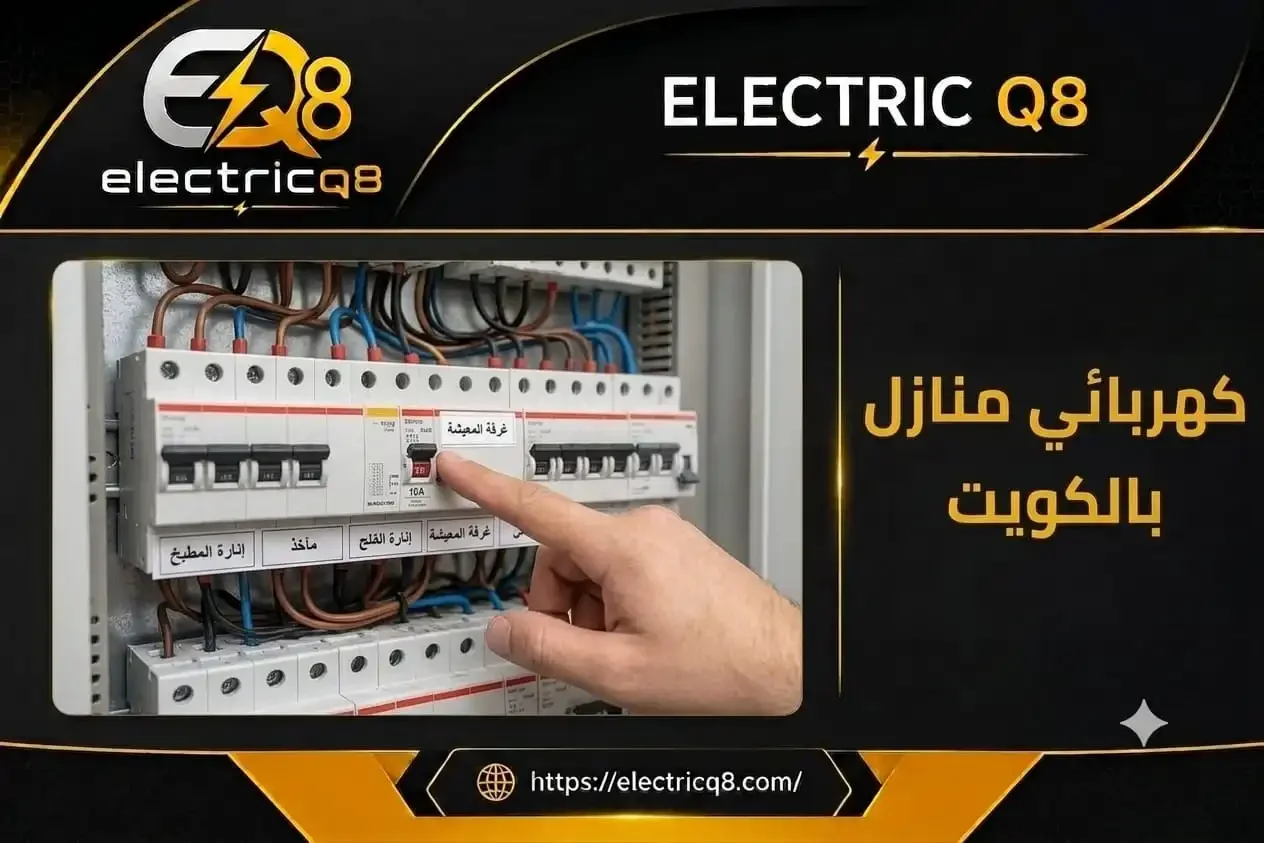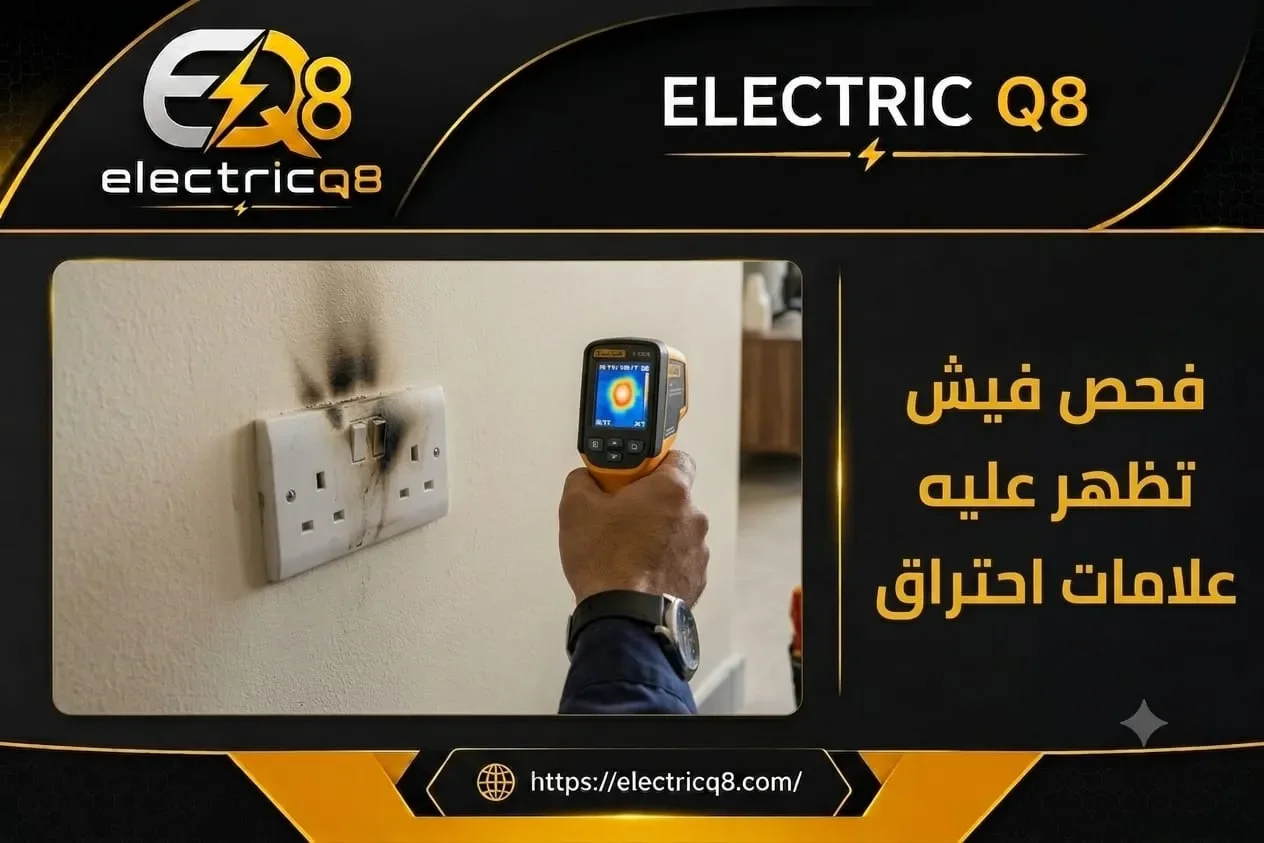
If you notice the smell of burning plastic coming from an electrical plug or outlet in your home, do not treat it as a minor problem that can wait. A burning smell can be an early warning of abnormal heat inside the outlet, a loose electrical connection, or a load that exceeds what the electrical point can safely handle. The safest response is to stop using the outlet and switch off the circuit breaker if you can reach it safely. Do not touch or dismantle an outlet while it is hot. Most importantly, the actual cause must be inspected before restoring power because replacing the external outlet alone will not solve the problem if the damage extends to the wiring or connections behind it.
Burning Smell From an Electrical Outlet in Kuwait
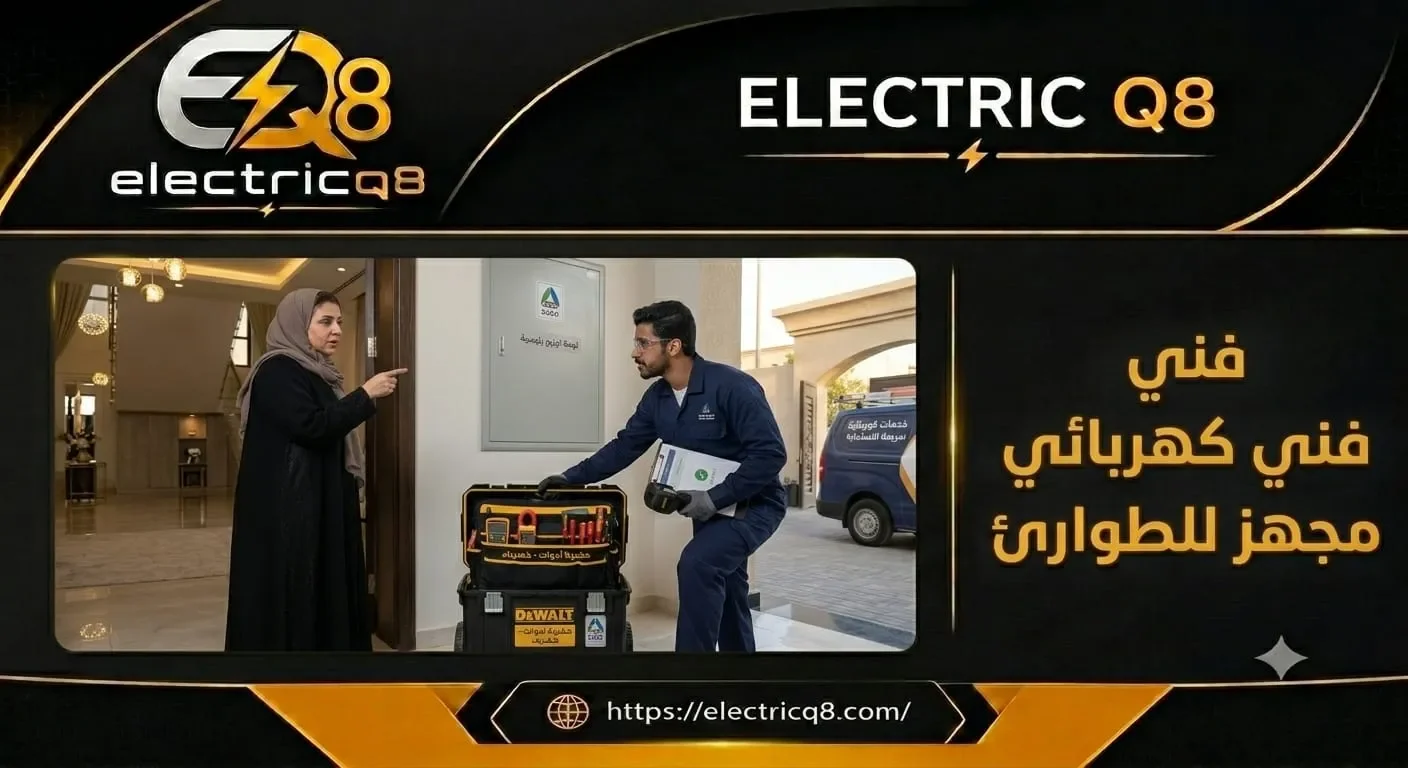
When you notice a burning smell from an electrical outlet in Kuwait, do not wait until you see smoke, black marks, or visible melting around the outlet because the smell itself may be an early warning that excessive heat is developing at an electrical connection. The first practical step is to stop using the appliance connected to that outlet and avoid plugging in another device simply to check whether the outlet still works. If conditions allow you to do so without approaching a hot or visibly damaged electrical component, switch off the breaker supplying that circuit from the electrical panel. If you do not know which breaker controls the outlet, do not attempt to dismantle the outlet or touch the internal components while trying to identify the cause.
A professional inspection starts at the apparent source of the smell and continues behind the outlet faceplate. The electrician needs to verify the tightness of the electrical connections, inspect wire terminals, look for heat damage to insulation, examine the physical condition and rating of the outlet, and determine whether the connected load is suitable. Sometimes the external surface looks completely normal while a loose connection hidden behind it generates significant heat whenever current passes through the circuit. In other situations, the problem may result from a high-demand appliance being connected to an unsuitable outlet or from prolonged use of an extension or adapter that places excessive stress on the connection.
This is where the difference between treating the visible symptom and diagnosing the actual cause becomes important. Replacing a burned outlet may be necessary, but the inspection should not stop there if heat has affected the wiring or caused damage inside the electrical box. The circuit should not be returned to normal service until the source of overheating has been identified and properly corrected to prevent the same problem from happening again.
-
Stop using the outlet as soon as you notice an unusual burning smell and never test it by connecting another appliance to see whether it still works.
-
A proper inspection requires examining the outlet after isolating the power and checking the wiring, connections, and heat damage rather than inspecting only the external faceplate.
-
Do not restore power after replacing the outlet until the actual cause of overheating has been identified and properly repaired.
Electrical Plug Burning at Home in Kuwait
If an electrical plug is burning at home in Kuwait, the problem has often developed gradually rather than appearing suddenly without warning. One possible cause is a loose electrical connection inside the outlet because increased resistance at a poor connection can generate considerable heat as current passes through it. Damage can also occur when a high-demand appliance operates from an outlet or circuit that is unsuitable for its electrical requirements. Worn internal outlet contacts may create another problem because they can prevent secure contact with the appliance plug. For these reasons, the cause should never be determined solely from the appearance or location of the burn marks.
In a home where the same outlet has been used for many years, early warning signs may include noticeable warmth, discoloration of the plastic, an unstable plug connection, or an unusual sound when the plug moves. Continuing to use the outlet under these conditions can allow heat to damage insulation, terminals, and internal components. If the outlet is simply replaced without checking the cable, electrical load, and connected appliance, the burning may happen again because the underlying problem remains unresolved. Proper diagnosis distinguishes between damage limited to the outlet and a broader issue involving the circuit or electrical load.
It is also important not to assume that installing a larger breaker will solve repeated electrical interruptions associated with the problem. Increasing breaker capacity without confirming cable size and allowable circuit load may eliminate the visible symptom of breaker tripping while exposing the wiring to current levels beyond what it was designed to carry. The correct approach is to measure, inspect, identify the source of overheating, and then select a repair that remains compatible with the circuit.
-
A burned plug or outlet may result from loose connections, poor electrical contact, or an unsuitable load, so the cause must be identified before components are replaced.
-
Blackening or heat damage around an outlet requires inspection of the wiring behind it to determine whether thermal damage has reached the insulation or conductor terminals.
-
Increasing breaker capacity is not an automatic solution because electrical protection must remain compatible with cable capacity and circuit design.
Burning Smell From an Electrical Socket in Kuwait
A burning smell from an electrical socket in Kuwait requires careful identification of the actual source because the smell of overheated plastic can spread throughout a room and make the damaged location more difficult to identify than expected. The smell may originate from the socket itself, the appliance plug, a nearby multi-outlet extension, or a cable that has become overheated. For this reason, after the electrical supply has been safely isolated, the inspection should cover all components associated with that point rather than assuming that the visible outlet is automatically the only source of the problem.
Several warning signs can help an electrician during diagnosis, including discoloration of the plastic, deformation around the outlet openings, heat marks on the appliance plug, or a plug that no longer fits securely into the socket. The problem may appear only when a particular appliance is operating because the increased load exposes an existing weakness in the connection. On the other hand, if the smell appears even when the usual appliance is not operating, the inspection may need to extend farther into the circuit and connected electrical points. The objective is not simply to eliminate the smell but to determine exactly where the heat originated and why it developed.
Important mistakes should also be avoided. Never spray cleaning products into the outlet, attempt to cool it with water, or move electrical wiring while the circuit remains energized. Covering the smell with an air freshener and waiting for it to disappear is equally unsafe because a reduction in odor after disconnecting the load does not mean the damage has disappeared. If insulation has been overheated or electrical terminals have become carbonized, restoring power without proper repairs may cause the overheating to return. A detailed inspection after electrical isolation determines whether the outlet alone requires replacement or whether damaged wiring must also be repaired.
-
Identify the source of the smell after isolating the electrical supply because the problem may originate from the socket, appliance plug, connected extension, or another associated component.
-
Discoloration, deformed plastic, and a loose-fitting plug are warning signs that justify an internal inspection even when the outlet can still power an appliance.
-
The disappearance of the smell after disconnecting the appliance does not prove the outlet is safe because heat damage may remain inside the electrical connections.
Electrical Outlet Hot With a Burning Smell in Kuwait
If an electrical outlet is hot with a burning smell in Kuwait, the combination of heat and odor provides an even stronger reason to stop using the electrical point immediately rather than treating the temperature increase as normal. Certain high-demand appliances may cause a plug to become slightly warm during operation, but noticeable heat, the smell of burning plastic, or discoloration around the outlet should never be considered normal. Possible causes include poor contact between the plug and outlet, a loose electrical terminal, excessive electrical demand, or previous damage that has increased resistance and generated additional heat.
The problem should not be diagnosed by repeatedly touching the outlet because the surface may be hotter than expected and damaged components may exist behind the cover. Once the circuit has been safely isolated, the electrician can inspect the outlet, appliance plug, connected equipment, and conductors inside the electrical box. The actual operating load can also be measured and compared with the capacity of the circuit to verify that the cable, breaker, and connection point are suitable for the application.
If overheating occurs only when one particular appliance operates, it should not automatically be assumed that the outlet alone is responsible. The appliance plug or power cable may be damaged, or its electrical demand may be unsuitable for the outlet being used. The correct repair therefore depends on evaluating the entire load path rather than replacing only the most visibly affected component and reconnecting the same appliance under unchanged conditions.
-
Noticeable heat combined with a burning smell requires immediate discontinuation of outlet use and circuit isolation whenever this can be done safely.
-
The outlet, appliance plug, wiring, and actual electrical load should be inspected together to accurately identify the source of overheating.
-
Never resume using an outlet simply because it has cooled after disconnecting the appliance because the cause of overheating may still remain inside the connection.
Cause of a Burned Electrical Outlet at Home

Determining the cause of a burned electrical outlet at home requires proper diagnosis because several different electrical problems can produce similar blackening, melting, or heat damage. One common cause is poor electrical contact between the metal components of the outlet and the appliance plug, which increases resistance at the connection and generates heat while current is flowing. Loose wiring connections behind the outlet can also create localized overheating even when the connected appliance operates within the normal capacity of the circuit. Continued use may eventually damage insulation, discolor the plastic, and produce a noticeable burning smell.
The cause may also be related to how the electrical point is being used. Operating high-powered appliances through unsuitable adapters or multi-outlet extensions can place excessive thermal stress on a single connection. An older outlet with worn internal contacts may also require replacement if it can no longer hold the plug securely. In some situations, electrical loads are distributed poorly across the circuit and heat damage appears at the weakest connection point.
There is therefore no single explanation that applies to every burned outlet. The electrician needs to identify where the damage began, evaluate appliance demand, inspect connections, measure the electrical load, and verify that the protective devices remain suitable for the circuit. Identifying the actual cause is essential because replacing the damaged outlet without correcting the condition that caused the overheating may allow the new outlet to suffer the same failure later.
-
Loose electrical contact or weak connections can generate localized heat even when the connected appliance does not appear to have a fault.
-
Operating high-demand equipment through unsuitable adapters or extensions increases the risk of overheating at electrical connection points.
-
Identifying the actual cause before completing repairs prevents repeated burning and protects both the replacement outlet and connected wiring.
Repairing a Burned Electrical Outlet in Kuwait
Repairing a burned electrical outlet in Kuwait begins by isolating the circuit and confirming that no electrical supply remains before dismantling the outlet or touching internal wiring. The extent of the damage must then be assessed to determine whether it is limited to the outlet body or has reached wire terminals, insulation, conductors, or the electrical box behind it. This assessment is important because an outlet showing clear burn damage should not simply be cleaned and reused if its internal components have lost their integrity or become deformed by heat.
When damage is limited, defective components are replaced and wire ends are properly prepared while ensuring that no carbonized material or damaged insulation remains at the connection point. If heat has affected part of the cable, the electrician must address the damaged section according to its actual condition rather than connecting a new outlet directly to a conductor that has already suffered thermal damage. The appliance plug and equipment previously connected to the outlet should also be inspected whenever there is evidence that they may have contributed to the failure.
After completing the repair, the next step should not simply be switching the appliance back on. The electrical point needs to be tested to confirm secure connections and verify that abnormal heating does not return under appropriate operating conditions. This approach ensures that the repair addresses both the visible damage and its underlying cause rather than merely replacing a damaged component.
-
Safe repair begins by isolating electrical power and determining whether heat damage has reached the wiring and components behind the outlet.
-
Thermally damaged components should be replaced rather than reused simply because they are still capable of conducting electricity.
-
Testing the outlet after repair under appropriate operating conditions helps confirm that the original cause of overheating has been eliminated.
Electrician to Inspect a Burned Outlet in Kuwait
When you need an electrician to inspect a burned outlet in Kuwait, the most important requirement is a structured diagnosis rather than immediate outlet replacement as soon as the technician arrives. A qualified electrician begins by asking when the smell appeared, which appliance was operating, and whether breaker tripping, flickering, unusual sounds, or other warning signs occurred before the problem. These details help narrow down possible causes before the circuit is isolated and the electrical point is safely inspected.
The inspection includes examining the inside of the outlet, wire terminals, insulation condition, and the security of electrical connections. The appliance or plug associated with the problem may also need to be checked, and the electrical load can be measured when excessive demand is suspected. Appropriate testing equipment provides more reliable information than visual inspection alone, particularly when internal damage is more serious than the external marks suggest.
A good inspection should also include a clear explanation of what caused the problem, which components require replacement, and why the recommended work is necessary. If damage is limited to a specific point, there is no reason to expand the repair without technical evidence. However, if signs indicate a circuit-level problem, simply replacing the outlet would be inadequate. This diagnostic approach provides a more accurate repair while reducing the likelihood that burning smells or overheating will return.
-
A qualified electrician gathers information about the conditions surrounding the problem before dismantling and inspecting the outlet.
-
A complete inspection evaluates electrical connections, load conditions, and the connected appliance whenever evidence indicates that these factors may be involved.
-
Clear diagnosis defines the actual repair scope and prevents both unnecessary replacement of healthy components and failure to correct the underlying problem.
Burned Electrical Socket at Home in Kuwait
A burned electrical socket at home in Kuwait may begin with minor warning signs and gradually become more serious if the electrical point continues to be used. Sometimes the first indication is slight discoloration around the socket openings or a plug that no longer fits as securely as it once did. Heat and a burning smell may then develop. Ignoring these signs allows current to continue passing through a connection with potentially increased resistance, generating additional heat and gradually damaging plastic, insulation, terminals, and other internal components.
The extent of damage varies considerably between cases. Burning may remain limited to the surface of the outlet or a single contact point, while in more serious situations heat reaches the cable terminals and conductors inside the electrical box. The required repair therefore cannot be determined from the external appearance alone. After isolating the circuit, the electrician needs to open the electrical point and determine whether surrounding connections remain intact or have also suffered thermal damage.
The way the outlet will be used after repair should also be reviewed. If an electrical point originally intended for ordinary loads has been used continuously with a high-demand appliance, the circuit serving that appliance may need to be evaluated instead of recreating the same operating conditions after replacement. A successful repair does more than restore power to the outlet; it ensures that future use remains compatible with the actual capacity of the electrical system.
-
Small burn marks do not necessarily indicate superficial damage because heat may extend into components hidden behind the outlet faceplate.
-
The extent of thermal damage should be determined after electrical isolation before deciding whether outlet replacement alone is sufficient.
-
Reviewing the type of electrical load connected to the outlet is an important part of preventing the same problem from returning after repair.
Danger of a Burning Electrical Smell at Home
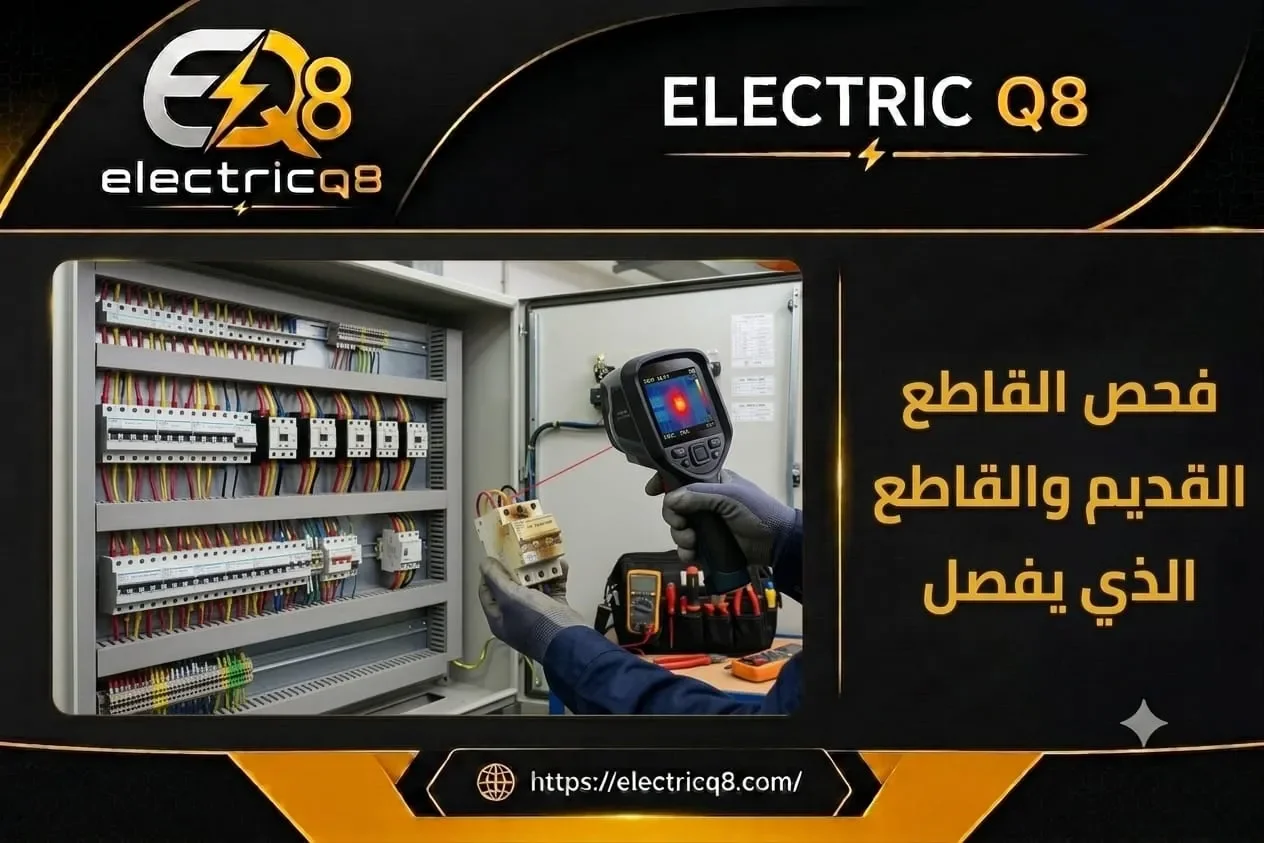
The danger of a burning electrical smell at home is that it can appear before the electrical damage becomes visible. An overheated connection or deteriorating section of insulation may produce a noticeable odor before smoke or flames appear, making an unusual electrical smell an important early warning sign. Waiting to see whether the smell disappears by itself is not appropriate, particularly when it appears close to an outlet, switch, electrical panel, or other electrical component.
When a burning smell appears, stay away from the affected component, stop using nearby appliances, and switch off the relevant circuit breaker when this can be done safely. If there are sparks, smoke, severe heat, or visible signs of fire, do not approach the electrical point or attempt to dismantle it. If an actual fire has started, the priority is to move to a safe location and contact the appropriate emergency services rather than attempting an electrical repair.
It is also important to understand that restoring the breaker after the smell disappears may immediately recreate the hazardous condition if the underlying cause remains unresolved. The source of the odor should therefore be professionally inspected before the electrical point is returned to service. This simple precaution can make the difference between addressing an early warning sign and allowing a developing fault to cause significantly greater damage.
-
An electrical burning smell is a warning sign even when no smoke or visible flame is present at that moment.
-
If smoke, sparks, severe heat, or fire appears, prioritize moving away from the hazard rather than attempting to dismantle electrical components.
-
Do not restore the circuit simply because the smell has disappeared because the internal problem may return as soon as current begins flowing again.
Replacing a Burned Electrical Outlet in Kuwait
Replacing a burned electrical outlet in Kuwait requires more than purchasing a new socket and installing it where the old one was located. The specifications of the electrical point and the type of load connected to it must first be evaluated so that the replacement outlet is appropriate for the intended use. The wiring behind the outlet must also be inspected because connecting a new component to heat-damaged terminals or conductors can create another weak connection and cause overheating to return.
During replacement, the damaged outlet is removed only after the electrical supply has been isolated and the conductors have been checked for safety. Connection points are then properly prepared to ensure secure electrical contact without exposed, damaged, or carbonized sections. If the electrical box or mounting components have been deformed by heat, those parts also need attention so the replacement unit can be installed securely. The appliance plug and connected equipment should also be inspected when evidence suggests they may have contributed to the original failure.
The most important decision after replacement is confirming that the outlet is suitable for the way it will continue to be used. If the appliance requires a dedicated circuit or the original failure resulted from an unsuitable electrical load, installing a new outlet cannot be considered the final solution. Professional replacement concludes with operational testing to verify stable performance and ensure that abnormal heat does not return.
-
The replacement outlet should match the actual application and electrical circuit rather than being selected only because it resembles the old unit.
-
Wire terminals and the electrical box should be inspected before installing the replacement so that previously heat-damaged components are not left in service.
-
Successful replacement is confirmed by eliminating the source of overheating and achieving stable operation rather than simply restoring electricity to the outlet.
Conclusion
A burning smell from an electrical outlet in Kuwait requires a quick and careful response that begins by stopping use of the affected point and isolating its circuit whenever this can be done safely. The problem may originate from the outlet, wiring connections, appliance plug, or electrical load, which is why replacing the visibly burned component without complete diagnosis can allow the fault to return. A proper inspection evaluates heat damage, wiring, terminals, connection quality, and the type of load before determining the correct repair. If the burning smell is accompanied by smoke, sparks, severe heat, or visible fire, the priority should always be to move away from the hazard and treat the situation as an electrical emergency.
Frequently Asked Questions
What should I do if I smell burning from an electrical outlet?
Stop using the outlet immediately and do not connect another appliance to it. Switch off the circuit breaker if you can do so safely and have the electrical point inspected before restoring power.
Can I use the outlet again if the burning smell disappears?
It should not be used again before inspection because the disappearance of the smell after power is removed does not confirm that the internal wiring and electrical connections are safe. Overheating may return as soon as the outlet carries a load again.
Why can an outlet burn even if the circuit breaker does not trip?
Localized overheating can develop because of poor electrical contact or a loose connection without the total current reaching the level required to trip the breaker. This is why the damaged connection itself must be inspected.
Is replacing the burned outlet alone enough?
It may be enough only when inspection confirms that the damage is limited to the outlet and that the wiring, electrical load, and surrounding connections remain safe. Thermal damage behind the outlet requires additional repair.
When does a burning electrical smell become an emergency?
If the smell is accompanied by smoke, sparks, severe heat, visible flames, or a rapidly worsening hazard, move away from the electrical source, do not attempt to dismantle any component, and contact the appropriate emergency services if there is a fire.