If you have noticed that your store's equipment suddenly shuts down, motors no longer operate at their usual performance levels, or certain machines stop working during busy periods, the problem may be related to the three-phase electrical supply. Weak three-phase power in your store is not a minor electrical issue that can necessarily be solved by replacing a circuit breaker or repeatedly restarting equipment. Sometimes the cause is a voltage drop in one phase, a missing phase, a defective electrical connection, or a fault within the equipment itself.
The correct solution begins with inspecting the phase voltages and identifying the source of the problem before replacing any components.
At ElectricQ8 – 24-Hour Electrician in Kuwait | Electrical Installations, Maintenance, and Short-Circuit Repairs, we emphasize the importance of technical diagnosis before carrying out repairs because continuing to operate equipment with an unsuitable electrical supply may interrupt business activities and cause financial losses during working hours.
Weak Three-Phase Power in Your Store

When a store owner says that three-phase power is weak in the store, they usually mean that equipment relying on a three-phase electrical supply is no longer operating normally. A machine may stop after several minutes, a motor may produce an unusual sound, or a protective device may trip when the equipment starts.
However, the expression "weak three-phase power" is not a technical diagnosis by itself. It is necessary to establish whether the problem involves low voltage, voltage imbalance between phases, complete loss of one phase, or an internal equipment fault.
Consider an illustrative example of a commercial store using a three-phase machine. The machine operates normally at the beginning of the day, but after additional equipment is switched on, its protective device begins tripping. The store owner may assume that the machine is defective, while the actual cause could be a voltage drop under load or a problem with one of the electrical supply connections.
On the other hand, voltage measurements may be normal while the fault originates from the motor or its control circuit. This is why machine components should not be replaced before the source of the problem has been identified.
What Signs Indicate That Three-Phase Power Needs Inspection?
-
A three-phase machine repeatedly stops when starting or during operation particularly when the interruption occurs after other equipment is switched on or when electrical demand increases during the busiest business hours.
-
An alarm related to voltage loss of phase or phase imbalance appears on the equipment display because some machines have monitoring and protective devices that automatically interrupt operation when unsuitable electrical supply conditions are detected.
-
Motors produce unusual sounds experience excessive heating or show reduced performance because electrical supply problems can affect motor operation although internal electrical and mechanical faults must also be investigated before determining the cause.
If these symptoms appear, the affected equipment should be shut down safely, and repeated restart attempts should be avoided until the cause has been identified.
Low Three-Phase Electrical Voltage
Low three-phase electrical voltage may occur when the available voltage falls below the level required by the equipment or when the electrical supply conditions differ between the three phases.
In a three-phase system, voltage can be measured between phases and between each phase and the neutral conductor when the system includes a neutral. The electrician must therefore understand the supply arrangement and the site's nominal voltage before interpreting any measurement.
It is also important to distinguish between undervoltage and voltage imbalance. All voltage readings may be similarly low, or one measurement may differ significantly from the others. Each condition requires a different diagnostic approach.
Possible causes include problems with the incoming electrical supply, voltage drops along cables, damaged connections, or electrical loads that are not appropriately distributed across the system.
However, it would be incorrect to assume that load distribution is always responsible. Some three-phase equipment has specific operating requirements and may be affected by a fault within the control circuit or motor even when the external power supply is suitable.
How Is the Cause of Low Three-Phase Voltage Identified?
-
Comparing the measured voltage against the nominal supply voltage and the equipment manufacturer's requirements using suitable measuring instruments because determining whether voltage is too low requires a clear technical reference rather than simply observing that a machine operates slowly.
-
Evaluating voltage under appropriate operating conditions by a qualified electrician because some electrical supply problems do not appear when equipment is switched off and may only become noticeable when the connected loads are operating.
-
Reviewing responsibility for the electrical supply between the store the building management and the electricity provider because the problem may originate within the commercial premises or in shared electrical infrastructure requiring action by the responsible party.
Do not replace circuit breakers or increase their ratings to correct low voltage. A circuit breaker does not increase voltage, and changing its rating without proper assessment may compromise the protection provided to electrical wiring.
Low Voltage in One Phase of a Store
Low voltage in one phase of a store requires prompt attention, particularly when motors or equipment depend on a three-phase electrical supply.
The problem may appear as an abnormally low voltage reading, the complete loss of one phase, or a noticeable difference between measured voltages. However, phase-to-phase voltage measurements are interconnected, so a single reading is not enough to identify which phase or connection is responsible.
Possible causes include a poor electrical connection, a damaged protective component, or a problem affecting one of the supply conductors. The fault may be inside the store's electrical panel or somewhere else along the electrical supply route.
If a phase is lost while a three-phase motor is running, the motor may experience unbalanced currents and overheating depending on its design, operating conditions, and available protection.
For this reason, repeatedly attempting to restart equipment without diagnosing the problem may increase the likelihood of damage.
What Should You Do When One Phase Appears Weak?
-
Shut down the affected equipment according to safe operating procedures and do not bypass protective alarms because continuing to operate a motor with a missing phase or unacceptable voltage imbalance may cause overheating and damage to its internal components.
-
Ask a qualified electrician to measure voltages and currents and inspect the electrical supply path using appropriate safety procedures because opening three-phase electrical panels or working near energized components presents significant electrical hazards.
-
Determine whether the problem affects only one machine circuit or several pieces of equipment in the store because the extent of the fault helps direct the inspection toward the machine circuit the distribution panel or a shared electrical supply source.
Three-Phase Equipment Not Working
If three-phase equipment is not working, the problem is not necessarily caused by low voltage. Some machines have protective systems that prevent operation when they detect phase loss, an incorrect phase sequence, or voltage outside acceptable limits.
The electrical supply may be normal while the machine fails to start because of a defective contactor, control circuit, or safety sensor.
Suppose a commercial machine suddenly stops operating after maintenance work has been performed in the store. The electrician should review the circumstances of the failure and identify what was changed before the problem appeared. If electrical connections were modified, equipment sensitive to phase sequence may require verification of the correct phase order according to manufacturer instructions.
However, not every machine stops because of an incorrect phase sequence. Some equipment includes electronic control systems that prevent operation for entirely different reasons.
It is also useful to record any error code displayed by the equipment before disconnecting its supply, provided this can be done safely. This information may help the electrician diagnose the problem more efficiently.
Main Reasons Three-Phase Equipment May Not Start
-
The loss of one phase or voltage outside the machine's permitted operating range may cause phase monitoring devices or protective systems installed within the control panel to prevent the equipment from starting.
-
A fault in the control circuit contactor or one of the machine's safety components may prevent the motor from receiving the correct start command even when the main electrical supply is available and operating normally.
-
Changes to phase sequence following previous electrical work may affect equipment that requires a particular phase order and specialized inspection may be necessary before allowing the motor or associated machinery to operate again.
If a machine has stopped working in your store and you need to determine whether the fault is related to the three-phase electrical supply or the equipment itself, you can request an assessment through the ElectricQ8 electrician services website in Kuwait.
Three-Phase Equipment Keeps Stopping
Three-phase equipment that keeps stopping during operation may have problems that differ from those preventing the equipment from starting in the first place.
If a machine starts normally but stops after several minutes, the cause may involve excessive current, motor overheating, or an electrical supply problem that appears under load. The interruption may also be related to a thermal or mechanical protection system inside the equipment.
Some stores experience this problem when several machines operate simultaneously. However, a shutdown occurring when electrical demand increases does not prove that the supply is responsible without appropriate measurements and verification.
It is also important to identify which protective device has operated. Was it the electrical circuit breaker, an overload relay, or the machine's internal control system?
Each of these devices performs a different function and may indicate a different category of fault.
How Can You Distinguish Between Equipment Shutdown Causes?
-
An immediate shutdown when the equipment starts may require checking starting current circuit condition and control components while a shutdown occurring after a period of operation may require assessing the actual load thermal protection and motor operating conditions.
-
A problem affecting only one machine may direct the investigation toward that machine's circuit or internal components while several machines experiencing problems on the same electrical supply may require a broader assessment of the power source and distribution panel.
-
Repeated tripping after resetting a protective device is a warning sign that requires inspection rather than continued restart attempts because protective devices may be responding to abnormal conditions that need to be properly corrected.
Three-Phase Voltage Testing
Three-phase voltage testing is the step that turns a general complaint about weak electrical power into technical information that can be evaluated.
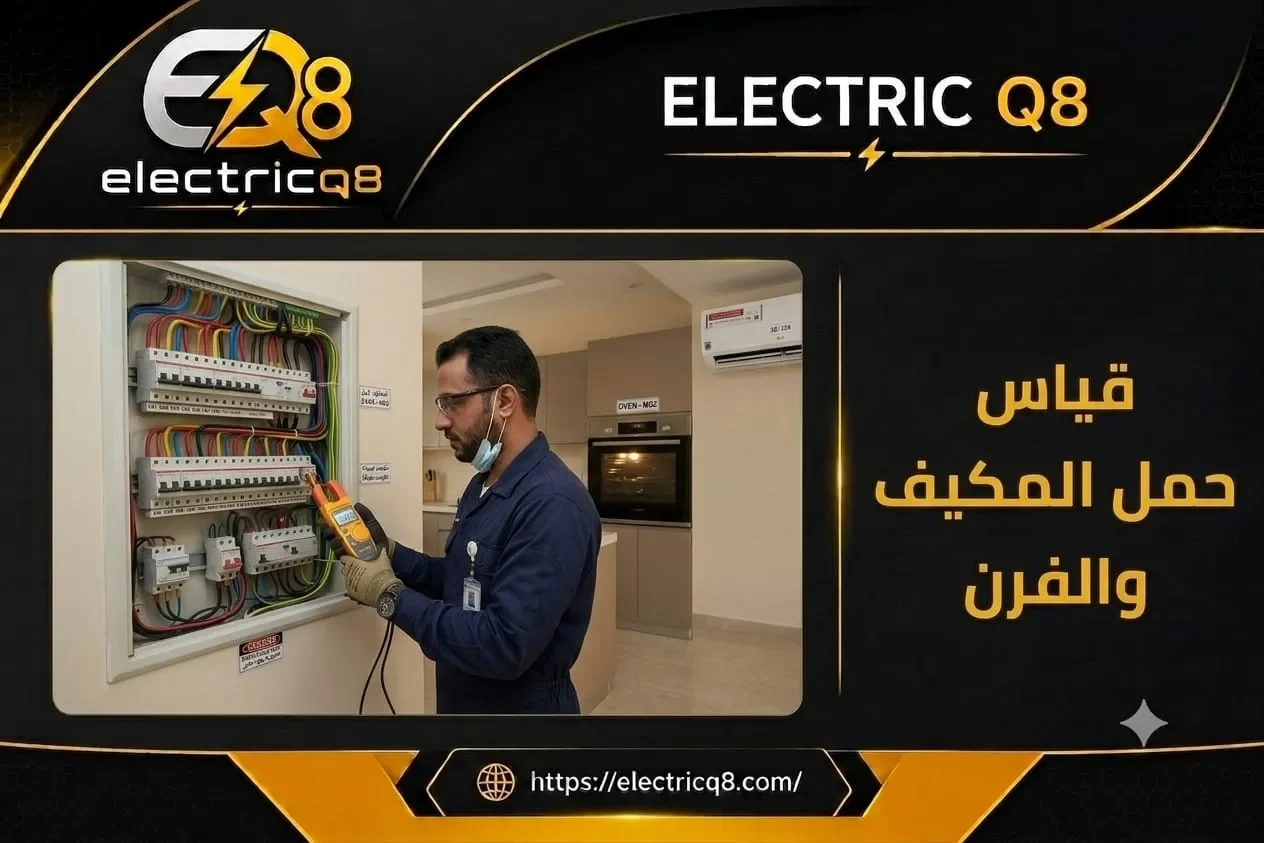
A proper inspection involves identifying the electrical system type and supply specifications, measuring voltage at suitable points, and comparing the results with equipment requirements.
In some cases, the electrician needs to take measurements at the distribution panel and at the machine's supply connection to determine where a voltage drop occurs.
However, these measurements must be performed by a qualified person using instruments suitable for the expected voltage and measurement category while following appropriate safety procedures. Store owners and employees should never open electrical panels and attempt these measurements themselves.
What Does Three-Phase Electrical Testing Include?
-
Measuring phase-to-phase voltage: This helps evaluate the electrical supply to three-phase equipment and identify differences requiring investigation according to the system's nominal voltage.
-
Checking phase-to-neutral voltage where applicable: This can help assess certain aspects of the electrical supply and identify the nature of a problem while considering the system design and avoiding conclusions based on a single reading.
-
Evaluating voltage and current under load: This helps reveal problems that appear during actual equipment operation and determine whether electrical loads or supply routes require further inspection.
-
Inspecting protective devices and connections: This is carried out using appropriate isolation and verification procedures to assess components that may affect electrical supply stability.
The objective is not simply to obtain numerical readings. It is to interpret them correctly and identify the appropriate action based on the results.
Voltage Differences Between Three Phases

Voltage differences between three phases may indicate voltage imbalance within a three-phase electrical system.
Voltage imbalance requires careful evaluation because it can affect the operation of certain motors even when the apparent difference between voltage readings is relatively small.
However, not every minor difference between measurements represents a fault requiring cable or circuit breaker replacement. Results must be compared with the limits specified by the equipment manufacturer and the applicable electrical standards.
It is also important to determine whether the voltage difference is constant or appears only when particular electrical loads are operating. The measurement conditions can help explain the source of the problem.
When Should Phase Voltage Differences Be a Concern?
-
If voltage imbalance exceeds the limits permitted by the equipment manufacturer or protective alarms related to voltage appear then continued operation requires technical assessment before the equipment is returned to service.
-
If differences in voltage readings occur alongside motor overheating reduced performance or repeated shutdowns the inspection should include electrical supply conditions and equipment condition rather than focusing exclusively on voltage.
-
If noticeable voltage changes appear when particular machines operate it may be necessary to evaluate the effects of electrical loads cable routes connections and the supply source to identify the actual cause.
Three-Phase Electrical Faults in Commercial Stores
A three-phase electrical fault in a commercial store can affect production, sales, and customer service, particularly when the business depends on machinery, pumps, or commercial equipment requiring three-phase power.
However, responding quickly to a fault does not mean rushing to replace components. A successful repair begins with determining the extent of the problem.
If all equipment connected to a particular distribution panel stops operating, the inspection approach may differ from a situation where only one machine is affected.
It is equally important not to confuse an electrical supply fault with an equipment fault. Repairing wiring will not resolve a problem inside a damaged motor, just as repairing the motor will not correct a defective power supply.
Steps for Handling a Three-Phase Electrical Fault
-
Identify the affected equipment when the problem first appeared and any electrical work carried out beforehand because this information helps the electrician narrow down the investigation instead of examining unrelated components.
-
Evaluate the relevant electrical supply protective devices and circuits using suitable testing methods while following appropriate isolation and verification procedures because working on three-phase electrical systems requires experience and suitable safety equipment.
-
Correct the identified cause and repeat the necessary tests before returning equipment to normal operation because restored voltage or a successful initial restart does not by itself prove that every condition responsible for the fault has been resolved.
Three-Phase Electrical Repair Services in Kuwait
Three-phase electrical repair services in Kuwait require a diagnosis that establishes whether the problem originates within the store's wiring, the distribution panel, the equipment, or a section of the electrical supply managed by another responsible party.
Depending on the inspection findings, the appropriate repair may involve correcting a damaged connection, replacing a defective protective component, repairing an internal circuit, or reviewing electrical load distribution.
However, not every low-voltage problem requires replacing electrical cables. Sometimes the issue is related to the incoming supply or a particular appliance. Identifying the actual cause can therefore save the business owner the unnecessary expense of replacing components that are still in good condition.
How Is the Three-Phase Electrical Repair Service Provided?
-
Receiving the fault description: Identify the type of equipment that has stopped, the symptoms, when they occur, and any recorded alarms or error messages.
-
Inspection and diagnosis: Examine the relevant electrical supply and carry out appropriate measurements to identify and verify the likely cause.
-
Explaining the required repair: Clarify which components need correction or replacement and why the work is necessary before beginning additional repairs.
-
Performing the repair safely: Work on the affected circuit using appropriate electrical safety procedures and materials and components suitable for the installation.
-
Retesting and returning to operation: Verify the results of the corrective work and complete the required tests before returning the equipment or circuit to normal use.
How Much Does Three-Phase Electrical Repair Cost in Kuwait?
There is no single fixed price suitable for every three-phase electrical fault because the cost depends on the nature of the problem, the scope of inspection, and the repairs required.
|
Cost Factor |
How It Affects the Price |
|
Type of electrical fault |
Low voltage differs from phase loss or damage to a circuit component |
|
Number of affected machines |
Inspecting one appliance differs from diagnosing a problem affecting several machines |
|
Fault location |
Work inside the store's electrical panel differs from a fault requiring coordination with building management |
|
Replacement components |
Costs vary according to component type, specifications, and compatibility with the electrical system |
|
Required testing |
Some faults require additional measurements and diagnosis before the repair can be determined |
|
Accessibility |
Distribution panel location, equipment positioning, and working conditions may affect the time required |
It is preferable to request a clear diagnosis and a quotation identifying the necessary work rather than agreeing to component replacement without knowing the cause of the fault.
Three-Phase Electrician for Commercial Stores in Kuwait
Choosing a three-phase electrician for commercial stores in Kuwait requires considering technical experience with commercial electrical supply systems and the approach used to diagnose faults.
A suitable electrician does not simply hear that the phases are weak and immediately recommend replacing a circuit breaker. They must understand the electrical system, compare measurements with equipment requirements, and determine whether the fault originates from the supply, circuit, or machine.
It is also important for the electrician to explain the boundaries of the work. Some problems occur within the store and can be handled as part of the service, while others require contacting building management or the party responsible for the incoming electrical supply.
Why Choose Specialized Inspection Instead of Random Repairs?
|
What the Service Should Include |
Benefit to the Store Owner |
|
Voltage and phase diagnosis |
Determine whether the problem actually originates from the three-phase supply |
|
Identification of affected equipment |
Reduce unnecessary inspection work |
|
Assessment of protective devices |
Establish whether circuit breakers and protective systems operate according to system requirements |
|
Explanation of the repair cause |
Avoid replacing functional components unnecessarily |
|
Retesting after repairs |
Verify the effectiveness of corrective work before operation resumes |
|
Clear work quotation |
Understand the cost and service scope before approving the work |
At ElectricQ8 – 24-Hour Electrician in Kuwait | Electrical Installations, Maintenance, and Short-Circuit Repairs, you can request an inspection of a three-phase electrical problem and describe the symptoms affecting your commercial premises through the website.
Request a Three-Phase Electrical Inspection for Your Store
When submitting your request, it is helpful to mention the type of machine, the number of affected appliances, and whether the fault appears immediately at startup or after the equipment has been operating for some time. These details help clarify the problem from the beginning.
Conclusion: Do Not Wait Until Your Store Equipment Fails
If you are experiencing weak three-phase power in your store or have noticed machinery shutting down and protective alarms appearing repeatedly, do not rely on restarting equipment or replacing circuit breakers without a proper diagnosis.
Testing phase voltages and evaluating electrical connections and protective devices helps determine whether the problem originates from the electrical supply or the equipment and identifies the appropriate repair before the fault becomes more serious.
For commercial store owners in Kuwait, correctly addressing three-phase electrical problems may reduce unplanned downtime and protect equipment from continued operation under unsuitable electrical conditions.
Do not let a three-phase electrical fault interrupt your business or affect the service you provide to customers.
Contact ElectricQ8 – 24-Hour Electrician in Kuwait | Electrical Installations, Maintenance, and Short-Circuit Repairs and request an assessment through the website:
Start with the correct electrical inspection so you can identify the cause of the problem and choose an appropriate repair instead of relying on temporary solutions.
Frequently Asked Questions About Weak Three-Phase Power
What causes weak three-phase power in a store?
Possible causes include low voltage, loss of one phase, voltage imbalance, defective electrical connections, or a problem with the incoming electrical supply. Identifying the actual cause requires appropriate technical measurements.
Can low voltage in one phase damage electric motors?
Yes. Phase loss or voltage imbalance can cause unbalanced currents and overheating in certain electric motors and may result in damage if operation continues outside the permitted limits.
Will replacing a circuit breaker fix low three-phase voltage?
Not necessarily. A circuit breaker protects the electrical circuit according to its specifications and does not directly correct low voltage. The underlying cause must be identified before replacing any protective device.
How can I tell whether the fault is in the three-phase supply or the machine?
This requires checking the electrical supply at appropriate points and reviewing the machine's alarms, control circuit, and protective devices. Abnormal equipment operation alone is not sufficient to establish the cause.
How much does a three-phase electrical inspection cost in Kuwait?
The cost depends on the number of circuits and machines, the type of measurements required, and the difficulty of accessing the fault location. It is best to request a quotation that clearly identifies the inspection cost and whether repair work is charged separately.