If your house is old and the electrical outlets have started overheating, circuit breakers keep tripping, or you have noticed that the existing wiring cannot adequately support modern appliances, you are probably considering old house electrical renovation. However, the most important question is whether you need to replace the entire electrical installation or whether repairing the damaged sections would be sufficient.
The answer depends on the condition of the wiring and distribution panel, the age of the installation, the nature of the electrical faults, and the home's current power requirements. Some houses only need repairs to specific circuits, while others have deteriorated wiring or electrical installations that are no longer suitable for their present use and require more extensive rewiring.
At ElectricQ8 – 24-Hour Electrician in Kuwait | Electrical Installations, Maintenance, and Short-Circuit Repairs, we explain how to choose the appropriate solution based on a professional electrical inspection rather than unnecessarily replacing wiring that remains in good condition or relying on temporary repairs for a much larger problem.
Old House Electrical Renovation

Old house electrical renovation does not necessarily mean breaking open walls and replacing every electrical wire. A proper renovation begins with evaluating the condition of the electrical system and identifying which components remain suitable for use and which require repair or replacement.
In older houses in Kuwait, electrical problems may be associated with modifications carried out over many years. For example, new air conditioners may have been installed, electrical outlets relocated, rooms divided into separate spaces, or appliances added that consume more electricity than the equipment originally present when the house was constructed.
These changes can make certain electrical circuits unsuitable for current loads, even if they previously operated without any obvious problems.
Consider an illustrative example of a house that is more than thirty years old. The homeowner notices that the circuit breaker serving one room trips whenever two appliances are operated simultaneously, while the remaining rooms have no electrical problems.
In this situation, it would be unreasonable to decide that the entire house needs rewiring before inspecting the affected circuit and evaluating the protective device rating, cable specifications, and connected appliances.
However, if the inspection reveals widespread insulation deterioration or unsafe electrical connections in several areas, more extensive rewiring may be more appropriate than repeatedly repairing individual faults.
What Does an Old House Electrical Inspection Include?
-
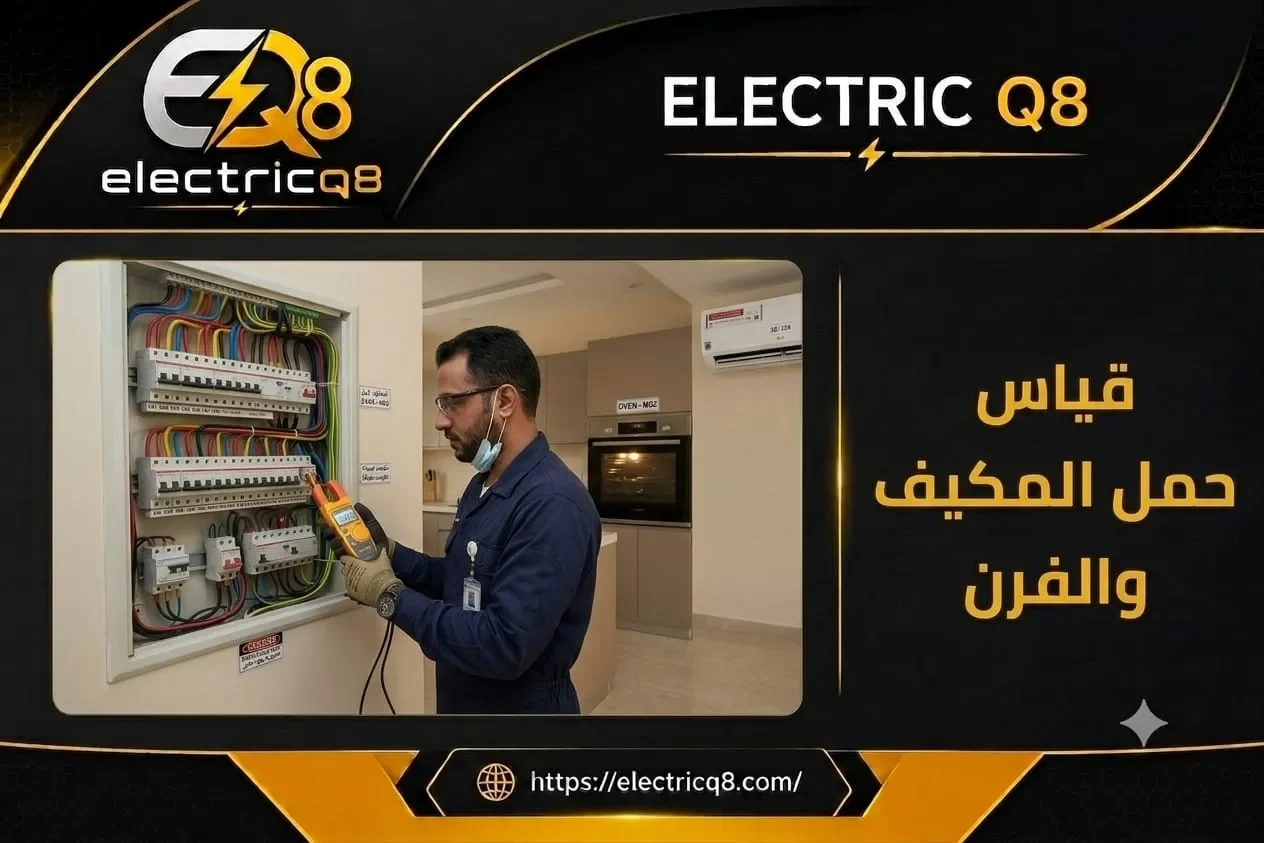
Reviewing the electrical distribution panel and circuit breakers and verifying that protective devices are compatible with the circuits and cables because replacing a circuit breaker alone does not resolve deteriorated wiring or unsuitable electrical loads.
-
Assessing the condition of electrical wires and connections and performing appropriate safety tests such as insulation resistance and protective conductor continuity testing by a qualified electrician to identify the sections requiring repair or replacement.
-
Reviewing the home's current and future electrical loads including air conditioners household appliances kitchens and rooms whose functions have changed because renovation decisions should be based on the home's actual electrical requirements.
Important advice: If you notice a burning smell, electrical sparks, or unusual overheating around outlets or the distribution panel, stop using the affected part of the installation and request a professional inspection before restoring power.
Rewiring an Old House
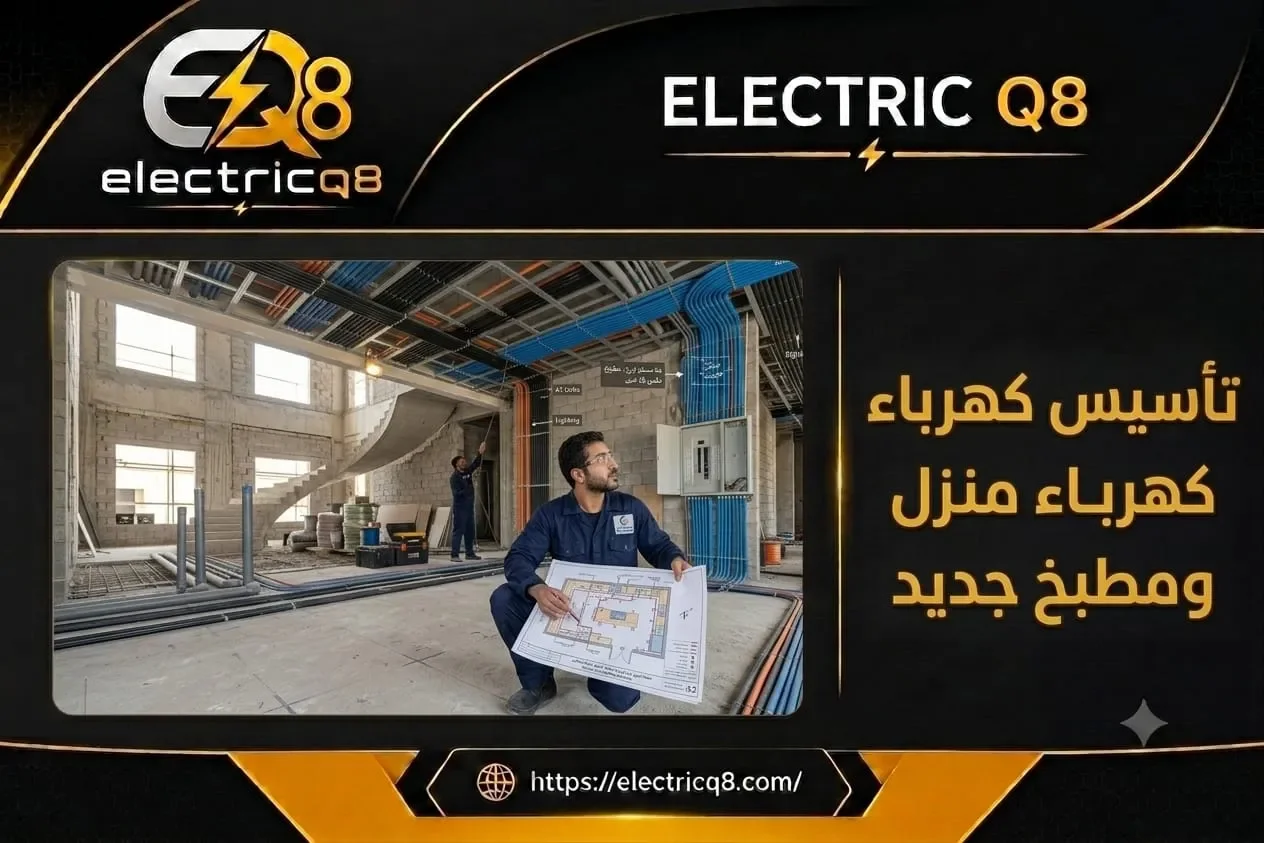
Rewiring an old house means installing new electrical wiring or circuits to replace parts of the existing installation or replacing a substantial portion of the electrical system, depending on the inspection results and the required design.
This solution may be appropriate when the current wiring has deteriorated, cannot be safely upgraded, or no longer meets the home's electrical requirements following major renovation work.
However, rewiring is not simply a matter of pulling new electrical cables through old conduits. The electrician must verify that the existing cable routes and conduits are suitable, structurally sound, and capable of safely accommodating the required wiring.
Some older homes contain blocked, damaged, or overcrowded conduits that cannot accommodate additional cables. In these situations, the renovation project may require new cable routes.
The necessary circuits must also be determined according to electrical loads and appliance locations. Kitchens, air conditioners, and other household equipment require a design that reflects actual usage and appropriate protective requirements.
When Is Complete Rewiring Better Than Repairing?
-
When electrical testing reveals widespread deterioration of wire insulation or unsafe old connections across several areas of the house making localized repairs insufficient to address the overall condition of the installation.
-
When the entire house is being renovated and the room layout kitchen locations and appliance positions are changing because redesigning the electrical circuits during renovation may be more practical than relying on a network that no longer meets the new requirements.
-
When the existing electrical installation cannot safely support the required loads and cannot be adequately upgraded through limited repairs after evaluating cable specifications protective devices and available wiring routes.
Does Rewiring an Old House Require Breaking Walls?
Not always. Some electrical wires can be replaced using existing conduits if those conduits are intact, suitable, and provide sufficient space for the required cables.
However, if existing routes are unsuitable or additional circuits are necessary, limited wall openings or alternative wiring routes may be required according to the electrical design and applicable installation requirements.
It is preferable to agree on the installation method before work begins so the homeowner understands which areas may need decorative repairs after the electrical work is completed.
Replacing Electrical Wiring in a House
Replacing electrical wiring in a house is one of the first solutions homeowners consider when dealing with an aging electrical installation, particularly if faults occur repeatedly or there are concerns about the condition of wires concealed inside walls.
However, the age of the wiring alone is not sufficient evidence that it must be replaced. What matters most is its actual condition, suitability for electrical loads, insulation type, installation method, and the results of appropriate technical tests.
One older circuit may remain suitable for use while another has suffered overheating or damage caused by an unsuitable electrical load or poor connections.
Replacing every wire without inspection may therefore increase renovation costs unnecessarily. On the other hand, replacing only a visibly damaged section may not resolve a problem extending through the rest of the circuit.
How Does an Electrician Determine Whether Wiring Needs Replacement?
-
Performing appropriate insulation tests after isolating the circuit and taking the necessary precautions to protect connected appliances because some insulation defects are not visible externally and require technical measurements to evaluate their condition.
-
Reviewing cable sizes and specifications and comparing them with protective devices and required electrical loads because wiring that was suitable for an older installation may no longer be appropriate for equipment added later.
-
Inspecting accessible connections and wiring sections for signs of overheating damage or unsuitable previous repairs because the problem may originate from a particular connection rather than the entire length of the electrical cable.
Will Replacing Electrical Wiring Stop Circuit Breakers From Tripping?
That depends on the cause of the tripping. If the problem results from damaged insulation, replacing the affected wiring section or circuit may be necessary.
However, if the circuit breaker trips because of excessive electrical loads or a defective appliance, the actual cause must be addressed rather than assuming that old wiring is responsible for every electrical problem.
Renovating Electrical Installations
Renovating electrical installations involves improving parts of a home's electrical network to match its condition and changing usage requirements. The work may include replacing certain circuits, modifying wiring routes, installing additional electrical points, or upgrading protective components.
The difference between renovating electrical installations and completely rewiring a house is the scope of work. Renovation may be limited to one room or floor, while comprehensive rewiring involves designing and installing a much larger electrical system.
In an older house in Kuwait, for example, the homeowner may decide to renovate only the kitchen. The electrician must then review the new kitchen appliances and determine whether the existing circuits are suitable or require modification.
However, if the homeowner is renovating every room and changing appliance locations throughout the property, preparing a comprehensive electrical plan before work begins may be preferable to carrying out separate modifications that become difficult to coordinate later.
Important Considerations When Renovating Electrical Installations
-
Determining the required electrical outlet locations according to furniture arrangements and appliance positions before interior finishing begins because relocating outlets after kitchens and cabinets have been installed may require additional wall openings and restoration work.
-
Reviewing the condition of conduits junction boxes and cable routes because successfully installing new wiring depends on the condition and suitability of the existing pathways for the required electrical installation.
-
Documenting new circuits and modifications made to the electrical system because clear information about the installation makes future electrical maintenance and upgrades easier to plan and carry out.
Would you like to know whether your home's wiring needs partial renovation or complete rewiring? You can request an inspection through the ElectricQ8 electrician services website in Kuwait and describe the condition of your home and the electrical problems you are experiencing.
Replacing Old Electrical Wires in Your Home
Replacing old electrical wires in your home requires a clear plan, especially if the property is occupied and contains furniture and appliances used every day.
Before replacement begins, the targeted circuits must be identified, suitable isolation arrangements established, and any other electrical installations sharing the same routes taken into account.
Some homes contain wiring installed during different renovation periods over many years. The electrician may find cables with different specifications, concealed junction boxes, or wiring routes that do not match the original electrical drawings.
These situations require appropriate circuit tracing before work begins to avoid unintentionally disconnecting another circuit or affecting equipment elsewhere in the house.
New cables must also be selected according to the electrical design, expected loads, protective arrangements, installation method, and applicable requirements. Not every wire of a similar size or type is suitable for every circuit.
Mistakes to Avoid When Replacing Old Wiring
-
Replacing electrical wires with cable sizes chosen through guesswork without evaluating electrical loads protective devices and installation conditions because selecting the correct cable depends on several technical factors rather than simply matching the appearance of the old wire.
-
Leaving unsuitable or concealed electrical connections in locations that cannot be properly accessed because replacement work must maintain safe connection arrangements and appropriate access for inspection and maintenance according to installation requirements.
-
Energizing electrical circuits immediately after pulling new wires without completing appropriate tests because a visually completed installation does not establish insulation integrity protective conductor continuity or the correctness of electrical connections.
Should You Repair or Replace Your Home's Electrical System?
The question of whether to repair or replace your home's electrical system does not have a single answer suitable for every property. The decision depends on the extent of the fault, the condition of the wiring, the cost of repeated repairs, and whether the installation can safely support current electrical requirements.
Partial repairs may be appropriate when the problem is confined to a specific circuit and the remaining installation has passed the necessary inspections.
More extensive replacement may be preferable when problems occur repeatedly across several circuits, deterioration is widespread, or the home requires substantial changes to electrical outlet locations and load distribution.
It is a mistake to assume that complete rewiring is always better simply because it costs more, or that repairs are always more economical because their initial cost is lower.
The best approach is to compare the overall cost, the expected service life of the solution, the scope of work, and the disruption that may occur during renovation.
Comparing Partial Electrical Repairs and Complete Rewiring
|
Comparison |
Partial Electrical Repairs |
Complete Rewiring |
|
Scope of work |
Repairing specific circuits or electrical points |
Replacing or redesigning a substantial part of the electrical network |
|
Suitable conditions |
A limited fault with the remaining wiring in good condition |
Widespread deterioration or significant changes in electrical requirements |
|
Interior restoration |
Usually less extensive depending on fault location |
May involve more extensive restoration depending on new wiring routes |
|
Completion time |
Varies according to the repair |
Depends on property size and wiring complexity |
|
Cost |
Usually lower for isolated faults |
Usually higher because of the larger volume of materials and work |
|
Outcome |
Correcting the identified problem |
Upgrading the network according to a new design and project scope |
How Can You Make the Right Decision?
-
Request an inspection that identifies the condition of individual circuits rather than relying on the age of the property alone because some older wiring may remain suitable while other sections require urgent replacement.
-
Compare the cost of necessary repairs with a broader renovation project when several faults are present because repeatedly opening walls and carrying out separate repairs may become less economical over the longer term.
-
Consider your plans for home renovation and additional appliances because installing suitable electrical wiring during the renovation may reduce the need to modify the network again after the interior finishing has been completed.
Rewiring Your Home's Electrical System
Rewiring your home's electrical system requires an organized process that begins with planning and ends with appropriate testing, rather than simply installing cables and closing the walls.
The first step is determining the lighting, outlet, and permanently installed appliance requirements of each room. The electrician can then develop a suitable circuit arrangement according to electrical loads and protective requirements.
Next, cable routes are reviewed to establish whether existing conduits can be reused or whether new routes are necessary.
The wiring, electrical panels, and connection points are then installed according to the agreed scope of work while observing applicable electrical safety requirements.
The necessary inspections and tests must be completed before circuits are re-energized and handed over for normal use.
Stages of Home Electrical Rewiring
-
Initial inspection: Assess the condition of the existing electrical network and identify the areas requiring replacement or modification.
-
Circuit planning: Review electrical loads, required supply points, and suitable protective arrangements.
-
Preparing wiring routes: Confirm that existing conduits are suitable or install new routes according to the electrical design.
-
Installing electrical wiring: Fit cables, outlets, and accessories according to the specifications approved for the project.
-
Inspection and testing: Verify the safety of circuits, connections, and protective arrangements before restoring power.
-
Handover and documentation: Explain the completed work, circuit labeling, and any findings requiring future attention.
Can You Rewire a House While People Are Living in It?
Yes, in some situations, provided the work is organized into suitable stages and appropriate precautions are taken to protect occupants and their belongings.
However, some electrical work requires disconnecting power to certain areas of the house, and particular rooms may be temporarily unavailable during installation.
For this reason, the work schedule and expected electrical interruptions should be agreed upon before the project begins.
Cost of Renovating Old House Electrical Wiring in Kuwait
The cost of renovating old house electrical wiring in Kuwait varies considerably depending on the property's size, the condition of the existing electrical network, and the scope of work required.
Replacing one circuit is not comparable to renovating the electrical installation throughout an entire floor. Likewise, complete rewiring during a major renovation differs from installing new wiring inside an occupied house with finished walls and ceilings.
A reliable fixed price cannot be provided without knowing the number of circuits and electrical panels, the required materials, and the condition of existing wiring routes.
Factors Affecting Electrical Renovation Costs
|
Cost Factor |
How It Affects the Price |
|
Property size |
Larger properties may require more wiring and electrical points |
|
Condition of old wiring |
Extensive deterioration increases the amount of replacement work |
|
Number of circuits |
Additional circuits require more materials and installation work |
|
Distribution panel condition |
The panel may need repair, modification, or replacement depending on inspection results |
|
Wiring routes |
Reusing suitable conduits differs from installing new pathways |
|
Wall opening and restoration |
These increase costs when included in the project |
|
Appliances and electrical loads |
Additional circuits or protective arrangements may be necessary |
|
Testing and documentation |
Requirements vary according to the agreed inspection and handover scope |
How Can You Reduce Electrical Renovation Costs Without Compromising Safety?
-
Define the required scope of work after a clear technical inspection so you do not pay to replace circuits that remain in good condition or begin limited repairs only to discover later that the property needs more extensive renovation.
-
Coordinate electrical work with other home renovation activities if you are planning interior improvements because installing wiring before walls and ceilings are closed may reduce the expense of reopening and restoring finished surfaces.
-
Request a detailed quotation identifying materials circuits installation work testing and any included restoration because comparing prices without comparing the same service scope can lead to misleading conclusions.
The most economical option is not always the lowest initial price. The right financial decision is the solution that addresses the actual problem and meets electrical safety requirements without unnecessary work.
Upgrading Your Home's Electrical Network

Upgrading your home's electrical network requires considering the electrical installation as an interconnected system consisting of the incoming supply, distribution panels, circuits, protective devices, and final connection points.
A homeowner may focus on replacing outlets because they look outdated, while the underlying problem actually lies in the supply circuits, cable condition, or protective arrangements inside the distribution panel.
Conversely, the distribution panel may remain suitable while certain circuits need upgrading because the way the rooms are used has changed.
For this reason, a comprehensive electrical renovation should be based on evaluating each part of the network and understanding how it interacts with the other components.
What Is the Difference Between Upgrading the Electrical Network and Replacing Outlets?
Replacing electrical outlets addresses the individual points being replaced, provided the new fittings are suitable and correctly connected. However, it does not change the condition of the wiring concealed inside walls or increase the capacity of the circuits.
Upgrading the electrical network may include reassessing wiring, protective devices, circuit distribution, and electrical loads according to the scope of the renovation project.
Important Components to Inspect When Upgrading a Home's Electrical Network
-
Main and secondary distribution panels where installed to evaluate circuit breaker condition circuit organization and the compatibility of protective devices with the existing wiring.
-
Electrical circuits supplying rooms air conditioners kitchens and permanently installed appliances to determine whether they are suitable for present and future electrical loads according to design requirements.
-
Earthing arrangements protective conductors and required protective devices because improving the external appearance of outlets and panels does not replace the need to verify essential electrical safety components.
Electrician for Renovating an Old House in Kuwait
Choosing an electrician for renovating an old house in Kuwait requires attention to the electrician's ability to assess the existing electrical system before recommending replacement.
A suitable electrician should explain which components require repair, which need replacement, and which can remain in service after appropriate inspection.
The electrician must also be able to explain the scope of work, identify the targeted circuits, describe the wiring installation method, and clarify which tests will be required.
Older homes particularly benefit from an organized approach to modifications carried out over many years because the electrical installation may not be fully documented.
Why Choose an Electrical Renovation Service Based on Inspection?
|
What You Need From the Service |
Benefit to the Homeowner |
|
Inspection of the existing network |
Identify damaged components instead of replacing everything through guesswork |
|
Circuit and load assessment |
Choose wiring suitable for the home's electrical requirements |
|
Comparison of repairs and rewiring |
Make a decision that reflects the condition of the installation and the cost |
|
Clear installation plan |
Understand the work stages and their effect on daily household activities |
|
Suitable electrical materials |
Install wiring according to circuit and protective requirements |
|
Testing after installation |
Verify the safety of completed work before restoring power |
|
Detailed quotation |
Understand the included materials and work before approving the project |
What Should You Ask an Electrician Before Agreeing to the Work?
-
Does the inspection include the condition of electrical wiring distribution panels and protective devices or is it limited to a visual assessment because the scope of the inspection affects how accurately the need for repairs or replacement can be determined.
-
Does the quotation include materials opening wiring routes restoring finished surfaces and electrical testing or are some of these services charged separately because clear pricing details help prevent disagreements during the project.
-
Will the new circuits be documented and will any available warranty terms be explained because understanding the completed work and the limits of responsibility helps with future electrical maintenance and follow-up.
At ElectricQ8 – 24-Hour Electrician in Kuwait | Electrical Installations, Maintenance, and Short-Circuit Repairs, you can request an inspection to assess your old home's electrical renovation requirements and discuss the appropriate solution based on the condition of the existing wiring.
Request an Old House Electrical Inspection and Renovation
Conclusion: Renovate Your Home's Wiring Based on Inspection, Not Guesswork
Old house electrical renovation is an important decision, particularly when electrical faults occur repeatedly or the home's requirements have changed because of air conditioners, modern appliances, and renovation work.
However, not every old house requires complete rewiring. In some cases, repairing specific circuits is sufficient, while other properties require more extensive replacement because the wiring has deteriorated or is no longer suitable for current electrical loads.
The best solution begins with inspecting the condition of the wiring, distribution panel, and protective devices, followed by comparing partial repairs with complete rewiring in terms of safety, cost, and the scope of work.
If you want to know exactly what your home needs, do not start replacing wires or breaking open walls before identifying the actual problem.
Contact ElectricQ8 – 24-Hour Electrician in Kuwait | Electrical Installations, Maintenance, and Short-Circuit Repairs and request an assessment of your old home's electrical installation.
Website: https://electricq8.com/
Make your electrical renovation decision based on a clear diagnosis and a suitable installation plan so you can avoid unnecessary expenses and prepare your home for safer electrical use.
Frequently Asked Questions About Old House Electrical Renovation
Do I need to replace the entire electrical system if my house is old?
No. The age of the house alone does not determine whether complete rewiring is necessary. The decision depends on the condition of the wiring and circuits, inspection results, and whether the installation is suitable for current electrical loads.
When is replacing old house wiring necessary?
Replacement may be necessary when inspection reveals insulation damage, deteriorated wiring, or cables that are unsuitable for the required loads and protective arrangements. Depending on the extent of the problem, replacement may be limited to certain circuits or involve a substantial part of the installation.
Can I renovate my home's electrical wiring without breaking walls?
Yes, in some cases, if the existing conduits are intact and suitable for installing the new cables. However, damaged conduits or major electrical modifications may require opening sections of walls or installing alternative wiring routes.
How much does it cost to renovate an old house's electrical system in Kuwait?
The cost depends on the property's size, the number of circuits, the condition of the distribution panel and wiring, the extent of the modifications, and any necessary restoration work. An accurate price cannot be established without an inspection and a clearly defined scope of work.
Is it better to repair an old electrical system or completely rewire it?
Partial repairs are generally appropriate for isolated faults when the remaining electrical network is in good condition. Complete rewiring may be more suitable when there is widespread deterioration or major changes to electrical loads and circuit distribution.