When the breaker trips as soon as the electric oven is switched on, the best response is not to replace it with a larger breaker or immediately assume the oven is defective. The problem may be inside the oven itself, within the circuit supplying it, in a shared kitchen load, or at a connection point that requires inspection. Even the timing of the trip provides important information: does the breaker trip immediately when the oven starts, after heating begins, or only when the oven operates together with other appliances? Proper diagnosis connects these details and checks the circuit, load, and electrical protection before deciding on a repair, preventing unnecessary component replacement and trial-and-error work that does not address the actual cause.
Breaker Trips When the Oven Starts
When the breaker trips when the oven starts, the exact moment of the trip should be one of the first things considered because its timing can completely change the direction of diagnosis. If the breaker trips immediately when the oven is switched on, that situation is different from an oven that operates for several minutes before the breaker trips after heating begins. Both situations are also different from a breaker that trips only when the oven is running together with a kettle, microwave, or another kitchen appliance. It would therefore be incorrect to conclude from the symptom alone that the breaker is defective or that the oven needs replacement because the breaker may simply be performing its protective function and responding to a condition that needs proper investigation.
A practical situation electricians often encounter in homes is a customer saying, “The oven works normally on its own, but the electricity trips when we switch on another appliance.” That detail points the diagnosis in a very different direction from a situation where the breaker trips even when the oven is the only load being used on the circuit. In the first case, the combined electrical load and the way kitchen appliances are distributed across circuits become important areas to examine. In the second case, greater attention may be directed toward the oven circuit itself, the appliance as an electrical load, its connection method, and the protection associated with it. Describing the exact circumstances in which the trip occurs can therefore save more diagnostic time than simply saying that the oven trips the breaker.
It is also important to identify which protective device is actually operating. Not every loss of electricity when an oven starts has the same electrical cause, because the type of protective device that trips and the circumstances surrounding the event can provide the electrician with additional information. Repeatedly resetting the breaker is not recommended, particularly when it trips immediately or when there is a burning smell, abnormal heat, or sparking. A larger breaker should never be installed simply to stop the tripping without first confirming that the circuit, conductors, electrical load, and protection are correctly designed and suitable for the application.
-
A breaker that trips at the exact moment the oven is switched on presents a different diagnostic pattern from one that trips only after the oven reaches its heating stage, so recording the timing helps determine what should be inspected first.
-
If the oven operates normally on its own but the breaker trips when another kitchen appliance is added, the distribution of electrical loads across the circuit becomes an essential part of diagnosis rather than focusing only on the oven.
-
Repeatedly resetting the breaker or replacing it with a higher-rated device without confirming the reason for the trip may hide an important protective warning, so the correct decision begins with checking the circuit and load.
Oven Trips the Electricity in Kuwait
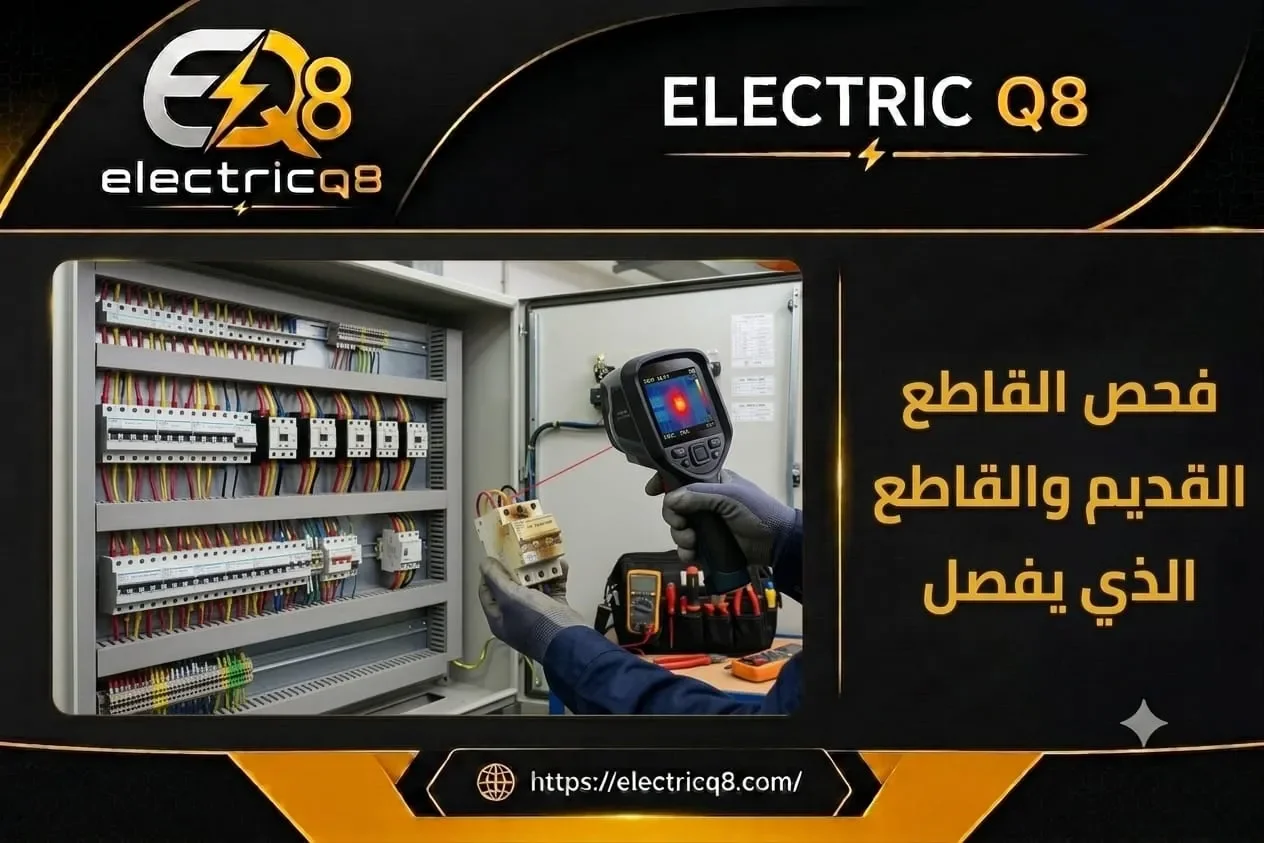
When the oven trips the electricity in Kuwait, one of the first things the electrician needs to determine is the extent of the outage. Does only the oven lose power? Do several kitchen sockets or appliances stop working at the same time? Or does a breaker trip that affects a larger section of the property? This information helps identify the circuit connected to the oven instead of immediately dismantling the appliance during the first inspection. If the customer knows which breaker is operating, that information can be useful, but there is no need for the customer to open the electrical panel or touch any internal parts.
Another practical situation occurs when a newly installed oven is the first substantial electrical load connected to a point that was previously used for a different appliance. The oven may initially operate, but the problem appears when its full functions are used or when other appliances operate at the same time. In this situation, the question is not simply whether the oven itself is working correctly. The electrician also needs to determine whether the supply point, circuit, and protection arrangement are appropriate for the appliance's actual requirements according to its specifications and installation instructions. There is no single cable size or breaker rating that can safely be applied to every oven because appliance requirements vary. Verification should therefore be based on the specific appliance data, circuit design, and electrical requirements applicable to the installation.
A different diagnostic situation exists when the oven has been operating for a long period without problems and then suddenly begins causing the breaker to trip. In that case, the investigation is not only about whether the original circuit design was suitable but also about what has changed. Does the fault appear with a particular heating function? Was another appliance recently added to the same circuit? Are there signs of heat around the supply point? Did the problem begin after the oven was serviced? These details prevent the premature conclusion that the entire kitchen needs new wiring. Professional diagnosis first determines whether the cause is inside the appliance, at the supply point, within the circuit, or related to combined load conditions, and only then defines the appropriate scope of repair.
-
Knowing whether the trip affects only the oven or other kitchen appliances as well helps define the boundaries of the affected circuit and indicates whether the investigation should begin locally or at a shared section.
-
When the problem begins with a newly installed oven, the appliance requirements and its actual supply arrangement should be reviewed rather than assuming that every existing kitchen electrical point is automatically suitable for any oven.
-
If tripping begins after years of stable operation, asking about recent changes and identifying which oven functions trigger the problem can be more useful than assuming the original circuit design was incorrect from the beginning.
Cause of Power Tripping When the Oven Starts
Determining the cause of power tripping when the oven starts requires separating the possible causes rather than grouping everything under a single explanation. The circuit may be experiencing a load condition beyond what it is designed to supply, the fault may be associated with an electrical component inside the oven, or there may be a problem involving the connection, insulation, or protective arrangement depending on the symptoms. Even if the breaker trips every time the oven is switched on, that only confirms a relationship between the oven's operation and the event. It does not by itself prove which component or section is responsible.
One of the most useful diagnostic details is identifying the oven function that causes the trip. Some ovens contain different operating modes and electrical elements depending on their design. If the appliance works normally in certain modes but the breaker consistently trips whenever a specific function is selected, that information can help the electrician narrow the investigation. If the breaker trips as soon as the oven is connected or switched on regardless of the selected function, the diagnostic path is different. Similarly, if the problem appears only when several appliances are running together, checking the actual load and circuit distribution becomes much more important.
A common mistake is replacing the breaker because it looks old or because someone says that “the oven needs a stronger breaker.” A breaker is not a component that should simply be increased in size until the tripping stops. Electrical protection must be compatible with the circuit, conductors, nature of the load, appliance requirements, and overall electrical design. If the problem is excessive loading, the solution is to address the load condition and its distribution or provide an appropriately designed supply where required, rather than bypassing the purpose of the protection. If the cause is a fault inside the oven, installing a larger breaker will not repair that fault and may remove an important warning sign.
-
A trip associated with one specific oven operating mode gives the electrician information that can narrow the investigation more effectively than a situation where every function causes the breaker to trip in the same way.
-
Tripping that appears only when the oven operates together with several kitchen appliances directs the inspection toward combined loading and circuit distribution, while tripping with the oven operating alone requires a different evaluation.
-
Assuming that an older breaker is the cause without testing can result in replacing a healthy component because the protective device may actually be revealing a load condition or electrical fault that requires attention.
Electric Oven Circuit Inspection
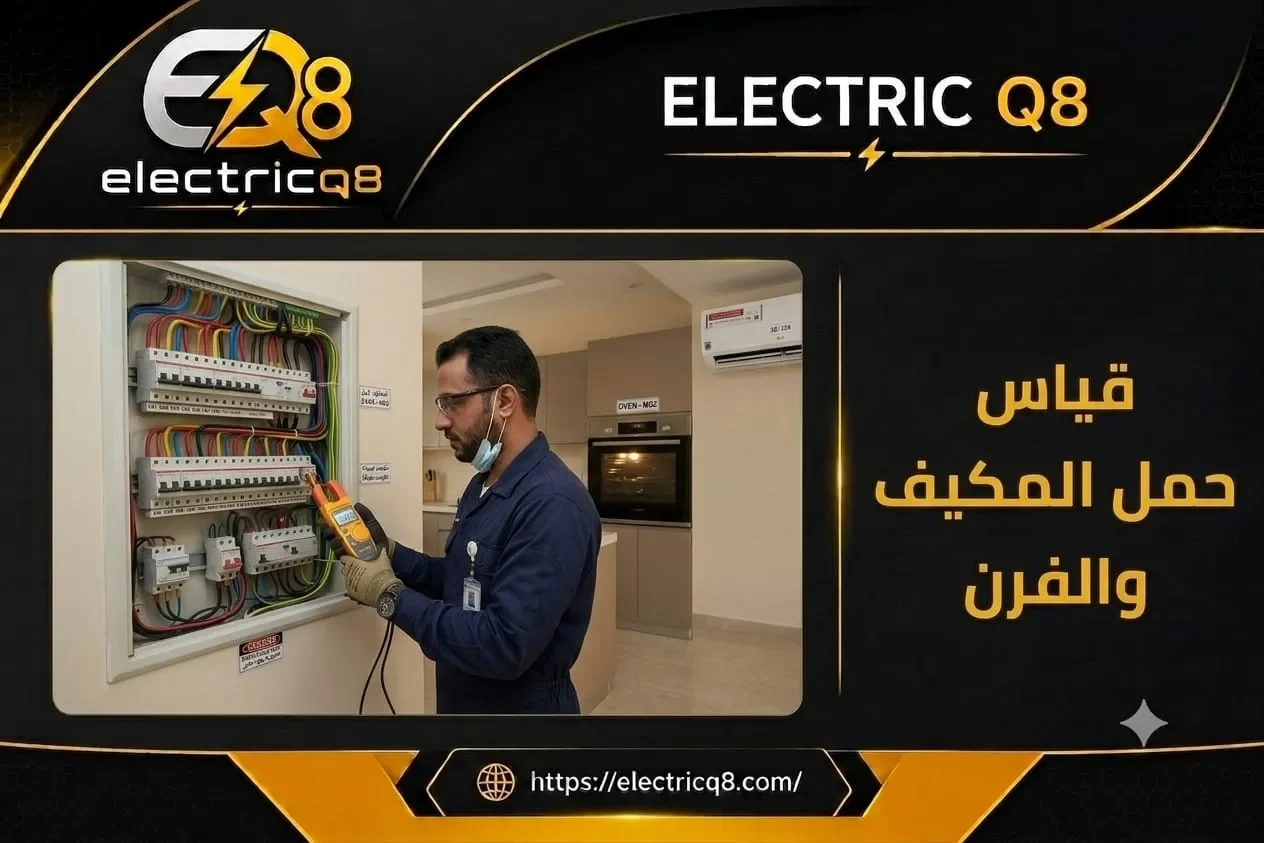
An electric oven circuit inspection begins by identifying the electrical path supplying the appliance rather than looking only at the oven itself. The electrician needs to determine which circuit supplies the oven, whether that circuit is dedicated to the appliance or shared with other loads, what protection arrangement is being used, and the condition of accessible supply points and connections included in the inspection. When the breaker trips during oven operation, this information helps determine whether the problem is associated with the appliance itself, the circuit connecting it to the distribution panel, or the way other loads are being used on the same electrical path.
An important part of the inspection is comparing the oven's actual electrical requirements with the existing circuit. Electric ovens are not all identical, and appliances can vary according to size, functions, installation method, and manufacturer specifications. For this reason, one universal cable size or breaker rating should not be recommended for every oven without knowing the appliance, circuit design, installation conditions, and applicable electrical requirements. A professional inspection considers the oven's technical data together with the condition and design of the existing installation before deciding whether the current supply is appropriate or needs modification.
Connection points also deserve attention because excessive load is not the only possible problem. A damaged termination, evidence of overheating, discoloration, or insulation deterioration can provide important diagnostic information and should be evaluated before the circuit is returned to normal use. If the oven operates for a period before the breaker trips, the electrician should connect the operating time with the behavior of the circuit rather than relying on a very short test. This makes the inspection reflect the actual fault conditions.
-
Determining whether the oven circuit is dedicated or shared with other loads helps explain the tripping pattern and indicates whether the inspection should focus more closely on the appliance or the way the kitchen load is distributed.
-
Comparing the oven requirements stated in its technical information with the existing electrical installation is more accurate than relying on a universal cable or breaker size because appliances and circuit designs vary between properties.
-
Signs of heat or discoloration around the supply point make the condition of connections and insulation an essential part of the inspection rather than reducing the entire problem to breaker capacity.
Electric Oven Load Inspection
The purpose of an electric oven load inspection is to understand how the appliance interacts with the circuit during actual operation and whether the problem is genuinely related to electrical loading or has another cause. Reading the oven's technical data is an important starting point, but the electrician also needs to understand the operating modes being used, how the appliance is connected, and which circuit supplies it. Some problems appear only when particular functions operate together, which is why the customer's description of the exact moment when the breaker trips can provide valuable practical information.
If the oven works normally on its own but the problem appears as soon as other appliances on the same circuit are switched on, the combined load becomes a central part of the inspection. If the breaker trips while the oven is the only appliance being used, however, the investigation needs to follow a different path. It would be incorrect to assume that the home's overall electrical load is responsible without verification. Comparing these two situations helps prevent unsuitable solutions such as changing the breaker or redistributing appliances that have nothing to do with the actual fault.
In practice, checking the load involves more than randomly adding together the power ratings printed on several appliances. The evaluation needs to relate to the way the circuit is designed, its protective arrangement, and actual operating conditions. A qualified electrician uses the relevant information and appropriate measurements to determine whether the electrical load is compatible with the circuit or whether another fault requires diagnosis. The useful outcome for the customer is a clear answer about whether load is genuinely responsible for the tripping rather than leaving it as an unconfirmed possibility.
-
If the oven operates steadily on its own but the breaker trips when additional appliances are used, this provides practical evidence that the combined load should be investigated instead of immediately treating the oven as defective.
-
Load inspection becomes more meaningful when it considers the oven's actual operating modes and the circuit supplying it rather than relying on a single appliance rating without considering real use.
-
A useful inspection result should tell the customer whether electrical load is actually causing the trip or whether that possibility has been ruled out so unnecessary and expensive modifications are avoided.
Installing a Dedicated Electrical Circuit for the Oven
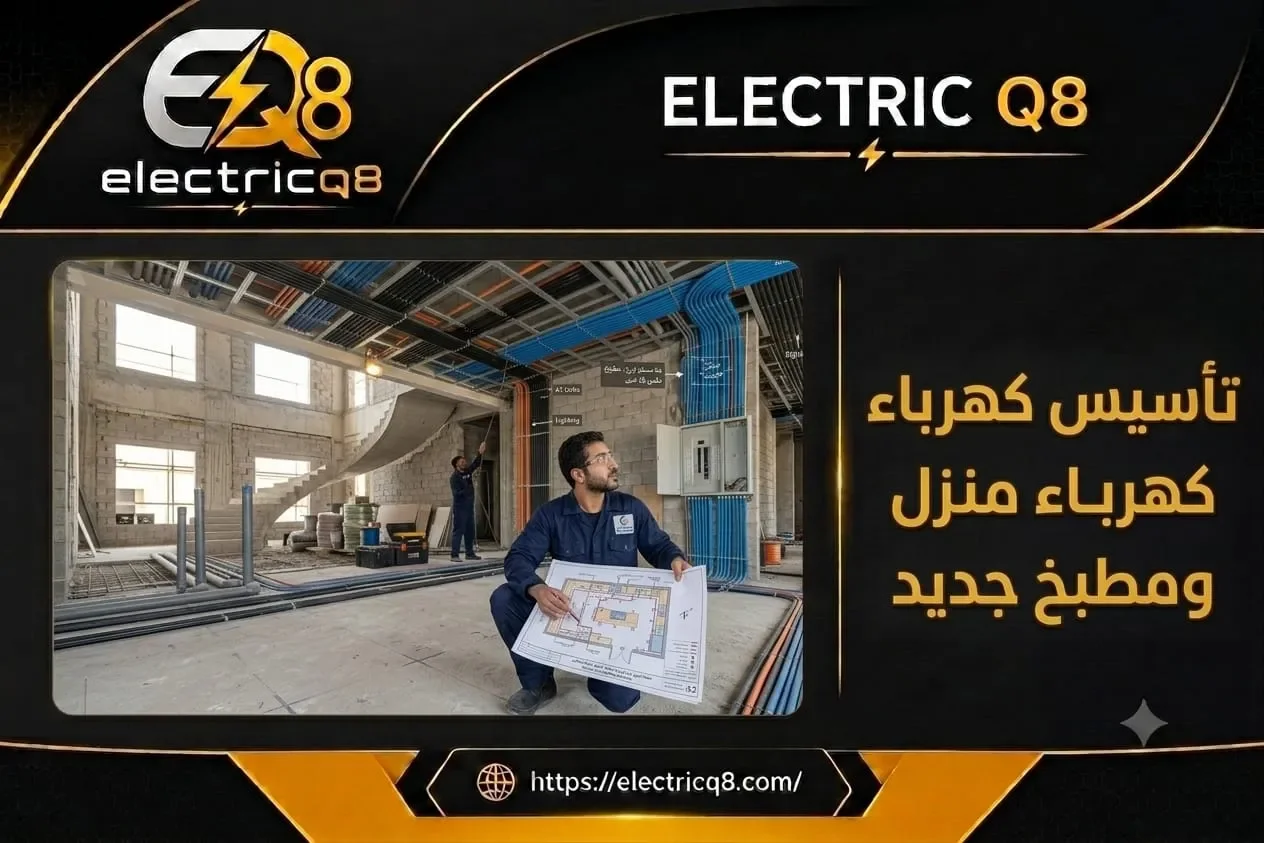
The decision to install a dedicated electrical circuit for the oven should not be an automatic response every time the breaker trips. The appliance requirements, existing installation, and applicable electrical requirements should first be reviewed so the electrician or electrical designer can determine the appropriate supply arrangement. Certain appliances and installation configurations may require a dedicated circuit according to design requirements and manufacturer instructions, but the decision should not be based on guesswork or one rule applied to every oven.
When a dedicated circuit is required, one of its advantages is that the oven load is separated from other appliances, allowing the supply and protection to be designed around the requirements of that appliance. It can also make the responsible circuit easier to identify if a future fault occurs. However, installing a new circuit requires planning the route, starting and termination points, wiring method, and protective arrangement. It should not simply involve pulling an additional cable from the nearest available electrical source.
The cost also varies according to the length of the route, accessibility, condition of the distribution panel, wiring method, and any associated work. Therefore, the price cannot be determined only from the phrase “oven circuit.” Before paying for a completely new circuit, the customer should confirm that it is actually the appropriate solution. If the cause is an internal oven fault, a new circuit will not repair it. If the existing circuit is suitable but has one damaged connection point, the required repair may be completely different.
-
Installing a dedicated circuit should be based on the oven's requirements and electrical supply design rather than being an automatic response whenever the breaker trips during operation.
-
A dedicated circuit requires proper planning of the route, protection, and installation method and should not be created as a random additional connection from the nearest available kitchen supply point.
-
Confirming the cause of the tripping before installing a new circuit prevents unnecessary expense when inspection shows that the fault is inside the oven or limited to a specific repairable connection.
Electrician for Oven Circuit Inspection in Kuwait
Choosing an electrician for oven circuit inspection in Kuwait should focus more on the diagnostic approach than on how quickly the electrician recommends replacing a breaker. A good electrician asks whether the trip happens immediately or after heating begins, whether the oven operates normally on its own, whether other appliances lose power at the same time, and whether the problem started after installation or only appeared after years of use. These questions provide an initial picture before physical testing begins.
A suitable electrician also reviews the appliance information and circuit rather than giving cable sizes, breaker ratings, or final repair prices without inspection. If someone says over the phone that the solution is definitely “a larger breaker” without knowing the circuit, that is not enough information for a safe decision. Changing protection depends on conductor suitability, circuit design, appliance requirements, and the reason the existing protection is operating.
From a service perspective, ask what the inspection includes, whether repair and replacement parts are priced separately, and whether you will be informed before larger modifications such as installing a new circuit are carried out. This clarity allows you to compare electricians according to the actual scope of work rather than only the lowest advertised amount. A better service should end with a diagnosis the customer can understand and a repair that directly corresponds to that diagnosis.
-
An electrician who asks about trip timing and other appliances connected to the circuit begins with useful diagnostic information instead of assuming in advance that the oven or breaker is defective.
-
Recommending a different breaker rating without reviewing the circuit, conductors, and oven requirements is not sufficient diagnosis because electrical protection forms part of the complete circuit design.
-
Understanding the inspection scope and costs before approving major wiring changes or replacements allows the customer to compare services fairly and reduces unexpected expenses during the work.
Breaker Trips With Kitchen Appliances
When the breaker trips with kitchen appliances, the oven is not necessarily defective even if switching it on was the last event before the power cut. A kitchen normally contains several electrical loads that may operate at the same time. If the oven, kettle, microwave, or other appliances share a circuit or are connected through a distribution arrangement that requires review, the breaker may trip only when a particular combination of appliances is operating.
In this situation, recording the scenario is more useful than randomly testing appliances. For example, the oven may operate steadily on its own and the kettle may also work normally on its own, but using both at the same time causes the breaker to trip. This information is completely different from a situation where the breaker trips immediately when the oven starts even with every other appliance switched off. The electrician uses this distinction to determine whether combined loading should be investigated or whether attention should remain focused on the oven and its supply.
If the problem continues, the long-term answer should not simply be to manually alternate appliance use forever without identifying the cause. Changing how appliances are used may temporarily prevent tripping in some circumstances, but the electrical objective is to confirm whether the existing circuit distribution is suitable for the installed loads and whether modification is necessary. Any changes should be based on an appropriate design rather than simply increasing breaker capacity.
-
A breaker that trips only when several appliances operate together provides different diagnostic information from one that trips with the oven alone, so the combination of appliances in use at the time should be recorded.
-
Testing appliances separately may help an electrician understand the pattern, but it does not replace circuit inspection when tripping continues or abnormal warning signs appear.
-
Permanently relying on alternating appliance use without understanding why the breaker trips may hide a load-distribution problem, so evaluating the circuit is better than simply adapting to the fault.
Oven Electrical Circuit Repair in Kuwait
The scope of oven electrical circuit repair in Kuwait should be determined by the inspection results rather than by a fixed repair checklist. In some situations, the problem is limited to one connection point. In others, the circuit requires a larger modification, while some inspections reveal that the circuit itself is healthy and the fault is actually inside the oven. The correct repair addresses the component or section confirmed to be responsible instead of making precautionary changes throughout the installation.
If thermal damage is discovered at a connection point, the affected section and the condition of surrounding insulation and conductors need to be evaluated before repair. If inspection confirms that the existing supply arrangement is unsuitable for the appliance requirements, the required modification should be designed according to the actual situation. If the problem originates inside the appliance, however, the customer should be directed toward appropriate oven repair rather than paying for unnecessary electrical circuit modifications.
After the repair, the condition that originally caused the trip should be tested appropriately. If the breaker previously tripped after the oven had been heating for some time, operating the oven for only a few seconds is not enough to conclude that the fault has been solved. If tripping occurred under a particular operating condition, circuit stability should be verified under suitable corresponding use after the repair. This is the difference between temporarily restoring electricity and confirming that the underlying cause has been addressed.
-
The scope of repair depends on the confirmed fault location because repairing a damaged connection is different from modifying an entire circuit or dealing with a fault inside the oven itself.
-
Directing the repair toward the part confirmed to be responsible prevents unnecessary replacement of healthy wiring, breakers, or other components simply because the problem appeared during oven use.
-
Testing the circuit under conditions related to those that originally caused the fault provides stronger confirmation of successful repair than a short test that does not reproduce the original operating scenario.
Kitchen Circuit Load Inspection

A kitchen circuit load inspection becomes particularly useful when the problem is not limited to the oven alone. If different combinations of appliances cause the breaker to trip, reviewing the way loads are distributed across the kitchen circuits can provide a clearer explanation. The purpose is not to assume that every kitchen requires rewiring, but to confirm whether the installed appliances and their normal operating patterns are compatible with the current electrical supply design.
The inspection includes understanding which appliances are supplied by each circuit, which loads may reasonably operate at the same time, and whether additional equipment was installed after the original electrical work was completed. A kitchen designed years ago and later equipped with several new electrical appliances may need a different evaluation from a newer kitchen where the circuits were planned around the intended appliances from the beginning. The history of modifications therefore provides useful diagnostic information.
From a future-planning perspective, this inspection can also be an opportunity to consider appliances the customer intends to add later. Instead of installing a new appliance first and discovering a tripping problem afterward, its electrical supply requirements can be reviewed before installation. This is particularly useful for fixed appliances or equipment with significant electrical demand because the location and appropriate supply arrangement can be considered before installation work begins.
-
Reviewing kitchen loads is particularly valuable when the tripping pattern changes according to which appliances are operating because the problem may involve circuit distribution rather than one appliance alone.
-
Identifying appliances that were added after the kitchen was originally wired helps explain why circuit behavior may have changed over time and avoids assuming that the present electrical demand is the same as the original design.
-
Reviewing the electrical requirements of new appliances before installation reduces the chance of discovering an unsuitable supply afterward and allows electrical modifications to be planned rather than performed as a reaction to a fault.
Conclusion
If the breaker trips when the oven starts, do not begin by replacing the breaker or assuming the oven is defective before proper inspection. The timing of the trip, whether the oven operates alone or with other appliances, and the extent of the outage all provide information that guides diagnosis. An electric oven circuit inspection may reveal a problem with a connection, electrical load, supply arrangement, or the appliance itself. When tripping occurs with several appliances, a kitchen circuit load inspection becomes important for understanding load distribution instead of treating each appliance as an isolated problem. The best repair is the one that confirms the cause first, corrects the affected part, and maintains suitable circuit protection without arbitrary breaker upsizing or poorly planned wiring modifications.
Frequently Asked Questions
Why does the breaker trip immediately when I turn on the oven?
Immediate tripping can be associated with several possible causes inside the oven or its electrical circuit, so timing alone is not enough to identify the exact fault. Avoid repeatedly resetting the breaker and have the appliance, circuit, and protection inspected to determine the source of the problem.
Why does the oven work alone but trip with another appliance?
This pattern makes combined electrical load and the distribution of appliances across the circuit important possibilities to investigate. The circuit and operating loads should be checked instead of immediately assuming that one of the appliances is defective.
Should I install a larger breaker to stop the tripping?
No. A breaker should not be increased in size simply to prevent it from tripping. The protective rating is connected to the conductors, circuit, load, and electrical design requirements, so the reason for the trip must be determined before any change is made.
Does every electric oven need a dedicated circuit?
Electrical supply requirements vary according to the appliance, installation method, and applicable electrical design. The oven specifications, project requirements, and existing circuit should be reviewed to determine the appropriate supply arrangement rather than applying one rule to every oven.
When should I stop using the oven and call an electrician?
If the breaker repeatedly trips or there is a burning smell, sparking, abnormal heat, or signs of overheating around the supply point, do not continue resetting and using the circuit. Stop using the affected electrical supply and arrange an inspection by a qualified electrician.