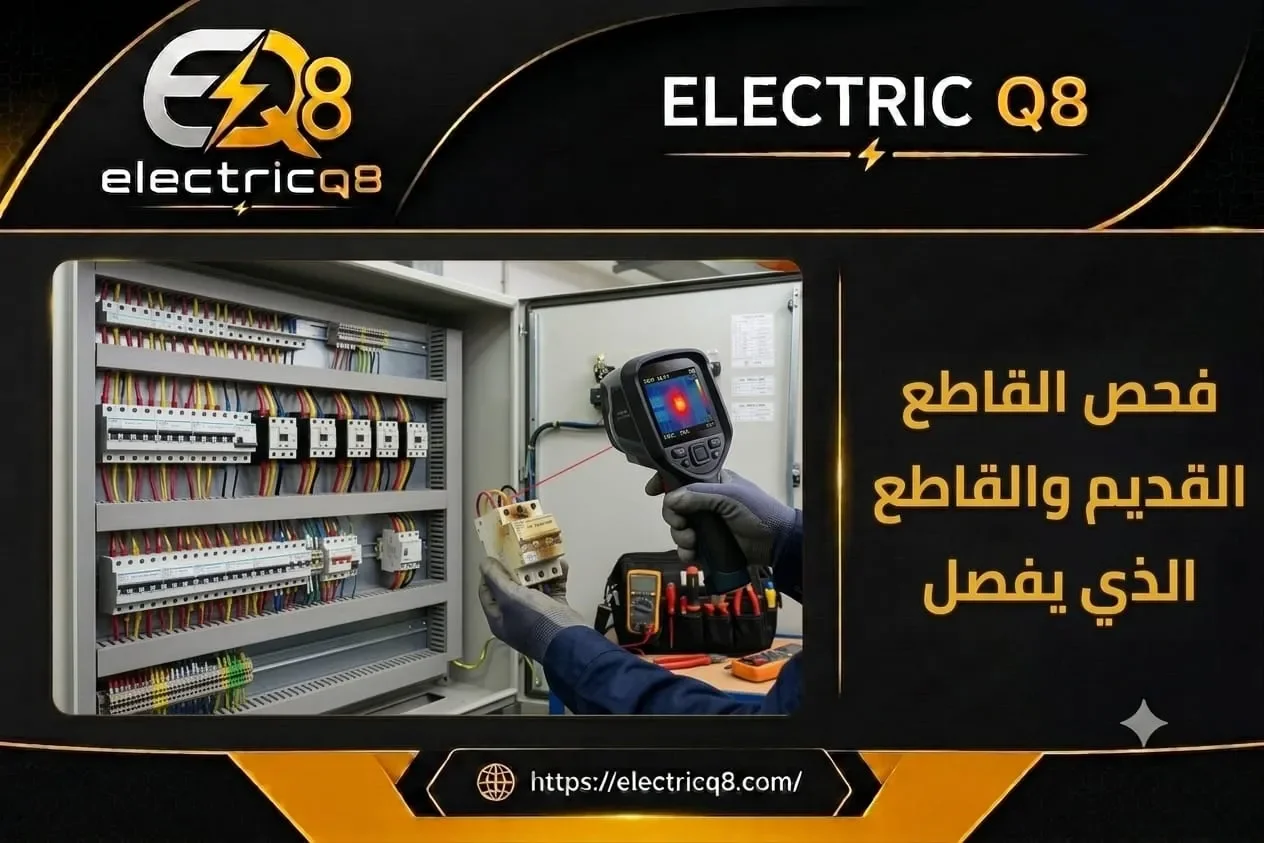
The main circuit breaker is not simply a switch that turns off electricity throughout the house. It is a fundamental part of the electrical supply and protection system inside the panel, which is why certain changes in its behavior deserve inspection before they develop into a complete outage or more extensive heat damage. The difficulty is that symptoms associated with the main breaker can resemble other electrical problems such as a poor connection point, excessive load, a supply issue, or a fault in another panel component. For this reason, one symptom alone should not be used to condemn the breaker. A proper inspection connects overheating, tripping, operating difficulty, signs of thermal damage, and actual measurements before determining whether the breaker remains suitable for service or should be replaced while also correcting the cause of its deterioration.
Signs of Main Circuit Breaker Damage
There are several signs of main circuit breaker damage that may indicate a developing problem, but no single sign automatically proves that the breaker itself has reached the end of its service life. Important warning signs include persistent abnormal heat around the breaker, discoloration of its body, heat marks around connection points, or the smell of overheated or burned insulation. Inspection is also appropriate if the operating handle begins to feel noticeably different in movement or stability, or if there is a clear problem returning the breaker to the ON position after the original reason for tripping has been addressed. These observations become more diagnostically significant when they are new or continue getting worse over time.
From a practical electrical troubleshooting perspective, the exact location of a warning sign can make a major difference. If discoloration or heat is concentrated around a particular terminal, the underlying problem may be the electrical connection or conductor rather than the internal breaker mechanism alone. If thermal damage appears across the breaker body itself or is accompanied by changes in mechanical operation, evaluation of the breaker component becomes more important. Similarly, a main breaker that repeatedly trips should not immediately be classified as defective because it may be responding correctly to an overload or electrical fault somewhere downstream.
A warning sign does not have to involve complete loss of electricity. Sometimes the problem begins with heat, odor, or limited physical deterioration before progressing to an obvious failure. Early inspection creates an opportunity to identify the cause before damage becomes more extensive. If smoke, sparks, melting, or severe heat appears inside the electrical panel, do not touch the breaker or open the panel cover in an attempt to inspect it. Keep away from the affected area and arrange urgent assistance from a qualified electrical professional.
-
Discoloration of the main breaker or heat marks around its body or terminals provide an indication that requires inspection to determine whether the source is inside the breaker or at an associated electrical connection.
-
A noticeable change in the movement or stability of the breaker handle deserves evaluation, particularly when it appears together with heat, unusual odors, or other visible signs of damage inside the panel.
-
Repeated tripping alone does not prove that the main breaker is defective because it may be performing its protective function in response to another problem, so the cause of tripping should be identified before replacement.
Main Circuit Breaker Replacement in Kuwait
A decision about main circuit breaker replacement in Kuwait should be based on inspection because this breaker is associated with the property's main electrical supply and is not a component that should be replaced through trial and error. Before replacement, the existing breaker specifications, type of electrical supply, loads it serves, condition of the connections, and the components connected to it inside the panel should be assessed. If the actual problem is a damaged terminal or a conductor affected by overheating, installing a new breaker while leaving that damage in place may allow the same problem to return and affect the replacement component.
When the breaker is confirmed to be damaged, the replacement should be selected according to system requirements rather than assuming that a higher ampere rating is better. The main breaker performs an important protective function within the installation design, so changing its rating without reviewing conductor capacity and coordination with the rest of the protective system may be inappropriate. Compatibility with the panel, installation method, and required protection characteristics should also be confirmed rather than selecting a component simply because it looks similar to the old breaker.
Replacement cost can be determined more accurately after the scope of the problem is known. There is a significant difference between replacing a defective breaker when its terminals and surrounding conductors remain healthy and repairing a situation where heat has damaged terminals, insulation, or other parts of the electrical panel. The better service is therefore not necessarily the one offering the cheapest component. It is the service that identifies why the breaker was damaged and clearly explains what needs replacement and what can safely remain. After the work, electrical supply, breaker behavior, and the absence of abnormal heat should be verified instead of treating the return of electricity alone as proof of a successful repair.
-
Proper main breaker replacement includes evaluating connection points and nearby conductors because replacing the breaker alone does not repair thermal damage already present in the electrical supply path.
-
Selecting the new breaker depends on system characteristics, protection requirements, and conductor capacity rather than increasing the ampere rating simply to prevent tripping or accommodate additional loads without proper evaluation.
-
Final replacement cost is affected by the extent of damage inside the panel, making diagnosis before pricing more accurate than assuming every main breaker replacement requires the same work.
When Should the Main Circuit Breaker Be Replaced?
The question when should the main circuit breaker be replaced cannot be answered with a fixed number of years. One breaker may remain in suitable condition for a long period, while a newer component can suffer damage that justifies replacement much sooner. The decision should be based on evidence such as thermal damage, deformation, damaged terminals, an obvious mechanical fault, or inspection results showing that the breaker can no longer perform its function reliably. Replacement may also become necessary when the component is confirmed to be unsuitable for the present system requirements and cannot correctly remain in service.
There is also an important difference between a defective breaker and a breaker that trips because of an external problem. If the property is experiencing electrical demand beyond what the supply is designed to handle, or if a downstream circuit contains a fault, replacing the main breaker alone may change nothing. Installing a breaker with a higher rating merely to prevent tripping can also create a protection problem when the conductors and the rest of the system were not designed for that rating. Electrical load, connection condition, and the circumstances surrounding the trip should therefore be examined before concluding that the breaker itself requires replacement.
It is equally unwise to wait until the main breaker completely stops functioning when there is already clear evidence of deterioration. Thermal deformation, recurring burning odors, visible damage, or a confirmed mechanical operating problem are reasons to arrange inspection and replacement when necessary before a larger failure occurs. At the same time, a healthy breaker should not be replaced simply because it is old or because electrical loads in the property have expanded without first evaluating the complete system. The correct decision distinguishes evidence-based preventive maintenance from unnecessary replacement of serviceable components.
-
Main breaker replacement becomes justified when inspection confirms thermal damage, mechanical deterioration, or unreliable operation rather than simply because the component has reached a certain age.
-
A breaker that trips because of an overload or downstream electrical fault may be correctly performing its protective function, so the external cause should be addressed before declaring that the breaker requires replacement.
-
Avoiding complete failure is particularly important when deformation, burn marks, or confirmed operating problems are already present because these warning signs justify inspection and intervention before damage progresses.
Signs of a Main Circuit Breaker Fault
The signs of a main circuit breaker fault can appear before the property experiences a complete power outage. Some problems develop gradually before the breaker reaches a point where it no longer operates at all. A homeowner may notice a new change in the electrical supply that appears to be associated with the breaker, find that the operating handle no longer moves or remains in position as it previously did, or notice unusual heat or odor around the breaker area. Each symptom still requires technical interpretation because poor electrical supply or an outage may also originate from a connection point or another component in the electrical path rather than the main breaker itself.
One situation requiring careful diagnosis occurs when the main breaker trips and then does not remain reset after obvious loads have been removed. This behavior does not immediately mean the breaker mechanism is defective because an electrical fault may still exist in one of the circuits supplied by it. Systematic isolation and appropriate measurements are therefore needed to determine whether the breaker is responding to a downstream condition or whether the fault is inside the breaker itself. Repeatedly resetting the breaker is not a diagnostic method and does not repair the problem.
It is also necessary to distinguish electrical faults from mechanical faults. A circuit breaker contains both an operating mechanism and protective functions, so a change in handle movement, inability to remain properly positioned, or visible physical damage deserves assessment independently of electrical load measurements. If mechanical warning signs appear together with heat or burn marks, the need for inspection becomes more urgent. Reliable diagnosis combines breaker behavior, panel condition, electrical connections, and measurements rather than relying on one symptom.
-
A main breaker that does not remain reset should not be declared defective until an ongoing fault in one of the circuits it supplies and protects has been ruled out.
-
A noticeable change in the mechanical feel of the operating handle or its inability to remain in its normal position requires assessment of the breaker mechanism rather than treating the problem as an electrical load issue alone.
-
Abnormal operating behavior combined with heat, odor, or visible physical damage increases the importance of inspection because several warning signs together provide stronger evidence about component condition.
Symptoms of Main Electrical Breaker Damage
Symptoms of main electrical breaker damage can appear differently depending on the type and location of the problem. Sometimes the evidence is obvious, such as deformation, blackening, or a burning smell around the breaker. In other cases, it may be less obvious, such as a change in operating behavior or an unusual temperature rise during normal household electricity use. A customer may also notice that the problem becomes more apparent as electrical demand increases without being able to determine whether the heat originates inside the breaker or at a connection terminal.
An unusual electrical sound coming from the main breaker area is another symptom that deserves attention. Buzzing, clicking, or a possible arcing sound cannot be diagnosed simply by listening because the source may be a connection point or neighboring panel component. However, a new sound that changes with electrical load or occurs together with overheating should not be ignored. The electrician should identify the source of the sound and its relationship with load and terminal condition rather than assuming that breaker replacement alone will solve it.
Reduced electrical supply in part of the property or intermittent power is not an exclusive symptom of main breaker failure. These conditions can result from other problems in the electrical supply path or connections, so they should not be used alone to condemn the breaker. Suspicion becomes stronger when there is evidence directly associated with the breaker, such as heat damage, mechanical deterioration, or abnormal test results. This approach prevents replacement of a healthy main breaker while the actual fault remains elsewhere.
-
Odor, blackening, or deformation around the main breaker are physical symptoms that deserve prompt inspection because they may indicate abnormal heating of the component or one of its connection points.
-
A new sound from the breaker area requires identification of its source and relationship with electrical load because the problem may involve the breaker, a connection point, or a neighboring panel component.
-
Weak or intermittent electrical supply should not be used alone as evidence of main breaker damage because the same symptoms can originate from other faults in the electrical supply path and connections.
Main Electrical Breaker Replacement in Kuwait

When carrying out main electrical breaker replacement in Kuwait, the work should be treated as part of the property's electrical supply and protection system rather than simply removing one component and installing another. The new breaker needs to be appropriate for the electrical panel, supply arrangement, conductors, and required protection. For this reason, the replacement should not be selected based only on the ampere rating or because its external appearance resembles the old breaker.
Before installation, the position where the previous breaker operated should be assessed carefully. If there are heat marks around the terminals, damage to the end of a conductor, or deterioration affecting part of the panel, these conditions should not simply be hidden behind the new component. Correcting the cause and extent of the damage is an essential part of replacement because a damaged connection can create abnormal heat again even when a completely healthy new breaker has been installed.
From a practical cost perspective, replacement requirements vary according to the work involved. A case requiring a suitable breaker and straightforward installation differs from a panel with thermal damage requiring repair to a conductor, connection point, or additional component. A quotation following inspection is therefore more realistic. After replacement, electrical supply operation, connection condition, and breaker behavior should be checked under suitable conditions rather than considering the job complete simply because power has returned.
-
Main breaker replacement requires compatibility between the new component, electrical panel, supply, and protection requirements rather than using ampere rating or external appearance as the only selection criteria.
-
Heat damage at the old breaker's connection point changes the repair scope because the damaged conductor or terminal should be addressed before the new breaker can be considered a complete solution.
-
Verifying stable electrical supply and the absence of abnormal heat or breaker behavior after installation provides stronger evidence of a successful repair than simply observing that electricity has returned.
Home Main Circuit Breaker Inspection
A home main circuit breaker inspection begins with understanding the complaint itself. Does the breaker trip? Is it overheating? Does the problem appear when particular electrical loads are operating? Was any recent electrical modification performed? Is there a complete outage, or has the homeowner only noticed an odor or abnormal sound? Organizing this information helps the electrician build an appropriate inspection plan rather than approaching the panel with a predetermined assumption that the breaker needs replacement.
The external condition of the panel and breaker is then reviewed for signs of overheating or physical changes before appropriate measurements are taken according to the problem. The assessment considers the electrical load passing through the supply, the condition of connection points, and whether the breaker remains appropriate for the system. If tripping is the main complaint, the circumstances in which it occurs should be studied because the breaker may be responding to a genuine condition that requires correction elsewhere.
A good inspection also considers components that may be directly affected by the breaker problem. If heat has reached a conductor, terminal, or neighboring component, simply writing "defective breaker" does not provide a complete diagnosis. The objective is to determine the entire scope of the problem so the customer understands whether only one component needs replacement or additional repairs are required. This type of inspection reduces trial-and-error component replacement and provides a more accurate basis for both repair planning and pricing.
-
Beginning the inspection by understanding the conditions in which the problem appears helps connect tripping or overheating with electrical loads and previous modifications rather than assuming one cause before measurements are performed.
-
Evaluating the main breaker includes connection points, electrical load, and system compatibility because the physical condition of the breaker body alone does not determine the health of the associated electrical supply path.
-
Discovering that damage has extended to a conductor or neighboring component makes the repair scope broader than breaker replacement alone and should be explained before work begins.
Main Circuit Breaker Is Not Working
When the main circuit breaker is not working, the first step is to clarify what that statement actually means. Does the handle refuse to move into the ON position? Does it move and then trip immediately? Does it remain in the ON position while electricity still fails to reach the property? Each condition points toward different possibilities, so saying that "the breaker is broken" is not enough for accurate diagnosis.
If the breaker will not remain reset after a trip, there may be a continuing electrical fault in the system or a problem with the breaker mechanism itself. If the breaker appears to remain in the ON position while the house still has no electricity, this does not automatically mean the breaker is defective because different points along the electrical supply path may require verification. This situation differs from a breaker with obvious burn damage or a physically damaged operating mechanism, which is why a replacement should not be purchased before the location of the fault is identified.
The breaker handle should not be forced into the ON position, and repeated resetting is not recommended when it continues to trip. Protective devices are designed to respond to specific electrical conditions, and physically trying to overcome their response does not repair the underlying cause. If there is smoke, sparks, a burning smell, or obvious panel damage, do not approach the panel to perform experiments. Arrange qualified electrical assistance and treat the condition as an urgent electrical fault.
-
Saying that the main breaker is not working requires a more precise description because a handle that will not remain reset is diagnostically different from a breaker that stays ON while the property remains without power.
-
Failure of electricity to reach the property while the breaker appears to be ON requires inspection of the electrical supply path rather than immediate breaker replacement based only on handle position.
-
Forcing the breaker into the ON position or repeatedly resetting it after tripping does not repair the fault and may ignore a genuine condition requiring the protection to remain disconnected.
Electrician to Replace the Main Breaker in Kuwait
When looking for an electrician to replace the main breaker in Kuwait, it is better to choose a professional who begins with diagnosis rather than promising breaker replacement before inspecting the panel. Useful questions include when the problem began, whether the breaker trips or overheats, whether new electrical loads have been added, whether an odor or discoloration has appeared, and whether previous electrical work has been performed inside the panel. These details help identify both the cause and the actual scope of work.
A qualified electrician should explain the difference between breaker damage and problems involving electrical connections or loads. If replacement is necessary, the electrician should explain why the selected breaker specifications are appropriate for the system rather than simply saying that a larger breaker will be installed. Increasing the rating is not automatically an improvement because protection must remain coordinated with conductor capacity and the electrical supply design.
Clear pricing after inspection is another sign of a better service. The customer should understand whether the quotation covers only the breaker and installation or whether additional work is required on terminals or conductors affected by overheating. This clarity reduces unexpected costs and allows the customer to compare services according to the actual repair scope. The greatest value is not necessarily the fastest replacement but identifying why the breaker deteriorated and preventing the same cause from damaging the new component.
-
An electrician who asks about tripping patterns, electrical loads, and previous modifications before recommending replacement is more likely to diagnose the actual problem than someone who changes the component immediately after hearing the complaint.
-
Explaining why the specifications of the replacement breaker were selected gives the customer greater confidence that the work preserves protection requirements rather than relying on a higher ampere rating as a quick solution.
-
Providing a quotation after assessing terminals and conductors connects the price to the real scope of work and prevents customers from comparing fundamentally different services based only on the cost of the breaker.
Main Circuit Breaker Safety Inspection
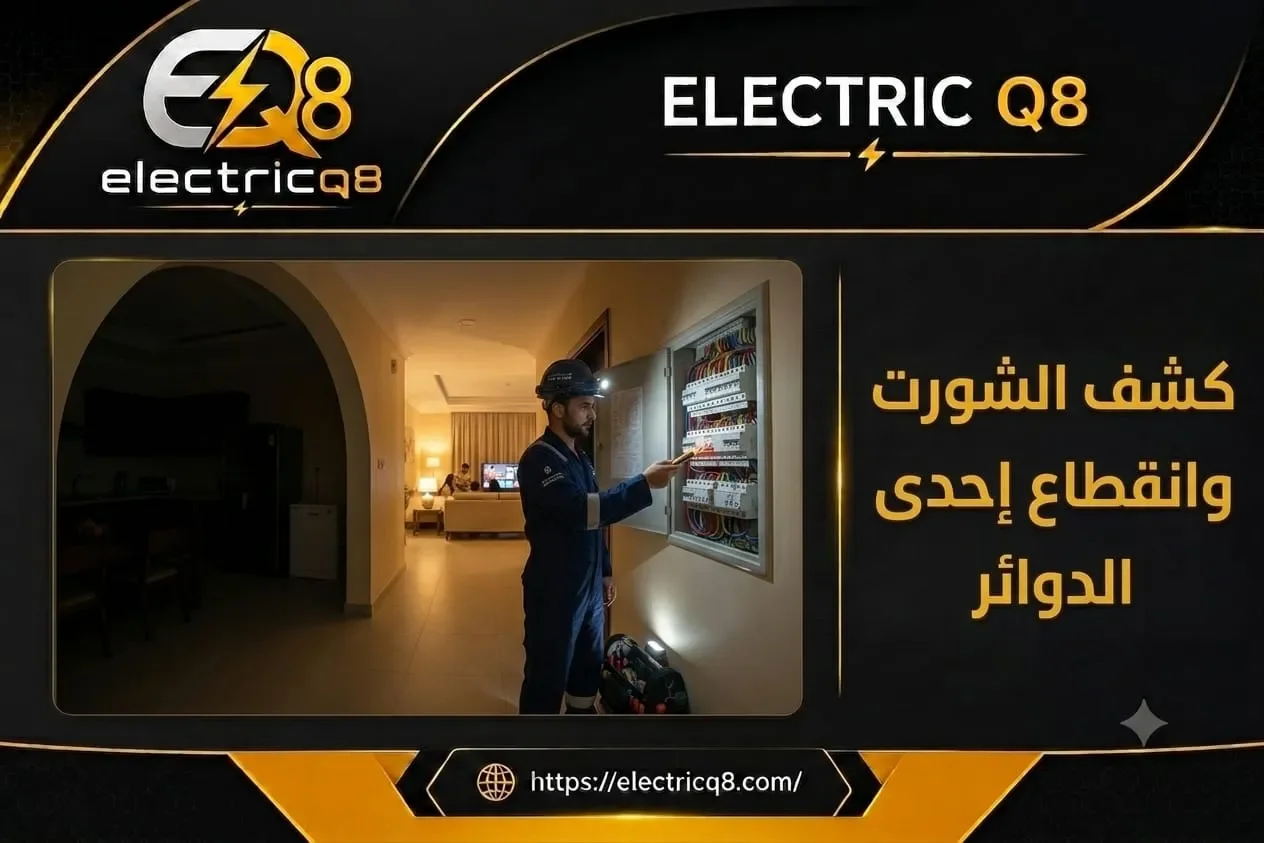
The purpose of a main circuit breaker safety inspection is not to wait for a complete failure but to confirm that the breaker and its connection points continue operating in the required condition. Inspection becomes more important when there is a new observation such as unusual heat, an abnormal odor, repeated tripping, a change in breaker-handle movement, or evidence of thermal damage inside the electrical panel. It can also be valuable when assessing an older panel serving electrical loads that have changed considerably over the years.
The inspection evaluates the breaker as part of the electrical system rather than as an isolated component. Electrical load, connections, conductors, physical condition, and compatibility with the supply are considered before abnormal indications are interpreted. This process may reveal that the breaker itself remains healthy while the problem is located at a connection point, or it may confirm actual breaker deterioration that makes replacement the more appropriate decision.
Preventive inspection is valuable when it identifies a condition that can be corrected before it develops into a burned connection point or unexpected power loss. This does not mean breakers should be replaced periodically without evidence. Good preventive maintenance is based on actual condition, measurements, and operating history. If inspection confirms that the breaker remains suitable, replacing it simply as a precaution provides little value. If clear deterioration is found, however, the problem can be addressed before the electrical supply continues operating under unsuitable conditions.
-
A safety inspection becomes particularly valuable when a new change in heat, odor, tripping, or mechanical behavior appears because it allows the condition to be assessed before waiting for complete breaker failure.
-
Evaluating the breaker together with electrical load, connection points, and conductors prevents confusion between failure of the component itself and a nearby problem capable of producing similar symptoms.
-
Correct preventive maintenance does not mean replacing a breaker without evidence but using inspection to determine what can safely remain in service and what genuinely requires repair or replacement.
Conclusion
The appearance of signs of main circuit breaker damage does not mean the property should wait until electricity fails completely before arranging an inspection. Abnormal overheating, discoloration, odors, burn marks, changes in breaker-handle movement, and unusual operating behavior are all warning signs worth evaluating, particularly when several appear together or become progressively worse. At the same time, every trip should not be treated as proof that the breaker is defective because the actual problem may involve electrical load, a downstream circuit fault, or a damaged connection point. The correct decision begins with inspection and then determines whether the cause can be repaired while the breaker remains in service or whether main circuit breaker replacement in Kuwait has become necessary. If smoke, sparks, melting, or severe heat appears, do not open the electrical panel or touch the breaker and arrange urgent qualified electrical assistance.
Frequently Asked Questions
Can the main breaker deteriorate before the power fails?
Yes. Some signs of deterioration can appear before complete failure, including abnormal overheating, discoloration, unusual odors, or problems with the operating mechanism. The fact that electricity is still reaching the property does not by itself prove that the main breaker is healthy.
Does repeated tripping mean the main breaker needs replacing?
Not always. The breaker may be tripping because of an electrical load or a fault in one of the circuits it supplies. The reason for the tripping and the operating conditions should be identified before deciding that the main breaker itself is defective.
Can I install a higher-amp main breaker?
The main breaker rating should not be increased simply to prevent tripping. Protective devices need to remain compatible with conductor capacity, the type of electrical supply, and overall system design, so any change in specifications requires appropriate professional evaluation.
How much does main breaker replacement cost in Kuwait?
The cost varies according to the breaker type, installation requirements, condition of the electrical connections and conductors, and whether overheating has caused additional damage inside the panel. An inspection therefore provides a more accurate basis for pricing than applying one fixed cost to every replacement.
When does a main breaker problem become an emergency?
If there is smoke, sparking, a strong burning smell, melting, severe overheating, or obvious damage inside the electrical panel, do not touch the breaker or open the panel cover. Keep away from the affected area and arrange urgent qualified electrical assistance.