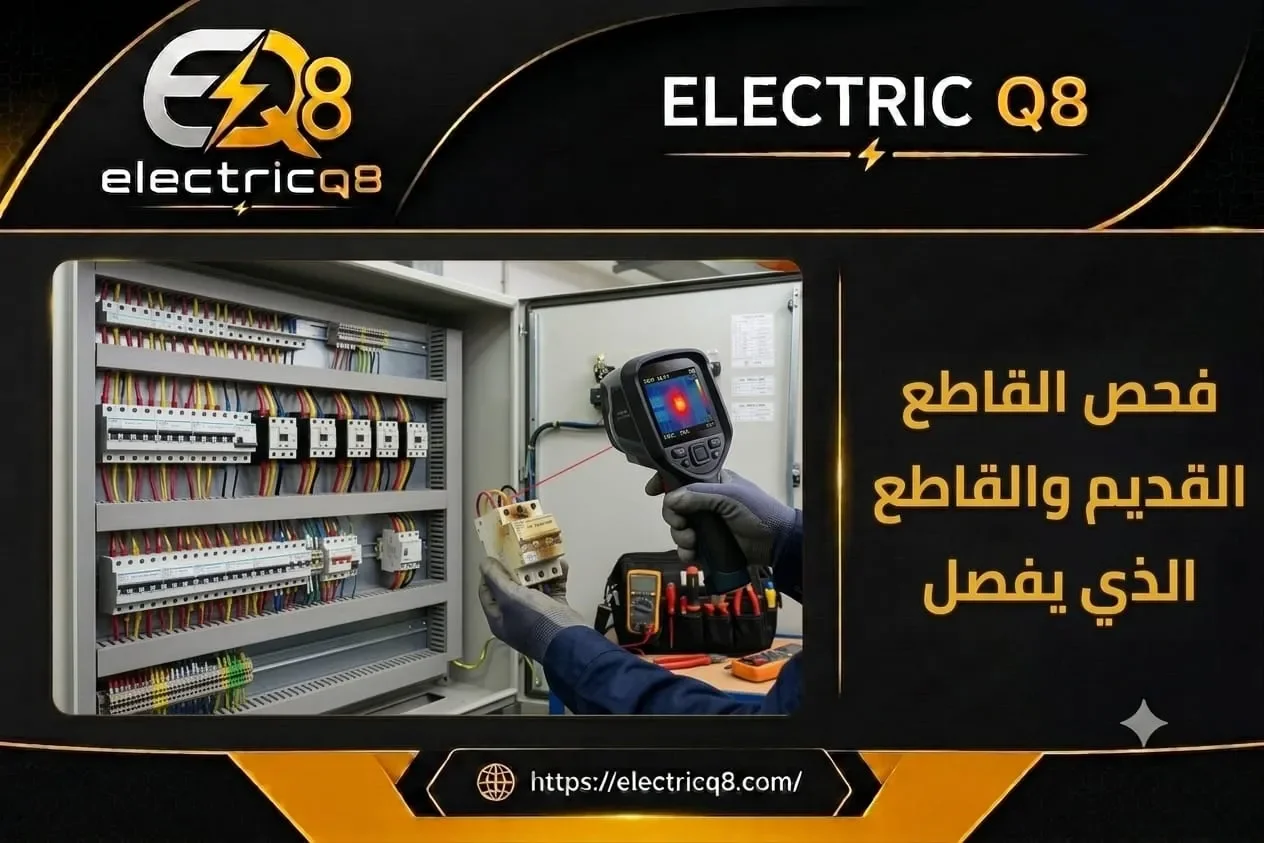
If an old circuit breaker has started becoming noticeably hot, age alone is not enough reason to replace it, and overheating should not automatically lead to breaker replacement before its source is identified. The heat may be related to the electrical load passing through the circuit, an unstable connection point, the internal condition of the breaker, or whether the breaker remains suitable for the cable and current use. This distinction matters because installing a new breaker on a damaged connection or an improperly loaded circuit may allow the same problem to return. A proper inspection reviews the load, connections, signs of overheating, and breaker condition before determining whether the cause can be corrected while keeping the breaker or whether replacement has genuinely become necessary with a suitable component for the circuit.
Electrical Breaker Gets Hot in Kuwait
When an electrical breaker gets hot in Kuwait, the first step is to determine whether there is an abnormal temperature rise or only a limited temperature change associated with normal operating conditions. Current passes through the breaker, and its temperature can vary during operation depending on electrical load, component design, panel conditions, and the surrounding environment. However, noticeable heat that has recently appeared, continues increasing over time, or is significantly different from breakers operating under similar conditions deserves inspection. The situation becomes more important when the heat is accompanied by discoloration, the smell of hot insulation, abnormal sounds, or repeated tripping.
The location of the heat provides the electrician with useful information. If the temperature is concentrated around an incoming or outgoing conductor terminal, the direction of the inspection may differ from a breaker whose entire body becomes unusually hot. A poor electrical connection can create localized heating even while the circuit load remains within the expected range. Conversely, the connection may be sound while the actual current or operating conditions of the circuit require further evaluation. For this reason, touching only the front of the breaker is not enough to determine the cause, and homeowners should not open the electrical panel or touch internal components to locate the source of the heat.
A qualified electrician begins by identifying the circuit protected by the breaker, the appliances connected to it, and when the temperature increase appears. The load, electrical connections, and breaker condition are then assessed. When necessary, appropriate electrical and thermal measurements can provide a clearer picture of the condition. If overheating is accompanied by smoke, a strong burning smell, or visible deformation of the component, the circuit should not simply remain in operation while waiting for the breaker to trip on its own.
-
A breaker that is noticeably hotter than comparable breakers operating under similar conditions provides an important diagnostic clue and justifies checking the electrical load, connections, and condition of the breaker.
-
Heat concentrated near a terminal may direct attention toward connection quality, while a general temperature rise across the breaker body requires a broader assessment that includes electrical load and component condition.
-
A burning smell, smoke, discoloration, or deformation together with breaker overheating requires the circuit to be taken out of use safely without opening the panel or attempting a homeowner repair.
Cause of Electrical Breaker Overheating

Determining the cause of electrical breaker overheating requires separating the possible causes instead of grouping every case under the term "overload." Electrical load is certainly an important part of the inspection, but other possible causes include a poor terminal connection, previous heat damage, a component that is unsuitable for the circuit, or deterioration of the breaker over time. More than one factor may also exist simultaneously, such as an older breaker serving a circuit whose use has changed and now carries different loads from those it originally supplied.
An important technical distinction is the difference between heat caused by excessive current and localized heat caused by increased resistance at an electrical connection. In the first case, the electrician examines actual load, load distribution, conductor specifications, and breaker characteristics. In the second case, the measured circuit load may not appear unusual, yet one particular terminal can become hot because of inadequate electrical contact. This explains why installing a larger breaker is not a logical solution to overheating and may be inappropriate if conductor capacity and circuit requirements have not been verified.
The history of the problem should also be considered. Did the overheating begin after a new appliance was added? Has the breaker been replaced before? Was electrical work recently carried out inside the panel? Does the breaker occasionally trip or remain on despite becoming hot? These details help direct the inspection but do not replace proper measurements. Good diagnosis should identify a specific cause whenever possible rather than ending with a general statement such as "the breaker is old," because the actual cause determines whether the solution involves repairing a connection, correcting the electrical load, or replacing the breaker.
-
Breaker overheating does not automatically mean the circuit is overloaded because a weak connection point, damaged component, or breaker that is unsuitable for the circuit can produce similar thermal symptoms.
-
Distinguishing between heat caused by high current and heat concentrated at a connection point prevents incorrect decisions such as increasing breaker capacity without reviewing the cable and circuit.
-
Knowing what changed before the overheating began, such as adding appliances or carrying out work inside the panel, provides useful diagnostic context but should be combined with measurements before the cause is confirmed.
Old Electrical Breaker Gets Hot
When an old electrical breaker gets hot, some people immediately treat its age as the final diagnosis, but age is actually only one factor among several rather than an independent reason for replacement. An older breaker may remain suitable for service if its specifications match the circuit and it has not suffered damage, overheating, or abnormal operation. At the same time, a newer breaker may require replacement if clear signs of deterioration are present. The more useful question is therefore not simply, "How old is the breaker?" but, "What is its condition now, and does it remain suitable for the circuit while performing its protective function correctly?"
Over the years, the electrical demands of a home can change considerably. Air conditioners, water heaters, kitchen appliances, and other electrical loads may be added while some circuits and the distribution panel remain unchanged. In this situation, overheating of an older breaker does not mean the solution is automatically to install an identical new breaker because the problem may be associated with how the circuit is currently being used. This is where reviewing the present electrical load and comparing it with the original circuit design becomes more valuable than treating the breaker as an isolated component.
Physical signs also help assess the breaker, including discoloration of its body, heat marks around the terminals, plastic deformation, poor mounting, or unusual tripping behavior. If inspection confirms that the component has suffered thermal damage or can no longer be considered reliable, cleaning it or continuing to use it simply because it still conducts electricity is not an appropriate decision. The cause of the damage should first be identified, followed by selection of a replacement compatible with the circuit and its required protection.
-
Breaker age contributes to the overall assessment but is not enough by itself to justify replacement because actual condition and compatibility with the circuit matter more than the number of years in service.
-
Changes in household electrical loads while the original circuit remains unchanged make reviewing present-day use essential before automatically installing a new breaker with the same specifications.
-
Heat marks, deformation, discoloration, and unusual breaker behavior provide stronger evidence for intervention than relying on age or external appearance alone.
When Should an Electrical Breaker Be Replaced?
Answering when an electrical breaker should be replaced depends on inspection results rather than the age of the breaker alone or the number of times it has tripped. A breaker's purpose is to protect the electrical circuit according to its designed characteristics, so tripping under certain conditions can indicate that it is performing its function rather than automatically proving that it is defective. Replacement becomes reasonable when there is evidence that the component itself has deteriorated or when testing confirms that it is no longer suitable for service or for the circuit it protects.
Signs that may support replacement include thermal damage to the breaker body or terminals, obvious discoloration, deformation, or a mechanical problem with the operating mechanism. If the breaker is fundamentally incompatible with the requirements of the circuit or panel, the selection should also be corrected rather than continuing to use an unsuitable component. However, before installing the replacement, it is essential to determine why the previous breaker overheated or became damaged so the same problem is not transferred to the new component.
In contrast, replacement is not necessarily required simply because a breaker tripped in response to a genuine overload when the cause of that overload has been corrected and inspection confirms that the breaker remains suitable. This is where diagnosis before purchasing replacement parts provides real value. It may save the customer from unnecessary replacement or reveal a more important problem that was hidden behind the breaker. A professional decision considers component condition, electrical load, connections, and protection requirements rather than applying a general rule that every hot breaker must be replaced.
-
Breaker replacement becomes more justified when thermal or mechanical damage or unreliable operation is confirmed rather than simply because the breaker tripped during a condition it was designed to respond to.
-
Discovering that a breaker is unsuitable for the circuit requires selecting a replacement compatible with the cable, load, and panel system rather than increasing its rating to prevent tripping or overheating.
-
Identifying why the old breaker was damaged before installing a new one protects the replacement component from being exposed to the same conditions that caused the original problem.
Replacing a Hot Electrical Breaker in Kuwait
Replacing a hot electrical breaker in Kuwait requires a diagnostic step before the old breaker is removed and another one installed. If the heat is caused by an unstable electrical connection, replacing the breaker body while leaving a damaged terminal or conductor unchanged may not solve the problem. If the cause is an unsuitable circuit load, the new breaker will operate under exactly the same conditions. The work should therefore begin by identifying the source of the heat and determining which components genuinely require attention.
After the electrical supply has been isolated using appropriate procedures, the electrician inspects the breaker position, terminals, conductors, and surrounding components for evidence of overheating. If damaged insulation, conductor ends, or connection points are found, their condition should be included in the repair assessment. It is also necessary to confirm that the replacement breaker is appropriate for the electrical panel and circuit rather than simply being a component that physically fits into the old breaker's position. Electrical compatibility and the required protection characteristics matter more than external similarity.
There is also no single price that accurately represents every breaker replacement. Replacing a damaged breaker while all associated connections remain healthy is different from repairing a situation where heat has affected wiring or other components inside the panel. The most accurate cost therefore follows inspection and identification of the actual repair scope. This gives the customer pricing connected to the work genuinely required instead of paying for unnecessary repairs or receiving a quick replacement that leaves the original problem unresolved.
-
Replacing a hot breaker begins by identifying the source of heat because installing a new breaker on a damaged electrical connection can allow the overheating to return.
-
The replacement breaker should be selected according to compatibility with the circuit, panel, and required protection rather than simply because it fits in the same position or looks similar to the old component.
-
Replacement cost varies according to the condition of conductors, terminals, and surrounding components, making professional inspection a more reliable basis for pricing than one fixed amount for every case.
Breaker Gets Hot When Electrical Load Increases
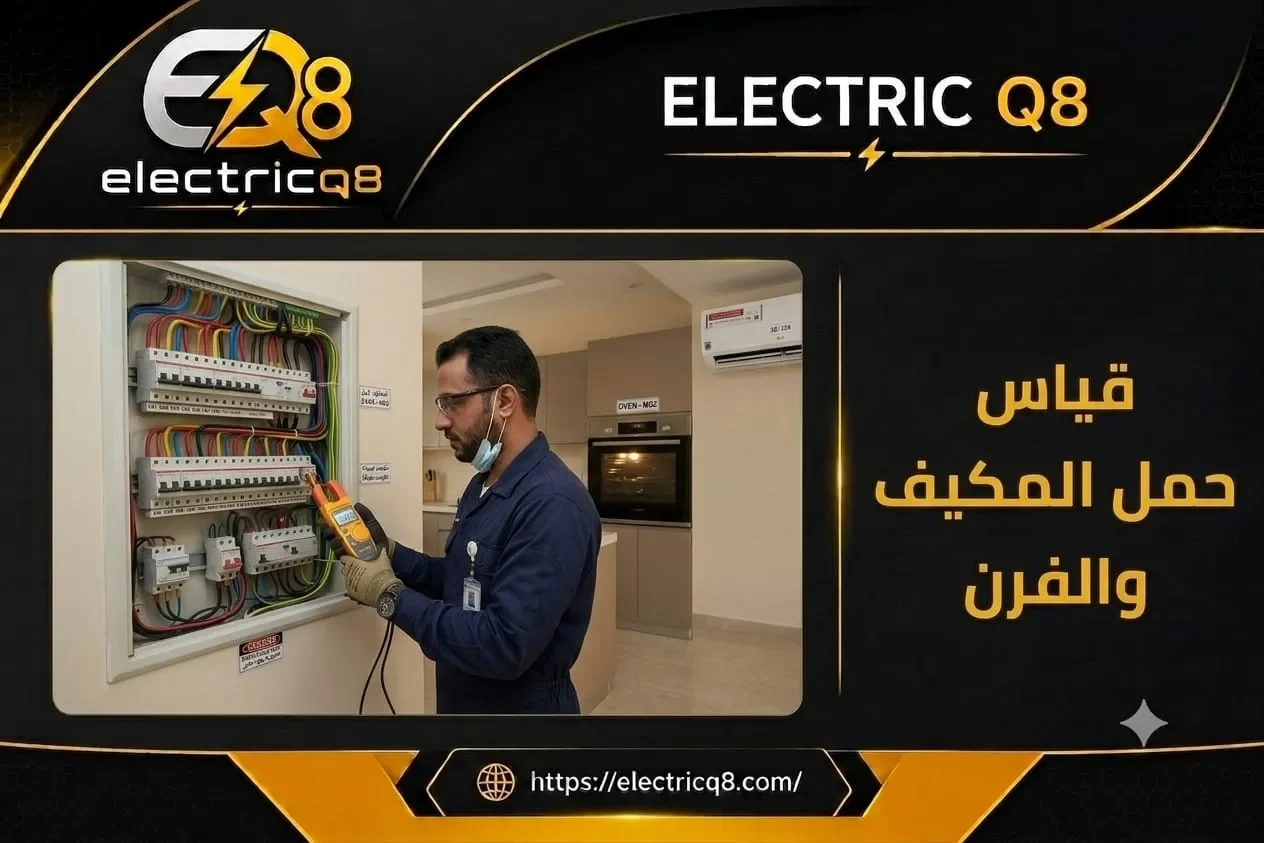
If a breaker gets hot when electrical load increases, the relationship between temperature and current becomes a central part of the inspection, but it should not immediately be assumed that the breaker is undersized. Increased electrical demand can expose a weak connection or damaged component that appeared normal when consumption was low. Actual load should therefore be compared with the circuit design and the specifications of the conductor and breaker instead of examining the breaker alone.
A practical example is a circuit that behaves normally with lighter loads but develops noticeable breaker heating when several high-demand appliances operate simultaneously. In this case, the electrician reviews which appliances share the circuit, how the electrical load is distributed, and whether current usage remains consistent with the circuit design. If inappropriate loading is identified, the solution may involve redistributing electrical demand or modifying the supply appropriately rather than installing a larger breaker.
This distinction is especially important because increasing breaker capacity without confirming conductor capacity can reduce the level of protection the circuit was designed to provide. A circuit breaker is not a device intended to allow any desired load to pass. It is one part of a protective system whose components need to work together correctly. If the breaker remains unusually hot even when the load is appropriate, the inspection can then focus more closely on the breaker, electrical connections, and other causes of temperature rise.
-
Breaker heating that coincides with additional electrical loads makes current measurement and identification of appliances sharing the circuit necessary before deciding that the breaker rating is the problem.
-
Overheating that appears under load may expose an existing weakness at an electrical connection and does not automatically prove that the breaker capacity is too low.
-
Increasing the breaker rating to stop overheating or tripping without verifying cable capacity and circuit protection requirements can compromise protection and is not a proper repair.
Inspecting an Old Electrical Breaker
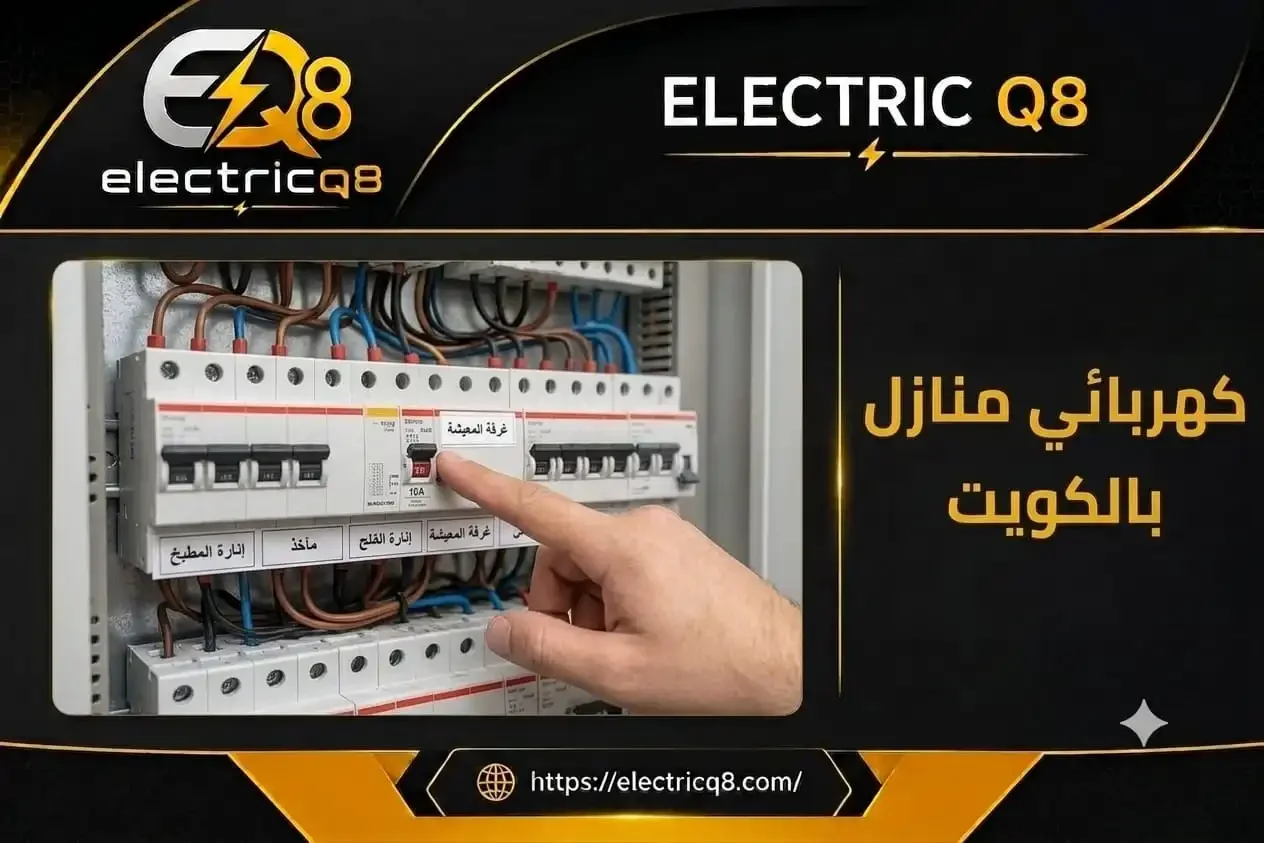
Inspecting an old electrical breaker requires evaluating its condition and protective role rather than simply reading the rating printed on it or considering the age of the electrical panel. The electrician begins by identifying the circuit it protects and the loads currently connected to that circuit before reviewing the breaker, its electrical connections, and any signs of overheating around it. This comparison matters because the way the property uses electricity today may be very different from when the panel was originally installed.
Visual inspection looks for discoloration, deformation, heat damage, and the condition of the terminals and mounting. Appropriate measurements can then be taken according to the circumstances to understand the load and circuit behavior. Comparing the breaker with other breakers serving similar loads may also help identify an abnormal temperature difference, although this comparison alone cannot determine the final decision because operating conditions can vary between circuits.
The purpose of inspection is not to prove that every old electrical component must be replaced. In some panels, the problem may be confined to one breaker or one specific connection while the remaining components continue to be suitable for service. In other cases, inspection may reveal several conditions that justify a broader assessment. This evidence-based approach produces a more reliable decision and prevents healthy components from being replaced simply because of their age.
-
Inspecting an older breaker connects its present condition with the loads it serves today because circuit usage may have changed considerably since the original installation.
-
Discoloration, deformation, heat marks, and terminal condition provide practical evidence for assessing the breaker but should be interpreted together with measurements and circuit behavior.
-
A professional inspection does not assume that an old panel requires replacement of all its components but identifies individually which parts are damaged or no longer suitable.
Signs of a Damaged Electrical Breaker
Knowing the signs of a damaged electrical breaker can help a homeowner request an inspection at the right time, but it does not mean opening the panel and manually testing the breaker. Signs that may be noticed externally include a burning smell, discoloration, visible deformation, abnormal sounds, or a recurring heat problem around the same breaker. A noticeable change in how the breaker behaves compared with its previous operation can also justify professional evaluation.
Repeated tripping by itself does not prove that the breaker is defective. The breaker may be operating because of an overload or another electrical fault in the circuit, so replacing it without diagnosis can temporarily hide the symptom or allow the problem to return immediately. Conversely, a breaker that remains on should not automatically be considered healthy if there is clear evidence of heat damage or deterioration around it.
If burning, melting, a strong electrical odor, or smoke appears inside the panel, the condition should be treated seriously and the breaker should not be touched simply to check its temperature. Keep away from the panel and isolate the electrical supply only when this can be done safely without approaching the damaged area, then seek appropriate qualified assistance. Visible warning signs should be treated as reasons for inspection rather than invitations to attempt a homeowner repair.
-
Discoloration, deformation of the breaker body, or burn marks around its terminals are physical signs that require assessment of both the component and the electrical connections surrounding it.
-
Repeated tripping can be the correct response to a circuit problem, so the breaker should not be classified as defective before the load and the condition causing it to operate are inspected.
-
Smoke, melting, or a strong burning smell inside the electrical panel requires urgent attention and the breaker or panel cover should not be touched or opened in an attempt to locate the damage yourself.
Electrician for Breaker Replacement in Kuwait
Choosing an electrician for breaker replacement in Kuwait is more effective when the electrician focuses on identifying the cause before recommending replacement. It is reasonable for the electrician to ask when the overheating appears, which appliances are operating, whether the breaker trips, and whether loads or electrical work have recently been added to the circuit. These are not unnecessary questions. They help connect breaker temperature with the way the circuit is actually operating.
During inspection, the electrician should explain whether the problem is located in the breaker itself, the electrical load, a connection point, or a combination of factors. If replacement is required, the new breaker should be selected according to circuit characteristics, protection requirements, and compatibility with the electrical panel. An electrician who recommends a larger breaker simply because the existing one becomes hot or trips, without reviewing the cable and load, is not addressing the underlying cause.
It is also useful for the customer to understand exactly what the quoted price includes. Is it only breaker replacement? Do any terminals or conductors need repair? Is there heat damage that requires additional work? Clearly defining the repair scope after inspection makes service quotations easier to compare fairly than comparing only the price of one breaker without understanding the condition inside the panel.
-
An electrician who diagnoses the cause of overheating before replacement reduces the possibility of installing a new breaker in a circuit that still contains the same problem that damaged the previous component.
-
Selecting the correct replacement should depend on protection requirements, cable capacity, panel compatibility, and electrical load rather than choosing a higher rating as a solution for tripping or overheating.
-
A clear explanation of what the service price includes after inspection helps the customer distinguish between a simple breaker replacement and a repair that also requires damaged terminals or conductors to be addressed.
Replacing a Damaged Electrical Breaker in Kuwait
When replacing a damaged electrical breaker in Kuwait, the work should be viewed as restoring the circuit to an appropriate level of protection rather than simply removing an old component and installing a new one. If inspection confirms that the breaker has suffered thermal or mechanical damage or is no longer suitable for service, the correct replacement should be identified while the mounting point and associated electrical connections are also reviewed.
If heat has affected the conductor end, insulation, or a neighboring component inside the panel, those signs should not be concealed behind the new breaker. The actual extent of damage needs to be repaired before the appropriate component is installed. The factor responsible for the damage should also be corrected if it involves an unsuitable load, poor electrical connection, or another condition capable of affecting the replacement breaker.
Verification follows replacement. The circuit should be operated under suitable conditions while the breaker behavior, electrical load, and absence of abnormal heat, odors, or sounds associated with the previous problem are reviewed. This turns breaker replacement into a verified repair rather than simply changing a component and hoping that the symptoms disappear.
-
Replacing a damaged breaker should preserve the appropriate protection level for the circuit, so the new component is selected according to system characteristics rather than a desire to prevent future tripping.
-
Any heat damage affecting conductors or terminals around the breaker should be repaired before the panel is closed so a weak electrical point is not left behind the replacement component.
-
Checking the circuit under appropriate operating conditions after replacement confirms that the cause of overheating has been addressed and that the new breaker is not being exposed to the same problem.
Conclusion
If an electrical breaker gets hot in Kuwait, particularly when it is old, do not use age alone as a reason for replacement and do not assume that overheating automatically means a larger breaker is needed. The correct decision begins by checking the electrical load, connection points, conductor condition, and breaker itself while determining whether the heating is localized or related to increased current. If thermal or mechanical damage is confirmed or the breaker is no longer appropriate for the circuit, replacement becomes necessary while the cause of the original problem is also corrected. Replacing the breaker without diagnosis can allow the same overheating to return while leaving the actual fault inside the panel. If there is a burning smell, smoke, melting, or severe heat, do not open the panel or attempt the repair yourself and arrange a qualified electrical inspection.
Frequently Asked Questions
Does a hot electrical breaker mean it is damaged?
Not necessarily. The temperature increase may be related to the electrical load, a poor connection point, or the condition of the breaker itself. Inspection and appropriate measurements are needed before deciding whether replacement is required.
Should an electrical breaker be replaced because it is old?
Age alone is not enough to determine that a breaker needs replacement. Its physical condition, signs of overheating, operating behavior, compatibility with the circuit, and present electrical loads should be evaluated before deciding whether it can remain in service.
Will installing a larger breaker solve overheating and tripping?
Not without properly evaluating the circuit. Increasing breaker capacity without confirming cable capacity, electrical load, and protection requirements can make the circuit less safely protected and will not repair a poor connection or correct the underlying cause of excessive load.
How much does replacing a hot breaker cost in Kuwait?
The cost varies according to the type of breaker, the condition of the electrical connections, and whether the damage is limited to the breaker or has extended to conductors and terminals inside the panel. A more accurate price can therefore be provided after inspection determines the actual repair scope.
When does breaker overheating become an urgent problem?
If the breaker becomes extremely hot or the condition is accompanied by a burning smell, smoke, melting, obvious discoloration of components, or unusual electrical sounds, stop using the affected circuit, do not open the panel, and arrange a qualified electrical inspection as soon as possible.