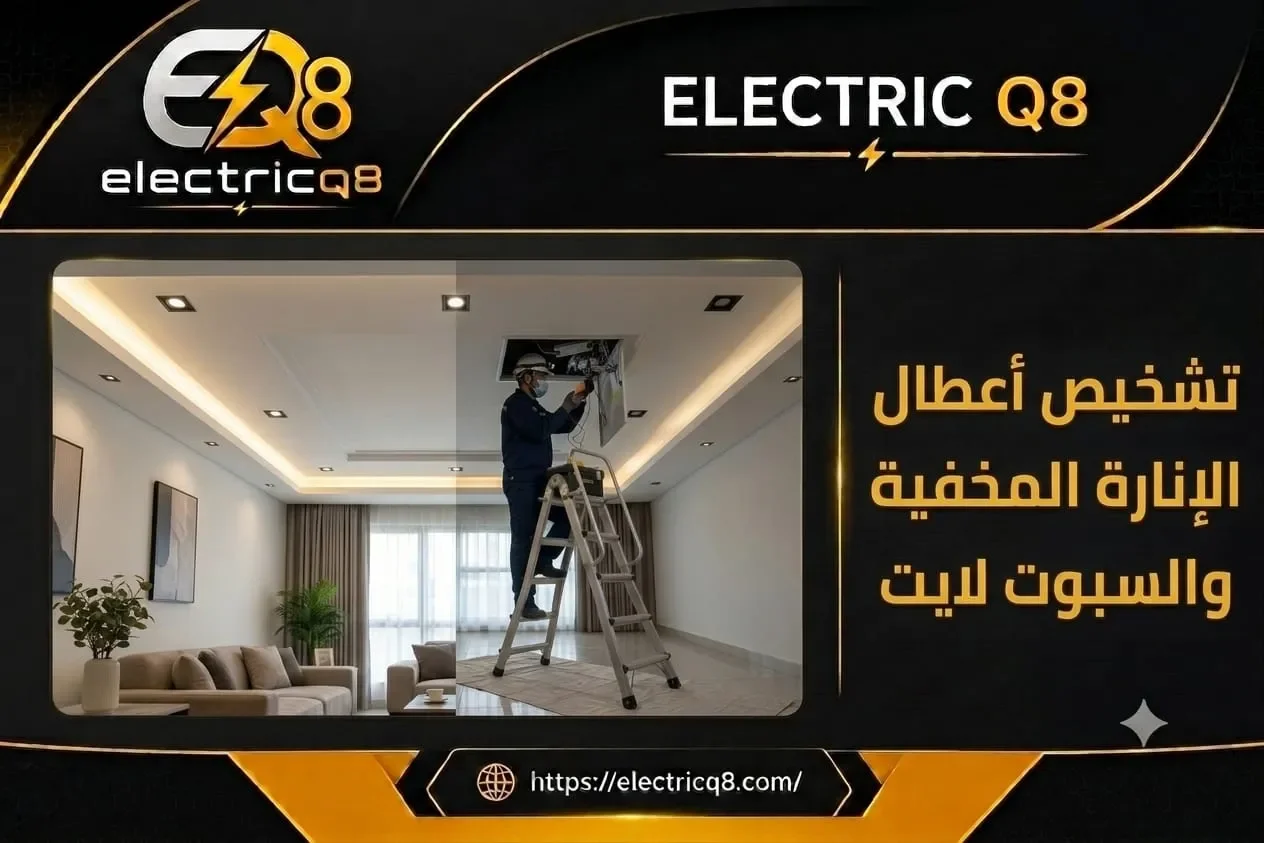
Replacing old lighting with LED is not simply a matter of removing an old bulb and installing a newer one, especially when the home has older wiring, dimmer switches, or lighting fixtures that have been in place for many years. Before conversion, it is better to inspect the existing circuit and determine what can remain and what genuinely needs modification. The wiring and connections may still be suitable, or the inspection may reveal overheating, damaged connections, or incompatible controls that should be corrected before installing LED lighting. This approach allows you to benefit from lower energy consumption and improved lighting quality without carrying an old electrical problem into a new system and later wondering why the LEDs flicker or repeatedly fail.
Replacing Old Lighting With LED
Before replacing old lighting with LED, it is useful to understand what is currently installed instead of immediately purchasing a large quantity of new LED lamps and replacing everything throughout the home at once. Some homes contain fixtures where the existing light source can be replaced directly with a suitable LED alternative, while other locations include transformers, control components, or operating systems that require a different assessment. The electrical circuit itself may also be in good condition while individual lamp holders or connection points have been affected by heat or age. If these components are ignored and new LEDs are installed over them, the lighting may look modern while the original problem remains underneath.
The inspection before replacement should also consider how the current lighting behaves. Do some lamps switch off occasionally? Does one particular point become unusually hot? Are there signs of discoloration or an unusual smell? Does the dimmer operate consistently? Is the problem limited to one room or does it appear in several areas? This information helps distinguish a project that simply needs a lighting upgrade from a circuit that requires repair before modernization. If there are signs of burning, severe overheating, or sparks, the priority should be to stop using the affected section and arrange a qualified inspection rather than installing a new LED lamp to see whether the problem disappears.
Once the circuit condition has been confirmed, the appropriate replacement can be selected. The comparison should not be based on wattage alone because the amount, quality, color, and distribution of light vary between products. If the fixture operates with a dimming system, component compatibility should be verified instead of assuming that every lamp labeled “dimmable” will operate correctly with every older dimmer. A carefully planned replacement retains serviceable components, changes only what genuinely needs updating, and leaves the lighting system easier to maintain instead of converting the entire home randomly.
-
Inspecting the circuit before installing LED lighting reveals whether the problem is limited to the old light source or whether a lamp holder, connection, or control component needs attention so the same fault is not carried into the new lighting.
-
Replacing lamps based only on electrical wattage does not guarantee the same lighting result because the correct choice should consider light output, color, distribution, and how the room is actually used.
-
Existing dimming or electronic lighting controls require compatibility checks with the new LEDs because incompatible components can cause flickering or unstable operation even when the LED lamp itself is not defective.
Converting Lighting to LED in Kuwait

When converting lighting to LED in Kuwait, it is better to divide the project according to the condition and type of lighting in each area rather than assuming that the entire home needs exactly the same modification. A room with conventional lamp holders and a sound electrical circuit may be relatively straightforward to convert, while a majlis containing a chandelier and dimming system or a ceiling with older fixtures using separate operating components may require a different approach. Even within the same home, several generations of lighting may exist because of previous renovations, so every point should not automatically be treated as identical.
During home lighting upgrades, homeowners sometimes purchase a large quantity of LED lamps with the same color and power only to discover after installation that the result is not suitable for every room. Lighting that performs very well in a corridor does not necessarily provide the same comfort in a bedroom, majlis, or kitchen. A better conversion starts by identifying the purpose of each space, the required brightness, and the characteristics of the existing fixture before choosing a replacement. This reduces the likelihood of buying products that need to be replaced again because the light color or distribution feels uncomfortable.
From an electrical perspective, converting to LED will generally reduce power consumption compared with many older lighting technologies when providing a comparable level of illumination. However, this does not mean that an existing circuit problem automatically disappears because the new lighting draws less power. A weak connection remains a weak connection, and an incompatible control switch may continue to create problems. Inspecting points that show abnormal signs and reviewing control systems are therefore important parts of a professional LED conversion. The objective is not simply to make the new lamps work on the first day but to create a stable lighting system that remains suitable after the upgrade.
-
Dividing the LED conversion according to the type of lighting installed in each room prevents one solution from being applied to chandeliers, spotlights, and conventional fixtures even though their operating components and requirements may differ.
-
Selecting LED lighting according to the function of each space produces a better result than buying the same product for the entire home because a kitchen or corridor does not necessarily need the same lighting characteristics as a bedroom or majlis.
-
Lower LED power consumption does not repair old electrical connections or unsuitable control components so existing faults should be corrected instead of expecting the reduced load to hide them.
Changing Old Lighting
The decision about changing old lighting should distinguish between something that simply looks outdated and a component that is actually deteriorated or no longer suitable for use. A chandelier or lighting fixture may still have an appropriate design and require only an updated light source, while another fixture may have heat-damaged lamp holders or operating components that repeatedly fail and make complete replacement more reasonable. Replacing everything purely because of age can unnecessarily increase the cost, while retaining damaged components simply because they still operate can create problems after the new lighting is installed.
This is where assessing each lighting group separately becomes useful. The condition of the fixture, connection points, operating method, maintainability, and availability of a suitable LED replacement should all be considered. If the objective is to improve the quality of the lighting rather than only reduce electricity consumption, the current lighting result should also be evaluated. Is the room already too dark? Is the light concentrated in one area? Is the existing light color uncomfortable? Converting the technology while preserving poor light distribution may reduce electricity use without improving the actual lighting experience inside the room.
Expectations about energy savings should also remain realistic. LED technology is known for its high efficiency compared with many older lighting technologies, but the actual savings in a home depend on the previous and new power consumption, number of fixtures, and operating hours. A fixed savings percentage should not be applied to every property without relevant data. It is better to compare the before-and-after situation using the actual equipment and expected operating hours. This makes the decision to upgrade based on clear benefits involving consumption, lighting quality, and maintenance rather than the general assumption that every LED product will automatically be better in every situation.
-
Changing old lighting does not mean discarding every existing fixture because a suitable fixture in good condition may continue to be used with a newer light source while damaged components require a different decision after inspection.
-
If the existing light distribution is uncomfortable, changing only the lighting technology may not be enough because an upgrade is also an opportunity to improve brightness and distribution instead of preserving the same problem with newer equipment.
-
Calculating the benefit of conversion realistically requires considering actual power consumption, number of fixtures, and operating hours rather than applying one fixed energy-saving percentage to every home regardless of how its lighting is used.
Updating Home Lighting in Kuwait
When updating home lighting in Kuwait, it is better to have an overall plan for the property before purchasing new fixtures even when the work will be completed in stages. An upgrade is not only about replacing light sources. It is also an opportunity to reconsider what the lighting needs to accomplish in each space. A corridor may need simpler distribution, a bedroom may benefit from softer lighting, the kitchen may need greater clarity over work areas, and the majlis may require several lighting scenes. When these requirements are considered together, lighting choices become connected to actual use instead of applying the same product throughout every room.
Completing the work in stages can be practical when the property contains many lighting points, but the choices should still follow a consistent plan from the beginning. If one part of the home is updated now and another later, documenting the fixture specifications, light appearance, and control methods helps maintain a coordinated result instead of allowing every room to develop a different appearance unintentionally. If certain areas use dimmers, smart switches, or multi-point controls, these systems should also be included in the plan instead of discovering compatibility problems after the lighting has already been purchased.
A professional lighting update also separates design problems from circuit faults. A poorly illuminated room may need a different light distribution, while a point that flickers or overheats requires electrical inspection. Grouping both issues under the statement that “the lighting is old” can lead to purchasing new fixtures without correcting the actual cause. A better service evaluates the existing installation and divides the project into direct replacements, lighting-design improvements, and electrical repairs where required. This directs the budget toward the areas that genuinely need work instead of treating every lighting point in exactly the same way.
-
Updating home lighting becomes more accurate when the purpose of each room is identified before fixtures are selected because kitchens, bedrooms, majlis spaces, and corridors have different lighting requirements even within the same property.
-
Completing an upgrade in stages can still follow one overall plan because documenting fixture specifications and controls helps preserve a consistent result rather than allowing the lighting to vary randomly between rooms.
-
Separating light-distribution problems from electrical faults prevents unnecessary replacement of serviceable fixtures and ensures that a connection or control problem is repaired when it is the actual cause.
Installing LED Lighting Instead of Old Lighting
Before installing LED lighting instead of old lighting, it should be determined whether only the light source needs replacement or whether the entire fixture should be changed because the difference affects cost, installation work, and the final result. Some older installations can accept an appropriate LED replacement without changing the fixture, while other systems contain components or operating arrangements that require a broader update. Making this decision after inspecting the existing installation prevents complete fixtures from being purchased where only a simple replacement was actually required.
If an entire fixture is being replaced, the mounting and connection point should be inspected instead of assuming that everything hidden behind the old fixture is in excellent condition. Removing older lighting can sometimes reveal signs of heat, connections requiring attention, or previous modifications that were not visible from outside. The value of inspection is that these conditions can be corrected before they are covered again by the new fixture. If damaged insulation or other electrical deterioration is discovered, it should be treated as an electrical repair issue rather than merely part of the decorative replacement.
Future maintenance should also be considered. Some LED solutions use integrated fixtures while others allow the light source to be replaced separately. The choice between them is not only about appearance. It also relates to how the space is used, accessibility, and whether appropriate replacement components are likely to be available later. Maintainability becomes particularly important in locations that are difficult to reach. The homeowner should understand what will need to be replaced if the lighting fails in the future rather than discovering years later that an entire fixture must be changed because one component has failed.
-
Determining whether the upgrade requires only a new lamp or a complete fixture replacement prevents unnecessary project costs and allows each lighting point to receive the level of modernization appropriate to its actual condition.
-
Removing an old fixture creates an opportunity to inspect the previously hidden connection point because signs of overheating or previous modifications should be corrected before a new fixture is installed over them.
-
Choosing an LED system with future maintenance in mind reduces unexpected difficulties particularly in areas where access is challenging or additional equipment is required whenever replacement work is needed.
Renewing Home Lighting in Kuwait

The idea of renewing home lighting in Kuwait is broader than simply replacing lamps because it can include improving visual comfort, light distribution, and control while retaining components that still perform effectively. A home whose lighting was designed years ago may now have different requirements after furniture changes, conversion of a room into a home office, installation of a larger television, or interior-design updates. The renewal process should therefore begin with a simple question: what is no longer working well in the current lighting?
In some homes, every room depends on one powerful central light source. Converting that same point to LED provides newer technology but does not change the way light is distributed. If genuine renewal is the objective, the main fixture may be retained while additional lighting layers are introduced or existing ones are adjusted where needed. In another property, the original distribution may already work very well and require nothing more than replacing older light sources with more efficient alternatives. The inspection determines the difference rather than the age of the lighting alone.
Renewal also provides an opportunity to improve control. If every fixture in a large area operates from one switch, separating the lighting into groups may be useful depending on the design and how the space is used, but this decision requires assessment of the existing wiring and whether the modification is practical. Not every home needs smart lighting and not every room requires dimming. Additional technology provides value when it solves a genuine need such as changing lighting scenes or avoiding the operation of fixtures that are not required.
-
Lighting renewal begins by identifying how the home's use has changed because furniture, room functions, and new interior design can make a lighting arrangement that previously worked well less suitable today.
-
Converting to LED does not represent a complete lighting renewal if poor light distribution remains unchanged because improving the experience may require relocating points or introducing another lighting layer for a specific function.
-
Upgrading lighting controls is useful when it provides a genuine improvement in daily use rather than simply adding technology that the homeowner does not actually need.
Changing Home Lamps to LED
Changing home lamps to LED is one of the simplest forms of lighting modernization when the existing fixtures, lamp holders, and electrical connections are in suitable condition. Even so, the process requires more consideration than simply buying an LED lamp that has the same physical appearance as the old one. Actual light output, light color, distribution, lamp dimensions, and compatibility with the existing fixture should all be compared. Certain enclosed fixtures or specialized designs can affect product performance, which makes manufacturer guidance for both the lamp and fixture important.
A common mistake is buying one light color for the entire home because the homeowner wants a consistent appearance and then discovering that the result feels uncomfortable in some rooms. Visual continuity between connected spaces is useful, but it does not mean every room must automatically use the same lighting choice. The objective is to create comfortable transitions while allowing each space to receive lighting suited to its function.
When many lamps are being replaced, it can be useful to test a small number of the selected LED products in the actual space before purchasing the complete quantity, particularly when the goal is to change the appearance of the lighting rather than simply replace a failed lamp. Seeing the light on the home's real walls, furniture, and finishes at night provides a better basis for judgment than looking at the packaging or viewing the product inside a brightly illuminated store. This simple step can reduce the risk of buying a large quantity and then replacing it again because the result is unsuitable.
-
Changing home lamps to LED requires comparing light output, color, distribution, and fixture compatibility rather than relying only on lamp shape or the wattage printed on the packaging.
-
Creating consistent lighting throughout a home does not mean forcing every room to use exactly the same option because room function and visual comfort remain more important than applying one specification everywhere.
-
Testing a limited number of lamps in the actual home before purchasing the complete quantity helps evaluate brightness and light appearance against real furniture and wall colors and reduces the cost of making an unsuitable choice.
Electrician for Lighting Upgrades in Kuwait
Choosing an electrician for lighting upgrades in Kuwait becomes important when the project goes beyond replacing simple lamps and involves fixed fixtures, relocated points, dimmer switches, or circuits that require inspection. A suitable electrician should not begin with the assumption that everything currently installed must be replaced. The existing system should be reviewed, current problems discussed, and the work divided between direct replacement, circuit repair, and control modifications according to what is actually needed.
If there is flickering, overheating, an unusual smell, or discoloration around a particular lighting point, this information should be mentioned before the work begins because it changes the inspection priorities. Similarly, if the problem occurs only while dimming or when a particular lighting group is switched on, that information can help connect the symptom to the existing system. The homeowner does not need to open switches or inspect wiring personally. Describing the observed behavior provides a useful starting point while internal inspection is left to a qualified electrician.
When comparing services, ask what the lighting upgrade actually includes. Is the price only for installing new fixtures? Is inspection of the existing points included? What happens if a damaged connection is discovered after the old fixture is removed? Is final operational testing included in the service? Clarifying these details makes quotations easier to compare fairly and reduces the chance that a simple installation price develops into a series of unclear additional charges after the work begins.
-
A suitable electrician distinguishes between replacing lighting and repairing the circuit so new fixtures are not used to hide an existing problem involving electrical connections or controls.
-
Telling the electrician about flickering, overheating, unusual smells, and when the problem occurs provides valuable diagnostic information without requiring the homeowner to open electrical points or handle energized components.
-
Understanding the boundaries of the quotation before work begins clarifies whether inspection, installation, and testing are included and how any concealed problem discovered after removing an old fixture will be handled.
Energy-Efficient LED Lighting
Choosing energy-efficient LED lighting makes sense when the amount of useful light required is considered alongside the energy consumed instead of looking for the lowest wattage number in isolation. A lamp that consumes very little power but does not provide enough illumination may lead the homeowner to add more fixtures or operate additional light sources, changing the expected result. Efficiency therefore involves providing an appropriate amount of light for the space together with product quality and suitable use.
Actual energy savings also depend on operating hours. A corridor or majlis where lighting operates for many hours may show the effect of conversion more clearly than a room that is rarely used. If the homeowner wants to complete the project in stages, areas with longer lighting hours can therefore be considered when setting priorities. There is no need to promise one general savings percentage because the difference between homes can be substantial depending on the old lighting and how it is used.
Energy efficiency should not come at the expense of visual comfort or service life. Choosing a product suitable for the fixture and its operating conditions matters because lighting that fails quickly and requires frequent replacement reduces part of the expected benefit. Systems using dimming controls also require compatible products. The most effective savings come from a complete system that provides the required illumination efficiently and operates reliably.
-
LED efficiency should be evaluated by comparing useful light output with the energy consumed instead of simply choosing the lowest electrical wattage without confirming that the fixture can provide the illumination the room requires.
-
Beginning with areas where lighting operates for longer periods can make the benefits more noticeable when conversion is completed in stages because actual energy savings are influenced by operating time.
-
Efficiency cannot be separated from quality and compatibility because an unsuitable product that repeatedly flickers or fails can turn an energy-saving project into a cycle of maintenance and replacement.
Cost of Converting Lighting to LED in Kuwait

Determining the cost of converting lighting to LED in Kuwait cannot be reduced to one figure for every home because the word “conversion” can mean replacing a group of lamps or removing older fixtures and installing complete LED units while also modifying controls or repairing damaged electrical points. The first step in pricing is therefore identifying the number of lighting points, the type of existing lighting, and the level of work required for each group.
Material costs also vary according to product type, quality, and installation method and whether the design uses an integrated LED fixture or a replaceable lamp. Accessibility affects labor as well. A conventional fixture on a low ceiling is different from a high chandelier or lighting installed in a ceiling that requires additional access arrangements. If inspection reveals a damaged connection or a control component requiring modification, that work is different from the basic replacement and its pricing method should preferably be clarified before execution.
When comparing two quotations, do not focus only on the final total. Check the number of points, type of fixtures, whether materials are included, whether old lighting removal is included, whether inspection and testing form part of the service, and how additional modifications are handled. One lower quotation may cover installation only while another includes inspection, corrective work, testing, or different materials. A fair comparison begins by making sure the service scopes are equivalent and then evaluating the price.
-
LED conversion cost changes according to whether the project involves direct lamp replacement, complete fixture replacement, or modifications to controls and electrical connections so the scope of each lighting point should be defined before accurate pricing is expected.
-
Fixture type, accessibility, and the condition of existing electrical points all affect the cost which means two homes with the same number of lamps can still require different levels of work and different budgets.
-
Comparing LED conversion quotations requires matching the scope of materials, inspection, installation, testing, and additional work instead of automatically treating the lowest total price as the best option.
Conclusion
Replacing old lighting with LED creates an opportunity to reduce electricity consumption and improve lighting quality, but the best result begins before the first new lamp is installed. Inspecting the existing circuit helps determine whether lamp holders, connections, and controls remain suitable or whether a problem needs to be corrected before the upgrade. LED lighting can then be selected according to light output, color, distribution, and the function of each room rather than relying only on wattage or purchasing the same product for the entire home. If the project is large, it can be completed in stages while still following one consistent plan. This turns LED conversion into a genuine and carefully planned lighting upgrade instead of a quick replacement that leaves the same old lighting problems behind.
Frequently Asked Questions
Should the circuit be checked before converting to LED?
If the project involves older fixtures or there are warning signs such as flickering, overheating, an unusual smell, or an older dimming system, inspection is important before installation. A simple replacement at a sound lighting point depends on the fixture type and compatibility, but any abnormal sign deserves assessment before a new LED product is installed.
Can LED lamps be installed in old lighting fixtures?
In many cases, yes, provided the fixture and lamp holder remain in suitable condition and the selected LED product is compatible with the fixture and its operating environment. However, some older systems contain components or operating arrangements that require modification, so compatibility should not be assumed in every case.
Does converting a home to LED really save electricity?
LED lighting is generally more energy-efficient than many older lighting technologies when delivering a comparable amount of light. However, actual savings depend on the previous lighting type, new power consumption, number of fixtures, and operating hours. There is therefore no single accurate savings percentage that applies to every home.
Do I need to change every lamp in the home to LED at once?
No. The upgrade can be completed in stages, especially when the property contains many lighting points. It is still useful to have an overall plan for the required specifications so the final result remains coordinated, and priority can be given to the most frequently used areas or lighting that most urgently needs updating.
What determines LED conversion cost in Kuwait?
The cost depends on the number of lighting points, the type of old lighting, whether only lamps or complete fixtures need replacement, the products selected, accessibility, the condition of existing connections, and any required control modifications. Defining the project scope and inspecting abnormal lighting points therefore provides a more accurate basis for pricing.