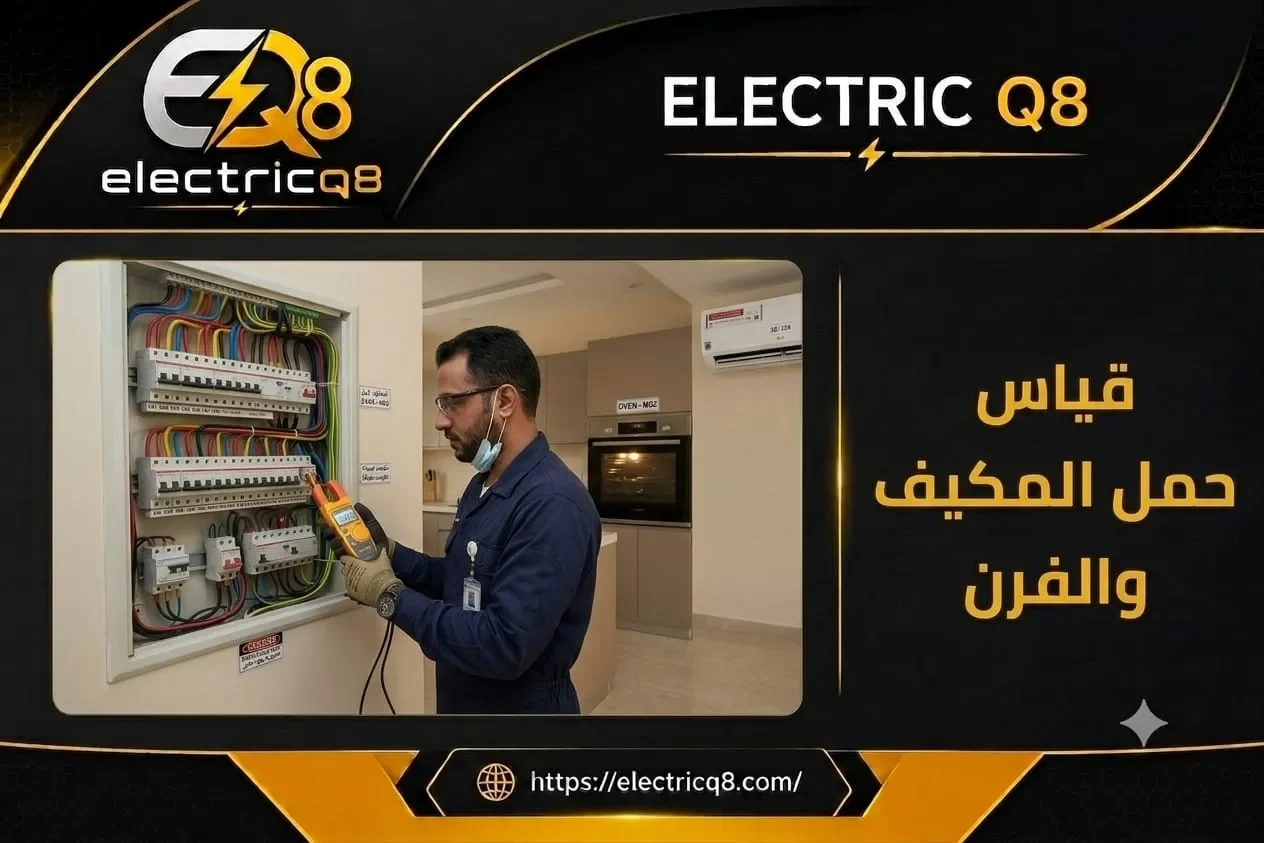
When the number of appliances in a home increases over time with ovens, water heaters, air conditioners, pumps, and high-powered kitchen equipment, an old electrical panel may begin to show its limitations. This does not automatically mean the entire panel must be replaced, and the solution is not simply adding another breaker. Before any expansion, the current load, circuit distribution, panel condition, available supply capacity, and whether new appliances require dedicated circuits or redistribution should all be checked. An inspection before installation can prevent temporary fixes that cause breaker trips, overheating at connections, or excessive demand on circuits originally designed for lighter use. The correct decision starts with load assessment and inspection, not with counting empty spaces inside the panel.
Electrical Panel Cannot Handle New Appliances
When you say the electrical panel cannot handle new appliances, the first step is determining what “cannot handle” actually means. Some homeowners notice that the main breaker or one of the branch breakers begins tripping after a new appliance is installed and immediately assume the panel is too small. However, the trip may result from overloading one branch circuit, operating several appliances simultaneously, using an unsuitable supply point, or an existing electrical problem that became more noticeable after demand increased. For this reason, diagnosis should not begin with replacing the panel. It should begin by understanding how the home's electrical load pattern has changed.
Consider a practical situation that occurs frequently. An older home was originally designed for a relatively limited number of appliances. Over the years, additional air conditioners were installed along with a larger water heater, an electric oven, and several kitchen appliances. Each appliance may operate normally on its own, but problems begin when several loads operate during the same period. A breaker may trip, part of the panel may become unusually warm, or noticeable electrical instability may appear on certain circuits. These symptoms alone do not prove that the entire panel has reached the end of its useful life, but they are clear reasons to review how the existing loads are distributed.
A proper assessment involves understanding the actual loads on individual circuits, identifying fixed appliances, considering which loads may realistically operate at the same time, and inspecting breakers, connections, panel space, and the capacity of the supply paths connected to the panel. Previous additions should also be reviewed to determine whether circuits or breakers were added without confirming that the associated wiring was suitable for the increased demand. The main point is that a panel should not be judged only by its appearance or age. It must be evaluated according to whether it remains suitable for the way the home is currently used.
-
Breaker tripping after new appliances are installed does not automatically mean the electrical panel itself is defective because the cause may be a shared branch circuit, unsuitable load distribution, or a supply point that was not designed for the new demand.
-
Evaluating panel capacity requires understanding which loads are likely to operate simultaneously rather than simply listing appliance names because overlapping operation is what reveals the actual demand placed on the electrical system.
-
Any successful expansion should consider the panel, breakers, wiring, and supply paths together so that the solution does not become adding a breaker to an empty space while the rest of the circuit remains unsuitable for the new load.
Updating an Old Electrical Panel in Kuwait

The decision about updating an old electrical panel in Kuwait should not be based only on the panel's age. Some older panels remain in relatively good condition and are still appropriate for their current loads, while newer panels may have undergone numerous modifications or contain overcrowding, poor distribution, or signs of overheating. For this reason, “updating” can mean several different things. It may involve reorganizing and clearly identifying circuits, replacing breakers confirmed to be unsuitable, repairing damaged connections, expanding the panel, or replacing it when inspection shows that its capacity and design are no longer appropriate for the home's requirements.
One common mistake is allowing an electrical update to become nothing more than a cosmetic replacement. A new panel is installed using the same old circuit arrangement and the same load-distribution problems, and the homeowner expects everything to improve. If the underlying issue is that several major appliances are connected to one circuit or the existing wiring is not suitable for the new loads, simply replacing the panel enclosure will not solve the problem. A useful update begins with reviewing the complete system from the panel to the circuits supplying the important appliances.
From an E-E-A-T and practical-experience perspective, the electrician should explain why an update is being recommended and exactly which part of the existing installation is no longer suitable. Is the problem insufficient room for properly organized circuits? Are there future additions with no suitable expansion space? Are the existing protective devices appropriate for the circuits they serve? Are there signs of overheating or old connections that require attention? Does the available incoming supply support the proposed increase in demand? The customer should receive a clear technical reason instead of a general statement such as, “The panel is old and needs replacing.”
-
Updating an electrical panel should not be recommended simply because it is old but should be based on component condition, circuit distribution, available expansion capacity, and whether the system remains suitable for existing and planned electrical loads.
-
Replacing the visible panel while preserving the same poor load distribution and existing circuit problems may create a newer appearance without correcting the actual cause of tripping, overheating, or electrical instability.
-
A professional electrician should identify exactly what requires updating and whether the appropriate solution is reorganization, connection repairs, expansion, or complete replacement rather than recommending extensive work without a technical explanation.
Electrical Panel Expansion in Kuwait
Before carrying out an electrical panel expansion in Kuwait, the reason for the expansion needs to be clearly understood. Are you adding a new oven, more air conditioners, a larger water heater, a pump, an electric vehicle charger, or another significant electrical load? Or has the existing panel simply become full, leaving no suitable space to organize new circuits? Each situation requires a different assessment. An empty position inside the panel does not prove that a new electrical load can safely be added because the electrical capacity and the supply feeding the panel matter more than the number of unused breaker positions.
A proper expansion begins with a clear list of the appliances that will be added and how they are expected to operate. Some equipment may require a dedicated circuit according to the appliance requirements and project design, while other loads may be incorporated into an existing distribution arrangement when the system is suitable. It is also necessary to determine whether the new load is likely to operate at the same time as existing major loads or during different periods. This matters because the goal is neither to design the system around an unrealistic total where every load is assumed to operate continuously nor to ignore realistic simultaneous demand. The objective is a sensible design based on actual expected use and appropriate electrical requirements.
The panel itself should also be inspected internally by a qualified electrician after safe isolation to assess connection points, breakers, available space, neutral and grounding arrangements, and any evidence of overheating or poorly organized previous modifications. If the existing panel does not provide a practical way to expand the system neatly or its internal arrangement is already overcrowded, a suitable subpanel or panel replacement may be more appropriate than forcing additional circuits into inadequate space. The final decision should be based on inspection and design rather than the idea of simply “adding another breaker.”
-
Panel expansion should begin by identifying the new electrical loads and how they will operate because the reason for expansion determines whether the project requires a dedicated circuit, load redistribution, or a more substantial system modification.
-
Empty physical space inside the panel does not automatically mean electrical capacity is available because the incoming supply, connection condition, and circuit design must all be evaluated before adding new demand.
-
If the existing panel is overcrowded or unsuitable for organized expansion, a properly designed subpanel or planned replacement may be better than forcing additional breakers into a space that does not support good arrangement or future maintenance.
Increasing Home Electrical Panel Capacity
The idea of increasing home electrical panel capacity needs to be understood carefully because capacity does not increase simply by installing a larger main breaker or replacing several breakers with higher-rated ones. A breaker is part of a protective system connected to conductors, the electrical supply, the panel, circuit installation methods, and the loads those circuits were designed to serve. Increasing a breaker rating without confirming the capacity of the rest of the system may weaken the intended protection rather than solve the tripping problem. If a breaker is operating because a circuit is carrying more load than it was designed for, the correct solution is not to force it to tolerate more current but to determine why the demand exceeds the circuit design and what modification is actually required.
Before any genuine capacity increase is considered, a clear picture of the existing loads and planned new appliances should be prepared. For example, a home planning to add high-demand kitchen appliances together with another air conditioner and a new water heater requires a different assessment from a home adding several lighting points. Loads that may realistically operate at the same time should also be reviewed because the purpose is to understand expected demand on the electrical system. Universal numbers should not be applied to every home because appliances, wiring designs, installation conditions, available supply, and usage patterns vary between properties.
In some situations, inspection shows that the problem is not insufficient capacity throughout the entire panel but poor distribution among individual circuits. One circuit may be heavily loaded while others carry considerably less demand, or previous additions may have gradually accumulated on one supply path without proper planning. In such cases, redesigning the distribution or providing an appropriate circuit for the new appliance may be more sensible than replacing the entire panel. If the assessment confirms that the new demand genuinely exceeds the capability of the current system, the expansion should be designed as an integrated project covering every affected part rather than simply changing the number printed on a breaker.
-
Increasing electrical capacity cannot be achieved safely by enlarging the main breaker alone because protective ratings must remain compatible with the conductors, panel, supply, and overall electrical system design.
-
Identifying which new loads may operate simultaneously provides a more accurate understanding of whether additional capacity is actually required than using a general estimate that assumes every home has the same appliance usage pattern.
-
If excessive demand is concentrated on a particular circuit, redistributing loads or providing an appropriate new circuit may be the better solution, while a broader capacity upgrade is justified when the existing system itself is confirmed to be insufficient.
Electrical Panel Cannot Handle the Load
The phrase electrical panel cannot handle the load is commonly used when a breaker starts tripping or unusual heat appears after several appliances operate together, but these symptoms need to be interpreted before the panel is blamed. A breaker may be operating normally as a protective device because a particular circuit has exceeded its designed load. The problem could also involve an appliance fault, a damaged connection, or another electrical condition requiring inspection. Likewise, overheating should never simply be ignored or considered a normal consequence of using several appliances, particularly when the heat is concentrated around one breaker or connection point.
The better way to understand the problem is to connect the symptom to operating conditions. If everything works normally until two specific appliances operate together, that provides different diagnostic information from a breaker that trips immediately when only one appliance is switched on. If unusual heat appears in a specific part of the panel even when electrical demand is not particularly high, the connection points and associated components should be inspected rather than automatically assuming that the entire home needs more capacity. If the problem began immediately after a new appliance was added, both the appliance requirements and the circuit supplying it need to be reviewed.
It is also important to understand that manually managing appliances every day is not a permanent substitute for correcting the electrical system when normal household use exceeds the design of particular circuits. A homeowner should not have to constantly calculate whether the oven can be used at the same time as the water heater or whether another appliance must be switched off before the air conditioner is started if those combinations are part of ordinary household use. A professional inspection determines whether the appropriate solution is redistribution, a dedicated circuit, repair of a damaged connection, or a genuine capacity expansion.
-
The pattern of breaker tripping in relation to which appliances are operating at the same time provides useful diagnostic information and helps distinguish excessive demand from a fault that appears even under limited load.
-
Heat concentrated around one breaker or connection point requires professional inspection because it may relate to the condition of that connection or component and should not automatically be interpreted as a general lack of household electrical capacity.
-
If ordinary appliance use constantly requires other loads to be switched off to prevent electrical trips, reviewing the circuit design is more appropriate than relying on manual appliance management every day.
Upgrading the Home Distribution Panel

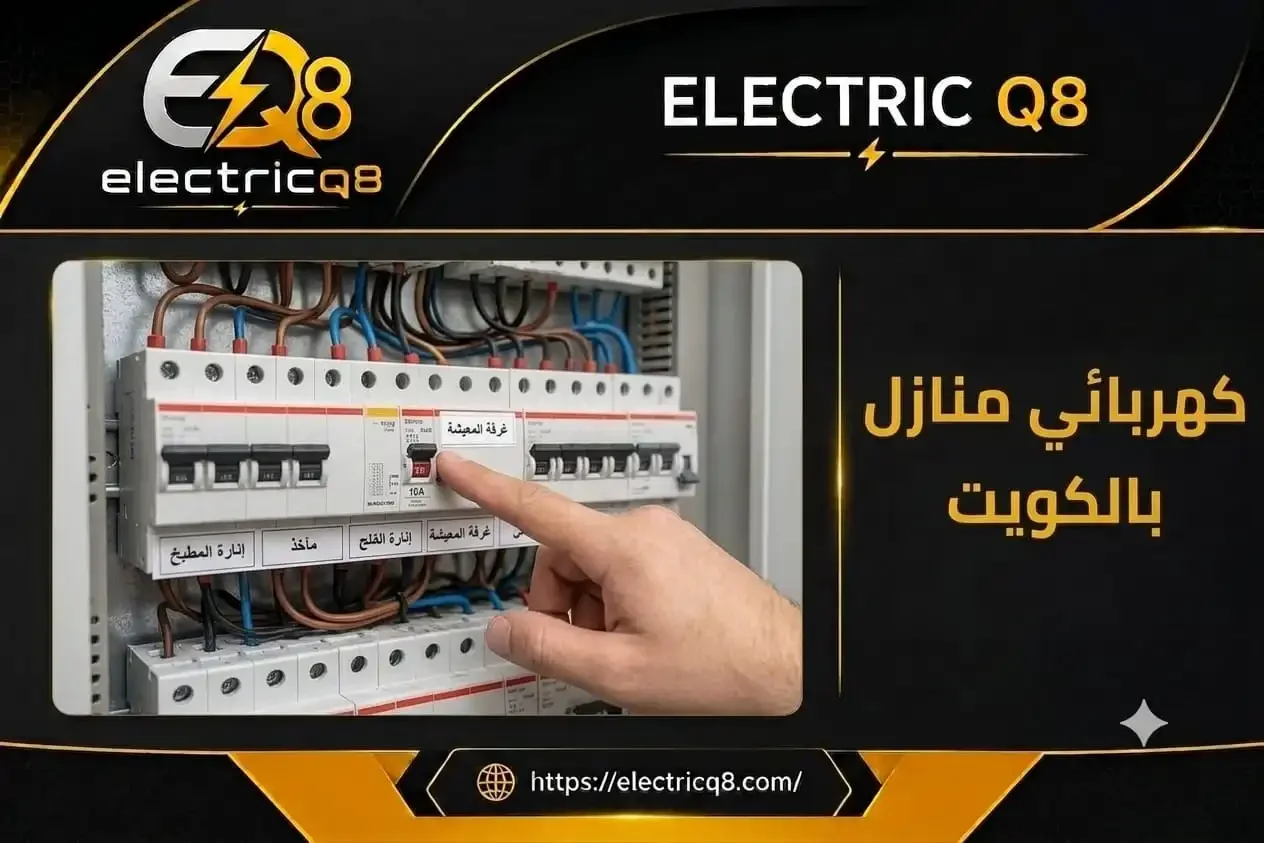
An upgrade to the home distribution panel is different from simply replacing the panel because the purpose of an upgrade is to make the distribution system suitable for the home's current and future electrical use. Before deciding what work is required, the existing circuits should be identified and it should be confirmed what each circuit actually supplies and whether the labels inside the panel are accurate. In homes that have undergone many alterations, a breaker labelled “kitchen” may also supply points outside the kitchen, or circuits may have been combined and modified over time. Upgrading the panel without understanding this history may simply transfer the same confusion into a new enclosure.
The next step is to consider the equipment the home needs today rather than only what it needed when the original electrical installation was completed. Air conditioning, water heaters, kitchen appliances, pumps, and other equipment may have changed in number and operating pattern. If you already plan to add another fixed appliance or extend part of the home in the near future, including that requirement in the assessment can prevent the panel from being modified again shortly after the upgrade. Planning for the future does not mean installing randomly oversized capacity. It means leaving an organized system that can accommodate expected development within an appropriate design.
A good upgrade also considers maintainability and clear circuit identification. Organizing breakers, providing accurate labels, avoiding overcrowding, and maintaining an understandable arrangement allow future electricians to work more accurately. Where particular protective devices are required according to circuit design and applicable electrical requirements, they should be selected according to their function and compatibility with the system rather than simply filling the panel with the greatest possible number of devices.
-
Upgrading a distribution panel begins by identifying the actual circuits and confirming what each breaker supplies because transferring inaccurate old labels into a new panel makes future diagnosis and maintenance more difficult.
-
Known near-term electrical requirements should be considered during planning so that today's upgrade does not need to be opened and modified again soon for an appliance or extension that was already planned.
-
Upgrade quality is reflected in circuit organization, identification, maintainability, and electrical suitability because a well-arranged panel makes isolation, inspection, and future development easier.
Electrical Panel Capacity Inspection
The purpose of an electrical panel capacity inspection is not to find one number printed on the main breaker and then declare that the home can accept any combination of appliances below that number. The electrical system must be assessed as a complete arrangement, including the available supply, panel condition, protective devices, existing circuits, current loads, and planned new appliances. Operating conditions also matter because a home with several fixed loads running for extended periods is different from another property with the same number of appliances but a very different usage pattern.
During the inspection, it is important to identify which loads have dedicated circuits and which are shared, and to understand whether previous additions were properly planned or simply connected to the nearest available electrical point. This information can explain why some homes begin experiencing problems after a kitchen renovation or the installation of a new appliance even when unused spaces remain visible inside the panel. The issue is not only where a breaker can physically fit but the entire electrical path that will carry the load from the panel to the equipment.
After the inspection, the customer should receive an understandable conclusion. Is the existing panel suitable as it is? Does the system need load redistribution? Is a new circuit required for the appliance? Is there an existing defect that should be repaired before expansion? Or is a broader upgrade justified? A clear explanation is more valuable than simply saying, “The panel cannot handle it,” because the decision may involve significant work and cost and should therefore be supported by an understandable technical reason.
-
A genuine capacity inspection connects the supply, panel, circuits, current loads, and planned future demand instead of treating the rating of one breaker as though it represents the capacity of every part of the electrical system.
-
Understanding how previous electrical additions were made helps reveal whether a new load will be connected to a properly planned circuit or to a path that has gradually accumulated additional demand over time.
-
A useful inspection result leads to a specific recommendation such as keeping the existing panel, redistributing loads, adding a circuit, or carrying out an upgrade rather than using a general statement that encourages unnecessary replacement.
Replacing the Electrical Panel for New Loads
The decision about replacing the electrical panel for new loads becomes reasonable when inspection confirms that the existing panel does not provide suitable capacity, organization, physical condition, or expansion capability for the planned development. Even in that situation, panel replacement should not be treated as separate from the rest of the electrical system. The new panel must be compatible with the supply, circuits, protective devices, and loads it will serve because installing a larger panel on unsuitable existing wiring does not automatically make the system capable of carrying higher electrical demand.
Before replacement, it should be determined which existing circuits will remain, which require modification, and which new circuits need to be added. The condition of conductors at incoming and outgoing connection points should also be inspected because signs of overheating or damaged insulation require attention as part of the project. If some older circuits already contain defects, those problems should not simply be hidden behind a new panel and the project considered complete.
From a pricing perspective, the cost of replacing a panel depends on the overall scope of work rather than only the price of the enclosure. The number of circuits, condition of existing wiring, accessibility, need for reorganization, and requirement for additional routes can all affect the project. A better quotation therefore explains what is included in the replacement and what would be treated as additional work if discovered during inspection rather than presenting a low panel price and adding numerous charges during installation.
-
Panel replacement is justified when its condition, organization, or ability to support planned development is confirmed to be unsuitable for new loads rather than simply because the homeowner wants a newer enclosure.
-
A new panel must form part of a compatible electrical system because increasing panel size or breaker positions does not automatically increase the capacity of older wiring and circuits that were not designed for additional loads.
-
Comparing panel replacement prices requires comparing the complete scope of work including circuit organization, correction of identified problems, and any required new routes rather than comparing the panel enclosure as an isolated product.
Adding Breakers to the Electrical Panel
Before adding breakers to the electrical panel, remember that an empty breaker position is not automatic technical approval for another circuit. The first question is what electrical load the new breaker will serve. The second is what circuit and conductors will be connected to it. The third is whether the panel and overall electrical system can properly support the addition. If these questions do not have clear answers, installing the breaker alone should not be considered a properly designed expansion.
One potentially dangerous mistake is treating a breaker as a way to increase the capacity of the wire. The breaker's role is to provide protection within the circuit design, so its rating should not be selected simply to “stop it from tripping.” If an existing breaker trips because the circuit carries more load than it can appropriately support, installing a higher-rated breaker without assessing the conductors and other components may expose parts of the circuit to conditions they were not designed to handle. This is also why a universal breaker rating should not be recommended for a particular appliance without considering the appliance requirements, circuit design, and installation conditions.
Every new breaker should also have a clear purpose in the panel schedule and be identified in a way that supports future maintenance. Adding breakers without labeling or organized distribution can make the panel difficult to understand after several years of modifications. A professional expansion considers the electrician who may need to inspect the panel five years from now just as carefully as it considers the appliance being installed today.
-
An empty position inside an electrical panel provides physical space only and does not prove that the supply, circuit, or electrical design can support an additional load without assessment.
-
Breaker ratings are selected to protect correctly designed circuits rather than simply prevent tripping, so randomly increasing protection ratings is not an appropriate solution to an overloaded circuit.
-
Recording the purpose of each new breaker and organizing the addition within the panel schedule keeps the system understandable and reduces confusion during future isolation, maintenance, and expansion.
Electrician for Home Panel Upgrades in Kuwait

Choosing an electrician for home panel upgrades in Kuwait should not be based on who gives the fastest recommendation to replace the panel. A better electrician begins with questions and inspection before deciding on the solution. They ask about existing and planned appliances, when breaker trips occur, what modifications have previously been made in the home, and whether further expansion is expected. The panel and circuits related to the project can then be assessed before the electrician explains why a particular modification is recommended.
A positive sign is when the electrician considers more than one possible outcome depending on the inspection instead of entering the property with a replacement decision already made. The existing panel may be suitable for reorganization and expansion, a subpanel may be appropriate, or complete replacement may prove to be the better solution. Considering alternatives does not indicate uncertainty. It demonstrates that the decision is being based on the actual condition of the electrical installation. In contrast, if the proposed solution is simply to install a larger breaker so it stops tripping without assessing the circuit capacity, that recommendation should be questioned.
Before work begins, the scope should also be clear. What will be replaced? What will be added? Will existing circuits be inspected as part of the project? How will additional problems discovered during the work be handled? After completion, the arrangement and operation should be checked and the circuit organization explained to the customer. The real value is not replacing a panel quickly but leaving the property with an understandable electrical system that is appropriate for the loads the home is expected to use.
-
The right electrician for a panel upgrade gathers information about current loads and planned expansion before recommending a solution because the project should begin with the home's electrical requirements rather than a preselected replacement panel.
-
Considering reorganization, expansion, a subpanel, or complete replacement according to inspection findings demonstrates genuine assessment more clearly than assuming every old panel requires exactly the same solution.
-
A clearly defined scope before work begins helps the customer understand what the project includes and ensures that additional work is connected to a specific technical finding rather than unexpected expansion of the final cost.
Conclusion
If you believe your electrical panel cannot handle new appliances, do not begin by increasing breaker ratings or installing another breaker in the first empty position. The correct starting point is an electrical panel capacity inspection that considers current loads, the appliances you plan to add, how they will operate, the condition of existing circuits, and the available supply. Sometimes the correct solution is load redistribution or installing a suitable new circuit. In other cases, you may need an electrical panel expansion in Kuwait, a subpanel, or a broader upgrade after the need has been confirmed. The important point is that every modification should form part of a compatible electrical design rather than acting as an isolated temporary fix. Inspecting the system before purchasing and installing a significant new appliance gives you an opportunity to understand its electrical requirements from the beginning instead of discovering that the existing system is unsuitable after the appliance is already in place.
Frequently Asked Questions
Does breaker tripping after installing a new appliance mean the panel is too small?
Not necessarily. The breaker may be tripping because a branch circuit is overloaded, the appliance has a fault, there is a connection problem, or loads are distributed incorrectly. The electrician should identify which breaker is operating, when the trip occurs, and what is happening on the affected circuit before deciding that the entire panel lacks capacity.
Can I add another breaker if there is an empty space in the panel?
The empty space alone is not enough. The new load, circuit conductors, panel capability, available supply, and protective arrangement should all be assessed before a breaker is added because physical space does not automatically mean electrical capacity is available.
Does updating an old electrical panel mean replacing it completely?
No. Depending on its condition, the appropriate work may involve reorganizing circuits, repairing connections, or carrying out a suitable expansion. In other situations, inspection may confirm that complete replacement is the better option. The decision should be based on the condition and requirements of the system rather than age alone.
Does installing a larger main breaker increase home capacity?
Not by itself. The breaker is connected to the capacity and protection requirements of other parts of the electrical system and should not be randomly increased simply to prevent tripping. A genuine capacity increase requires assessment of the supply, panel, conductors, loads, and appropriate design requirements.
When should I inspect the panel before buying a new appliance?
It is better to inspect the panel before installation, particularly when the appliance represents a significant new electrical load or the home has already undergone several electrical additions. This allows you to determine whether the existing circuit is suitable or whether a new circuit or panel expansion is required before the appliance is put into service.