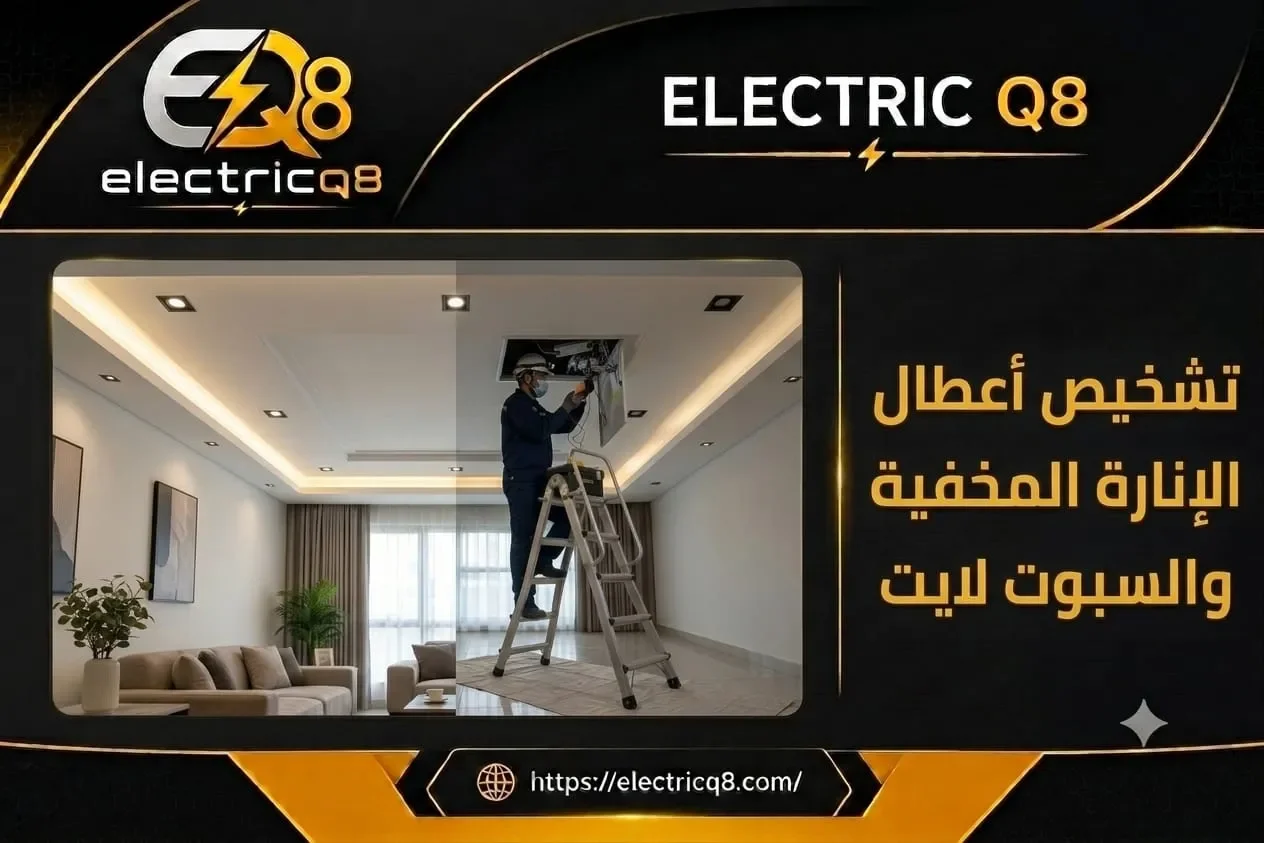
When newly installed LED lighting begins to flicker from the first day, it does not automatically mean that the bulbs are poor quality or defective. When the problem starts immediately after installation, the most important step is to review what changed in the system: the type of new LED lights, how they were connected, the switch being used, whether a dimmer or control system is present, and whether these components are compatible with one another. Sometimes the lighting remains stable at maximum brightness but flickers when dimmed, while in other cases the flicker appears only at startup or continues throughout operation. The solution is therefore not to replace one bulb after another, but to understand the pattern of the problem and assess the installation as a complete system so the responsible component can be identified without random replacement.
LED Lighting Flickers After Installation
When LED lighting flickers after installation, the timing of the problem becomes one of the most valuable diagnostic clues. If the previous lighting operated steadily and the flickering appeared immediately after replacing it with LED units, it makes sense to review the components that changed or are now operating with a different load before assuming that an old circuit fault suddenly developed. The inspection begins by identifying the type of lighting installed, whether all new units are affected or only certain ones, whether a dimmer or control unit is present, and whether the flickering appears at every brightness level or only under a particular setting. Each answer helps eliminate some possibilities and gives the inspection a clearer direction.
One situation seen in practice is when a customer replaces a group of conventional lights with LED units but keeps the same older dimmer. The lights switch on, but noticeable flickering begins when the brightness is reduced or within a particular part of the dimming range. In this situation, the problem should not simply be described as "bad bulbs" because the interaction between the dimmer and the LED operating electronics requires suitable compatibility. In another case, there may be no dimmer at all, but one newly installed unit flickers while the others remain completely stable. Here, the individual light or its connection becomes more important to investigate than a general compatibility problem affecting the complete group.
The quality of the electrical connections should also be reviewed after installation. A terminal that has not been secured correctly may still allow the light to operate while causing instability or heat at the connection point. If a burning smell, sparking, or abnormal heat appears, the lighting should not continue to be operated for experimentation. The affected circuit should be switched off and inspected by a qualified electrician. The purpose of inspecting newly installed LED lighting is to determine whether the problem comes from compatibility, control equipment, electrical connections, or one particular lighting unit before purchasing replacements.
-
Flickering that begins immediately after changing from a previous lighting type to LED makes reviewing the changed components and their compatibility with the control system more logical than assuming that every new bulb is defective.
-
An entire group flickering at a particular dimming level is diagnostically different from one bulb flickering continuously because the first situation points more strongly toward interaction between system components while the second narrows the investigation toward the individual unit or its connection.
-
Discovering heat, a burning smell, or sparking at a connection made during installation changes the priority of the situation and requires the affected circuit to be switched off and the connection inspected rather than continuing to experiment with lighting settings.
Causes of LED Bulb Flickering
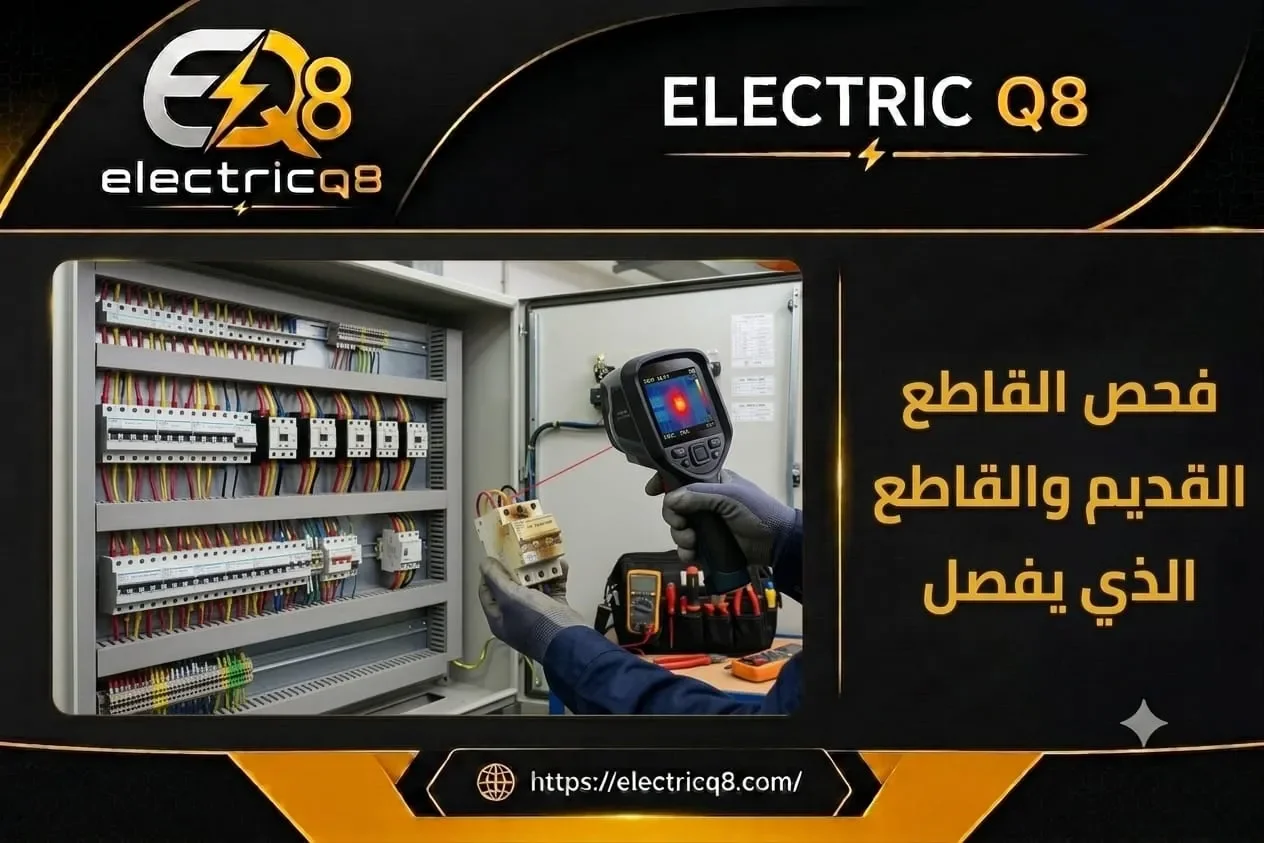
Identifying the causes of LED bulb flickering requires understanding how LED lighting operates instead of treating it exactly like older conventional bulbs. An LED unit normally contains electronics that regulate the electrical power required by the lighting elements, which means instability in the supply or control system can become visible as flickering. However, the presence of electronics inside the bulb does not mean every flicker is caused by an internal defect. The problem may be inside the bulb, but it may also involve the dimmer, electrical connections, a component within the control system, or another condition that needs to be investigated according to the actual symptoms.
One of the most useful ways to narrow down the possibilities is to compare the lighting units with one another. If only one bulb flickers among several identical units operating from the same switch, this directs attention toward that particular unit or its installation point. If all the LED bulbs begin flickering at exactly the same time, the likelihood of a shared factor becomes stronger and should be investigated before the entire group is replaced. Similarly, if the problem disappears at the highest dimmer setting and returns as soon as the brightness is reduced, this relationship provides an important reason to review compatibility between the dimming system and the LED units being used.
It is also important to distinguish continuous visible flickering from a brief flash during switching on or off because the possible causes are not necessarily the same. If the problem appears only when another electrical appliance in the property is switched on, this creates a different diagnostic direction and may require inspection of the circuit and supply conditions rather than focusing exclusively on the bulbs. Professional diagnosis combines these observations and then uses appropriate testing where necessary so the repair does not turn into a repeated cycle of purchasing and trying new LED bulbs without understanding why the flickering started.
-
One bulb flickering among a stable group directs the inspection toward that unit and its installation point while simultaneous flickering across all units makes investigation of a shared component more important.
-
Flickering that is directly associated with a particular dimmer level provides practical evidence that compatibility between the dimming system and the LED operating electronics should be reviewed before declaring the bulbs defective.
-
Flickering that appears when another electrical appliance is switched on introduces a possible circuit or supply-related factor and this pattern should be reported to the electrician rather than describing the problem only as random flickering.
LED Bulbs Flickering in Kuwait
When LED bulbs are flickering in Kuwait after a new installation or lighting modification, it is better to identify the exact situation in which the problem appears before requesting replacement. Is the flickering continuous from the moment the lights are switched on? Does it begin only when the lighting is dimmed? Does it affect several bulbs connected to the same switch or only one individual unit? Was the installation operating normally before LED lighting was fitted? These simple questions can prevent the customer from purchasing a second set of bulbs that may develop exactly the same problem when the real cause is located in the dimmer, connection, or control system rather than the bulbs themselves.
In homes, offices, and commercial spaces, LED bulbs may sometimes be selected according to wattage, color, or appearance without considering the control method already installed at the property. If the circuit uses a dimmer, the fact that a bulb is labeled LED does not automatically mean that every combination of that bulb and dimmer will operate steadily. Product specifications and suitability for the particular dimming arrangement should be reviewed. The same principle can apply to some smart control systems because having several electronic components within the same operating path makes compatibility part of the system design rather than a detail to consider only after flickering appears.
From a cost perspective, correct diagnosis may also be considerably cheaper than replacing every bulb by trial and error. If ten units are flickering because of one shared control component, replacing ten bulbs before checking that component increases the cost without guaranteeing a solution. If inspection instead confirms that a particular batch or individual bulbs are genuinely defective, replacement can then be carried out for a clear reason. The real value of the service is not measured by how many components are replaced but by whether the cause is identified and the lighting operates steadily after the repair.
-
Determining whether flickering started immediately after LED installation or after a change to the dimmer or control system helps connect the fault with the modification that preceded it instead of investigating components that were never changed.
-
Selecting LED bulbs for a property involves more than wattage and color when dimming is used because compatibility between the bulbs and the control method is part of reliable operation rather than an optional extra.
-
Checking the component shared by a large group of flickering bulbs before replacing them can avoid unnecessary cost and prevent the same problem from returning when the cause exists outside the lighting units themselves.
Fixing LED Lighting Flicker
Finding the correct way of fixing LED lighting flicker begins by identifying the pattern of the flickering rather than purchasing the first available replacement component. If the problem appeared immediately after installation, priority should be given to reviewing what changed within the system, the way the lighting was connected, and compatibility with the control equipment. If the flickering instead appeared after months or years of stable operation, the diagnostic path is different and may include the condition of the lighting units, operating electronics, or electrical connections whose performance has changed over time. Making this distinction prevents the same solution from being applied to faults with completely different causes.
The solution also depends on the scale of the problem. If only one unit flickers, that unit and its installation point should be inspected and compared with the stable lights around it. If an entire group flickers simultaneously, the investigation should begin with components shared by the group before replacement is considered. When the flicker appears only during dimming, compatibility between the components of the dimming system and their operating conditions should be reviewed according to the specifications of the products being used. In this way, every decision is connected to an observable clue instead of random component replacement.
A common mistake that increases repair costs is replacing the bulbs several times without changing or inspecting anything else in the system. The customer installs a second type of bulb, the flicker becomes less noticeable or temporarily disappears, and then returns later, creating the impression that every LED product has the same problem. In reality, a shared component may never have been inspected. A good solution corrects the identified cause and then retests the lighting under all conditions in which the flickering originally appeared, including startup, dimming, and operation for an appropriate period.
-
The solution differs when flickering has existed since the first day of installation compared with a fault that develops after a long period of stable operation because the timing of the problem determines which components deserve attention first.
-
Correcting one flickering unit requires a local investigation while simultaneous flickering across an entire group requires inspection of shared components so several healthy bulbs are not replaced unnecessarily.
-
Testing the lighting after repair at the dimming levels and operating conditions that previously caused the fault provides stronger confirmation than running the lights at maximum brightness for only a few seconds.
LED Lighting Problem After Installation
A LED lighting problem after installation makes installation quality and compatibility between components central parts of the diagnosis. It is natural for a customer to ask why brand-new bulbs are flickering, but a new component does not guarantee that the entire system is compatible. The bulbs may be completely functional while the control method is unsuitable, an electrical connection needs correction, or a product has been selected that is not appropriate for the existing dimming arrangement.
It is also necessary to determine whether the lighting was the only thing changed or whether other modifications were carried out at the same time. Sometimes new bulbs are installed together with a new switch or dimmer, making it less obvious which change introduced the symptom. It is therefore useful to know how the system operated before the work and exactly which components were replaced. If the previous lighting worked without flickering on the same circuit and the problem appeared immediately after the modification, that comparison is diagnostically valuable, although it does not by itself prove that the new bulbs are defective.
From a service-quality perspective, testing after installation should involve more than confirming that the lights switch on. If dimming is available, the normal operating range should be tested and the stability of the lighting observed. Attention should also be given to flickering, unusual sounds, or abnormal heat around connection points. Finding a problem during final testing is easier and generally less disruptive than waiting until the customer notices it after the installation has been completed.
-
A fault that appears immediately after LED installation makes reviewing the changes carried out during the work an essential part of diagnosis because the problem may involve interaction between components rather than one defective part.
-
Comparing lighting performance before and after the modification helps identify whether the latest change is connected to the problem without immediately concluding that all newly installed bulbs are faulty.
-
Testing the dimming system after installation should include the brightness levels actually used because lighting that appears stable at maximum output may begin flickering as soon as the level is reduced.
Dimmer Switch Incompatibility With LED Lighting
Dimmer switch incompatibility with LED lighting is an important possibility when flickering appears after an older lighting system has been converted to LED. A dimmer does more than simply switch the lights on and off. It controls electrical power in a way that must be suitable for the operating electronics of the connected lighting. An older dimmer may therefore have worked perfectly with the previous type of lighting but produce unstable performance when connected to different LED units.
One useful sign is lighting that remains stable at maximum brightness but begins flickering when the level is reduced, or a particular section of the dimming range where the units cannot operate steadily. Other symptoms may include difficulty reaching a low brightness level smoothly or differences in how individual units respond. These symptoms make compatibility an important part of the inspection, but the dimmer should not automatically be blamed for every flicker without checking the lighting units and electrical connections as well.
When choosing a solution, the specifications of both the dimmer and the lighting should be reviewed instead of trying random switches. Some LED products are designed for dimming while others are not intended to be dimmed at all, and even dimmable products require a suitable control arrangement. Load and compatibility requirements specified by manufacturers should also be considered. The objective is to create a system in which the components operate correctly together rather than eliminating one symptom by replacing a component and then creating another problem elsewhere in the dimming range.
-
LED lighting that remains stable at maximum brightness but begins flickering as the dimmer is reduced provides a strong reason to investigate dimming-system compatibility before immediately replacing the bulbs.
-
A "dimmable" label on an LED product does not mean that it will operate perfectly with every dimmer because compatibility depends on the characteristics of the components being used together.
-
The appropriate dimmer should be selected according to the lighting-system specifications and manufacturer requirements rather than the appearance of the switch or the fact that it previously worked with another type of bulb.
Inspecting LED Lighting Connections
The importance of inspecting LED lighting connections comes from the fact that a poor electrical contact can allow the light to operate while still causing flickering or intermittent behavior. In other words, the presence of light does not prove that every connection is completely sound. A terminal that is not properly secured or a deteriorated connection can become unstable and may also produce heat at the connection point. If heat, discoloration, or a burning smell accompanies the flickering, the condition should be treated as a warning requiring inspection rather than simply as a visual lighting defect.
Inspection does not mean that the customer should open switches or electrical connection points and tighten wires personally. Work involving electrical connections requires proper isolation of the circuit and a qualified electrician who can check the relevant points safely. This is particularly important when the problem begins after a recent installation because the points involved in that work should be reviewed before disturbing older parts of the installation that had previously been operating normally.
The scale of the flickering should also be considered. If several units are affected simultaneously, there may be a connection shared between them that deserves attention, while a problem affecting only one unit may be closer to its local installation point. Thinking about the fault in this way reduces the number of areas that need to be inspected and helps locate the problem with less unnecessary intervention.
-
A bulb continuing to produce light does not rule out an unstable connection because some connection problems first appear as flickering or heat before progressing to a complete interruption.
-
Reviewing connection points that were modified during the recent installation is more logical than opening older parts of the system that showed no problem before the LED work was carried out.
-
Simultaneous flickering across several units can help identify a possible shared connection while one unit behaving differently from the group directs attention toward its individual installation point.
Repairing Flickering LED Bulbs
Repairing flickering LED bulbs depends on determining whether the bulb itself can practically be repaired or whether the actual problem exists outside it. Many household LED products are integrated units designed to be replaced as a complete unit when their internal electronics fail, while other lighting systems contain separate components that may be serviceable depending on their design. There is therefore no single repair decision that applies to every type of LED lighting.
If inspection confirms that one unit is defective while its connections and system compatibility are satisfactory, the cost of replacing it can be considered together with the condition and age of the product and the availability of a suitable replacement. If several newly installed units are flickering at the same time, replacing all of them before checking their shared components is generally not the best starting point. This is where diagnosis provides real value by preventing money from being spent on components that do not address the actual cause.
When a defective unit is replaced, it is also preferable to maintain consistency with the existing lighting in terms of suitable operating characteristics, color temperature, and brightness as far as practical, in addition to electrical compatibility. In a majlis, living room, or other space containing a complete row of matching lights, one noticeably different replacement may be visually obvious even when the flickering has been corrected. A successful repair therefore combines electrical stability with an appropriate visual result.
-
The decision to repair or replace an LED unit depends on its design and the nature of the failed component rather than assuming that every flickering bulb can be opened and its internal electronics repaired.
-
Replacing an entire group of bulbs that flicker simultaneously before inspecting their shared component can increase the cost without guaranteeing that the problem will disappear.
-
Selecting a replacement unit should consider electrical compatibility and lighting characteristics so the repair does not end with a stable bulb that is visibly different from the surrounding lighting.
Electrician for LED Lighting Repair in Kuwait
When choosing an electrician for LED lighting repair in Kuwait, focus on the diagnostic approach rather than how quickly the technician recommends replacing the bulbs. An electrician who asks when the flickering started, whether it appeared after installation, whether a dimmer is present, and whether the problem affects one unit or an entire group is collecting information with genuine diagnostic value. Replacing components before understanding the fault pattern can result in the customer paying several times for the same unresolved problem.
The right electrician also understands that modern LED lighting is more than a bulb connected to a wire. Operating electronics, dimmers, and control systems make compatibility part of the diagnostic process. When a compatibility issue is suspected, the specifications of the components should therefore be reviewed rather than assuming that any product labeled LED will operate correctly with any existing control system.
From a pricing perspective, it should also be clear whether the quoted cost covers inspection only or includes correcting a connection or replacing a component. A simple fault is different from a problem requiring investigation of an entire lighting group or assessment of a dimming system. This transparency helps the customer understand why costs may differ instead of beginning with a low figure and later facing unexplained additional charges.
-
An electrician who combines the history of the flickering with information about the dimmer and the number of affected units has a stronger basis for diagnosis than someone who replaces bulbs based only on the visible symptom.
-
Understanding the specifications of LED lighting and control components helps identify compatibility problems that may continue even after new lighting units are installed if the rest of the system remains unchanged.
-
Explaining the scope of inspection and repair before components are replaced makes the service cost easier to understand and reduces replacements that are not supported by a verified cause.
LED Lighting Flickers When Switched On

If LED lighting flickers when switched on and then becomes stable, the behavior needs to be described accurately. Is it one brief flash at the moment the switch is pressed, or several flashes that continue for a few seconds? Do all the units behave in the same way, or is only one affected? Did the behavior begin after a new installation, or has it been present since the system was first installed? Distinguishing between these situations prevents every startup flash from being treated as evidence of the same fault.
If an entire group flickers at startup after the lighting type has been changed, the electrician may need to review the relationship between the new units and the existing control system. If only one bulb is delayed or flickers while all surrounding units start normally, the inspection should focus more closely on that individual unit or its installation point. If the duration of the flickering gradually increases over time, this is additional evidence that the system's behavior is changing and deserves investigation.
Startup flickering should also not be confused with continuous flickering during normal use because the diagnostic approach can be different. Recording when the problem occurs and exactly how it appears can save the electrician considerable testing time and improve diagnostic accuracy. The customer does not need to know technical terminology; simply describing what is seen accurately can provide valuable information.
-
Determining whether the behavior is one brief flash or a series of flashes lasting several seconds helps describe the fault accurately instead of placing every unusual startup behavior under one diagnosis.
-
One unit behaving differently at startup from the rest of the lighting group makes its individual condition more relevant than immediately assuming a general fault throughout the lighting circuit.
-
A gradual increase in the duration of startup flickering over several days is a change worth investigating even when the lighting eventually stabilizes and continues operating normally.
Conclusion
If LED lighting flickers after installation, the correct solution begins by asking what changed in the system before the problem appeared. The new bulbs may be completely functional while the actual cause is related to the dimmer, the way the lighting was connected, a shared control component, or incompatibility between parts of the system. In other situations, one individual unit may genuinely be defective, which is why the number of affected lights, the timing of the flicker, and the way it appears are all important diagnostic details. Addressing the actual cause of LED bulb flickering instead of replacing components by trial and error can reduce unnecessary costs and lower the chance of the problem returning. When an electrician for LED lighting repair in Kuwait is required, it is better to choose someone who checks compatibility, connections, and the fault pattern first and then decides what needs to be repaired or replaced based on clear findings.
Frequently Asked Questions
Why did my LED bulbs start flickering immediately after installation?
If flickering appears from the first time the lights are switched on, it may be related to dimmer compatibility, the control system, the electrical connections, or one particular lighting unit. The timing of the problem makes reviewing what changed during installation an important starting point before the bulbs are replaced.
Will an old dimmer work with any new LED bulbs?
Not necessarily. Some LED units are designed for dimming and require suitable compatibility with the dimmer being used. The fact that the switch previously worked with another type of lighting does not guarantee that the new LED group will operate without flickering.
Does flickering across all LED bulbs mean they are defective?
No. When an entire group flickers at the same time, a shared factor such as the control system or a common connection becomes an important possibility. The complete lighting arrangement should be inspected before deciding to replace every unit.
Can a poor connection make an LED flicker without going out?
Yes. An unstable electrical connection can appear as flickering or intermittent operation before it progresses to complete loss of power. If the problem is accompanied by heat, a burning smell, or discoloration, the affected circuit should be switched off and inspected by a qualified electrician rather than continuing to operate the lighting.
Should I replace the bulbs if they flicker only when dimmed?
Not before checking compatibility. If the lighting remains stable at maximum brightness and begins flickering only when dimmed, the relationship between the dimmer and the LED units may be an important part of the problem. The system should therefore be assessed before purchasing another set of bulbs.