A short circuit inside your home is not the kind of electrical problem where you should repeatedly reset the breaker and wait to see whether the issue disappears. When direct contact or another abnormal electrical path develops, the breaker may trip quickly to protect the circuit, sometimes accompanied by a spark, popping sound, or unusual smell. The correct response begins by stopping use of the affected circuit and avoiding repeated breaker resets, especially when it trips immediately. If you notice smoke, severe heat, or signs of burning, move away from the hazardous area and isolate the electrical supply from a safe location if possible. Proper diagnosis should then identify the location and cause of the fault instead of replacing breakers or wiring based on guesswork.
Short Circuit Inside the Home in Kuwait
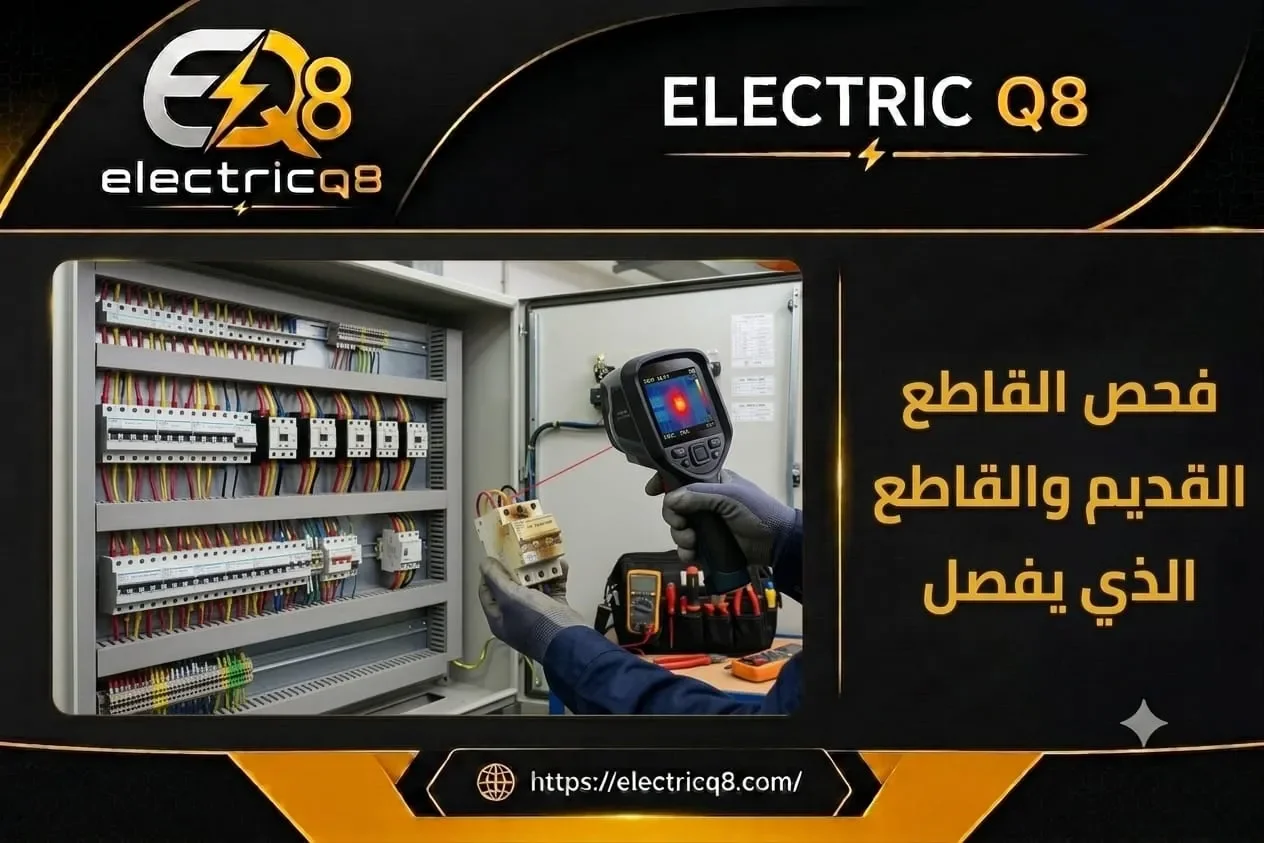
A short circuit inside the home in Kuwait requires a response based on the type of circuit involved and the warning signs that appear with the fault rather than simply resetting the breaker. In everyday situations, homeowners may describe any breaker trip as a "short circuit," but a tripped breaker alone does not prove that a true short circuit has occurred. The actual cause could be direct contact between conductors, a fault inside an appliance, an overloaded circuit, or electrical leakage if the installed protective device is designed to respond to that type of fault. For this reason, the first professional step is to understand exactly what happened before the breaker tripped, which appliances were operating, and which protective device actually disconnected the circuit.
If the breaker trips immediately whenever a particular appliance is switched on, the appliance should remain disconnected and the test should not be repeated several times. If the breaker continues to trip even after visible plug-in appliances have been disconnected, the fault may exist within fixed wiring, a permanent electrical point, or another part of the circuit connected to that breaker, making proper electrical measurements necessary. The presence of a popping sound, sparks, smoke, or visible burn marks increases the level of concern and makes attempting to dismantle switches or outlets particularly unsafe.
During a proper on-site inspection, an experienced electrician does not begin by breaking walls or immediately replacing the breaker. The process starts by isolating the affected circuit, defining the probable fault area, dividing the possibilities into manageable sections, and inspecting them systematically. This approach reduces diagnostic time, protects healthy wiring from unnecessary work, and identifies the actual cause instead of merely treating the visible symptom.
-
If the breaker trips immediately after being reset, do not continue repeating the attempt because the protective device may be responding to a fault that remains active within the circuit.
-
Identifying which appliances were operating, which breaker tripped, and exactly when the problem appeared provides valuable information that helps narrow the diagnostic area.
-
Sparks, smoke, excessive heat, or a popping sound require immediate discontinuation of use and you should never attempt to dismantle the affected electrical point while it remains energized.
Short Circuit Repair in Kuwait
Short circuit repair in Kuwait begins with diagnosis rather than random replacement because the visible result may look similar even when the underlying causes are completely different. For example, if a room breaker trips when the lighting is switched on, the fault could be located inside a light fixture, switch, connection point, or section of the wiring. If the breaker trips whenever one particular appliance is connected, the problem may be inside the appliance, its plug, or its power cable. When the breaker trips without any obvious appliance being operated, the electrician may need to examine the circuit itself and divide it into sections to determine where the fault begins and where the healthy part of the circuit remains.
After isolating the electrical supply and confirming that the section being inspected is no longer energized, the electrician uses testing methods appropriate to the situation rather than relying on visual inspection alone. Diagnosis may require continuity testing, insulation testing, circuit tracing, or examination of connection points depending on the type of fault and the design of the electrical installation. Once the damaged section has been identified, the repair method is selected according to its actual condition. In some cases, repairing a connection or replacing one defective component is sufficient, while other situations require replacement of a damaged cable section when testing confirms that the conductor or insulation is no longer suitable for safe service.
One expensive mistake is replacing several components at the same time before determining what actually caused the problem. This approach may restore electricity temporarily, but it provides no evidence that the original fault has been corrected and can increase repair costs unnecessarily. Professional short circuit repair means identifying the fault first, repairing only the necessary area safely, and testing the circuit before returning it to normal service.
-
Accurate repair does not begin by purchasing a new breaker or cable but by determining the type of electrical fault and identifying the location responsible for activating the protective device.
-
Appropriate electrical measurements help distinguish between a defective appliance and a fault located in a fixed electrical point or section of household wiring.
-
After completing the repair, the circuit should be properly tested because restored electricity alone is not sufficient evidence that the electrical fault has been successfully corrected.
Cause of a Short Circuit at Home
Determining the cause of a short circuit at home requires understanding the difference between possible electrical faults instead of describing every breaker trip as a short circuit. In electrical terms, a short circuit occurs when an unintended low-resistance path develops between conductors at different electrical potentials, producing a rapid and significant increase in current that causes the appropriate protective device to disconnect the circuit. However, residential electrical systems can experience other faults that also cause protective devices to trip, including overload conditions and certain types of leakage current. This is why identifying which protective device operated and understanding the circumstances surrounding the event are essential parts of accurate diagnosis.
The causes of an actual short circuit can vary considerably. Cable insulation may become damaged because of excessive heat, mechanical pressure, poor installation, or physical impact. A connection inside an electrical box may move or loosen until conductors that should remain separated come into contact. The fault can also develop inside a household appliance, lighting fixture, switch, or outlet. During renovation work, a short circuit may appear immediately after drilling or installing a screw into a wall containing hidden electrical wiring. This example demonstrates why the timing of the fault should always be considered alongside any recent work carried out in the home.
An experienced electrician does not assume the cause during the first few minutes. The diagnostic process begins by asking whether the fault appeared after installing an appliance, performing maintenance, drilling into a wall, or experiencing water leakage. The electrician also determines whether the breaker trips only when a specific load operates or immediately when the breaker is reset. These details guide the inspection and provide a much more efficient approach than opening electrical points one after another without a clear plan.
-
A tripped breaker does not automatically confirm a short circuit because overload conditions and certain leakage faults can also activate electrical protection.
-
Damaged insulation, incorrect connections, faulty appliances, and wiring damaged during drilling are possible causes that must be evaluated according to the circumstances of each case.
-
Understanding what changed in the home immediately before the problem appeared can direct the inspection toward the most likely area instead of randomly dismantling electrical points.
Detecting a Short Circuit at Home in Kuwait
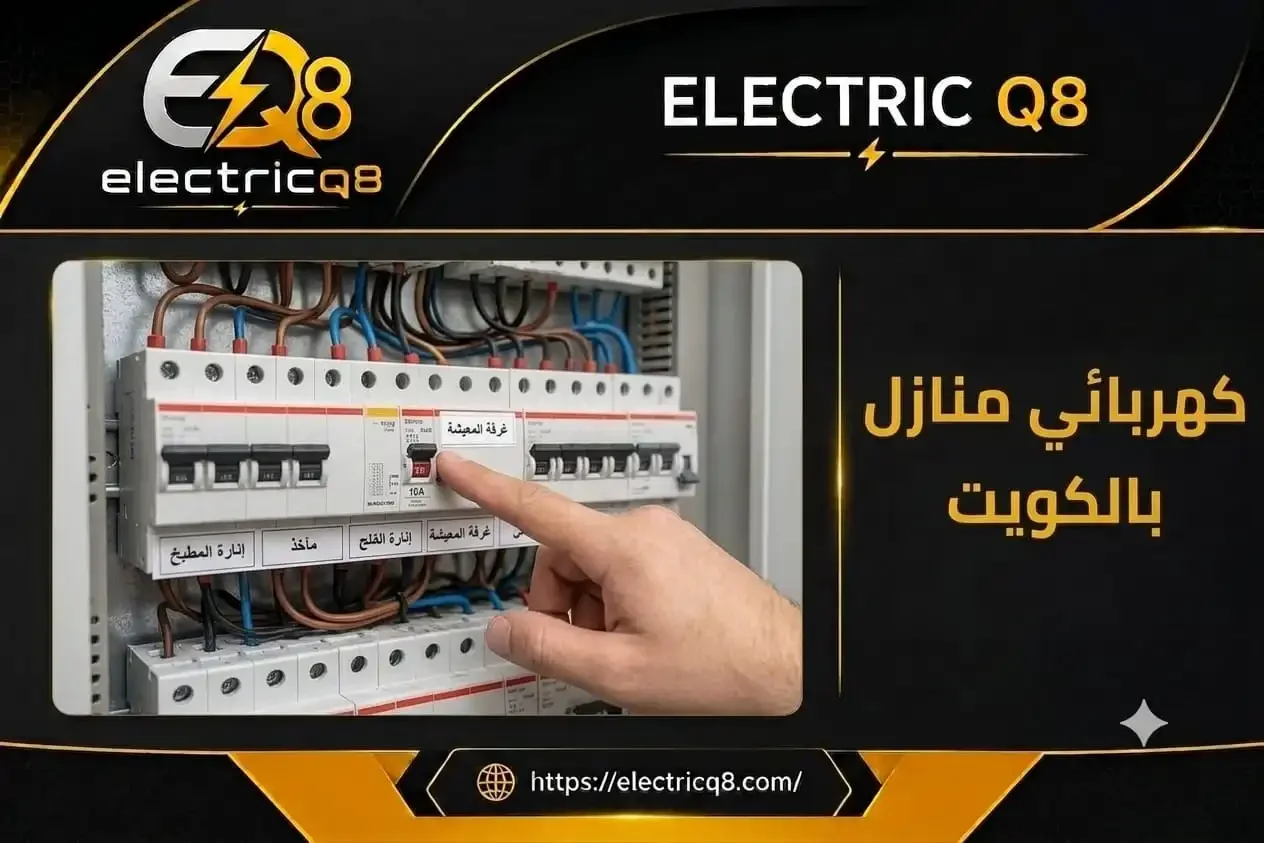
Detecting a short circuit at home in Kuwait depends on narrowing the fault area step by step rather than opening every switch and outlet throughout the property. One of the first important pieces of information is identifying which breaker trips, which electrical points it supplies, and whether the breaker disconnects immediately after being reset or only after a specific light or appliance is switched on. These details transform the problem from a random search throughout the home into an investigation of a defined circuit. When the electrical panel is correctly labeled and each breaker is clearly identified, isolating the affected circuit becomes significantly faster and more efficient.
After isolating the electrical supply, the electrician may disconnect loads associated with the circuit and inspect likely fault points according to a logical sequence. If the breaker stops tripping after a particular appliance is disconnected, the appliance or its connection becomes part of the diagnostic focus. If the problem continues after removable loads have been disconnected, the inspection moves toward fixed wiring, switches, outlets, lighting fixtures, and connection points associated with the circuit. Appropriate electrical tests may then be used to evaluate insulation condition or detect abnormal electrical paths while sensitive equipment is disconnected whenever required by the testing procedure.
The advantage of this systematic approach is that it minimizes unnecessary intervention inside the home. Not every short circuit requires wall demolition or complete rewiring. Many faults can be isolated to a specific electrical point or limited section when the circuit is divided and tested correctly. If test results indicate damage to concealed wiring, the next step can then be selected according to the cable route and installation method instead of opening walls before there is evidence of where the problem exists.
-
Professional fault detection begins by identifying the breaker, circuit, and circumstances of the trip so the search area can be reduced before electrical points are opened.
-
Disconnecting loads and testing sections of the circuit progressively helps determine whether the problem is associated with an appliance, fixed electrical point, or concealed wiring.
-
Breaking walls should not be the first diagnostic step because electrical measurements and circuit isolation can often identify the probable fault area before structural access becomes necessary.
Electrician for Short Circuit Repair in Kuwait

Choosing an electrician for short circuit repair in Kuwait should focus on diagnostic ability rather than how quickly components can be replaced. An electrician who immediately changes the breaker without investigating why it tripped, or recommends complete rewiring before carrying out proper tests, has not provided sufficient diagnosis. The right professional should understand the differences between a short circuit, electrical overload, and leakage current while being able to read the distribution panel, trace circuits, and use suitable electrical testing equipment safely.
A competent electrician also begins by collecting details about the fault. When did the breaker start tripping? Was an appliance recently installed? Did the problem appear after drilling or maintenance work? Does the breaker trip immediately or only after operating for a period of time? Is the fault associated with one room or a specific appliance? The electrician then isolates the required section, performs a structured inspection, and explains what has been discovered and why a particular repair is required. If the problem is limited to an outlet, switch, or light fixture, there is no reason to turn the repair into a complete rewiring project. If testing confirms cable damage, the electrician should explain the location and repair scope before beginning the work.
Price should also be considered realistically. It is impossible to determine the exact repair cost from the statement "I have a short circuit" because repairing an accessible electrical point is very different from tracing a fault through a circuit or accessing damaged concealed wiring. A more reliable approach is to establish the inspection cost first and determine the final repair cost after the actual fault has been diagnosed.
-
Choose an electrician who explains the fault type and inspection results before recommending replacement of breakers, cables, or other electrical components.
-
Proper electrical testing and systematic circuit tracing are more valuable than replacing multiple components in the hope that the problem will disappear.
-
Repair costs depend on the location of the fault, accessibility, and extent of damage, which is why accurate pricing is usually possible only after diagnosis.
Solving a Short Circuit at Home
Finding a solution for a short circuit at home does not mean trying different do-it-yourself steps until the breaker finally remains on because the correct solution depends entirely on the cause of the trip. The safe role of the homeowner is to stop using the affected circuit and disconnect nearby appliances only when this can be done without touching hot, damaged, or exposed electrical components. Dismantling outlets, switches, electrical panels, or wiring should be left to a qualified electrician. If the breaker trips immediately whenever it is reset, do not attempt to hold it in position or repeatedly switch it back on because its protective function is to disconnect the supply when an abnormal condition exists.
Once the problem has been diagnosed, the solution may be relatively simple if the fault is located inside a specific appliance, outlet, switch, or other accessible component. The defective item can then be isolated, repaired, or replaced according to its condition before the circuit is tested. The repair may be more extensive if testing identifies damage to part of a cable or a hidden connection box. The important principle is that the scope of work should correspond to actual evidence rather than automatically assuming the most serious possible scenario.
The condition that caused the damage should also be corrected whenever it can be identified. If a cable was damaged during drilling, repairing the conductor without considering cable routes during future work leaves the same risk in place. If water entered an electrical point and caused the fault, the source of moisture should be corrected before the point returns to service. A lasting solution addresses both the electrical fault and the circumstances that caused it.
-
The homeowner's role is to reduce exposure to the hazard and stop using the affected circuit rather than opening electrical wiring and attempting to locate the short circuit personally.
-
The repair method is determined after identifying the fault location and may range from repairing one component to replacing a limited damaged section of wiring.
-
Correcting contributing conditions such as moisture, drilling damage, or improper connections reduces the likelihood of the same electrical fault returning after repair.
Locating a Short Circuit Inside the Home
Locating a short circuit inside the home is often the most important part of the entire repair because once the fault has been isolated to a specific section of the circuit, the required repair becomes much clearer. The electrician normally begins at the distribution panel to identify the breaker associated with the problem and determine which outlets, lighting points, or other loads receive power from it. If the circuit supplies several rooms or a large number of outlets, it can be divided logically wherever possible so the electrician can determine which section contains the fault and which sections can be eliminated from further investigation.
The timing of the problem can also provide valuable clues. A short circuit that appears immediately after installing a chandelier may direct the inspection toward the lighting point and connections that were recently handled. A fault that begins after installing a cabinet or drilling into a wall makes nearby concealed cable routes an important part of the investigation. When the problem appears only after operating one appliance, diagnosis must distinguish between a fault inside the appliance and a problem with the electrical point supplying it. These clues do not prove the cause by themselves, but they help establish the correct testing sequence.
When concealed wiring is suspected, the location for opening the wall should never be selected by guesswork. Available circuit plans, likely cable routes, connection points, and electrical test results should all be considered before access is created. The more accurately the fault is located, the less unnecessary structural work is required and the faster the affected circuit can usually be returned to safe service.
-
Connecting the tripping breaker to the electrical points it supplies reduces the search from the entire home to a smaller area that can be tested much more accurately.
-
The appearance of a short circuit immediately after drilling, installation work, or operation of a particular appliance provides an important clue for prioritizing diagnostic possibilities.
-
Accessing concealed cables should be based on diagnostic results and probable cable routes rather than opening walls randomly in search of the fault.
Short Circuit Keeps Tripping the Breaker
When a short circuit keeps tripping the breaker, you should stop repeatedly resetting the protective device, especially if it trips immediately after being switched on. In this situation, the breaker may be performing its intended function by protecting the circuit from a high fault current. Attempting to hold the breaker in the ON position, bypassing its operation, or replacing it with a higher-rated breaker without evaluating the circuit is unsafe. It is also incorrect to assume that the breaker itself is defective simply because it refuses to remain switched on.
Diagnosis begins by identifying the pattern of the trip. A breaker that disconnects instantly may require a different diagnostic path from one that operates for several minutes before tripping after multiple loads are switched on. Delayed tripping may direct attention toward electrical loading, temperature, or protection characteristics, while immediate operation in the presence of an actual fault can indicate a different condition. The type of protective device also matters because a breaker intended to protect against overcurrent and short circuits does not perform exactly the same function as a device designed to detect leakage current.
After the type of problem has been identified, the circuit and connected components are inspected and tested before power is restored. If testing eventually confirms that the breaker itself is defective, its replacement must have specifications compatible with the circuit design and cable capacity rather than simply using a larger breaker to prevent future tripping.
-
Do not assume that repeated tripping means the breaker is defective because the protective device may be responding correctly to a genuine electrical fault.
-
The difference between immediate tripping and tripping after a period of operation provides useful diagnostic information but proper testing is still required to establish the cause.
-
Installing a higher-rated breaker without calculating cable capacity and electrical load can hide the visible symptom while reducing protection instead of correcting the underlying fault.
Repairing Electrical Contact Faults at Home in Kuwait
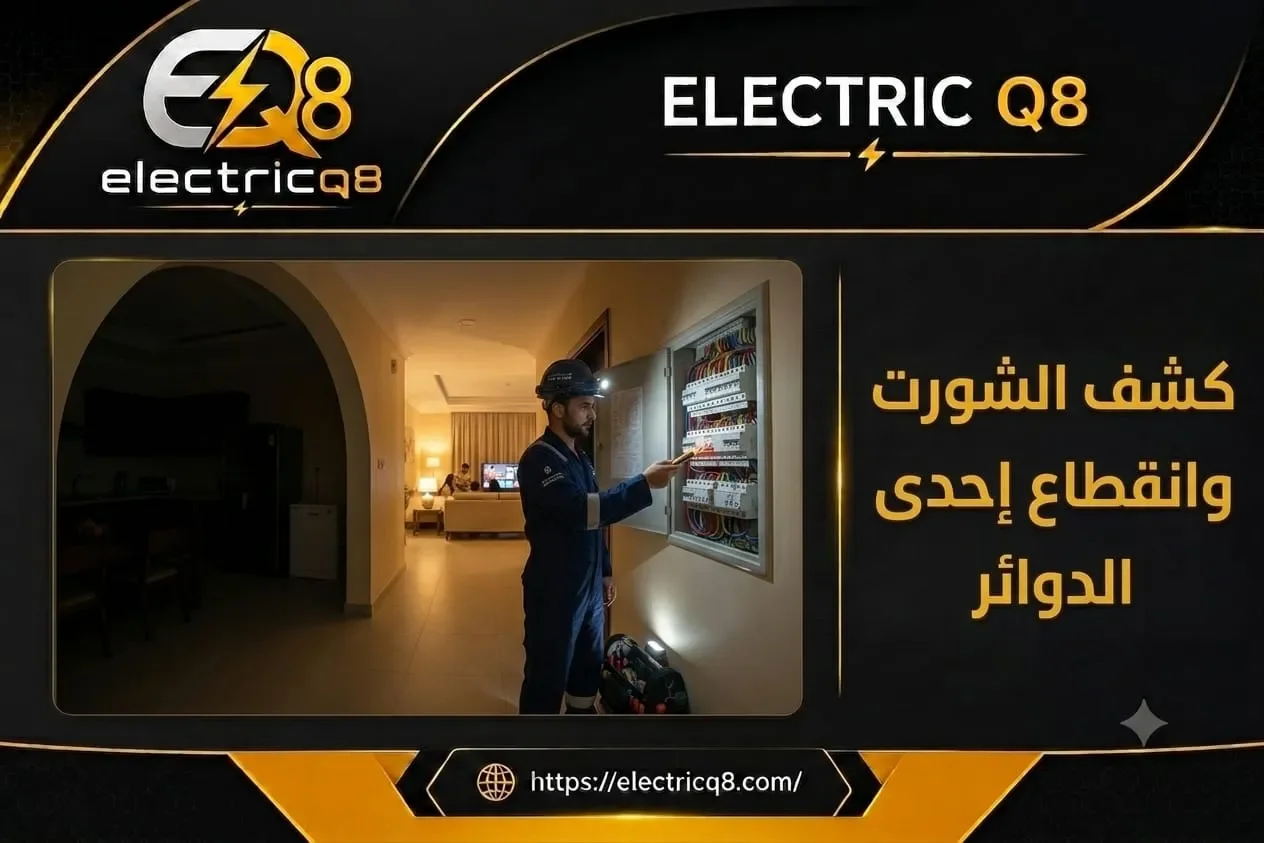
Repairing electrical contact faults at home in Kuwait requires first determining what the homeowner means by "electrical contact" because this expression may be used to describe sparks, breaker tripping, electric shocks, or an actual short circuit. Each of these conditions can have a different cause and require a different inspection procedure. For this reason, an electrician should begin by asking what actually happened instead of building the diagnosis around a general description of the problem.
If the issue involves sparking inside a switch or outlet, the contact point, wiring connections, and component itself need to be examined. If the problem involves repeated breaker tripping, the circuit, electrical load, and protective device must be evaluated. Feeling a shock or tingling sensation from the metal body of an appliance is another situation entirely and should be taken seriously. The appliance should not continue to be used while insulation, grounding, and the relevant protective arrangements are inspected. Confusing these different electrical problems can result in repairing a component that has nothing to do with the actual fault.
After the underlying cause has been identified, the damaged component is repaired and appropriate tests are carried out before the system is returned to service. The goal is not simply to say that "the electricity works again." The abnormal condition must be corrected and the protective system should continue to function as intended. This is particularly important in older homes or properties where previous electrical modifications may not have been properly documented.
-
The term electrical contact fault alone is not enough to identify the problem so the actual symptom such as sparking, breaker tripping, or electric shock should be described before diagnosis begins.
-
Different electrical faults require different testing procedures and leakage current problems should not be approached in exactly the same way as a short circuit.
-
A complete repair addresses the cause of the abnormal electrical condition and verifies circuit and protection performance before normal use resumes.
Short Circuit Detection Technician in Kuwait
The primary role of a short circuit detection technician in Kuwait is to locate the electrical fault with as little guesswork and unnecessary intervention as possible. This requires practical knowledge of residential circuits, distribution panels, breakers, and wiring layouts together with the ability to use electrical testing equipment and correctly interpret the results. A competent technician does not depend on one supposedly magical device that simply "finds the short." Reliable fault detection combines information about the incident, electrical measurements, circuit isolation, and systematic tracing.
During a productive site visit, the technician begins by reviewing the electrical panel, listening carefully to the description of what happened, and identifying the affected circuit. The electrical supply is then isolated and appropriate tests are performed according to the type of fault. Each result should lead logically to the next diagnostic step so healthy sections can be excluded and the problem can gradually be narrowed down. This methodology is especially important when the fault exists in concealed wiring because opening walls before identifying the likely location can multiply repair costs without providing useful information.
Before completing the work, the technician should explain where the fault was located, what caused it, what repair was performed, and whether any condition requires future attention. If an electrical point was damaged by previous work, moisture, drilling, or unsuitable use, understanding that cause helps the homeowner prevent the same situation from happening again. The technician's real value therefore lies in dependable diagnosis rather than simply restoring electricity as quickly as possible.
-
A technician who follows clear isolation and measurement procedures can narrow the fault area before recommending extensive dismantling or structural work.
-
Experience in reading electrical panels, tracing circuits, and interpreting measurements is essential because locating a short circuit should never depend on guesswork or a single testing device.
-
Explaining the fault location, cause, and completed repair gives the homeowner a clearer understanding of the problem and helps prevent the conditions that could cause it to return.
Conclusion
A short circuit inside the home in Kuwait requires a controlled response that begins by avoiding repeated breaker resets when the protective device trips immediately and staying away from any electrical point producing sparks, smoke, excessive heat, or a burning smell. It is equally important not to assume that every breaker trip is automatically a short circuit because overload conditions, leakage current, and appliance faults can create symptoms that require different diagnostic procedures. A qualified electrician begins by identifying the breaker, affected circuit, and circumstances surrounding the problem before using inspection and electrical measurements to narrow down the fault. This approach allows the actual cause to be repaired with the minimum necessary intervention instead of randomly replacing breakers and wiring or opening walls before the fault location is known.
Frequently Asked Questions
Should I reset the breaker after a short circuit?
If the breaker trips immediately again or the incident involves sparks, a popping sound, or a burning smell, do not keep resetting it. Leave the affected circuit isolated until the cause of the trip has been identified and the circuit has been safely inspected.
Does a breaker that keeps tripping always mean a short circuit?
No. Breaker tripping can result from a short circuit, electrical overload, leakage current, or another fault depending on the protective device and operating conditions. Proper inspection is required to determine the actual cause.
Does finding a short circuit require breaking the wall?
Not necessarily. Diagnosis normally begins by identifying the affected circuit, disconnecting loads, performing electrical measurements, and tracing relevant points. Wall access is considered only when test results indicate a fault in concealed wiring and narrow the probable location sufficiently.
How much does it cost to repair a short circuit at home?
There is no single accurate price before inspection because repairing a fault in an accessible switch or outlet is very different from tracing and repairing damaged concealed wiring. Diagnosing the problem first provides a much more realistic basis for determining the repair cost.
When does a short circuit become an electrical emergency?
If you notice smoke, visible flames, continuous sparking, severe heat, or a strong burning smell, move away from the source and do not touch or dismantle electrical components. If an actual fire develops, prioritize getting to a safe location and contacting the appropriate emergency services.