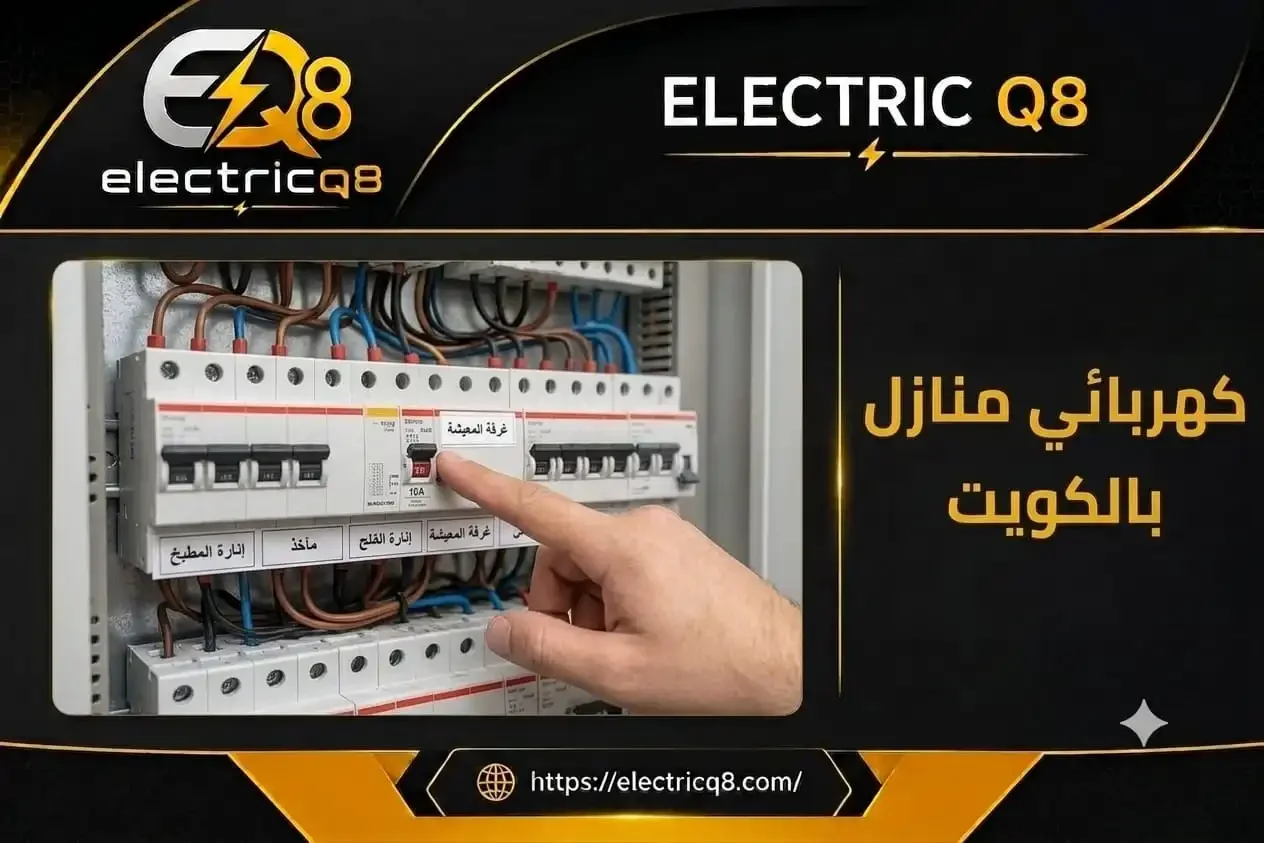
If you install a new circuit breaker and then discover that it still keeps tripping, do not immediately assume that the new component is defective. The breaker may simply be revealing a problem that already exists in the circuit, such as a load beyond its capacity, a short circuit, poor electrical connections, or a fault that appears when a particular appliance is switched on. It is also necessary to confirm that the new breaker was correctly selected and installed for the circuit because replacing the old component does not automatically correct design or load problems. Smart diagnosis begins with a simple question: when does the new breaker trip, and what is operating at that moment? The answer directs the inspection toward the circuit instead of starting another cycle of breaker replacements without identifying the real cause.
New Circuit Breaker Keeps Tripping
When a new circuit breaker keeps tripping, the fact that the breaker is new does not mean it should remain in the ON position regardless of the condition of the electrical circuit. A breaker's fundamental purpose is to disconnect the supply when conditions covered by its protection characteristics occur. Continued tripping after replacing the old breaker can therefore provide valuable information suggesting that the original component may never have been the real cause. During practical troubleshooting, it is particularly useful to determine whether the previous breaker behaved in the same way and whether it was replaced specifically because of repeated tripping or because of a separate defect. Understanding the history of the problem prevents the diagnosis from starting in the wrong place.
The next step is to understand the tripping pattern rather than repeatedly resetting the breaker. If it trips immediately after being switched on, the inspection path differs from a breaker that remains on for ten or thirty minutes and then trips as electrical usage increases. Similarly, if the breaker operates only when one particular appliance is switched on, that relationship deserves investigation instead of automatically blaming the new breaker. The appliance itself may have a fault, the branch circuit supplying it may contain a problem, or operating that appliance may raise the total circuit load beyond an appropriate level. If the breaker trips even after known loads have been disconnected, a broader circuit inspection may be required to determine what is causing the protective response.
The newly installed breaker itself must also be reviewed for its specifications, compatibility, and installation. Saying that "the breaker is new" does not guarantee that it is the correct choice for the circuit. There may be a problem with its rating, protection characteristics, connection, or compatibility with the electrical panel. A complete diagnosis therefore does not assume that the breaker is healthy merely because it is new, nor does it assume that it is defective simply because it trips. Instead, it examines the relationship between the breaker, circuit, and electrical load.
-
If the same tripping occurred before and after breaker replacement, this is important evidence directing diagnosis toward the circuit or electrical load instead of continuing to replace breakers based on assumptions.
-
Recording when the trip occurs, which appliances were operating, and how long the breaker remained on before tripping gives the electrician a practical pattern that can be compared with circuit load and operating behavior during testing.
-
A new breaker is not automatically the correct breaker because its specifications, installation method, and compatibility with the circuit must all be appropriate before the component can reasonably be excluded from diagnosis.
Breaker Trips After Being Replaced

If the breaker trips after being replaced, the important question is not "why is the new breaker defective?" but rather "why is the circuit still creating a condition that makes the protective device operate?" This perspective completely changes the approach to the problem. If the previous breaker was replaced simply because it kept tripping without diagnosing the electrical circuit, the replacement may have addressed the symptom superficially without getting anywhere near the actual cause. The new breaker is now operating on the same circuit with the same appliances and electrical connections, so it is reasonable for the problem to return when the original conditions remain unchanged.
Consider a practical example involving a kitchen circuit that trips when several high-consumption appliances operate at the same time. If the old breaker is replaced with another correctly rated breaker without reviewing the electrical load, the tripping may continue because the problem is associated with how the circuit is being used or how the loads are distributed rather than the age of the breaker. In another example, the breaker may trip whenever one particular appliance starts. In that situation, inspecting that appliance and the branch circuit supplying it becomes more important than examining every other load in the property. Distinguishing between these two scenarios prevents completely different tripping conditions from receiving the same diagnosis.
One mistake that must be avoided is increasing the breaker rating simply because the replacement breaker also trips. If the conductors and circuit were designed around a particular level of protection, installing a higher-rated breaker without verifying cable capacity and installation conditions may reduce protection rather than solve the problem. The correct approach is to measure the load, inspect the circuit, determine the reason for tripping, and repair that cause. If the newly selected breaker is then found to be unsuitable, that issue should be corrected according to circuit design rather than according to a desire to stop tripping by any means.
-
Continued tripping after installing a new breaker demonstrates why the reason for replacing the original breaker should be reviewed because replacement without diagnosis can leave the original electrical fault completely unresolved.
-
Tripping associated with several appliances operating simultaneously differs from tripping caused by one specific appliance, so the usage pattern helps determine whether diagnosis should begin with total load or a particular branch circuit.
-
Installing a higher-amperage breaker simply to prevent tripping is not a safe experiment because the protective rating must correspond to the conductor and circuit rather than the user's desire to operate additional loads.
Why a New Circuit Breaker Trips
Determining why a new circuit breaker trips requires arranging possible causes according to the behavior of the problem rather than replacing components one after another. Possible causes include a load exceeding what the circuit can appropriately handle, a short circuit somewhere in the wiring, an appliance that produces a fault when switched on, or a problem with electrical connections. The possibility that the new breaker itself is incorrectly specified or improperly installed should not be ignored either. Each possibility has different evidence and testing requirements, so there is no single explanation that applies to every new breaker that trips.
The timing of the trip can significantly narrow the possibilities. A very rapid trip when the circuit is energized differs from one that occurs only after electrical loads have operated for a period of time. Similarly, a trip that occurs when one particular appliance is switched on differs from one that appears only when several appliances are operating together. The electrician uses this information alongside load measurements and appropriate circuit inspection to determine what is happening at the moment the breaker operates. This turns breaker behavior into a diagnostic clue instead of automatically treating the breaker itself as the problem.
It is also important to review what happened during the replacement process. Was a breaker appropriate for the circuit installed? Were conductor terminals inspected? Are there signs of previous overheating or deterioration? Did the problem begin only after replacement, or was it already present? If tripping appears for the first time after installation of the new breaker, the installation and breaker specifications deserve review alongside the circuit itself. If the same tripping existed before replacement and continues afterward, the likelihood of an external cause becomes stronger and should be investigated systematically.
-
The reason for tripping is determined by the relationship between the breaker, electrical load, circuit, and connected appliances and cannot be reduced to a defect in the new component simply because the problem appears after installation.
-
Immediate tripping, delayed tripping after a period of operation, and tripping associated with one specific appliance represent three different diagnostic patterns that help determine the appropriate inspection for each condition.
-
Knowing whether the problem started after replacement or existed beforehand helps prioritize possibilities involving incorrect breaker selection or installation versus a continuing fault within the electrical circuit.
New Breaker Trips When the Load Increases
When a new breaker trips when the load increases, the most important information is that the tripping corresponds with a clear change in how the electrical circuit is being used rather than simply with whether the breaker is new or old. If the circuit operates normally with one or two appliances but trips when additional high-consumption equipment is added, the electrician should begin by measuring and reviewing the actual load rather than assuming there is a defect inside the breaker. The appliances operating simultaneously, the current flowing through the circuit, conductor capacity, protective device, and original circuit design all need to be considered together.
In some situations, the new breaker may have restored the correct level of protection after the previous breaker was unsuitable or had been altered in the past. The user may then believe that the problem started after replacement when the new breaker is actually exposing a usage pattern that is inappropriate for the circuit. One example is a circuit serving several high-consumption appliances simultaneously even though its original design was not intended for that combination of loads. The solution is not to reinstall the previous breaker or randomly increase the rating of the new one. Instead, the electrical loads and the need for appropriately designed circuits should be reviewed.
Not every trip associated with increased electrical usage should automatically be classified as a simple overload either. Higher current can expose a weak electrical connection or another condition that becomes more apparent under load, which is why connections and overall circuit condition should be evaluated alongside measurements. Professional troubleshooting is not focused only on stopping the breaker from tripping. It verifies whether the circuit can safely serve the required loads within its proper operating limits.
-
When tripping begins as additional appliances are connected to the circuit, measuring actual current and reviewing which appliances operate simultaneously becomes more useful than replacing the breaker again.
-
A new breaker can expose electrical usage that was already beyond the appropriate capacity of the circuit, so continued tripping does not automatically mean that the new breaker was incorrectly installed.
-
Correcting load-related tripping begins with reviewing load distribution and circuit capacity rather than increasing the breaker rating without confirming that the conductors and the rest of the electrical system can support the change.
Circuit Problem After Changing the Breaker
A circuit problem after changing the breaker can mean that the fault existed before replacement and was never identified, that a condition appeared during the work and requires review, or that the new breaker exposed a previously hidden problem. The timing of the fault therefore matters considerably. If the circuit tripped before replacement and continues to do so afterward, the logical direction is to look for an underlying cause that was never corrected. If the circuit previously operated normally and tripping began only after installation, the new work should be reviewed alongside the rest of the circuit.
The circuit contains several locations capable of creating a problem. There may be a defective appliance, a damaged section of wiring, an unstable electrical connection, or a particular branch where the fault appears during operation. For this reason, the inspection should be divided systematically rather than opening every electrical box or replacing wiring at random. Knowing which appliances and which branch are associated with the trip helps narrow the search area and reduces unnecessary dismantling.
A simple piece of information can be particularly valuable here: what changed immediately before the problem appeared? If only the breaker was replaced and the electrical loads remained unchanged, reviewing the new breaker's specifications and installation becomes a priority. If a new appliance was added around the same time, that change should not be ignored. Good troubleshooting builds a timeline of the fault and then tests the possibilities instead of automatically assuming that the most recently touched component must be responsible.
-
If the same fault existed before and after breaker replacement, the likelihood increases that a circuit problem remained unresolved during the original replacement work.
-
Tripping that appears for the first time after installation of the new breaker requires review of the new component's specifications and electrical connections without excluding another fault that may have appeared at the same time.
-
Dividing the circuit according to branches and appliances associated with the trip helps locate the problem area without resorting to unnecessary dismantling of electrical wiring.
Electrical Circuit Inspection After Breaker Installation

An electrical circuit inspection after breaker installation is intended to confirm that the new breaker and the circuit operate correctly as one coordinated system. Simply installing the breaker and restoring electricity is not enough to confirm successful work, particularly when repeated tripping was the reason the original breaker was replaced. The inspection should establish whether the original problem has disappeared, whether electrical load is appropriate, whether connections remain in suitable condition, and whether the new breaker is compatible with the requirements of the circuit.
The inspection begins by reviewing the work that was completed and then observing the circuit under appropriate operating conditions. If the problem appears when particular appliances are used, the electrician can recreate the relevant operating conditions in a controlled and technically appropriate manner and measure the load rather than relying on assumptions. Related connection points, conductor condition, and any previous signs of overheating should also be reviewed because they may indicate a problem that breaker replacement did not address.
This step can also identify problems before they become recurring faults. The circuit may remain energized during a quick inspection while its actual operating load is close to conditions that deserve further evaluation, or a connection point may develop abnormal heat under load. Post-installation inspection provides an opportunity to verify the result instead of waiting for another customer call several days later because the breaker has started tripping again.
-
Successful breaker installation should not be judged only by restoration of electricity but by stable circuit operation under the same conditions that previously caused the problem.
-
Measuring electrical load while the appliances associated with the trip are operating provides more useful information than testing the breaker and circuit without the loads that originally triggered the fault.
-
Reviewing connections and previous heat damage after installation helps identify an unresolved circuit problem before it produces another trip or causes deterioration at another point.
New Breaker Trips for No Clear Reason
When a new breaker trips for no clear reason, it usually means that the cause is not obvious to the user rather than that no cause exists. Some electrical faults are not clearly linked to one appliance and may appear intermittently depending on the number of appliances operating, the duration of operation, or particular conditions within the circuit. A useful first step is therefore to record when the trip occurs and what was operating immediately beforehand rather than treating every event as completely random.
Intermittent faults require more diagnostic patience than problems that can be reproduced easily. The electrician may need to compare electrical loads, review the branches supplied by the breaker, inspect connections, and search for a pattern that repeats. If the installed breaker provides more than one protective function, it is also important to identify which protective response occurred because saying that the breaker "tripped" does not by itself explain the electrical mechanism responsible.
The breaker selection and installation should also be checked if the problem began immediately after replacement. However, replacing it with another new breaker without supporting evidence is not a reliable circuit test. When intermittent tripping continues, the better approach is to collect evidence and measurements and progressively narrow the search until the common factor behind the repeated trips can be identified.
-
Apparently random tripping becomes easier to diagnose when the time of each event, the appliances operating, and their operating duration before the trip are recorded.
-
Intermittent electrical faults require comparison of operating conditions between different events because the cause may appear only when certain loads or circumstances occur together.
-
Replacing the new breaker again merely because the cause is unclear may repeat the original mistake, while systematic inspection searches for the common condition that causes the protection to operate.
Fixing Breaker Tripping After Installation
Finding a solution for breaker tripping after installation begins with proving the cause rather than looking for a way to stop the protective device from performing its function. If inspection shows that the problem is an overload, the solution may involve load distribution or circuit design appropriate for the actual usage. If a defective appliance or a fault in a specific branch is responsible, that part should be repaired. If breaker selection or installation is incorrect, it should be corrected according to the requirements of the electrical circuit.
Installing a higher-rated breaker simply because the current one trips, physically preventing the handle from operating, or attempting to bypass the protective device are not acceptable solutions. The breaker exists to protect the circuit, and its protective function should not be disabled merely to keep appliances operating. Any change in protection needs to be based on conductor capacity, electrical load, and system design rather than a desire to eliminate the symptom of tripping.
After the repair is completed, the result should be verified under operating conditions similar to those that originally caused the problem. If the breaker used to trip when three appliances operated together, testing the circuit with almost no load is not enough. Appropriate post-repair testing provides stronger confirmation that the actual cause has been corrected and that the new breaker can protect the circuit without unnecessary tripping during normal use.
-
The correct repair depends on the confirmed cause and may involve load distribution, appliance repair, correction of a branch circuit, or proper breaker selection rather than one universal solution for every tripping problem.
-
Physically preventing the breaker from tripping or increasing its rating without proper evaluation does not repair the problem and may remove part of the protection required by the conductors and circuit.
-
Testing the electrical circuit after repair under conditions similar to those in which the fault originally appeared provides stronger practical confirmation than simply restoring electricity without normal loads.
Electrician to Inspect a Breaker Circuit in Kuwait
When choosing an electrician to inspect a breaker circuit in Kuwait, pay attention to the diagnostic approach before asking how quickly the breaker can be replaced. An electrician who asks which breaker trips, when the trip occurs, which appliances are operating, and whether the problem started before or after breaker replacement is gathering information that can lead to the real cause rather than beginning with a predetermined assumption.
Professional inspection considers the breaker, electrical circuit, load, and relevant connection points according to the condition being investigated. If tripping is associated with a specific appliance, testing can focus on that appliance and its circuit instead of immediately proposing complete rewiring. If the problem appears only when several loads operate simultaneously, the actual operating conditions can be measured. This approach reduces unnecessary work and gives the customer an understandable explanation before repairs are approved.
The cost depends on the diagnostic scope and what is discovered. Inspecting a clearly identified circuit associated with one appliance differs from tracing an intermittent fault across several branches or repairing damaged wiring. The better approach is to explain what needs repair after inspection and then price the required work instead of applying one fixed solution to every breaker-tripping problem.
-
An electrician who connects the timing of the trip with appliances, electrical load, and the history of the problem can build a more accurate diagnosis than someone relying only on the fact that the breaker was recently replaced.
-
Narrowing the inspection to the branch or appliance associated with the fault reduces unnecessary dismantling and component replacement while making the recommended repair easier for the customer to understand.
-
Different fault scopes make post-diagnosis pricing more reasonable because correcting an obvious load problem does not involve the same work as tracing an intermittent fault through several parts of the circuit.
New Breaker Trips When Appliances Are Switched On

If a new breaker trips when appliances are switched on, first determine whether one specific appliance causes the problem or whether the trip occurs only when several appliances operate together. This simple distinction divides diagnosis into two different directions. One appliance may direct inspection toward its condition and the branch circuit supplying it, while several appliances operating together make simultaneous load and load distribution some of the first factors requiring review.
It is also useful to note exactly when the trip occurs in relation to appliance operation. Some appliances draw different current during startup than during steady operation, so the electrician needs to understand the characteristics of the load, breaker, and circuit rather than judging the situation from the appliance name alone. If tripping occurs after the appliance has operated for some time, the diagnostic picture may differ from an instantaneous trip. These observations should be connected with actual measurements and circuit specifications to identify the cause.
Moving a suspected appliance randomly between several outlets or circuits is not recommended when there is reason to suspect an electrical fault, particularly if unusual heat, sparking, or a burning smell is present. The objective is not to find a circuit that will "handle" the appliance without tripping but to verify that both the appliance and its electrical supply are safe. If the cause is a combination of loads, the correct solution involves appropriate organization or redistribution rather than finding a breaker that ignores the load.
-
Tripping caused by one appliance directs inspection toward that appliance and its branch circuit, while tripping caused by several appliances operating together makes simultaneous electrical load and distribution central parts of the diagnosis.
-
Knowing whether the breaker trips at appliance startup or after continued operation helps explain the relationship between the problem and load characteristics rather than placing every appliance in the same diagnostic scenario.
-
Testing a suspected appliance on different circuits is not a substitute for inspection when warning signs of an electrical fault are present because the goal is to verify appliance and circuit safety rather than find protection that does not trip.
Conclusion
If a new circuit breaker keeps tripping after installation, do not begin by replacing the breaker again before finding out why it is operating. Continued tripping may reveal an unsuitable electrical load, a defective appliance, a fault in one branch of the circuit, or a problem with electrical connections. There may also be an issue involving the selection or installation of the new breaker itself. The difference becomes clearer by examining the timing of each trip, the appliances operating at the time, and actual electrical measurements. Most importantly, do not increase the breaker rating or bypass the protection simply to stop the tripping. The objective is to repair the underlying cause while keeping the circuit correctly protected. A systematic post-installation inspection can save the customer from replacing healthy components and provide a solution based on the actual condition of the electrical circuit.
Frequently Asked Questions
Does a new breaker tripping mean it is defective?
No. A new breaker may be tripping because it is responding to an electrical load or fault already present in the circuit. At the same time, its specifications and installation should be checked before completely excluding the breaker itself from the diagnosis.
Why does it still trip after replacing the old breaker?
If the old breaker was replaced without identifying the original reason for tripping, the underlying problem may still be present, such as an overload, defective appliance, or circuit fault. Continued tripping after replacement therefore makes inspection of the electrical circuit essential.
Should I install a higher-amp breaker if the new one trips?
The breaker rating should not be increased simply to stop tripping. Conductor capacity, electrical load, and circuit design must first be reviewed because a randomly selected higher-rated breaker may not provide appropriate protection for the cable.
How do I know if an appliance is causing the breaker to trip?
A consistent relationship between switching on a particular appliance and breaker operation is an important clue, but it is not enough by itself to prove that the appliance is defective. The appliance, its branch circuit, and operating conditions should be checked to determine whether the problem originates from the appliance or the electrical supply.
When should I call an electrician for a new breaker?
If tripping repeatedly occurs, happens immediately after resetting, consistently appears with a particular appliance, or is accompanied by abnormal heat, burning odors, or unusual electrical sounds, do not continue resetting the breaker. Leave the affected circuit out of service when warning signs are present and arrange inspection by a qualified electrician.