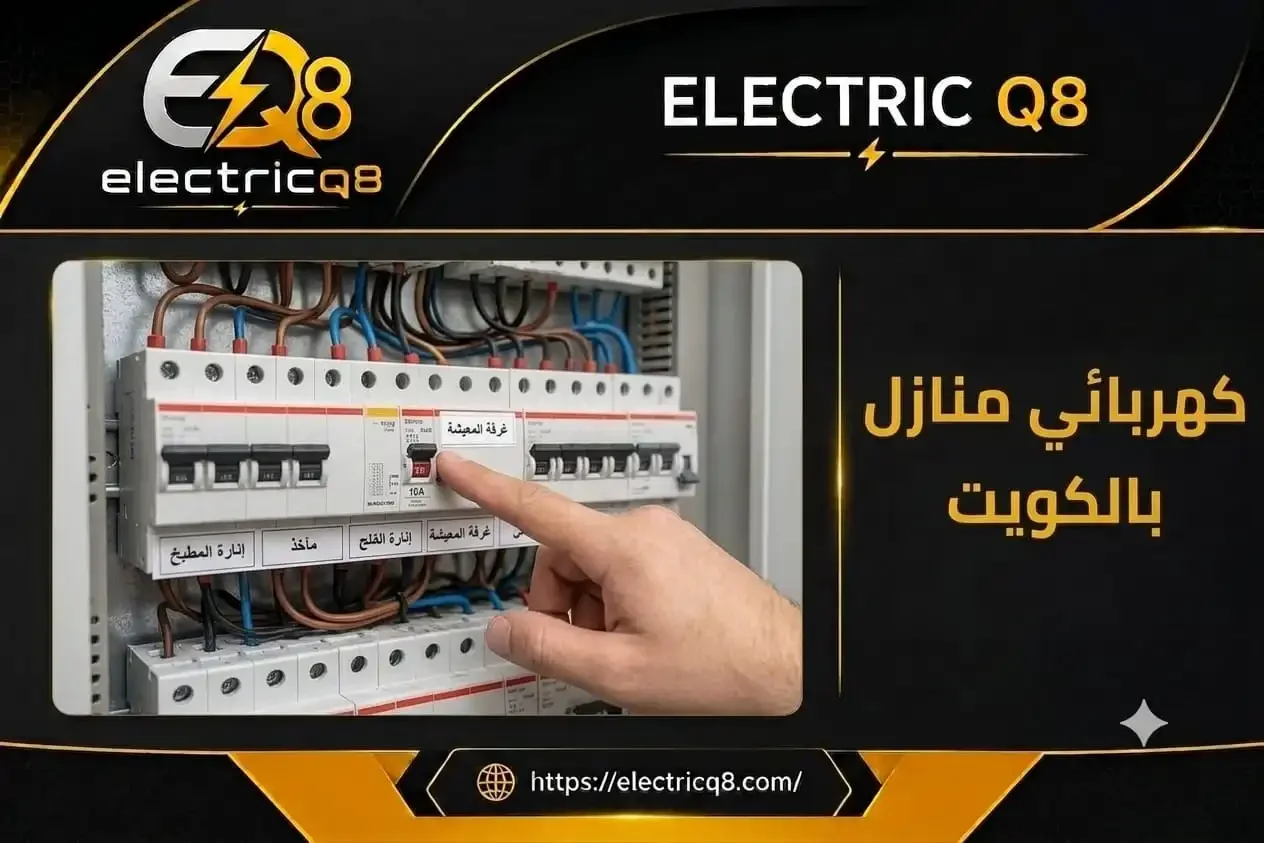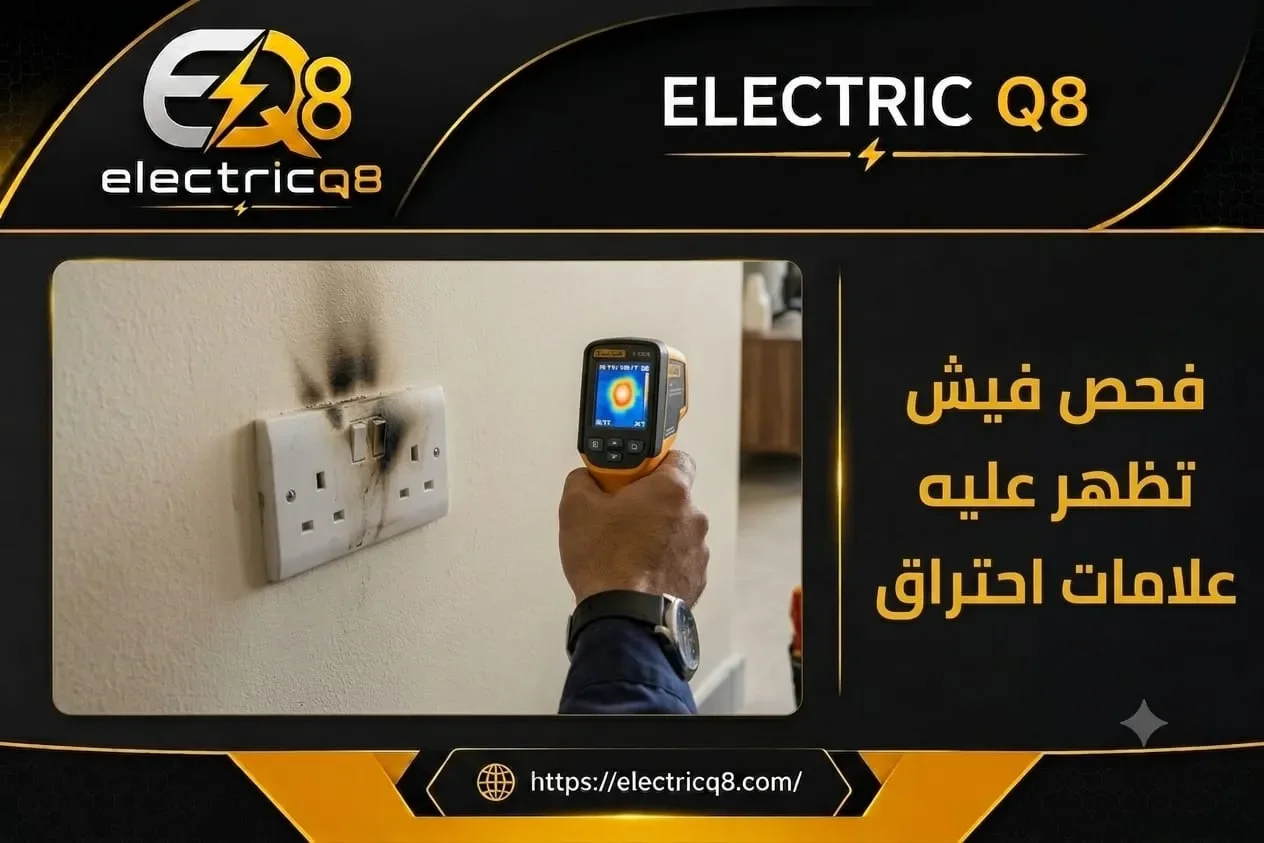
If you touch the outside of an electrical outlet and notice significant heat while an appliance is operating, do not consider it normal simply because the appliance is still working. The heat may come from a high electrical load on the outlet, poor electrical contact, damage to the outlet or appliance plug, or wiring connections behind the outlet. More importantly, the location of the heat provides different diagnostic information. It may be concentrated on the face of the outlet, around the appliance plug, or inside the connection point itself. The correct response is not simply to replace the outlet and consider the problem solved. If the heat is abnormal, stop using the outlet and have the load, electrical contact, wiring connections, outlet specifications, and appliance requirements inspected so the underlying cause can be corrected before it develops into burning or more extensive damage.
Hot Electrical Outlet in Kuwait
If you notice a hot electrical outlet in Kuwait while using a particular appliance, the first distinction to make is between slight warmth that may transfer from certain appliance plugs or adapters and noticeable heat developing in the wall outlet itself. An outlet that becomes clearly hot, continues getting hotter as the appliance operates, or develops a plastic smell or discoloration requires inspection. This is particularly important when the connected appliance is a continuous or high electrical load because current flowing for an extended period can make weakness in an electrical contact or connection more noticeable.
In practical situations, identifying exactly where the heat is concentrated is more useful than simply saying, "the outlet is hot." Is the heat on the face of the receptacle? Is it concentrated around one side of the appliance plug? Does the plug move too easily inside the outlet instead of remaining firmly seated? Is an extension, power strip, or adapter installed between the appliance and the wall outlet? These details help the electrician determine where the inspection should begin. An outlet that no longer holds the appliance plug firmly, for example, may have weakened or deteriorated internal contacts, although the actual cause should not be confirmed until the circuit has been safely isolated and inspected.
If the outlet becomes extremely hot or the condition is accompanied by a burning smell, clicking, sparks, or black discoloration, do not continue using it even if the appliance still appears to operate normally. Disconnect the load safely when this can be done without touching a damaged or excessively hot component and leave the electrical point unused until it has been inspected. The electrician should assess the outlet, appliance plug, electrical connections, and load rather than simply replacing the visible outlet face because the actual source of heat may be located behind it.
-
A gradual rise in outlet temperature while a particular appliance continues operating provides important information about the relationship between electrical load and contact quality and deserves inspection before the outlet is used for extended periods again.
-
Heat concentrated around one side of the appliance plug or noticeable movement when the plug is inserted may direct attention toward the condition of the electrical contacts but does not replace inspection of the internal connections after the circuit is isolated.
-
A burning smell, black discoloration, or sparks occurring together with outlet heating increases the level of concern and means continuing to operate the appliance from the same electrical point is not an appropriate way to test its safety.
Cause of an Electrical Outlet Heating Up
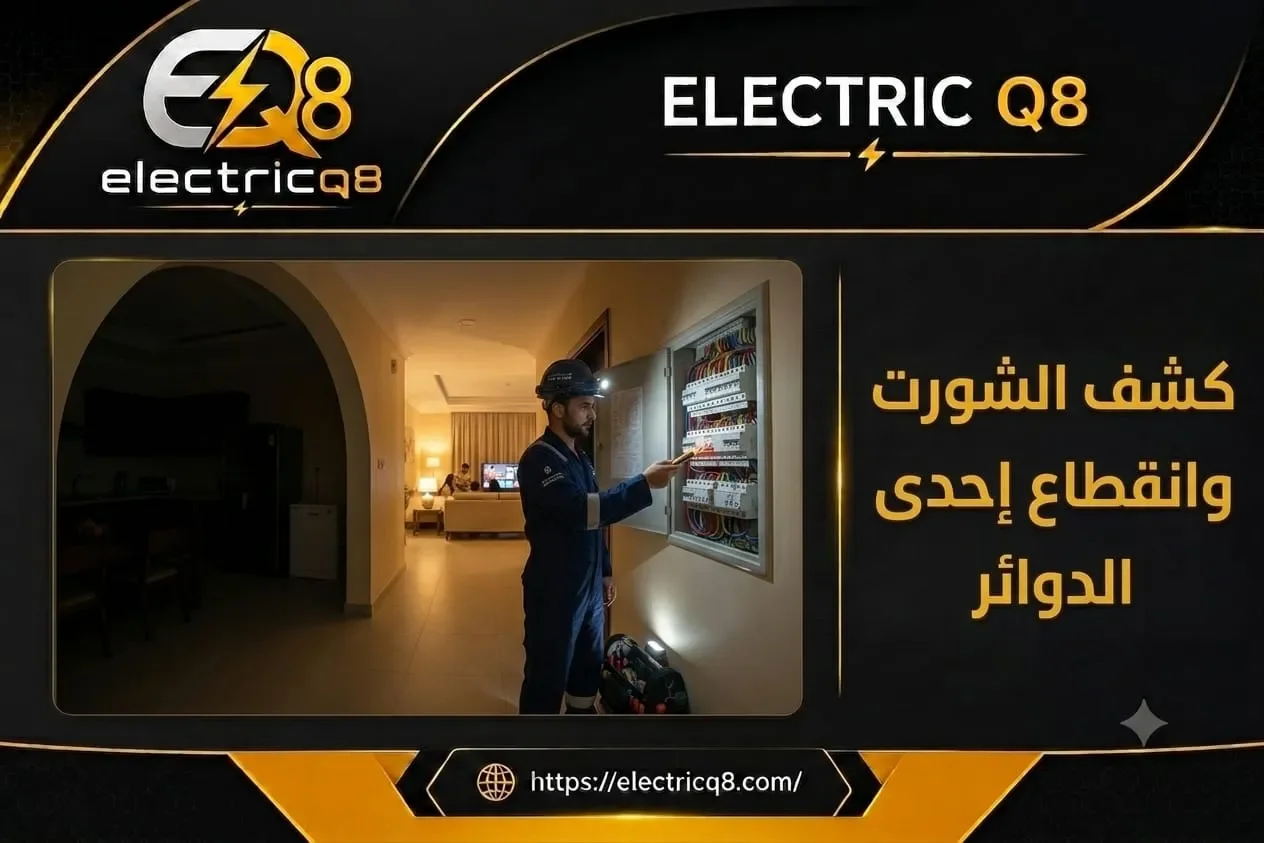
Determining the cause of an electrical outlet heating up requires examining the complete electrical path at the point of use rather than looking only at the outlet. Heat develops when electrical losses occur at a particular point and can increase because of poor contact, excessive resistance at a terminal or connection, or current that is unsuitable for the condition and rating of the component being used. The outlet may also be old and have lost some of its internal contact pressure, or previous overheating may have damaged its terminals or surrounding insulation. In other situations, the appliance plug itself may be deteriorated and the problem appears where it connects to the outlet.
This is where an important distinction between an electrical load problem and a connection problem becomes clear. If the outlet is suitable and the circuit is in good condition but the appliance draws more current than expected because of an internal fault, the heating may be related to the appliance. On the other hand, if the electrical load remains within suitable limits but a connection behind the outlet is weak or contact with the appliance plug is unstable, localized heat can develop even though total current is not unusually high. For this reason, measuring load alone is not enough, and replacing the outlet alone is not enough if the underlying cause has not been examined.
One mistake that sometimes occurs is replacing an outlet after part of it has melted, reconnecting the new outlet to the same heat-damaged conductors, and immediately operating the appliance again. If heat has affected the conductor or insulation, the damaged area must be evaluated before a new outlet is installed. The outlet specifications, circuit condition, and type of appliance being used should also be reviewed so the same problem does not return shortly afterward.
-
Outlet heating may result from weak electrical contact, a connection problem, previous damage, or an unsuitable load, so identifying the cause requires examining more than one component at the point of use.
-
A normal overall electrical load does not rule out a heat problem because increased resistance at a small connection point can generate significant localized heat without making the appliance's total consumption appear unusually high.
-
Replacing an outlet after overheating should be preceded by an assessment of the conductors, insulation, and connected terminals because installing a new component onto heat-damaged wiring may allow the same problem to return.
Electrical Outlet Gets Hot During Use
When an electrical outlet gets hot during use but remains cool when no appliance is connected, that relationship provides valuable diagnostic information. It is important to identify the type of appliance, how long it operates, and whether the temperature rises quickly or gradually. Heating that appears within a few minutes with a high-demand appliance differs from a slow temperature increase after several hours of operation. It also differs from an outlet that becomes hot with almost any appliance connected to it, even when electrical consumption is relatively low. Each pattern can direct the inspection toward a different possibility.
Consider a practical example. If the same appliance operates from another appropriately rated electrical point without noticeable heating while the first outlet becomes clearly hot, inspection may focus more closely on the first outlet and its connections. However, this does not mean a high-demand appliance should be moved randomly between outlets as a test because different outlets and circuits may not have identical ratings or designs. Conversely, if abnormal heat appears around the appliance plug or connection wherever that appliance operates, the appliance and its plug may require separate evaluation.
Operating duration is also important. Some connection problems do not become immediately visible because heat accumulates over time at a point with poor electrical contact. An electrician may therefore need to review the load, outlet condition, wiring connections, and evidence of overheating rather than switching the appliance on for only a few seconds and declaring the point healthy. If a power strip, adapter, or extension is being used between the appliance and the outlet, these components should also be included in the inspection because the wall outlet may not be the only possible source of heat.
-
The relationship between outlet temperature and appliance operating time helps determine whether heating appears rapidly under load or accumulates gradually because of a condition requiring deeper inspection.
-
Different behavior when an appliance is connected to two electrical points may provide a useful clue, but high-demand appliances should not be moved randomly between outlets because the associated circuits may have different capacities.
-
A power strip, adapter, or extension between the appliance and wall outlet creates additional electrical contact points that should be evaluated when identifying the actual source of heating.
Solution for an Overheating Electrical Outlet
Finding a solution for an overheating electrical outlet begins by determining exactly where the heat is generated and why it develops rather than automatically replacing the visible outlet. If the fault is caused by weakened internal contacts, the outlet may require replacement after confirming that the connected wiring remains in suitable condition. If the problem is at a rear terminal, the connection should be repaired and the conductor and insulation evaluated. If inspection shows that the appliance or its plug is producing abnormal load or heat, repairing the wall outlet alone will not prevent the problem from returning.
The way the electrical point is being used should also be reviewed. Sometimes the wall outlet itself was originally in acceptable condition, but a high-demand appliance is operated through an unsuitable power strip or adapter, causing heat to concentrate at one of the additional contact points. In other cases, several appliances are connected in a way that places an unsuitable load on the outlet or circuit. The correct solution is therefore not always to install a new receptacle. The supply arrangement and load distribution may need to be corrected according to the capacity of the circuit and the electrical components involved.
After repair, simply seeing the appliance operate again is not enough. The appliance plug should remain firmly seated in the outlet, there should be no sparks or abnormal electrical sounds, and the behavior of the connection should be evaluated under an appropriate load. If previous heat damage was present, all affected components should be confirmed as properly repaired. The objective is to restore stable electrical operation rather than merely remove visible signs of burning.
-
The correct solution depends on whether the heat originates from the outlet, rear connections, appliance plug, or electrical load because replacing one component without diagnosis can leave the real cause unresolved.
-
Using an unsuitable adapter or power strip with a high-demand appliance can introduce another weak contact point, so the appliance's entire connection arrangement should be reviewed rather than checking only the wall outlet.
-
Successful repair is demonstrated by stable operation without returning heat, burning odors, or sparks rather than simply by the appliance starting to work again.
Electrical Outlet Heats Up When an Appliance Runs
If an electrical outlet heats up when an appliance runs every time the same equipment is used, the relationship between the appliance and the electrical point should be examined before either one is automatically declared defective. Appliance type, electrical demand, operating duration, and connection method all matter. Equipment that operates continuously for several hours places the electrical contact under different conditions from a small appliance used for only a few minutes, so longer operation may expose contact weakness that remains unnoticed with lighter loads.
The electrician compares actual electrical load with the capacity of the circuit and outlet while also checking the condition of the appliance plug. If the plug pins are damaged or show evidence of previous heating, contact inside the outlet may become unstable even if the receptacle itself is relatively new. The reverse is also possible: the appliance plug may be in good condition while the outlet's internal contacts have weakened. Replacing one side without inspecting the other can therefore expose the new component to the same damaging condition.
A hot outlet should not become a reason to test a high-demand appliance randomly on several other receptacles. It is better to stop using the affected point and tell the electrician how long the appliance was operating, what type of appliance it is, and whether the problem appears only with that equipment. These details shorten the diagnostic process and help determine whether the problem is associated with electrical load or the quality of the connection.
-
Repeated heating of the same outlet with a particular appliance makes equipment specifications, operating duration, and actual electrical load essential parts of diagnosis rather than judging the receptacle only by its external appearance.
-
Outlet condition cannot be evaluated separately from the appliance plug because damage or poor contact on either side can directly affect the other during operation.
-
Testing a high-demand appliance on multiple outlets is not a safe diagnostic method because each electrical point may be connected to a circuit with different design characteristics and capacity.
Electrical Outlet Load Inspection

An electrical outlet load inspection determines whether the current passing through the electrical point is appropriate for the circuit design, outlet, and actual pattern of use. Reading the appliance rating label is useful, but it does not provide the entire diagnosis. The electrician also needs to understand which circuit supplies the outlet, what other loads are connected to that circuit, the specifications of the protection and cable, and the condition of the electrical connections. A localized heat problem can also exist even when the total electrical load is not excessive because abnormal resistance may be concentrated at one contact point.
This illustrates the important difference between overload and poor electrical contact. An overload involves current that exceeds what the circuit or its components are designed to carry under the relevant conditions. A poor connection, however, can generate significant heat in a small area because resistance increases at one specific point. This is why one outlet may become hot while the rest of the circuit appears normal. A professional assessment combines load measurement with physical inspection of the electrical point instead of relying on a single number.
If several appliances operate through the same power strip or outlet arrangement, simultaneous use should be considered during the assessment. The appropriate solution may involve redistributing appliances or providing a suitable circuit for a particular load rather than continuing to use the same electrical point. The decision should reflect the customer's real daily use rather than testing the outlet with nothing connected.
-
Load inspection includes actual current, the circuit supplying the outlet, electrical protection, and other loads that may operate simultaneously rather than relying only on the appliance's stated power rating.
-
Localized heating at one outlet can result from increased resistance at a contact point even when the total load on the electrical circuit is not unusually high.
-
Evaluating how the outlet is actually used each day helps determine the correct solution because several simultaneous loads create different conditions from testing an empty electrical point.
Replacing a Hot Electrical Outlet in Kuwait
The decision about replacing a hot electrical outlet in Kuwait becomes reasonable when inspection confirms that the receptacle itself has deteriorated, suffered heat damage, or lost suitable contact pressure. However, installing a new component should not begin before determining why the old outlet became hot. If the underlying cause is an unsuitable electrical load, a damaged rear connection, or a defective appliance plug, the replacement outlet can eventually develop the same problem.
When the electrician removes the electrical point after safely isolating the circuit, the conductors, terminals, insulation, and area surrounding the outlet should be evaluated. Discoloration, hardening, or melting of insulation requires proper assessment rather than simply cutting away what is immediately visible and installing a new outlet as quickly as possible. The replacement receptacle should also be appropriate for the circuit and intended use rather than selected only according to appearance or price.
Cost depends on the actual condition of the electrical point. Replacing an outlet where the wiring remains healthy is different from repairing a location where overheating has affected conductors or the internal box. Accurate pricing therefore follows inspection. The better service is one that clearly explains whether only the outlet requires replacement or whether the wiring and load also need attention rather than adding unnecessary work or overlooking existing damage.
-
Outlet replacement is justified when the contacts or receptacle body are confirmed to be damaged, but the factor responsible for overheating should be identified before the replacement is installed.
-
Inspecting the wiring and insulation behind the outlet is essential when heat damage is visible because deterioration can extend into areas that cannot be seen from the front of the receptacle.
-
Replacement cost depends on the condition of the entire electrical point, so changing only the outlet is different from repairing connections or conductors affected by excessive heat.
Electrician for Outlet Repair in Kuwait
Choosing an electrician for outlet repair in Kuwait when overheating is involved means finding someone who treats the problem as an electrical load and connection issue rather than viewing the outlet as a decorative component that simply needs replacement. A competent electrician asks which appliance was being used, how long it had been operating, when the heat appeared, and whether there was any burning smell, sparking, or discoloration. These questions provide useful diagnostic context before the circuit is isolated and the outlet is inspected.
Depending on the condition, the inspection should include the receptacle, appliance plug, electrical connections, and associated load. If heat damage is discovered behind the outlet, the electrician should explain whether the conductor and insulation remain suitable for repair or whether affected parts need replacement. If inappropriate use caused the problem, the homeowner should also receive a clear explanation of what needs to change so the same condition does not return after a new component is installed.
Choosing a service based only on the lowest price for replacing an outlet may not be the best decision when the problem extends deeper into the electrical point. At the same time, one hot outlet does not automatically mean that the entire property needs new wiring. A professional electrician identifies the actual scope of the fault and recommends a repair proportional to the evidence. This gives the customer a clearer cost while avoiding both unnecessary work and underestimating a genuine electrical problem.
-
The right electrician asks about the appliance, electrical load, and timing of the overheating before replacing the receptacle because these details help establish the direction of diagnosis.
-
Explaining the condition of the conductors and connections after inspection gives the customer a clear reason for the required work instead of simply stating that the outlet needs replacement.
-
Localized diagnosis avoids two opposite mistakes: replacing only the outlet despite hidden damage behind it or recommending extensive rewiring for a problem confined to one electrical point.
Outlet Heating Due to Electrical Load
Outlet heating due to electrical load can occur when the way the electrical point is used is unsuitable for the capacity of the outlet or circuit or when several loads operate in a way that keeps current elevated for extended periods. However, the presence of a high-demand appliance does not automatically make outlet heating normal. Electrical components should operate within suitable limits, and noticeable temperature increases should be investigated to determine whether the cause is genuine overload or poor contact becoming more obvious under load.
A common example is connecting several high-consumption appliances to one power strip and then noticing that the strip or wall outlet becomes hot. In this situation, the combined load and connection arrangement need to be evaluated instead of replacing the outlet and continuing with exactly the same usage. When one appliance is intended to operate from a dedicated electrical point, circuit capacity and the specifications of the outlet and appliance plug become central to determining whether the supply is appropriate.
Distinguishing overload from poor contact is essential because the solutions are different. If the problem is an unsuitable load, the appliances may need to be redistributed or an appropriate electrical supply provided according to the actual requirement. If the load is within acceptable limits but a contact point becomes hot, the damaged connection needs to be repaired. This prevents general solutions that fail to address the real cause.
-
Operating several high-demand appliances from one electrical point can make simultaneous load a central part of the problem and requires reviewing how electrical demand is distributed.
-
A hot outlet connected to a powerful appliance should not simply be accepted as normal because actual load should be compared with the capacity of the circuit and components being used.
-
Distinguishing overload from poor electrical contact determines the appropriate repair because reducing load will not repair a damaged connection and replacing an outlet alone will not correct an unsuitable electrical load.
Repairing a Damaged Electrical Outlet in Kuwait
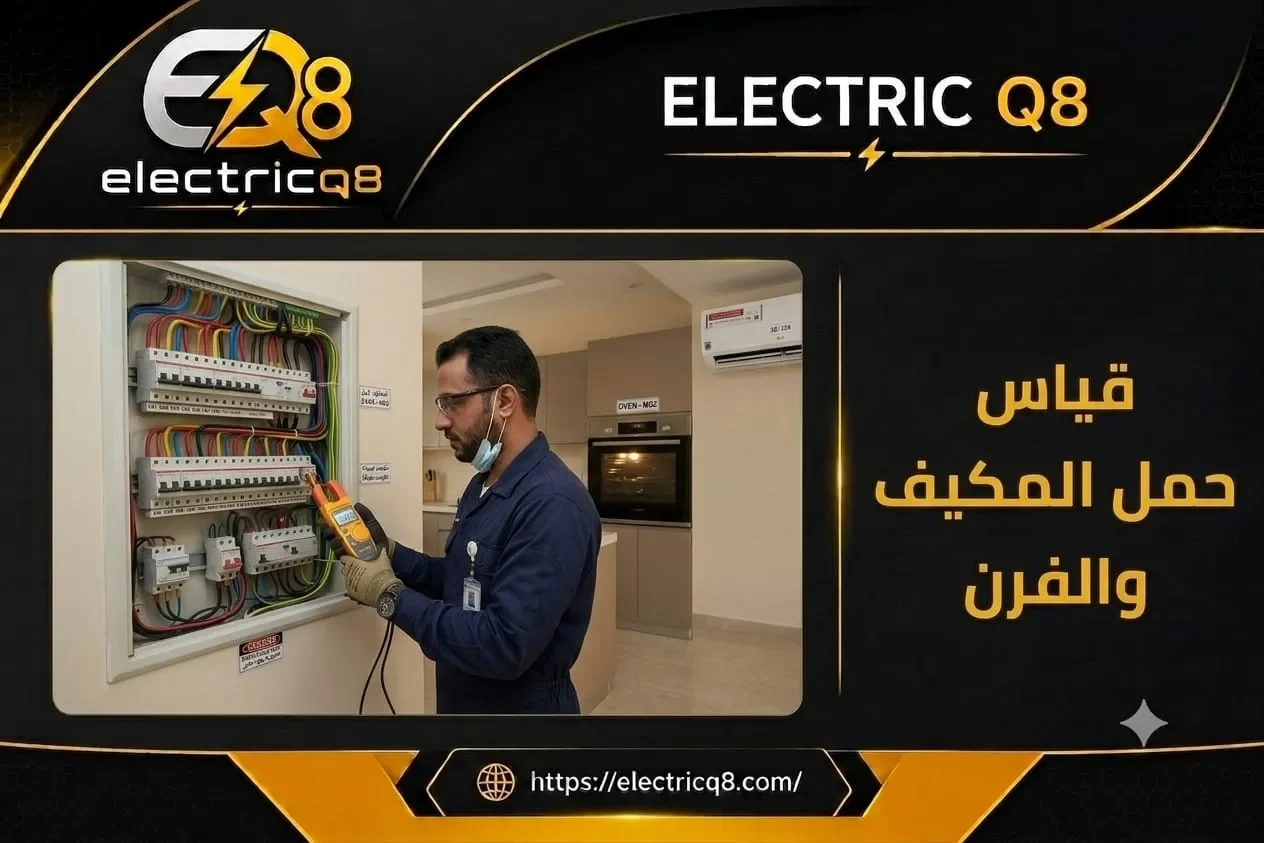
Repairing a damaged electrical outlet in Kuwait begins by determining the extent of deterioration before deciding whether the point can be repaired or whether the outlet and other affected components require replacement. A receptacle showing black discoloration, melting, or deformation should not simply be cleaned and returned to service because the appliance still operates. The heat responsible for the visible damage may also have affected the electrical contacts, conductors, and insulation behind the outlet face.
After the circuit has been safely isolated and suitable working conditions verified, the electrician inspects the wiring connections, conductor ends, and any evidence of heat damage inside the electrical box. If the damage is limited, the appropriate repair can be completed and a suitable component installed. If deterioration extends into part of the conductor or insulation, that damage should be addressed according to its actual extent rather than concealed behind a replacement outlet.
The final step is to identify what originally caused the damage and then test the electrical point after repair. If the appliance, electrical load, or connection arrangement contributed to the problem, that factor should also be corrected. A successful repair means the outlet operates reliably and that excessive heating, burning odors, and sparking do not return during appropriate use.
-
An outlet showing melting or black discoloration requires inspection behind its visible face because the damage seen from outside may represent only part of the thermal deterioration.
-
Repair scope should follow the actual extent of damage so affected conductors or insulation are properly addressed without unnecessarily expanding the work or hiding existing deterioration.
-
Identifying why the outlet was damaged and testing the electrical point after repair helps prevent recurrence and confirms that the replacement component operates under suitable conditions.
Conclusion
If you have a hot electrical outlet in Kuwait, do not wait until obvious burning damage appears and do not treat excessive heat as a normal part of operating electrical appliances. The first task is to determine whether the heat comes from the receptacle, appliance plug, or electrical connections and whether it appears with a specific appliance or after a particular period of operation. The electrical load, contact quality, wiring condition, outlet, and appliance plug can then be inspected to identify the actual cause. Sometimes the solution is outlet replacement, while other cases require repairing a connection point or correcting the way the electrical load is supplied. If the outlet becomes extremely hot or you notice a burning smell, sparks, or melting, stop using the electrical point and leave its inspection and repair to a qualified electrician rather than testing it again.
Frequently Asked Questions
Is outlet heating normal with high-power appliances?
Noticeable heating of a wall outlet should not be considered normal simply because the connected appliance consumes substantial power. The electrical load should be confirmed as appropriate for the circuit and receptacle, and the contact points should be inspected when the temperature rise is noticeable or continues increasing.
Why does only one side of the outlet become hot?
Heat concentrated on one side may be associated with the condition of a particular contact point, terminal, or appliance plug pin. The actual cause requires inspection of the outlet and its wiring after the circuit has been safely isolated rather than relying only on the location of the heat.
Is replacing the outlet enough to solve overheating?
Not always. If the cause is related to the wiring, a connection point, the appliance plug, or the electrical load, installing a new outlet alone may allow the problem to return and can eventually damage the replacement component as well.
Can I keep using the outlet if it is only warm?
If you notice an unusual temperature increase or the outlet continues getting warmer the longer the appliance operates, it is better to stop using the point and have the cause inspected, particularly with high-demand appliances. A burning smell, discoloration, or sparks makes stopping use more urgent.
When should I call an electrician immediately?
Arrange an inspection promptly if the outlet becomes extremely hot, develops a burning smell, produces clicking or sparks, shows black discoloration or melting, or no longer holds the appliance plug firmly. These signs can indicate deterioration that should be corrected before the outlet is used again.