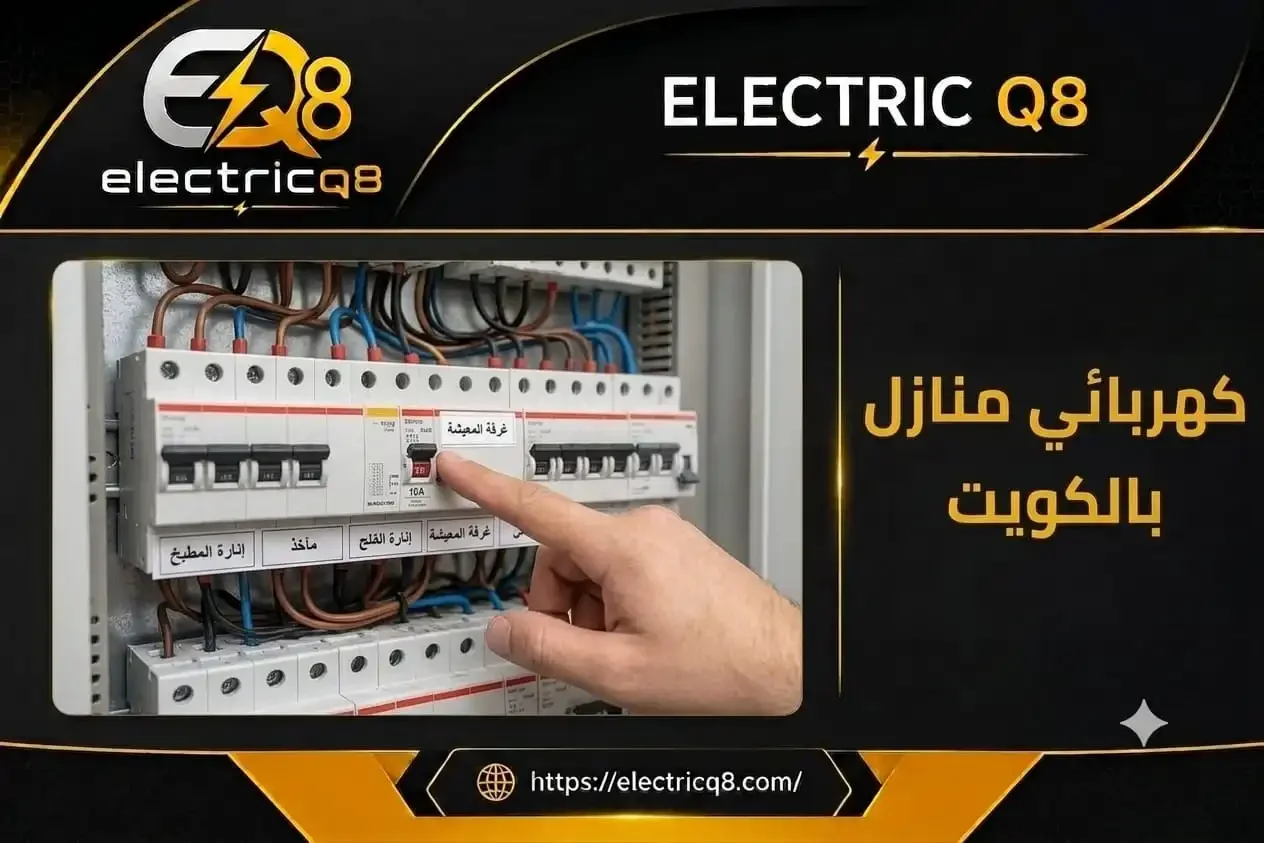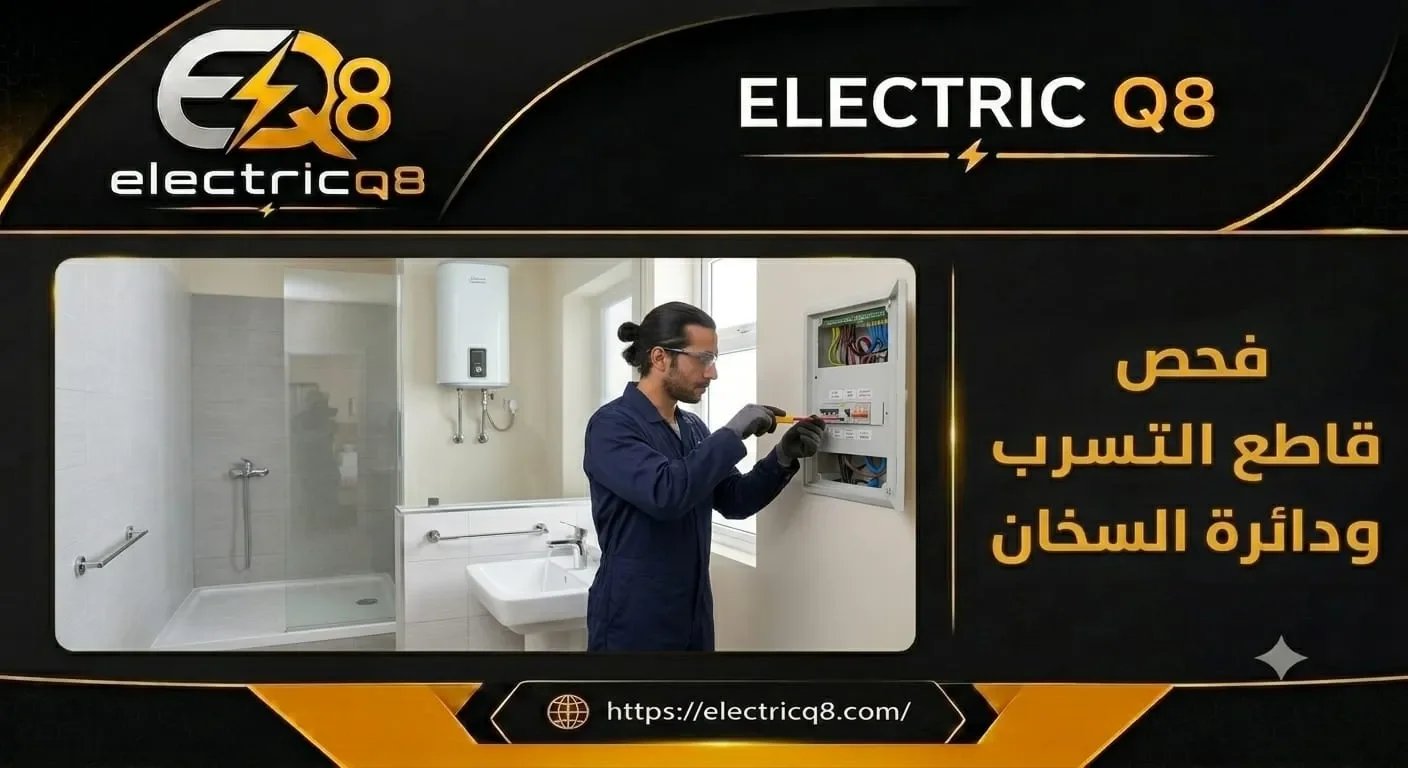
If the water heater starts and the residual current device suddenly trips, or the power disconnects as soon as the heater is switched on, do not keep resetting the protection device hoping the problem will disappear. This type of tripping differs from typical overload situations because residual current protection is designed to respond when there is an abnormal difference between outgoing and returning current, which may indicate leakage toward earth. The cause may be inside the heater itself or in the cable, isolation switch, electrical connections, or associated circuit. Correct diagnosis therefore begins by identifying which protective device trips and exactly when it happens, followed by inspection of the heater, circuit, protection, and earthing instead of replacing the breaker or disconnecting the earth conductor just to keep the heater operating.
RCD Trips When the Water Heater Starts
When an RCD trips when the water heater starts, this provides different diagnostic information from simply saying that "the heater trips the electricity." The electrician's first step is to identify which protective device is actually operating. Is it the residual current device protecting a group of circuits, the individual breaker serving the water heater, or the main protective device? This distinction matters because different protection devices respond to different electrical conditions, and not every trip should automatically be interpreted as an overload or direct short circuit. Residual current protection monitors the balance of current flowing through the active conductors and operates when residual current exceeds its designed operating threshold.
The timing of the trip provides another important clue. If the protection operates immediately when the water heater switch is turned on, the direction of the inspection may differ from a situation where the heater operates normally at first and then trips the RCD after heating begins or several minutes later. Some insulation faults can become more apparent as the heating element warms up, while other problems associated with the cable, isolator switch, or electrical connections can appear as soon as the circuit is energized. These patterns do not prove the cause by themselves, but they help determine the order of testing instead of encouraging random component replacement.
An important and potentially dangerous mistake also needs to be addressed here. Disconnecting the protective earth conductor or bypassing residual current protection so the water heater continues operating is not a repair. If genuine leakage current is present, doing this can remove an important part of the protection system instead of correcting the fault. The heater should remain out of service when repeated tripping occurs, while insulation, leakage, and circuit testing should be left to a qualified person using appropriate test equipment.
-
Identifying whether the RCD, individual circuit breaker, or main protective device is tripping changes the diagnostic path because each protection device serves a different purpose and not every trip indicates the same electrical fault.
-
The difference between immediate tripping when the heater is energized and tripping after heating begins provides a practical clue that helps the electrician organize circuit and heater tests without treating timing alone as final proof of the cause.
-
Bypassing residual current protection or disconnecting the protective earth conductor to keep the heater operating removes an important part of the safety system and does not correct the leakage responsible for the trip.
Protection Breaker Trips With the Heater in Kuwait
When a protection breaker trips with the heater in Kuwait, the first task is to clarify what is meant by "protection breaker" because many customers use the term for almost any protective device inside the distribution panel. The device may be an RCD or RCCB providing residual current protection, an RCBO combining certain protection functions, or simply the circuit breaker associated with the water heater. Knowing which component actually trips prevents incorrect diagnosis and helps determine which electrical tests are appropriate.
Consider a practical example. If a shared residual current device trips only when the water heater is switched on while the other circuits operate normally before that point, the heater and its circuit become some of the first areas requiring inspection. Even then, however, it would be incorrect to immediately declare the heating element defective because leakage could originate from the cable, isolation switch, a connection, or another part of the circuit. In some cases, several appliances connected through the same residual current protection may each contribute small leakage currents, with the heater becoming the additional factor that causes the combined residual current to reach the tripping threshold. The electrician therefore needs measurements to separate these possibilities.
Neutral-to-earth connections within the relevant part of the installation should also be considered because certain wiring errors can affect the operation of residual current protection. This is not something a homeowner should investigate by disconnecting conductors inside the electrical panel. A qualified technician uses suitable isolation procedures and then checks the circuit to determine whether the trip is caused by genuine leakage, a wiring problem, or a condition requiring evaluation of the protection device itself. This prevents replacing the RCD simply because it appears "too sensitive" before understanding why it is operating.
-
Identifying the type of protective device that trips is essential because overcurrent protection and residual current protection do not perform the same function and their operation should not be interpreted in the same way.
-
If switching on the heater consistently causes the residual current device to trip, this directs inspection toward the heater and its circuit but does not prove that the heating element is defective before measurements are performed.
-
Several small leakage-current sources on circuits sharing one protective device can make an additional load the point at which the tripping threshold is reached, so diagnosis may require isolating circuits rather than guessing.
Water Heater Trips the Electrical Breaker
The phrase water heater trips the electrical breaker describes the symptom but does not identify the fault. This distinction is particularly important because a water heater is a substantial electrical load that requires an appropriate circuit and protection, while also combining electricity with water. Any repeated tripping therefore deserves careful attention. Before discussing breaker replacement or heater repair, it is necessary to determine whether the trip is associated with residual current to earth, overload, a short circuit, or another condition in the electrical circuit. Identifying which protective device operates is the starting point rather than a minor detail.
It is also useful to determine at what stage of water heater operation the trip occurs. The heater may remain energized when the switch is first turned on but trip the protection when the heating element begins operating, or the circuit may disconnect immediately before normal heating even begins. In the first situation, insulation associated with the heating element and components affected by temperature become important areas of investigation. In the second situation, the supply wiring, electrical connections, isolation switch, and cable also become important possibilities. A qualified electrician does not rely on assumptions alone but uses suitable testing to identify where the fault is located.
Repeatedly resetting the breaker after every trip is a common mistake. If a genuine electrical fault exists, repeated attempts do not repair it and may continue exposing the damaged circuit or component to abnormal conditions. It is better to leave the heater switched off until it has been inspected, particularly if the trip is accompanied by a burning smell, sparks, abnormal sounds, or any sensation of electric shock when touching metallic parts. If there is any suspicion that the heater body or nearby water may be electrically energized, do not touch the appliance to carry out household tests and arrange an urgent qualified inspection.
-
Saying that the heater "trips the electricity" is not enough for diagnosis because identifying the protective device that operates distinguishes between investigation of earth leakage, overload, short circuit, and other circuit problems.
-
A trip occurring when heating begins provides a different diagnostic direction from immediate tripping when the switch is turned on, making the timing of the fault an important piece of information for the electrician.
-
Repeatedly resetting the breaker is not a repair test, and if electric shock, burning odors, or sparks appear, the heater should remain out of service and should not be touched until it has been professionally inspected.
Cause of RCD Tripping When the Heater Starts
Determining the cause of RCD tripping when the heater starts requires understanding that an RCD does not trip simply because a water heater consumes substantial electrical power. Residual current protection primarily operates when it detects an imbalance between current flowing through the active conductors, indicating that some current may be taking another path. Therefore, when the residual current device is specifically the component that trips, investigation should focus on insulation integrity, the circuit, electrical connections, and the heater itself rather than assuming the problem is only excessive load.
One possibility found in water heaters is deterioration of insulation in the heating element, allowing leakage current toward earthed parts, particularly as the element heats up. The problem may instead be located in internal wiring, the supply cable, isolation switch, or an electrical connection affected by moisture or heat. There are also situations where the heater itself is relatively sound but a wiring condition in the circuit causes the differential protection to operate. For this reason, the component requiring repair or replacement cannot be identified from the timing of the trip alone.
Professional diagnosis divides the electrical path into sections and tests them rather than purchasing replacement parts by trial and error. The electrical supply is safely isolated using appropriate procedures before the circuit, heater, insulation, and connections are evaluated according to the condition. If evidence indicates that the RCD itself requires assessment, it should also be tested rather than immediately replaced. The objective is to determine where the leakage current is going and why it exists rather than simply finding any way to keep the water heater running.
-
RCD operation is associated with current imbalance rather than the heater's high power consumption alone, so its diagnostic path differs from that of an overcurrent breaker trip.
-
Deteriorated heating-element insulation, cable damage, or moisture at a connection point are examples of possible causes that require actual measurements before the responsible component can be identified.
-
Separating the inspection between the water heater, circuit, isolation switch, and protection device helps locate the leakage source while avoiding unnecessary replacement of healthy components.
Checking Electrical Leakage From the Water Heater
Checking electrical leakage from the water heater becomes essential when the residual current device trips or when there are warning signs such as a tingling or shock sensation when touching a metallic part. In this situation, using a hand or a simple household test screwdriver is not an appropriate way to determine whether the heater is safe. Proper inspection relies on suitable measuring equipment and electrical isolation procedures because the objective is to assess insulation condition and determine whether an unintended current path exists toward earth or the appliance body.
The electrician begins by collecting information about when the tripping occurs and then safely isolates the sections required for testing. The process may include evaluating the insulation resistance of the water heater and its circuit while also reviewing the protective earth conductor and connections associated with the appliance. If the fault appears only during heating, diagnosis may need to relate the measurement results to the heater's behavior during operation rather than relying on a quick inspection while the appliance is cold.
The presence of earthing does not mean leakage can be ignored. In fact, the protective earth path and protective devices exist to reduce risk when an electrical fault develops. If an RCD operates because genuine leakage is present, the correct response is to repair the source rather than remove the protection. If there is any suspicion of voltage on the heater body or in a wet area around it, avoid touching the appliance or nearby water and leave the area for safe professional inspection.
-
Leakage testing requires measurements specifically intended to evaluate insulation condition and should not rely on touching the heater body or using simple household methods to decide whether the appliance is safe.
-
Insulation behavior may differ between a cold heater and the heating stage, so the timing of the trip is valuable information that should be considered together with test results.
-
Earthing and residual current protection are safety measures rather than causes to be removed when tripping occurs because the priority is to locate and repair the source of leakage current.
Electrical Short Circuit in the Water Heater

Many people use the phrase electrical short circuit in the water heater to describe any situation where a breaker trips, but technically not every trip is caused by a direct short circuit. The actual condition may involve current leakage toward earth, deteriorated insulation, a short between conductors, or damage to a component. Distinguishing between these conditions matters because the protective device that responds, the required measurements, and the repair method can all differ significantly.
A direct electrical short can produce high current that causes overcurrent protection to operate rapidly, while a smaller leakage current toward earth may trip residual current protection even without a large short-circuit current. Therefore, when a customer says, "the heater has a short," the electrician needs more detail about what actually happened. Which breaker tripped? Were there sparks? Was there a burning smell? Did the trip happen immediately or after the heater began warming? These details turn a general description into useful technical information.
Opening the water heater cover and disconnecting different wires to discover which one causes the problem is not recommended, particularly because the appliance normally operates in an environment associated with water. If tripping continues, the heater should remain out of service until it can be examined with appropriate equipment. If an internal component is confirmed to be defective, it can then be repaired or replaced according to the condition of the heater, with circuit and protection integrity confirmed before the appliance is returned to service.
-
The term "short circuit" does not identify the exact fault because a direct short, earth leakage, and insulation deterioration can all cause electrical disconnection through different mechanisms.
-
Knowing which protective device operated, when the trip occurred, and whether sparks or odors were present converts a general description into information that helps determine the correct electrical tests.
-
Opening the heater and experimenting with disconnected conductors is inappropriate because electricity and water are present in the same appliance environment, so the heater should remain unused until the fault is safely identified.
Water Heater Circuit Inspection in Kuwait
A water heater circuit inspection in Kuwait covers more than the appliance itself because the electrical supply begins at the distribution panel and passes through protective devices, the cable, isolation switch, and electrical connections before reaching the heater. A fault anywhere along this path can cause tripping, so concentrating only on the heating element may cause a technician to overlook a problem located outside the appliance.
The type and characteristics of the protective device associated with the circuit are identified first. The supply cable, electrical connections, water heater switch, and earthing arrangement are then reviewed according to the installation design. The expected heater load should also be compared with the circuit serving it. When residual current protection is the device that trips, insulation and leakage testing becomes a central part of diagnosis, with sections isolated appropriately so the problem can be located rather than testing the entire installation as one undivided system.
This approach is particularly valuable in properties where electrical modifications have been made over the years. The water heater may have been replaced while the older circuit remained unchanged, or a switch or electrical connection may have been modified without reviewing the protection arrangement. A systematic circuit inspection can reveal these differences and provide a clearer answer about whether the repair belongs inside the heater, within the electrical circuit, or in more than one location.
-
The heater circuit extends from the electrical panel to the appliance, so the source of tripping may be the protection device, cable, switch, or connections rather than the water heater itself.
-
Reviewing circuit specifications together with the actual water heater load helps confirm that the supply and protection are suitable for the application instead of assessing every component separately.
-
Dividing the circuit into sections during diagnosis helps locate insulation weakness or leakage more accurately than replacing different components based only on assumptions.
Technician to Inspect an RCD in Kuwait
Choosing a technician to inspect an RCD in Kuwait should be based on the person's ability to distinguish between a heater fault, circuit fault, and correct operation of the protective device rather than simply choosing whoever can restore power the fastest. If the RCD is tripping because of genuine electrical leakage, repeatedly resetting or bypassing it is not a repair. The cause of its operation needs to be identified.
A competent technician begins by identifying the type and characteristics of the protective device and the circuit or circuits it protects. Appropriate testing is then used to evaluate the water heater and its electrical circuit, while the RCD itself can also be assessed when the results indicate that this is necessary. If the RCD protects several circuits, the technician may need to determine the contribution of each circuit to the problem instead of blaming the water heater only because the final trip happened when it was switched on.
From a cost perspective, inspecting a clearly defined problem on a dedicated heater circuit can differ from tracing intermittent leakage across several circuits sharing one protective device. A fair price therefore depends on diagnostic time, the scope of testing, and the repair required after the cause has been identified. The better service is one that gives the customer a clear explanation of why the protection operates before recommending components for replacement.
-
A suitable technician does not begin by bypassing the RCD or reducing its protection but first determines why the safety device is operating and whether genuine leakage requires repair.
-
If one RCD protects several circuits, diagnosis may require isolating and comparing those circuits so the heater is not incorrectly blamed for a trip caused by combined leakage from different sources.
-
Service cost can be estimated more accurately after the inspection scope is known because diagnosing one heater circuit differs from tracing an intermittent condition spread across several circuits.
Solution for Power Tripping When the Heater Starts
Finding a solution for power tripping when the heater starts depends on which protective device operates and what the electrical tests confirm as the cause. If leakage from the heating element is identified, the affected component is addressed according to the heater's condition. If the fault is in the cable, isolation switch, or an electrical connection, that specific part should be repaired. If the trip is caused by overload or a short circuit, the repair path is different again, which is why no single component can be considered the universal solution for every case.
An unacceptable mistake is treating removal of the protective earth conductor or replacement of the RCD with a device that does not provide equivalent protection as a solution to repeated tripping. This may allow the water heater to operate, but it leaves the underlying fault in place and reduces protection against electric shock. Similarly, installing a different breaker without verifying circuit requirements does not repair deteriorated insulation inside the heater.
After the required repair is completed, the heater and circuit should be tested to confirm stable operation and ensure that tripping does not return under appropriate operating conditions. The protection and earthing arrangement should also remain intact within the scope of the work so the repair has not depended on disabling a safety measure. A genuine solution means the heater operates correctly while the required protective devices remain capable of performing their intended functions.
-
The repair method changes depending on whether the cause is leakage from the heater, a cable or connection fault, or another electrical condition, so diagnosis must come before the solution.
-
Disconnecting the protective earth conductor or bypassing residual current protection may appear to stop tripping but leaves the electrical hazard unresolved while reducing the level of protection.
-
Successful repair means the heater operates reliably while residual current protection, earthing, and other required protective measures remain correctly in service.
Water Heater Protection Breaker Inspection in Kuwait
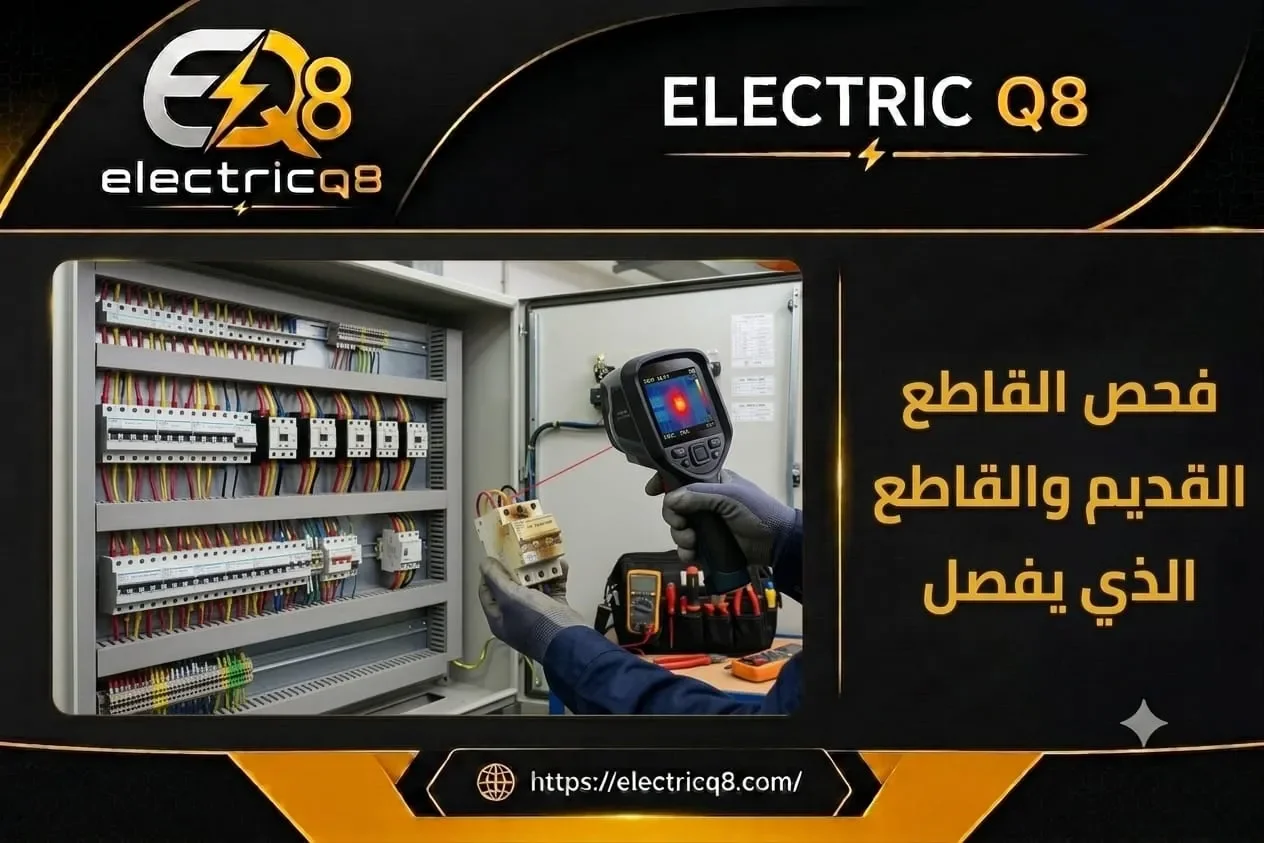
A water heater protection breaker inspection in Kuwait determines whether the protective device is appropriate for the circuit and whether its tripping is being interpreted correctly. A breaker should not be declared defective simply because it operates when the water heater starts because its response may be caused by a genuine fault in the appliance or electrical circuit. At the same time, the protective device should not automatically be assumed to remain healthy indefinitely when evidence indicates that it requires evaluation.
The electrician identifies the type of protective device and the functions it provides before comparing those characteristics with the design of the heater circuit. If the device provides residual current protection, its operation can be evaluated using appropriate test equipment while the circuit responsible for the response is also inspected. Electrical connections should be reviewed because neutral or earthing errors can affect protective-device behavior. The objective is to distinguish between a device correctly performing its protective function and a protection component that has an actual fault.
If testing confirms that replacement is required, the new protective device should not be selected according to price or appearance alone. It must be compatible with the circuit requirements, distribution panel, and type of protection required. After installation, circuit operation should be reviewed rather than treating replacement of the breaker as the end of the job. This keeps the heater properly protected while preserving the ability of the system to disconnect when a genuine hazardous condition occurs.
-
A protection breaker tripping does not prove that the device is defective because it may be correctly responding to leakage or another fault in the water heater circuit.
-
The protective device should be tested together with the circuit and its electrical connections so a fault in the breaker can be distinguished from an external condition causing it to operate.
-
When replacement is necessary, the new device should provide the required protection and remain compatible with the electrical system rather than being selected simply to prevent future tripping.
Conclusion
If an RCD trips when the water heater starts, do not treat the disconnection as an inconvenience that simply needs to be eliminated because the protective device may be warning of electrical leakage that requires investigation. The correct starting point is to identify exactly which device trips and when the problem occurs, then inspect the heater, its electrical circuit, isolation switch, connections, earthing, and protection. Sometimes the heating element is responsible, while in other cases the fault is completely outside the heater, which is why measurement-based diagnosis is more reliable than replacing components by trial and error. Most importantly, do not bypass the RCD or disconnect the protective earth conductor to keep the heater operating. If tripping continues or there is an electric shock sensation, burning smell, or sparks, leave the water heater out of service and arrange an urgent qualified inspection.
Frequently Asked Questions
Why does the RCD trip only when the water heater starts?
There may be deteriorated insulation or electrical leakage associated with the water heater or its circuit that appears when the appliance is energized or begins heating. The heater can also be the additional factor that causes combined leakage on circuits sharing the same protective device to reach its tripping threshold, so measurements are needed to determine the actual cause.
Does tripping mean the water heater element is damaged?
Not necessarily. The heating element is one possibility, but the problem may also be located in the cable, isolation switch, electrical connections, circuit, or another condition that requires inspection before the defective component can be identified.
Can I replace the RCD so it stops tripping?
It should not be replaced simply to prevent tripping before the cause has been identified. If the protective device is operating because genuine leakage exists, installing inappropriate protection or bypassing the RCD can hide the fault and reduce electrical safety rather than repairing it.
Should I reset the breaker after it trips with the heater?
If it trips once, leave the water heater switched off and assess the situation without repeatedly recreating the fault. If the breaker trips again when the heater is switched on or there is a burning smell, sparks, or any sensation of electricity, do not continue resetting it and arrange an inspection.
When is an RCD and water heater problem urgent?
The situation requires urgent attention when tripping repeatedly occurs, an electric shock sensation is felt when touching metallic parts, there is a burning smell, sparks, or smoke, or there is any suspicion that the heater body or surrounding wet area may be electrically energized. In that situation, do not touch the appliance or the water and leave the inspection to a qualified professional.