Restoring power after an electrical repair is not enough to prove that the fault has actually been resolved. The breaker may remain on, the lights may work, and an appliance may start operating again while the underlying cause is still present and returns several hours later or when electrical demand increases. That is why professional work should not end when a component is replaced or a connection is repaired. Electrical testing after repair is needed to confirm that the circuit behaves normally after power is restored. The electrician should return to the original complaint and test the repaired section while checking the breaker, connections, and load where relevant. The goal is not simply to prove that electricity is available again but to verify that the repair addressed the reason the electrician was called in the first place.
Electrical Testing After Repair
Electrical testing after repair begins with a straightforward question: what was the original symptom before the repair and has it disappeared under the conditions in which it previously occurred? If the homeowner reported that a breaker tripped whenever a particular appliance was switched on, it is not enough for the electrician to repair a connection, switch on the lights, and declare that everything is fine. The final test should relate to the original problem and should be carried out in a safe and appropriate way so the electrician can determine whether the circuit still behaves in the same manner. If the fault is intermittent and does not occur every time, the electrician should also explain the limitations of a short test rather than presenting a brief period of normal operation as absolute proof that the problem can never return.
After the repair, the area where work was completed should be reviewed to confirm that installation has been properly completed and that no connection, cover, or protective component has been left incorrectly fitted. The appropriate inspection depends on the nature of the work because repairing a lighting switch is different from repairing a circuit that trips under load or correcting an electrical point that showed signs of overheating. A qualified electrician selects tests according to the actual repair rather than mechanically applying the same checklist to every fault. When electrical measurements are required, they should be taken using suitable instruments by a qualified person rather than relying on touch or random experimentation.
It is also important to observe the system after power is restored. Is there any unusual smell? Is there an abnormal sound? Does the breaker remain stable? Does the point that previously caused the problem now operate as expected? If the original issue involved heat or electrical load, switching the circuit on for only a few seconds may not reproduce the conditions that caused the fault. This is where the electrician's judgment matters because they should understand when the test provides sufficient evidence and when additional inspection or observation is needed. If an abnormal sign remains, the job should not be handed over simply because the electricity has returned.
-
Post-repair testing should return to the original symptom because successfully operating an unrelated part of the home does not prove that the problem for which the electrician was called has actually been corrected.
-
The appropriate test depends on the type of fault and the repair performed because checking a replaced switch is different from verifying a circuit that previously tripped under load or an electrical point that showed signs of overheating.
-
When a fault is intermittent or appears only under particular operating conditions, the electrician should explain the limitations of the test and whether further observation is required instead of treating a few minutes of normal operation as absolute proof that the problem has permanently disappeared.
Electrical Testing After Maintenance
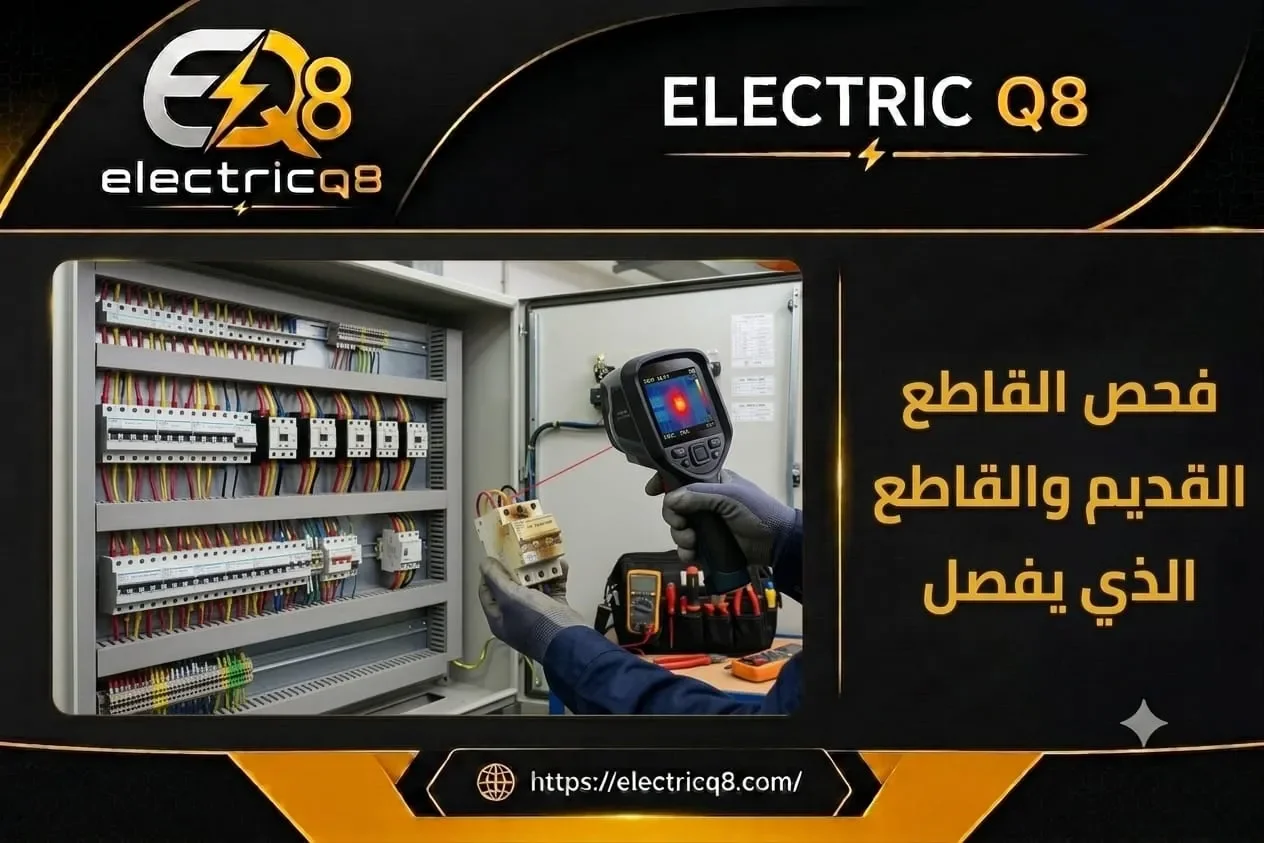
The difference with electrical testing after maintenance is that maintenance may involve several points or circuits rather than one specific fault. If connections have been serviced, a panel has been maintained, a lighting group has been modified, or several electrical points have been reviewed, confirmation of successful work should cover the same scope. It makes little sense to work on several parts of the electrical system and then perform a final test by switching on one lamp before leaving. Every section that was worked on should receive a verification appropriate to the work performed.
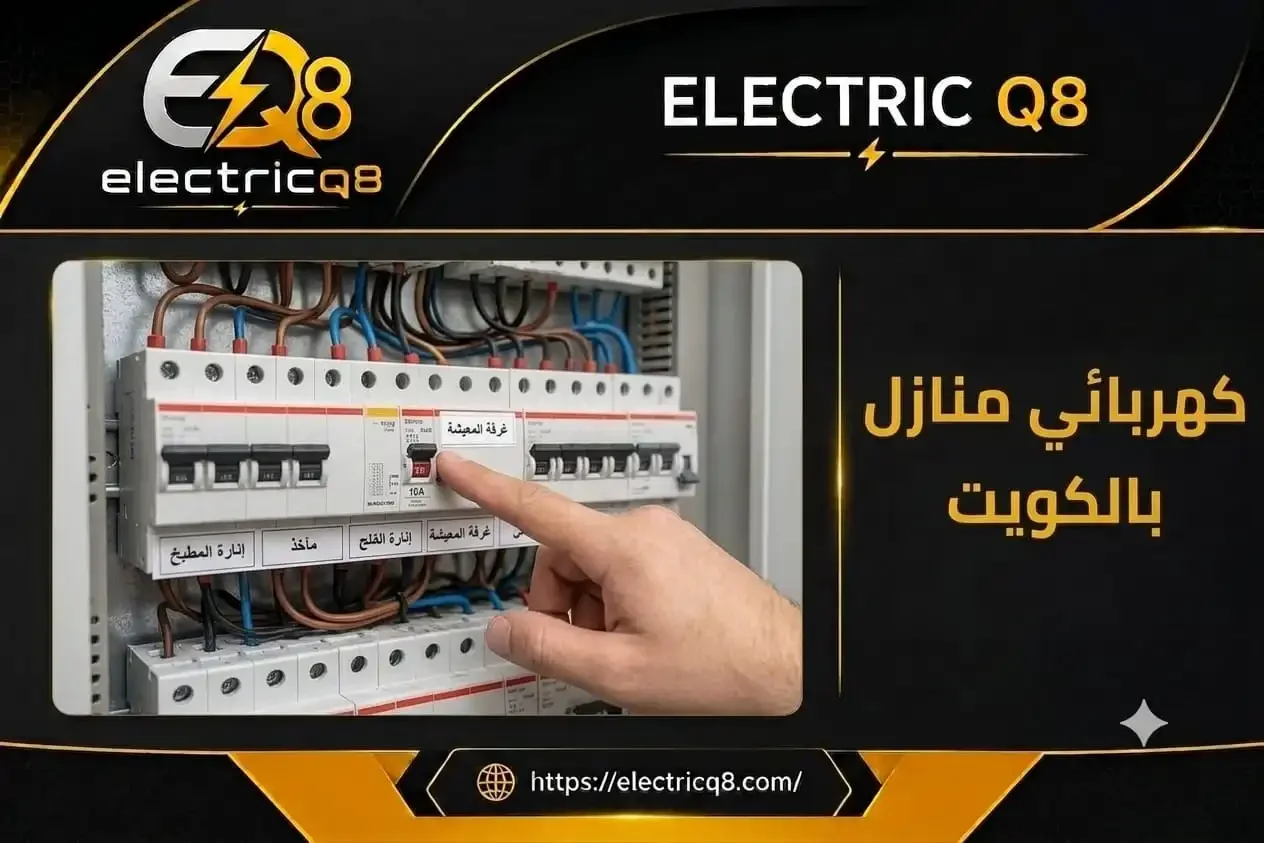
One important practice after maintenance is confirming that normal operation of the home has not been affected by the work. Sometimes the original issue is corrected but a secondary problem appears, such as a switch controlling the wrong point, a circuit accidentally remaining disconnected, or a breaker label no longer matching the circuit it actually controls after previous modifications. The final test should therefore do more than look for the original problem. It should also confirm that the maintenance itself has not introduced another issue. If a panel or circuit arrangement has been modified, reviewing the labels and actual operation is particularly useful so the homeowner understands what each breaker controls when the work is complete.
Preventive maintenance also requires clear documentation of what was found. Not everything inspected needs replacement and not every older component should automatically be considered defective. A trustworthy electrician distinguishes between a serviceable component that may need future observation, a fault that has been repaired, and an issue that deserves later attention. This gives the homeowner a realistic understanding of the electrical system instead of using a broad statement such as “all the electricity is safe” after a limited visit that did not include every concealed electrical installation in the property.
-
Testing after maintenance should cover the parts that were actually worked on instead of relying on one operating point because the maintenance scope may include several circuits, switches, or other electrical components.
-
Reviewing operation after modifications can reveal secondary mistakes such as a circuit left disconnected, a switch whose function has changed, or a breaker label that no longer matches the area it actually controls.
-
A trustworthy maintenance report distinguishes between what was repaired, what was tested, and what remained outside the inspection scope so the homeowner does not interpret a general statement as proof that every electrical installation in the property was examined when it was not.
Confirming the Electrical Fault Has Been Repaired
Confirming the electrical fault has been repaired does not simply mean that a newly installed component is working. It means that the reason behind the original problem has been understood and addressed as far as the diagnosis allows. This is what separates a quick component replacement from a repair based on proper fault finding. For example, if an electrical outlet was overheating and was replaced, the next question should be why it became hot in the first place. Was the problem inside the receptacle itself? Was there a damaged connection? Was the appliance plug involved? Was the electrical load and use appropriate for that point? Installing a new outlet without identifying the cause may allow the same condition to return and affect the replacement later.
The same principle applies to circuit breakers. If a breaker was repeatedly tripping and was replaced, the fact that the new breaker remains on immediately after installation does not by itself prove that the old breaker caused the problem. There may be a load that appears only when several appliances operate together or an intermittent fault that did not occur during the test. The electrician should therefore return to the history of the problem: when did it occur, what was operating at the time, and did the breaker trip immediately or only after a period of use? After the repair, the relevant scenario should be checked in an appropriate and safe way instead of testing something completely unrelated.
Confirmation also includes explaining the result to the homeowner. The customer should know what was found, what was repaired, what was tested afterward, and whether anything still requires observation. If the cause has been established, the electrician should explain it. If an intermittent fault remains possible, that uncertainty should also be communicated clearly rather than presenting certainty that the evidence does not support. This transparency is an important part of trust because repair quality is measured not only by how quickly power returns but also by how well diagnosis, corrective work, and final verification connect to one another.
-
Confirming a successful repair focuses on the cause of the fault rather than the replaced component alone because a new part may operate temporarily while the condition that damaged the previous component remains unresolved.
-
Recreating the conditions connected to the original complaint provides greater diagnostic value than operating the circuit in a completely different way because some faults appear only with a specific appliance, particular load, or after a period of operation.
-
Explaining what was repaired, what was tested, and any remaining possibility that requires monitoring gives the homeowner an accurate understanding of the work and prevents the false impression that the entire electrical system was verified through one repair.
Home Electrical Safety Testing
Home electrical safety testing after a repair is different from simply confirming that the electrical point that failed is operating again. If the scope of work was limited to one circuit, the electrician cannot reasonably claim that the entire home's electrical system has been inspected unless a broader assessment was actually performed. However, when the original fault involved a potentially dangerous sign such as unusual overheating, a burning smell, repeated protective-device tripping, or problems affecting several points, it may be appropriate to determine whether the issue is isolated or whether the inspection scope needs to be expanded.
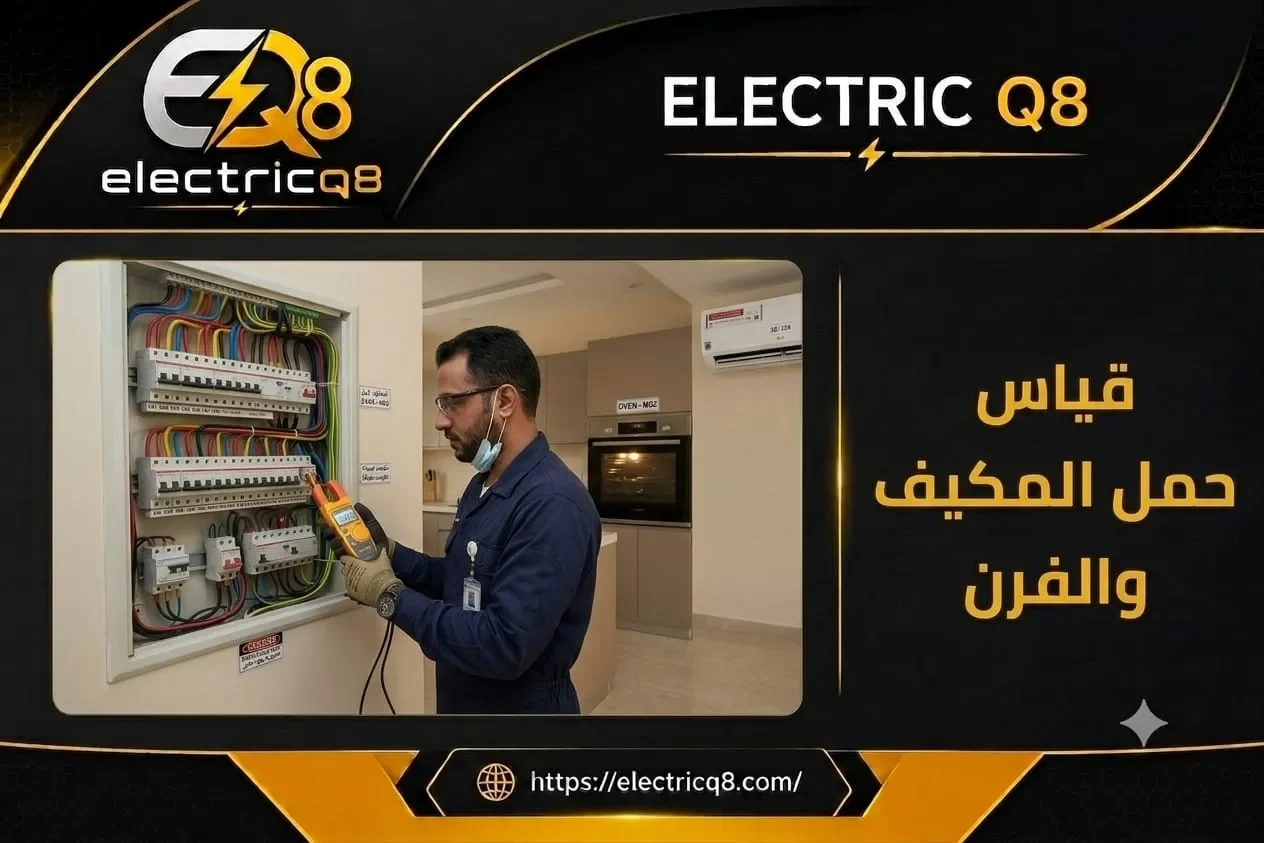
The type of safety testing depends on the circuit and the work performed. It may include verifying the operation of relevant protective devices, reviewing connections that were worked on, taking appropriate electrical measurements where required, and confirming that obvious signs of overheating or damage are no longer present. Some tests require dedicated measuring instruments together with the knowledge needed to use them and interpret the results correctly. They should therefore not be turned into DIY instructions for homeowners to perform on exposed or energized electrical components.
It is also important to define what “home electrical safety testing” actually covers. Does it refer only to the circuit that was repaired? Was the electrical panel inspected? Were other electrical points included? Was a comprehensive inspection actually carried out? A professional electrician makes the scope clear because trust does not come from using the phrase “complete inspection.” It comes from explaining exactly what was tested, what the results showed, and what remained outside the scope of the visit.
-
Safety testing after a specific repair should have a clearly defined scope so an inspection of one circuit is not presented as confirmation that every electrical installation in the home is safe when the rest of the system was not tested.
-
Specialized electrical tests and measurements should be performed by a qualified electrician using suitable instruments because interpreting the result and connecting it to the circuit condition is part of professional diagnosis and should not be replaced by DIY testing of energized components.
-
Continued overheating, a burning smell, visible damage, or recurring faults at several electrical points after a repair can justify reviewing whether the problem extends beyond the originally repaired location rather than simply confirming that one point is operating again.
Checking Circuit Breakers After Repair
The importance of checking circuit breakers after repair becomes particularly clear when the original complaint involved a specific breaker tripping or when repair work was performed on a circuit connected to that breaker. A circuit breaker is not simply a switch that can be returned to the ON position after the repair and then forgotten. The electrician needs to understand whether the reason for the previous trip has been corrected and whether the breaker behaves normally after the circuit returns to service. If the breaker itself was not replaced, that does not mean it should automatically be changed simply because it previously tripped because the trip may have been a correct response to a fault or unsuitable load.
After the repair, breaker behavior should be considered under the conditions associated with the original problem. If it used to trip when a particular appliance was operated, the circuit, appliance, and load should be assessed according to the diagnostic scope before the result is judged. If tripping previously occurred only after a period of operation, an extremely short test does not provide the same level of evidence. Likewise, discoloration, visible deterioration, or abnormal heating at a breaker represents a different observation from the simple fact that the breaker operated during an electrical fault.
One mistake that should be avoided is increasing the breaker rating merely to stop it from tripping. The breaker forms part of the protective system and its specification should not be changed randomly without verifying circuit design, conductors, load, and protection requirements. If the breaker itself is confirmed to be defective, a qualified electrician can select a replacement compatible with the system. If it is operating because there is a problem elsewhere in the circuit, the correct solution is to address the cause rather than silence the protective device.
-
Checking the breaker after repair should connect its current behavior with the reason it previously tripped because simply returning the breaker to the ON position is insufficient when the conditions that caused the trip have not been appropriately evaluated.
-
A breaker trip is not automatic evidence that the breaker is defective because its purpose is protection and it may have operated in response to a genuine circuit or load problem that needs correction before replacement is considered.
-
Increasing a breaker rating simply to prevent tripping without verifying the conductors, circuit design, and load can create an unsafe condition because the correct repair should address the cause and protection requirements rather than keeping the electricity on at any cost.
Testing the Electrical Circuit After Repair
The purpose of testing the electrical circuit after repair is to confirm that the repaired section has returned to stable operation within the circuit and that the work has not unintentionally affected other connected parts. This is particularly important in circuits that supply several points because repairing one location may need to be followed by confirmation that other relevant points still operate correctly within the work scope. The objective is not merely to switch the electricity back on but to verify the result in the part of the installation that was actually repaired.
The testing method depends on the fault. A lighting circuit where a switch was repaired requires a different scenario from a socket circuit that previously tripped or a fixed appliance circuit that developed a problem during operation. The electrician therefore starts with the nature of the original fault and determines which test can demonstrate that the repair achieved its intended purpose. Required measurements also differ, and there is no single test or reading that can be applied universally to every type of electrical repair.
When modifications involve several points, testing the operating sequence afterward can also be useful. Do the switches control the correct areas? Are all the points that worked before the repair still functioning? Has any new issue appeared after reconnection? This final verification takes relatively little effort compared with reopening the fault after the electrician has left, yet it can make a significant difference to the quality of the handover.
-
Circuit testing reviews the repaired area and its relationship with relevant connected points so a repair does not succeed at one location while unintentionally leaving a problem elsewhere on the same circuit.
-
The appropriate test depends on the type of fault and circuit because verification for a repaired lighting circuit differs from testing a socket circuit or fixed appliance circuit that previously caused tripping or abnormal operation.
-
Operating the functions affected by the work before the electrician leaves can reveal reconnection or control errors immediately instead of allowing them to appear after the job has already been handed over.
Load Testing After Maintenance
Load testing after maintenance becomes important when the previous problem was associated with operating particular appliances or repeated breaker tripping during normal use. In that situation, testing the circuit with almost no load and then declaring it satisfactory may not reproduce the original conditions. The electrician needs to understand the usage pattern connected to the problem and assess circuit behavior appropriately. If the fault appeared only when several appliances operated together, testing one appliance alone does not recreate the same scenario.
This does not mean that every appliance should be switched on randomly until the circuit trips. Professional assessment relies on understanding the circuit, the connected appliances, and appropriate measurements rather than deliberately stressing the installation through uncontrolled experimentation. It is also important to distinguish between a normal circuit load and an appliance with its own fault. If the breaker trips when one particular appliance operates by itself, the diagnostic direction may be different from a situation where the problem appears only when several loads are combined.
Load assessment can also reveal a design or usage issue. Sometimes a damaged electrical point is repaired but the inspection shows that the circuit now serves more equipment than originally intended or that additional usage was introduced after the home was built. In that situation, a local repair may not be the end of the problem. A broader solution may be needed, such as reviewing load distribution or providing an appropriate circuit for a particular appliance according to its requirements and the electrical design.
-
Load testing should evaluate the operating conditions associated with the original fault instead of testing a nearly unloaded circuit and treating the result as final when the previous problem appeared during actual appliance use.
-
Distinguishing between one appliance that independently triggers the problem and several appliances that create the condition together helps direct diagnosis toward the appliance or circuit instead of replacing electrical components randomly.
-
If testing shows that current circuit use has changed significantly from the original arrangement, a long-term solution may require reviewing load distribution rather than repeatedly repairing the point that becomes damaged whenever the underlying condition returns.
Testing Electrical Wiring
Testing electrical wiring after certain repairs can be necessary to evaluate the condition of the section that was worked on, particularly when the original fault involved conductor damage, insulation deterioration, or modification of a circuit route. However, it is important to distinguish between testing a specific section of wiring and claiming that every concealed cable in the home has been inspected. Electrical testing has limits determined by the work scope, accessibility, and the tests that were actually performed.
If a damaged section of wiring has been replaced, the electrician should review the relevant transition and connection points and confirm that the repair is complete before returning the circuit to service. If there are indications that the problem extends beyond the repaired section, the diagnostic scope can be expanded as necessary instead of replacing large sections of wiring without evidence. Age alone is not sufficient proof that every cable requires replacement, just as the fact that an older cable still carries electricity does not automatically prove that its condition is excellent.
Specialized wiring tests require appropriate instruments, safe procedures, and professional interpretation of the results. The homeowner is therefore better served by asking for a clear explanation: which section was tested, what was found, and is there any area that could not be assessed or requires further attention? These questions provide more useful information than simply requesting the word “safe” without knowing the limits of the inspection.
-
Testing wiring after a localized repair focuses on the section connected with the fault and the work performed and should not automatically be presented as a test of every concealed cable in the property when those areas were outside the inspection scope.
-
Expanding the scope of wiring replacement should be based on inspection findings, actual wiring condition, and identified problems rather than assuming that the age of the home alone means the entire electrical installation must be replaced.
-
Explaining which sections of wiring were tested, the results obtained, and the areas outside the inspection scope gives the homeowner more accurate information than making a broad statement about the condition of the entire electrical network.
Checking Home Electricity After Repair
The purpose of checking home electricity after repair is to hand over a system that operates as expected within the scope of the repair rather than simply completing the technical work and packing away the tools. After the repair, the functions affected by the original problem should be reviewed to confirm that normal operation has returned without the same symptom appearing again. If the fault caused several electrical points to stop working, those relevant points should naturally be checked before the job is considered complete.
This stage also gives the homeowner an opportunity to mention anything unusual that becomes noticeable immediately. If there is a sound that did not exist before, a switch now behaves differently, or an electrical point has not returned to its previous operation, it is better to address the observation before the electrician leaves. Reviewing the result while the customer is present can be more useful than discovering an obvious issue shortly after the visit has ended.
However, it is important not to confuse a post-repair check with a comprehensive electrical inspection of the entire property. If an electrician repairs and tests a kitchen circuit, that does not mean the bedroom circuits, bathrooms, electrical panel, and all concealed wiring have also been inspected unless those areas were genuinely included in the service. Defining the scope protects both the customer and the electrician and ensures that any later recommendation is based on clearly understood information.
-
Checking the home after repair should focus on the functions affected by the fault and confirm that they have returned to expected operation instead of treating completion of the physical repair as the end of the service.
-
Having the homeowner present during final testing makes it easier to compare electrical behavior before and after the repair and raise any immediate observation before the electrician closes the visit.
-
Distinguishing between testing a repaired area and conducting a comprehensive home electrical inspection prevents misunderstanding and ensures that each result is interpreted only within the scope that was actually examined.
Confirming Electrical Safety After Repair

Confirming electrical safety after repair is the stage that connects diagnosis, corrective work, and testing into one understandable result. The electrician should not simply say that the job is finished. They should explain the cause that was identified, the corrective action performed, and how the result was checked. If some areas were not inspected or an intermittent condition still requires monitoring, that should also be stated clearly. This approach builds more trust than broad promises that fail to distinguish between a simple fault and a complicated intermittent electrical problem.
An important part of post-repair verification is checking that the symptoms associated with the original problem do not return during an appropriate test. If there was previously an unusual sound, burning smell, overheating, or protective-device trip, the relevant condition should be reassessed as safely and appropriately as the fault allows. If any dangerous sign returns after the electrician leaves, such as sparks, smoke, a strong burning smell, severe overheating, or a potential electric-shock hazard, the circuit should not be repeatedly tested in the hope that it will stabilize. People should stay away from the affected area and qualified urgent assistance should be requested while appropriate emergency procedures are followed.
A good handover should also include instructions specifically related to the repair without unnecessary alarm or exaggeration. If a point has been temporarily isolated, the homeowner should understand that it remains out of service. If additional work is required, that should be identified. If the repair is complete within its defined scope, that should also be explained. The result is that the homeowner finishes the visit understanding the condition of the electrical system rather than simply seeing that the lights have turned back on.
-
Final safety confirmation connects the identified cause with the corrective action and subsequent test so the homeowner understands why the repair was performed and what practical evidence within the work scope supports the conclusion that the problem was addressed.
-
The return of a strong burning smell, sparks, smoke, or severe overheating after a repair is not a situation for repeated testing but a warning sign that requires stopping use of the affected area and obtaining urgent qualified assessment.
-
A clear handover identifying what was repaired, any point that remains isolated, and any issue requiring further attention gives the homeowner a realistic picture of the electrical system instead of a short statement suggesting that everything has been inspected.
Conclusion
A successful electrical repair is not defined by the moment the power returns. Electrical testing after repair connects the original problem with the corrective action and the result observed afterward. A good electrician returns to the symptom reported by the customer and tests the circuit, breaker, load, or repaired component in a way appropriate to the type of fault, while clearly explaining the limits of the inspection. Some faults can be verified immediately, while intermittent problems may require further observation and should not be declared permanently resolved on the basis of a brief test. When the visit ends and you understand what the fault was, what was repaired, what was tested, and whether anything still needs attention, the handover is far more professional and trustworthy than simply being told, “the electricity is working again.”
Frequently Asked Questions
How do I know the electrical fault was actually repaired?
The best indication is not simply that power has returned but that the original symptom no longer appears when the circuit is tested under conditions appropriate to the problem. The electrician should also explain the cause identified, the corrective action taken, how the result was verified, and any limitations if the fault was intermittent.
Should the electrician check the breaker after every repair?
It depends on the type of fault and the work scope. If the problem involved breaker tripping or work was carried out on the circuit connected to that breaker, reviewing its behavior after the repair is important. For an unrelated repair with no connection to breaker operation, the appropriate final test may be different.
Is switching the power on enough to test an electrical repair?
Not in every case. Restoring power confirms that the electrical supply is available again, but it does not by itself prove that the original cause has disappeared. A fault that previously occurred with a particular appliance, electrical load, or after a period of operation needs a test that appropriately reflects those conditions within safe professional limits.
Does testing one circuit mean the whole home is safe?
No. The result applies to the scope that was actually tested. Repairing and testing one circuit does not represent a comprehensive inspection of every circuit and concealed electrical installation in the home unless those areas were genuinely inspected as part of a separate or broader service.
What should I do if the fault returns after the electrician leaves?
If the same symptom returns without immediate danger signs, avoid repeatedly trying to force the circuit to operate. Note when the problem occurred and what appliances or loads were operating at the time, then contact the electrician for reassessment. If there is a strong burning smell, smoke, sparks, severe overheating, or a risk of electric shock, stay away from the affected area, do not touch it, and seek urgent qualified assistance while following the appropriate emergency procedures.