When the living room lighting cuts out while using the switch, or works sometimes and fails at other times, the problem is not necessarily with the bulbs themselves. The switch is part of the lighting circuit, and any weakness at its connection points, internal damage, or a load that is unsuitable for the control arrangement requires diagnosis before components are replaced. There is an important difference between a switch that no longer responds at all, one that becomes hot or interrupts the lighting when moved, and a group of lights that switches off while the rest of the living room still has power. The inspection should therefore begin by identifying exactly how the fault occurs, what the switch controls, and when the problem appears before the connections, load, and condition of the switch are assessed.
Living Room Lighting Cuts Out in Kuwait
When living room lighting cuts out in Kuwait, the first step is to clarify exactly what "cuts out" means because the description can completely change the diagnostic direction. The lighting may suddenly switch off while the rest of the electrical system in the living room continues working normally. It may cut out when the switch is touched or moved, or it may operate for a period before switching off and then work again after another attempt. In a completely different situation, the electrical breaker may be tripping rather than the lighting switch itself. These conditions should not be grouped under one cause because the switch, connections, lighting circuit, and protective devices each have different characteristics. The first practical question is therefore: what exactly happens at the moment the lighting disappears?
If the lighting switches off when the switch is moved slightly or requires several presses before it works, there may be a fault within the switch mechanism or at a connection associated with it that requires inspection. If the switch appears normal but a large lighting group switches off after operating for some time, the investigation should be widened rather than blaming the switch alone. The type of lighting load controlled by the switch, the way the units are connected, and the presence of control equipment or other components all become relevant depending on the design of the lighting system.
Conditions that deserve faster attention include noticeable heat at the switch, a burning smell, discoloration, clicking or crackling sounds, or visible sparking. In these situations, the problem should not be treated as a simple inconvenience because continuing to operate a damaged connection may increase heating. It is better to stop using the affected circuit and arrange an inspection by a qualified electrician rather than repeatedly operating the switch to see whether the problem disappears. Correct diagnosis identifies the reason for the heating or interruption before a new switch is installed because a replacement can develop the same problem if the underlying issue remains in the connections or operating conditions.
-
Living room lights switching off while sockets and other electrical points remain operational helps narrow the investigation toward the lighting or control path rather than assuming that the entire room has lost electrical supply.
-
A change in lighting condition when the switch is touched or moved gives greater importance to inspecting the switch mechanism and its associated connection points than a fault that is completely unaffected by movement of the switch.
-
A hot switch, burning smell, crackling sound, or sparking requires the affected circuit to be taken out of use and inspected rather than repeatedly operating the switch to see whether the problem will correct itself.
Living Room Light Switch Cuts Out

If the living room light switch cuts out, meaning the lighting is interrupted when the switch is pressed or while it remains in the ON position, it is important to distinguish between a mechanical defect inside the switch, an unstable electrical connection, and a problem that appears when the lighting load is connected to the circuit. A switch may look completely normal from the outside while its internal contacts have deteriorated or its operating mechanism no longer holds reliably. In other cases, the switch itself may be functional while one of the terminals connected to it requires attention. Replacing the visible switch immediately without inspection therefore does not provide a confirmed diagnosis.
An especially useful detail is whether the problem started after the lighting was changed or the number of lighting units increased. If the switch previously controlled a limited number of lights and the design was later modified with additional lighting or a different control system, the suitability of the switch and the installation should be reviewed for the new arrangement. The capacity or suitability of a switch should not be judged by its physical appearance or size but by its specifications, the nature of the load it controls, and the requirements of the connected components. This becomes particularly important with modern lighting systems whose electrical behavior may differ from the lighting that was installed before the modification.
It is also important to determine whether the interruption occurs immediately or only after some time. A switch that operates normally when first used but later becomes warm or causes the lighting to cut out provides different diagnostic information from a switch that fails to hold from the first press. A qualified electrician connects the timing of the fault with the condition of the switch, connections, and load rather than replacing a component based on one symptom. If signs of thermal damage are present, simply installing a new switch onto affected terminals is not enough. The connection point and the condition of the surrounding conductors should also be evaluated and the damaged section properly corrected.
-
A problem that begins after additional lighting units are installed or the lighting system is modified deserves a review of the load and control arrangement rather than assuming that the timing of the fault is unrelated to the modification.
-
A switch that cuts out immediately when moved presents a different pattern from one that operates for a period and then becomes hot or interrupts the lighting, making the timing of the failure an important part of diagnosis.
-
Installing a new switch onto a connection point showing signs of overheating is not a complete repair because the terminals and affected conductors should be evaluated before the circuit is returned to service.
Living Room Light Switch Fault
Diagnosing a living room light switch fault involves more than checking whether the lighting turns on or off. A switch can begin showing warning signs before complete failure, such as a different feel when pressed, difficulty remaining in the ON position, requiring several attempts to operate, producing an unusual sound, or developing heat that was not present before. These signs can help identify a developing problem while it is still localized instead of waiting until the lighting stops completely or damage around the connection point becomes more extensive.
It is equally important not to confuse a switch fault with a problem in the bulbs or lighting equipment connected after it. If one switch controls an entire group and all of the lights stop simultaneously, it makes sense to inspect the control point and shared electrical supply, but this does not prove that the switch itself is responsible. Conversely, if some lighting units continue working while others do not, and the switch operates the group normally, the problem may exist after the switch within the lighting distribution or individual units. Systematic diagnosis uses the boundaries of the fault to decide where to investigate instead of replacing the switch as the first response to every lighting problem.
When deciding between repair and replacement, a switch with internal damage will often be better replaced with a unit suitable for the load and method of use rather than attempting an unreliable repair of its internal mechanism. However, the connection point behind the switch should still be inspected before replacement. If the terminals are healthy and the damage is limited to the switch, the scope of work is straightforward. If heat damage is found on the insulation or conductors, the repair becomes more extensive than replacing one component. This is where an electrician who explains why the switch failed and what needs correction provides more value than simply installing another switch and leaving.
-
A change in how the switch feels, failure to remain securely in position, or the need to operate it several times provides useful diagnostic information even if the lighting still works on some attempts.
-
An entire lighting group stopping does not by itself prove that the switch has failed because a supply point or another shared component after the switch can create the same visible result and the location where operation is lost should be identified.
-
The decision to replace a switch becomes more accurate after the terminals behind it are inspected because damage limited to the switch requires a different repair scope from a condition where heat has affected the conductors or insulation.
Light Switch Repair in Kuwait
Successful light switch repair in Kuwait is not measured only by whether the lights begin working again after the switch is replaced. A proper repair starts by determining why the switch stopped working or began interrupting the lighting in the first place. If internal wear from long-term use is responsible and both the connections and lighting load are in suitable condition, replacing the switch with an appropriate unit may be the direct solution. If the terminals show signs of overheating, a connection is weak, or the switch controls a system whose load has changed following previous modifications, installing a new component alone may temporarily hide the problem instead of correcting it.
There is also no single price that applies to every switch repair. Replacing a defective switch when all connections are healthy is different from repairing a damaged termination or tracing an intermittent interruption that appears only under certain conditions. The scope also changes when dealing with a conventional switch compared with a system containing a dimmer, smart control, or multiple control points for the same lighting. More accurate pricing therefore follows identification of the fault, switch type, and condition of the connections instead of applying one fixed price based on a brief description over the phone.
After repair, the switch should be tested together with the lighting it actually controls rather than being operated only once. The electrician should confirm stable operation, make sure the lighting does not cut out during normal use, and check that no abnormal heat or unusual sound develops. If the fault was associated with a previous lighting modification, the replacement component should also be suitable for the current operating arrangement. This makes the repair appropriate for the system as it exists today rather than simply restoring the condition that existed before the fault appeared.
-
Switch replacement is appropriate when the damage is confirmed to be limited to the switch itself while signs of heat or deterioration at the connection points make the required repair broader than replacing the visible component.
-
The cost of switch repair varies according to the fault, type of control system, and condition of the connections, so identifying the cause before pricing gives a more realistic picture than applying one price to every situation.
-
Testing the repaired switch with the actual lighting load it controls helps confirm stable operation and reduces the chance of the same problem appearing again after the electrician leaves.
Living Room Lighting Switches Off at the Switch
When living room lighting switches off at the switch in an unusual way, small details can make a major difference. If the lighting turns off when the edge of the switch is touched or its condition changes with very slight pressure, this is different from lighting that shuts down after thirty minutes of operation. In another situation, the lights may switch off only when a particular lighting group is operating while remaining stable with fewer units in use. Each scenario gives the electrician a different starting point rather than reducing the entire problem to the phrase "the switch cuts out."
Sometimes the problem is mechanical within the switch itself and the mechanism can no longer hold the operating position reliably. In other cases, the mechanism remains functional but an electrical connection at one terminal is unstable. Other systems may contain additional control components, meaning the fault can exist somewhere beyond the wall switch that the customer sees. The external appearance alone is therefore not enough to judge the condition of the switch, and an unqualified person should not open it or experiment with the wiring because the point contains electrical connections that require proper isolation and safe inspection.
Before the electrician arrives, it can be useful to observe the circumstances without touching any exposed electrical parts. Does the problem happen every time? Does it appear after the lighting has operated for a while? Does it affect every light in the living room or only one group? Did the fault begin after installing a chandelier, adding new lighting, or changing the switch? These observations provide practical context for diagnosis. If the switch becomes hot, produces crackling sounds, or there is a burning smell, it should not continue to be used for testing. The affected circuit should be taken out of use and professionally inspected.
-
Lighting that switches off when the switch is simply touched presents a different diagnostic clue from lighting that shuts down after operating for an extended period, making the exact moment of failure important.
-
Identifying whether every living room light is affected or only one group helps define the limits of the fault and determine whether the switch directly controls the complete lighting system or whether additional divisions exist.
-
A problem that begins after a chandelier is installed or new lighting units are added makes the recent modification diagnostically relevant and justifies reviewing its effect on the existing control arrangement.
Inspecting Electrical Switch Connections

The importance of inspecting electrical switch connections comes from the fact that a poor termination may continue passing electrical power for some time before developing into an obvious interruption. Initially, the customer may notice that the lighting cuts out and returns or that the switch requires several attempts before it works. As the problem continues, heat may develop at the connection point or changes may become visible around the terminals. The absence of complete power loss therefore does not prove that the connections are healthy, and repeated intermittent symptoms should not be ignored.
A professional inspection evaluates the condition of the connection points and conductors associated with the switch, how securely they are terminated, and whether any evidence of thermal damage is present. If a section has been affected by heat, it should not be treated as simply a terminal that needs tightening. The extent of the damage, condition of the insulation, and nearby components should be evaluated before the appropriate repair is carried out. Connections should also not be tightened randomly because electrical work requires safe circuit isolation and knowledge of the type of connection being inspected.
One mistake that can occur during a rushed repair is replacing the switch while reusing a damaged connection without properly assessing it. The result may be a new switch that operates for a while before the same symptoms begin to return. Inspecting the connections is therefore an essential part of repairs involving intermittent interruption, heat, odor, or discoloration. The objective is to confirm the condition of the electrical path associated with the switch rather than simply installing a new wall plate.
-
A weak electrical connection can begin with intermittent interruption before progressing to complete failure, so repeated loss and return of lighting deserves inspection even if the lights operate normally most of the time.
-
Evidence of heat at an electrical terminal requires evaluation of the conductor, insulation, and nearby components and should not be treated simply as a connection that needs tightening.
-
Installing a new switch onto a damaged connection without correcting the underlying cause can allow the fault to return, making connection inspection part of the repair rather than an unnecessary additional step.
Living Room Light Switch Not Working
If the living room light switch is not working at all, diagnosis begins by determining whether only the lighting has been lost or whether other parts of the circuit are also affected. A completely unresponsive switch may have failed internally, but electrical supply may also be absent at the control point or the problem may exist after the switch within the lighting path. Replacing the switch simply because pressing it produces no result can therefore lead to a perfectly healthy component being changed unnecessarily.
There is also an important difference between a switch that stops suddenly and one whose condition deteriorates gradually. If it previously required several presses and eventually stopped working completely, this history may direct attention toward its mechanical condition or electrical connections. If it stopped together with other symptoms or following electrical work at the property, the modifications preceding the fault should be reviewed. The history of the problem can provide information that is not visible by simply looking at the switch.
In living rooms with more than one entrance or several control points for the same lighting, the arrangement can be more complex than one individual switch directly controlling the lights. The electrician therefore needs to understand how the control system is configured before deciding which component has failed. It should not be assumed that the switch producing no visible response is always the defective part because the fault may exist elsewhere in the control path depending on how the system was installed.
-
A switch producing no response does not by itself confirm internal failure because loss of supply before the control point or a fault after the switch can create the same visible result.
-
Knowing that the switch previously cut out or required several attempts before complete failure provides a different fault history from a sudden failure with no earlier symptoms.
-
A lighting system with multiple control points requires the complete control path to be understood before the failed component is identified instead of automatically replacing the switch closest to the user.
Electrician for Light Switch Repair in Kuwait
Choosing an electrician for light switch repair in Kuwait should depend on how the cause of the problem is investigated rather than only on the ability to install a new switch quickly. A good electrician first asks how the lighting behaves, whether the switch becomes hot or cuts out when touched, and whether any lighting modifications were carried out recently. The scope of the inspection can then be defined to determine whether the problem is limited to the switch or whether the connections, load, or control system also need attention.
A professional service should also explain why replacement is being recommended. If the switch is internally damaged, the reason for changing it should be clear. If the fault is located at a connection point, that connection should be repaired instead of selling the customer a new switch that is not required. If a modified lighting system needs a different control component, the decision should be based on component specifications and the way the system is used rather than choosing a product only because of its appearance or price.
When comparing services, the lowest price should not always be the deciding factor, particularly when the fault is intermittent and requires diagnosis. A service that replaces a switch within minutes may initially appear cheaper, but if the source of overheating or interruption remains, the customer will return to the same problem. Better value comes from targeted inspection, a clearly explained repair, and testing after the work so the customer understands what was changed and why.
-
An electrician who asks about the timing of the interruption, heat, and recent modifications before replacing components gathers information that helps identify the cause instead of treating every switch fault in exactly the same way.
-
Explaining why a switch requires replacement or why its connections need repair gives the customer a clear basis for the decision and prevents unnecessary components from being added to the system.
-
Light-switch repair services should be compared according to diagnostic quality, inspection scope, and testing after the repair as well as price because a quick replacement has little value if the same fault returns.
Living Room Lighting Problem
The phrase living room lighting problem covers many possibilities, so the diagnosis should not automatically be reduced to the switch simply because it is the component the customer physically operates. The problem may involve one switch, a connection point, a specific group of lighting units, or a shared control component. One of the most effective ways to narrow the possibilities is to define the boundaries of the fault by determining what continues to work, what has stopped, and under which conditions the behavior changes.
For example, if the main chandelier stops while side lighting controlled from another switch continues working normally, this information helps separate the two paths. If one switch controls several lighting groups and all of them are affected simultaneously, the component shared between them becomes more relevant. If only one lighting section stops while other units connected to the same switch remain stable, the investigation moves toward that particular section instead of assigning the entire problem to the switch.
It is also important to distinguish an electrical circuit fault from a problem within one lighting unit. A single failed bulb does not require the entire living room circuit to be treated as defective. Conversely, if a complete lighting group cuts out whenever the switch moves, replacing bulbs would not be a logical solution. Accurate diagnosis prevents the repair scope from becoming unnecessarily large and keeps the cost connected to the component where the fault is actually confirmed.
-
Dividing the living room lighting into groups that continue operating and groups that have stopped helps define the boundaries of the fault more accurately than treating the entire room as one unknown circuit.
-
All lighting units connected to one switch being affected simultaneously directs attention toward the components they share while failure of an individual unit requires a different diagnostic path.
-
Distinguishing between a bulb failure and a switch or circuit fault prevents unnecessary expansion of the repair and keeps the decision focused on the component where the problem has actually been identified.
Replacing a Damaged Light Switch in Kuwait
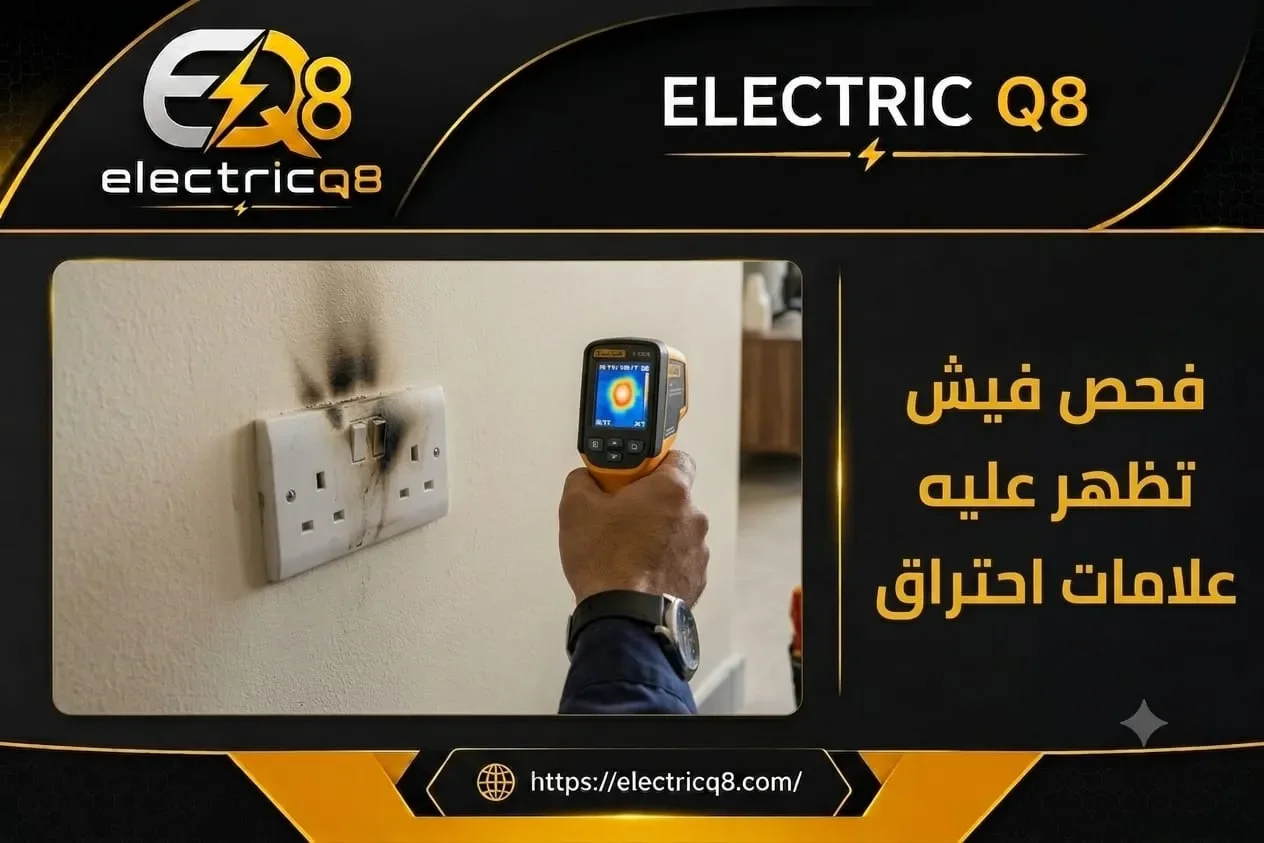
Replacing a damaged light switch in Kuwait becomes appropriate when inspection confirms that the switch mechanism or its internal contacts no longer operate reliably or when signs of deterioration make replacement the suitable option. However, the replacement should not be selected only because it fits into the same wall opening as the old switch. It should be suitable for the type of use, the lighting system it controls, and the installation requirements according to the specifications of the components involved.
Before installing the new switch, the condition of the connection point behind the old one should be assessed. If the connections are healthy, the replacement can remain a limited and straightforward job. If heat damage appears at a terminal or part of the insulation has been affected, the problem should not be hidden behind a new switch. The damaged section should be addressed first because reliable operation of the replacement depends on the quality of the connections attached to it.
After installation, the lighting should be operated several times and the stability of the new switch checked with the actual load it controls. If the original fault appeared only after the lights had been operating for a period, the repair should be evaluated under comparable conditions where practical. Choosing a suitable, good-quality component for the application is also preferable to repeatedly installing unsuitable low-cost switches, especially when the switch is used frequently in a main living room.
-
Selecting a replacement switch should be based on the lighting system, nature of the load, and method of use rather than simply matching the external appearance of the old component.
-
Inspecting the connection point behind the old switch before installing the replacement prevents heat damage or a deteriorated connection from being concealed behind the new component.
-
Testing the replacement switch under actual operating conditions provides greater confidence in the repair than simply switching the lighting on once immediately after installation.
Conclusion
When living room lighting cuts out in Kuwait, the switch is one possible cause, but it is not always the only one. The way the interruption happens determines the direction of the inspection: does the lighting react when the switch is moved, does the problem appear after a period of operation, has the lighting load recently changed, and are there signs such as heat, crackling, or an unusual smell? Correctly diagnosing a living room light switch fault prevents random component replacement and reveals whether the switch needs to be replaced, a connection point requires repair, or the controlled lighting circuit needs further inspection. When light switch repair in Kuwait is required, the better service is one that checks the connections, load, and condition of the switch, explains the reason for the repair, and tests the lighting afterward instead of simply restoring the light temporarily.
Frequently Asked Questions
Why do my living room lights cut out when I touch the switch?
If the lighting changes when the switch is touched or moved, there may be a problem with the switch mechanism or one of its associated electrical connections. The cause should be inspected, and repeatedly moving the switch for testing is not recommended, particularly if heat or unusual sounds are present.
Does a hot light switch mean it must be replaced?
Abnormal heat requires inspection, but it does not by itself prove that replacing the switch is the complete solution. The electrician should determine whether the heat comes from internal switch damage, a deteriorated connection, or conditions associated with the controlled load before deciding on the appropriate repair.
Why do the lights still cut out after replacing the switch?
If the problem continues after replacement, the cause may exist outside the switch, such as at a connection point, another part of the lighting path, or the control system. Replacing a component without identifying the cause can leave the original fault unchanged.
Can adding more living room lighting affect the switch?
Any modification that changes the lighting arrangement or the load being controlled deserves a review of the suitability of the existing components. The decision should not be based only on the number of bulbs but on the characteristics of the load, switch specifications, and control system being used.
When should I call an electrician for a light switch fault?
If the switch repeatedly cuts out, stops working, becomes hot, produces crackling sounds, develops a burning smell, or shows discoloration, it is better to stop using the affected circuit and arrange an inspection by a qualified electrician rather than attempting to open or repair the switch while electrical power is present.