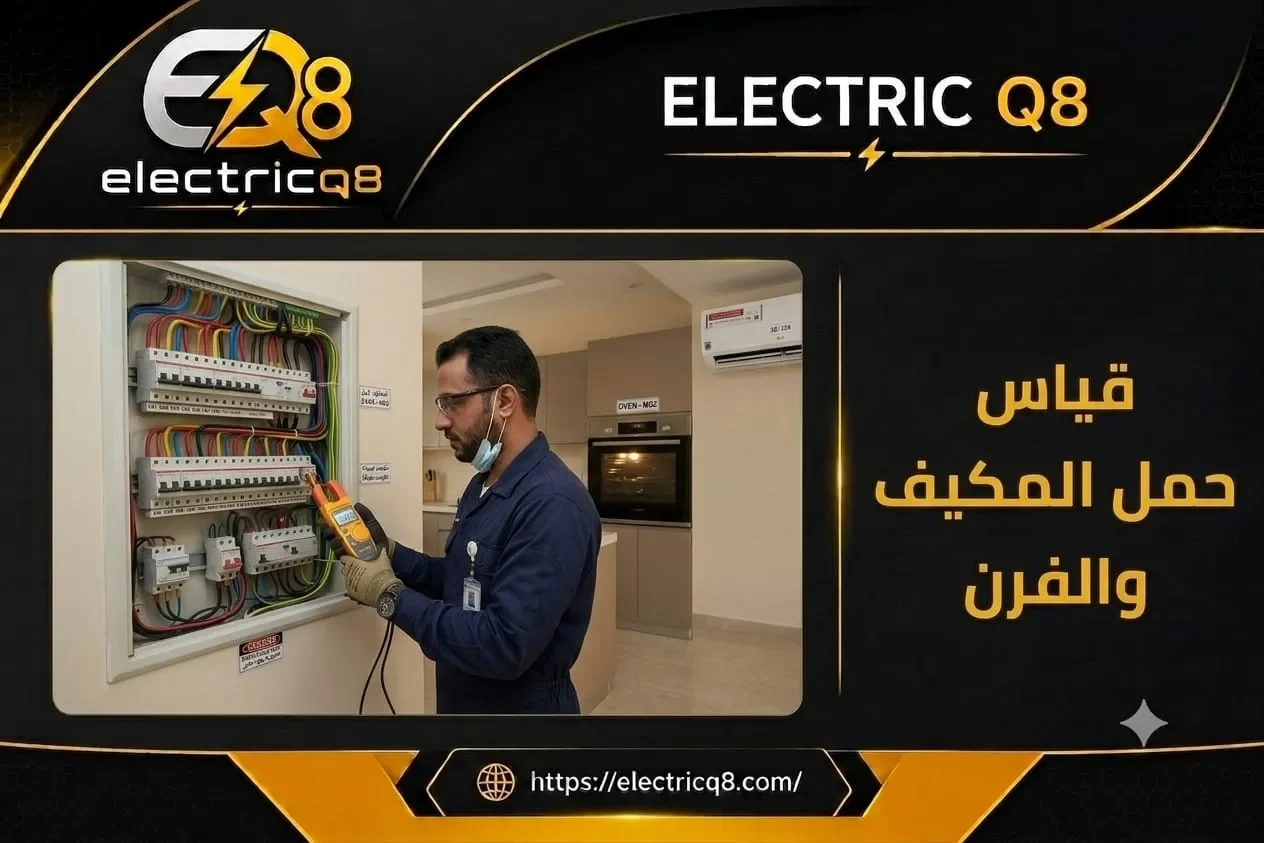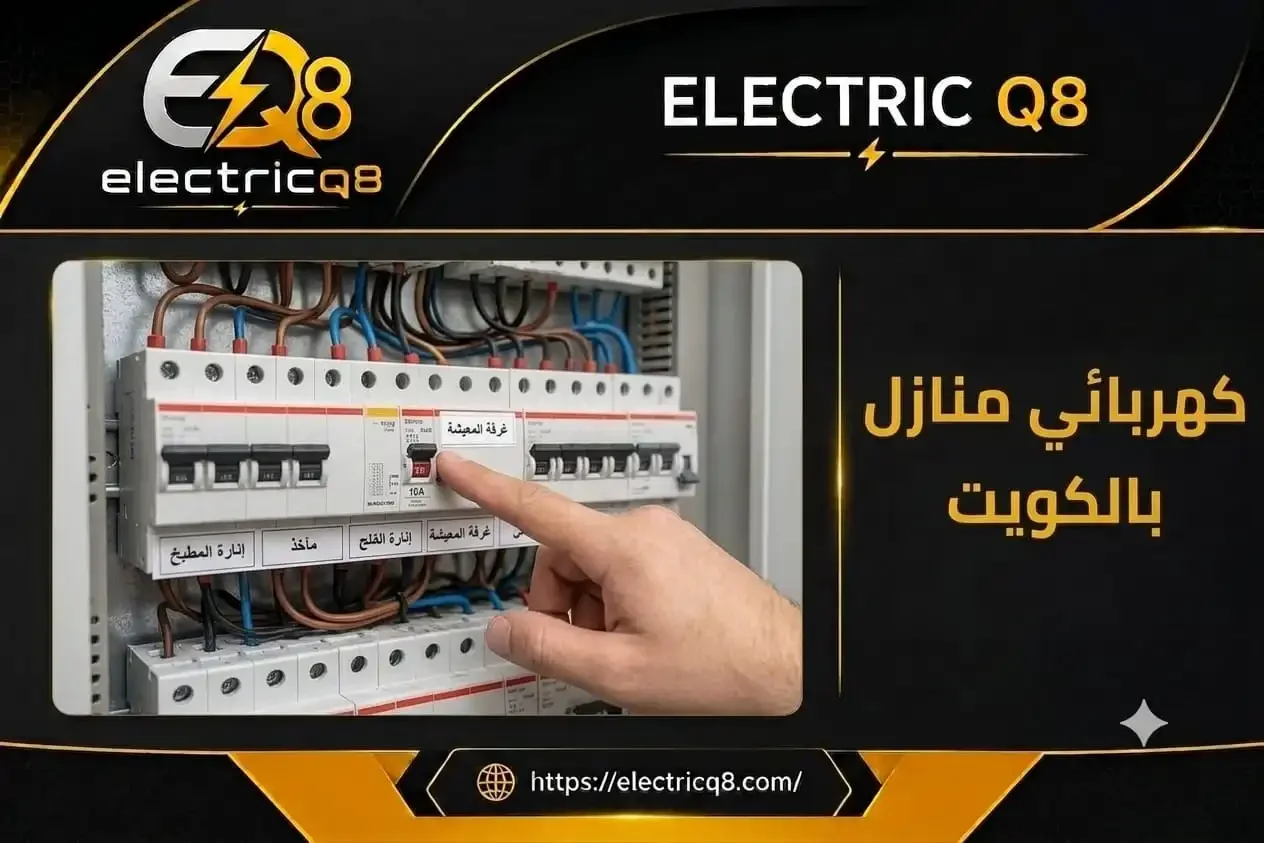
If you open the outer door of your electrical panel and see numerous breakers with old, unclear, or inaccurate labels, the problem is not only about appearance. A crowded panel can make it difficult to identify which breaker supplies each part of the home and can make future maintenance or fault diagnosis take considerably longer. Proper organization begins by tracing the existing circuits, identifying what every breaker actually supplies, reviewing the current arrangement, and clearly numbering and labeling the circuits. The goal is not to move wires simply to make the panel look better. It is to create an organized system that supports correct isolation, reduces guesswork during faults, and reveals previous electrical additions that were completed without accurate documentation or labeling.
Organizing the Electrical Distribution Panel
The process of organizing the electrical distribution panel should not begin by disconnecting wires and rearranging them according to what looks visually cleaner. The correct starting point is understanding the existing installation before anything is changed. The electrician needs to identify the breakers, determine what they actually supply, and verify whether the labels attached to them are accurate or simply old descriptions that no longer represent the current electrical distribution in the home. In some properties, you may find a breaker labeled “room” that, after years of modifications, now supplies the room lighting together with another point in the hallway or part of a later addition. If the panel is reorganized without proper circuit tracing, the same mistake may simply be transferred into a cleaner-looking arrangement that still contains inaccurate information.
After the circuits have been identified, their arrangement inside the panel can be reviewed from the perspective of maintenance and serviceability. Circuits do not need to be arranged only according to their physical location inside the home. They should be organized in a way that helps an electrician understand load groups and isolate the correct area when necessary. If you have several kitchen circuits, fixed appliances, separate lighting circuits, or outlet circuits, the descriptions should be clear enough that a technician does not need to experiment with several breakers during a fault. Good organization reduces time spent searching and prevents unrelated parts of the property from being unnecessarily switched off.
The practical value of proper organization becomes even clearer during unexpected electrical faults. Imagine that a socket begins overheating and its circuit needs to be isolated quickly, but nearly every breaker has no label or carries an inaccurate old label. The electrician may need to trace the circuit before knowing which breaker controls the affected point. When the panel has already been properly organized and numbered, reaching the correct circuit becomes considerably faster. For this reason, panel organization is not a cosmetic service. It directly improves maintainability and the operational safety of the electrical system.
-
Proper panel organization begins by documenting the existing arrangement and tracing the actual function of every breaker before moving any circuit because an organization plan based on old labels can create a neat-looking panel while leaving the underlying information incorrect.
-
The success of breaker organization can be measured by whether another qualified electrician can later understand the circuit distribution and isolate the required area without testing numerous breakers or unnecessarily disconnecting unrelated parts of the property.
-
An organized panel reduces valuable time lost during urgent faults because locating the correct circuit becomes a structured process based on previous tracing and numbering rather than guesswork and repeated testing.
Organizing Electrical Panel Breakers

Organizing electrical panel breakers involves much more than placing similar-looking breakers next to each other. Every breaker is associated with a particular circuit, load, and operating purpose, so useful organization must be based on understanding the role of each breaker within the electrical system. If the property has a lighting circuit, outlet circuit, and a circuit for a fixed appliance, their arrangement and labeling should make these differences clear during maintenance. Simply grouping breakers according to their appearance or physical size provides little practical value when nobody knows what each breaker actually supplies.
Another issue commonly discovered during organization is the presence of electrical additions completed at different times. A home that has existed for many years may have been worked on by several electricians, with new circuits installed, loads moved, or breakers added without updating the panel schedule. Over time, this can result in a breaker with an inaccurate name, a breaker supplying more areas than the homeowner expects, or panel spaces being used in ways that make future maintenance difficult. Proper organization begins by uncovering this history rather than hiding it behind a new set of labels.
Breaker locations or connections should also not be changed simply to “tidy up the panel” without understanding how those changes affect the electrical system. Reorganization requires a qualified electrician who understands what can be moved and what must remain arranged according to the panel design, protective requirements, and associated circuits. If inspection reveals a breaker with signs of overheating, a damaged termination, or an old modification that requires attention, that condition should be treated as a separate technical issue rather than hidden within a cosmetic reorganization. The objective is for the panel to become clearer and easier to inspect and maintain, not merely more attractive when its door is opened.
-
Correct breaker organization is based on the function of each circuit and the type of load it serves because visually grouping breakers without understanding their relationship to the circuits does not genuinely improve maintenance or diagnosis.
-
Panels that have undergone many modifications should first have their previous additions and existing labels reviewed so that new descriptions are not simply placed over errors that accumulated through years of electrical changes.
-
Any evidence of overheating, damage, or poorly organized connections discovered during breaker organization should be treated as a technical condition requiring separate assessment rather than being considered part of a cosmetic tidying process.
Numbering Electrical Panel Circuits
The purpose of numbering electrical panel circuits is to give every breaker a clear reference that can be used quickly instead of relying on broad descriptions such as “rooms” or “house electricity.” A useful numbering system links each circuit number to an understandable description in the panel schedule. This may identify a circuit as supplying lighting in a specific part of the home, outlets in a defined area, or a particular fixed appliance. A number alone provides limited value without a clear schedule, while a description alone can become lengthy or change over time. Combining both creates a system that is easier to use and maintain.
Before numbers are assigned, each circuit should be verified in practice. Relying only on old labels can reproduce existing mistakes, particularly in homes that have undergone renovations, internal changes, or appliance additions since the original installation. The electrician traces the circuit, confirms the area it actually supplies, and records it clearly. If a circuit is found to supply points in unexpectedly separate areas, that information should be documented accurately rather than choosing a misleading description simply to make the schedule look cleaner.
Circuit numbering also provides long-term maintenance benefits. If you contact an electrician a year later and explain that the problem is occurring on circuit number 7, which is identified as supplying outlets in a particular area, that information is much more precise than simply saying, “Some electricity in the living room is not working.” Even within the home, proper numbering makes it easier to understand what will be disconnected before a circuit is isolated instead of relying on trial and error. However, the numbering system must be updated whenever circuits are modified. Otherwise, every undocumented alteration gradually returns the panel to the same confusion it had before.
-
Circuit numbering becomes genuinely useful when each number is linked to a specific and understandable description in the panel schedule so that the number serves as a maintenance reference rather than another sticker attached to a breaker.
-
Verifying the actual function of every circuit before assigning its number prevents old documentation errors from being repeated and reveals circuits whose coverage changed because of previous renovations or additions.
-
The numbering schedule should be updated whenever circuits are modified because even the best documentation system loses its value when new electrical additions continue without accurate records.
Crowded Electrical Distribution Panel
Having a crowded electrical distribution panel does not automatically mean that a larger panel must be installed. The word “crowded” can describe several different conditions: a large number of circuits within limited physical space, wiring arranged in a way that makes tracing difficult, additions completed at different times that left unclear connections, or a panel that has genuinely reached the practical limits of its available expansion space. The first step should therefore be identifying the type of overcrowding rather than immediately deciding on expansion or replacement.
If the problem is mainly organizational, a significant part of the solution may involve documenting circuits, reorganizing them appropriately, and correcting previous additions that created confusion. If the panel is genuinely full and additional circuits are planned, however, the issue moves from organization into a separate expansion assessment. This distinction is important because organization and capacity are not the same thing. A panel may appear extremely crowded while its electrical loads remain appropriate, while another panel may look visually neat but require development for entirely different electrical reasons. Appearance alone cannot determine the panel's actual capability.
Warning signs found while inspecting a crowded panel also deserve attention. These may include difficulty reaching particular connection points, numerous conflicting labels, wiring that is difficult to associate with the correct circuit, or evidence of repeated previous modifications. If overheating, discoloration, a burning smell, or damaged insulation is discovered, the situation goes beyond organization and the technical condition must be assessed before rearrangement continues. Wires should never simply be compressed or moved to produce a cleaner appearance while an actual electrical defect remains untreated.
-
The cause of panel overcrowding should be identified before choosing a solution because excessive circuit numbers, poor organization, lack of physical space, and years of additions are different conditions that do not all require the same response.
-
A crowded panel is not automatically a panel with insufficient electrical capacity because organization, available physical space, and the system's ability to support electrical loads are separate issues that should each be evaluated independently.
-
Signs of overheating, burning, or insulation damage discovered during an overcrowding inspection shift the priority from improving panel organization to correcting the technical condition before internal reorganization continues.
Rearranging the Electrical Panel
Rearranging the electrical panel becomes particularly useful after years of electrical modifications completed without one consistent plan. A home may have started with a particular number of circuits before appliances were added, the kitchen was renovated, lighting was divided into new groups, or additional electrical points were installed. Each modification may have left its own mark inside the panel. Eventually, it can become difficult to determine what belongs to the original installation, what was added later, and which circuits have changed function. Rearrangement helps rebuild an understandable picture of the electrical system rather than allowing modifications to continue accumulating.
Before anything is moved, the existing arrangement should be recorded so that important information is not lost during the work. The electrician documents the breakers, circuits, and existing labels, verifies their accuracy, and then determines what actually requires reorganization. This matters because some connections that appear visually unusual may have a reason related to an earlier design, while others may genuinely be the result of poorly planned additions. Professional rearrangement is therefore not based on appearance alone. It is based on understanding the relationship between each component and the circuit it serves.
After the work is completed, there should be a clear improvement in how easily the panel can be understood. The homeowner is not expected to open the panel and work on internal components, but the circuit schedule should be understandable, breakers should be clearly identified, and any qualified electrician attending in the future should be able to understand the arrangement more quickly. If another circuit is added later, it should become part of the same organizational system rather than being installed with a quick handwritten label that starts the cycle of confusion again.
-
Recording the panel condition before rearrangement preserves existing information and allows the original and final configurations to be compared rather than moving components first and attempting to identify their relationships afterward.
-
Professional reorganization distinguishes between visual neatness and electrical organization because the purpose is not simply to make wiring appear symmetrical but to make the relationship between breakers and circuits clear and traceable.
-
Preserving the benefits of rearrangement requires every future circuit to be recorded within the same documentation system so that small additions do not gradually reintroduce disorder into the panel.
Organizing Wiring Inside the Electrical Panel

Organizing wiring inside the electrical panel is technical electrical work rather than a household tidying project, so homeowners should not open the panel and attempt to bundle, move, or rearrange wires themselves. Internal panel components and connections require appropriate isolation procedures and technical understanding before they are handled. Even when the goal appears to be purely cosmetic, moving a conductor, placing pressure on it, or changing its route without understanding the connection can affect a termination or expose an existing problem that was previously hidden.
During organization, the electrician does not simply try to reduce the number of visible wires. The wiring paths should remain traceable and should not be arranged in a way that creates unnecessary pressure or makes components difficult to access during maintenance. Previous additions should also be reviewed to determine whether they left unclear conductors, excessive lengths, or routing that makes circuit identification difficult. The important point is that organization should respect the design of the panel and the requirements of its components rather than tightly bundling conductors simply to create a visually impressive result.
In older panels, inspection or movement of certain wiring paths may reveal signs that were not obvious from outside, such as insulation discoloration or evidence of heat near a particular connection. At that point, “organizing the wiring” should stop being treated as a cosmetic service and the condition should be evaluated according to its cause. A visually clean panel has little value if a damaged connection remains underneath the organization. Genuine quality means every internal change improves clarity and maintainability while preserving the safe condition of the components.
-
Organizing wiring inside an electrical panel requires a qualified electrician because moving or applying pressure to conductors without proper isolation and understanding of their arrangement can create a problem instead of improving the installation.
-
A good wiring arrangement supports circuit tracing and access to components during maintenance rather than hiding as many conductors as possible simply to create a visually cleaner panel.
-
Any insulation damage or signs of overheating discovered during organization should have their cause assessed and corrected before the arrangement is completed because a neat appearance cannot compensate for a damaged electrical point.
Organizing Electrical Circuits
The purpose of organizing electrical circuits is to make the home's electrical distribution understandable from the panel to the loads served by each circuit. This is different from simply arranging the breakers themselves because the focus here is on circuit logic: what supplies the lighting, what supplies the outlets, what serves fixed appliances, and what has been modified over the years. When this picture is clear, diagnosis becomes faster because the electrician understands the expected boundaries of each circuit before searching across several parts of the property.
One issue sometimes discovered during circuit tracing is that certain circuits cover wider or more unusual areas than expected. A circuit identified by the name of one room may also supply a point somewhere else because of an older modification, or a later addition may have been connected to an existing circuit instead of receiving a separate route. Not every situation like this automatically requires complete rewiring, but it should be documented correctly so the panel schedule does not continue providing incomplete or misleading information.
Organized circuit information also creates a better foundation for future electrical development. If you later decide to install a new appliance or renovate part of the home, the electrician begins with a clearer understanding of the existing system instead of starting from zero. This reduces decisions based on assumptions and helps future expansion remain more organized. Circuit organization is therefore not simply a service for today's fault. It is an investment in making the electrical system easier to understand throughout the coming years.
-
Understanding the actual coverage of each circuit gives the electrician a practical electrical map of the property and helps narrow down faults more quickly than relying on broad names written on breakers.
-
Discovering that a distant point is connected to an unexpected circuit does not automatically require rewiring but it should be documented clearly so the panel schedule does not continue carrying inaccurate information.
-
Organizing circuits today provides useful baseline information for future renovations or additions and reduces the need to rediscover the entire electrical system every time a new project begins.
Maintaining a Crowded Distribution Panel
Maintaining a crowded distribution panel differs from organization alone because maintenance considers the condition of electrical components as well as their arrangement. The electrician is not only asking where wires should be positioned. They also inspect for signs of overheating, discoloration, visible deterioration, connection points requiring assessment, or breakers whose condition needs further review. Overcrowding may simply be the result of years of additions, but it can also make certain problems harder to identify when connections and circuits are poorly documented.
Components should not be replaced simply because they are old or look different from the others. Replacement should be supported by a reason related to condition, compatibility, or inspection findings. In the same way, every breaker that trips in a crowded panel should not automatically be considered defective because tripping may be related to the circuit or electrical load. Good maintenance separates organizational problems from component problems so the customer does not pay to replace serviceable equipment unnecessarily.
Once technical issues have been addressed, organization and documentation can follow. The final result is stronger because the panel has not merely become tidier but has also had its condition reviewed during the process. If the electrician determines that overcrowding cannot be appropriately resolved within the existing physical space, they should explain that a separate expansion assessment is required instead of attempting to compress everything into the same panel. This keeps maintenance, organization, and capacity expansion as distinct technical decisions.
-
Maintaining a crowded panel combines assessment of component condition with improved organization so that damaged or overheated connections are not simply rearranged and hidden within a cleaner-looking installation.
-
The age or different appearance of a component is not enough to justify replacement because the better decision should be based on condition, compatibility, and inspection findings rather than visual uniformity.
-
If the existing space cannot appropriately accommodate the current circuits, the electrician should explain the need for an expansion assessment rather than compressing components and wiring simply to complete the organization work.
Electrician for Panel Organization in Kuwait
Choosing an electrician for panel organization in Kuwait should depend more on how the electrician approaches the work than on how quickly they promise to finish it. If someone arrives and immediately starts moving breakers and wiring without first determining what the circuits supply, that is not a strong beginning. A better approach starts by documenting the existing arrangement, tracing circuits, checking labels, and then deciding what requires organization, what requires maintenance, and what does not need to be disturbed.
Useful questions before agreeing to the service include whether circuit tracing and numbering are included, whether the panel schedule will be updated, and how damaged connections or breakers requiring further assessment will be handled if they are discovered. It is also useful to know whether the quoted price covers organization only or whether repairs are charged separately. A small panel requiring improved labeling is very different from a panel that has accumulated years of undocumented additions and requires extensive circuit tracing, so cost should reflect the actual scope of work.
The quality of the service should also remain visible after the electrician leaves. You should not simply be left with a panel that looks better. There should be clear labels, an understandable circuit schedule, and an explanation of any technical observations that were not repaired as part of the service. If something requires follow-up, you should understand what it is and why. A good electrician leaves the electrical system easier for the next qualified electrician to understand rather than creating an arrangement that only makes sense to the person who completed it.
-
The right electrician begins by tracing and documenting circuits before reorganizing the panel because understanding the existing system is the foundation of any arrangement that preserves both function and clarity.
-
Comparing panel organization prices should consider the scope of service including circuit tracing, numbering, schedule updates, and treatment of additional findings rather than comparing one headline price between completely different panels.
-
A professional result includes clear documentation and an explanation of technical findings in addition to internal organization so the benefits of the work remain useful during future maintenance and service visits.
Redistributing Electrical Panel Breakers

The term redistributing electrical panel breakers needs clarification because moving breakers within the panel is not an objective by itself. Sometimes redistribution refers to reorganizing circuit positions to make the panel easier to understand and maintain. In other situations, it may involve a broader technical requirement associated with electrical load distribution or system design. These changes should not be carried out simply to make the breaker arrangement look symmetrical. The reason for the change and its effect on the electrical system should be understood first.
In systems that use more than one phase, for example, load distribution needs to be evaluated according to expected and actual electrical demand rather than simply counting breakers. Having the same number of breakers associated with different parts of the system does not necessarily mean that the loads are balanced because a breaker serving a substantial load is very different from one serving a light load. Any redistribution intended to address electrical loading therefore requires appropriate understanding and measurement rather than moving breakers until their numbers appear equal.
If the purpose is primarily organizational, circuit compatibility and the correct protective arrangement still need to be preserved and all labels should be updated after any change. A breaker should never be moved while the old schedule remains unchanged because inaccurate documentation can be more dangerous than having no documentation at all. It provides confident information that is actually wrong and may lead someone to isolate the wrong circuit. Successful redistribution should therefore finish with the documentation updated to the same standard as the physical work inside the panel.
-
Breaker redistribution should have a specific purpose such as improving organization or addressing a technical requirement because moving positions for visual symmetry alone provides no meaningful electrical benefit.
-
Electrical load distribution cannot be evaluated simply by counting breakers because loads differ in size, characteristics, and operating patterns and therefore require appropriate understanding and measurement.
-
Any change to circuit positions or breaker arrangement should be followed immediately by updated numbering and panel documentation because outdated labels can cause the wrong circuit to be isolated later.
Conclusion
Having a crowded electrical distribution panel does not always mean the panel must be replaced or expanded. In many homes, the real problem is years of electrical additions, inaccurate labels, and the absence of a clear circuit documentation system. The better starting point is to trace the circuits before organizing the electrical distribution panel, arranging the breakers, and updating electrical panel circuit numbering so the documentation accurately reflects the home's actual electrical distribution. If damage, overheating, or a genuine lack of physical space is discovered during the work, it should be treated as a separate technical issue rather than hidden beneath cosmetic organization. The desired result is not simply a panel that looks neat when its door is opened. It is an understandable panel that supports easier isolation, diagnosis, and maintenance and remains practical to update when future electrical additions are made.
Frequently Asked Questions
Does a crowded electrical panel mean it needs replacement?
Not always. The overcrowding may result from poor organization or previous electrical additions while the panel itself remains suitable. If the available space is genuinely insufficient, the panel condition is unsuitable, or new development requirements exist, expansion or replacement should then be assessed separately.
Should circuits be traced before breaker numbering?
Yes. Writing new labels based only on old descriptions may preserve mistakes that already exist. The better approach is to verify what each circuit actually supplies before assigning a number and clear description and recording that information in the panel schedule.
Can I organize the wiring inside the electrical panel myself?
Opening the panel or moving internal electrical connections without appropriate qualifications is not recommended. Wiring organization requires safe isolation and knowledge of the panel and its circuits because incorrectly moving a conductor can create a new problem instead of correcting the existing arrangement.
How much does organizing a crowded electrical panel cost?
The cost varies according to the number of circuits, panel condition, accuracy of the existing labels, amount of circuit tracing required, and whether additional repairs are discovered. It is better to understand the exact service scope first rather than relying on one fixed price for every electrical panel.
What should I receive after the distribution panel is organized?
The breakers and circuits should be easier to understand with accurate numbering or labeling and a schedule that reflects their actual functions. You should also be informed about any technical observations that require follow-up. The goal is for the panel to remain understandable during future maintenance rather than simply looking organized on the day the service is completed.