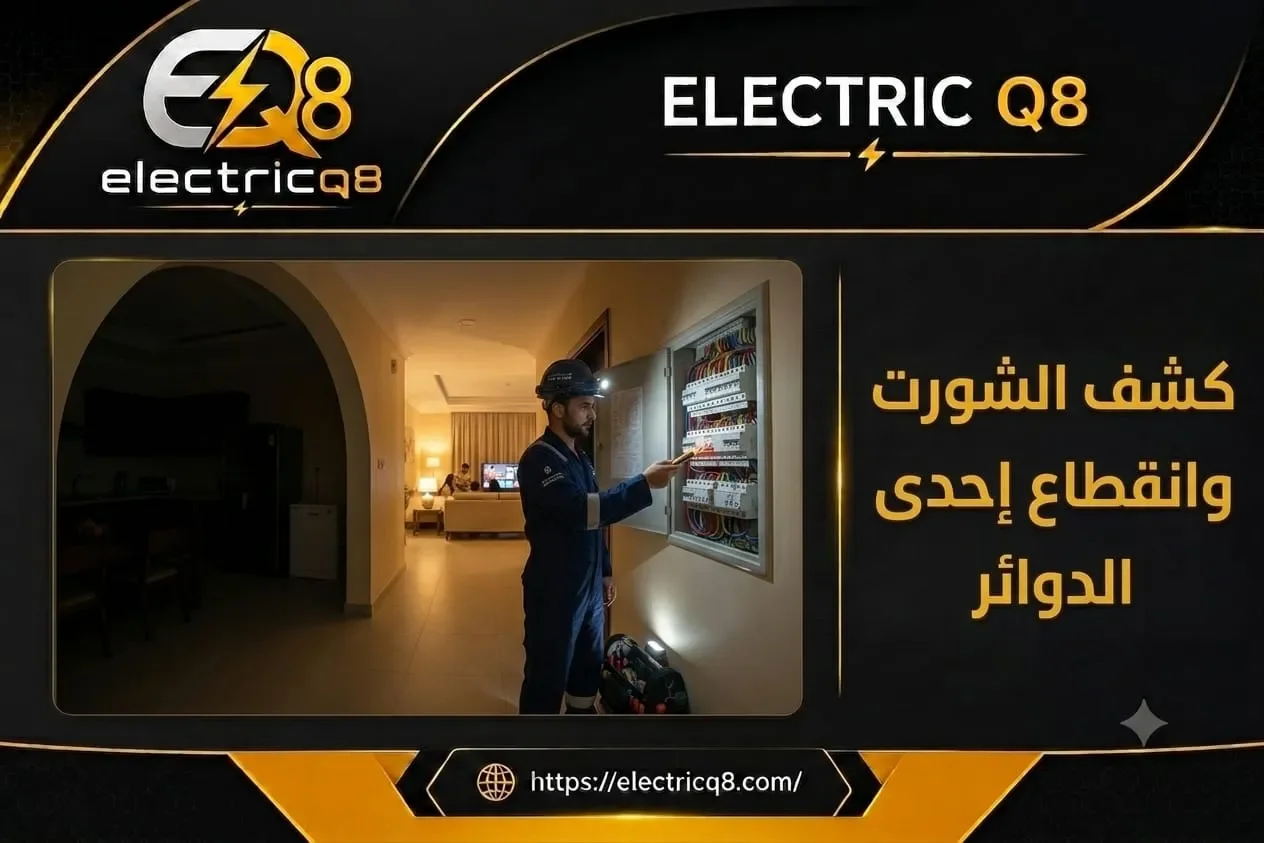
If the electricity goes out inside your home while the meter is still operating, do not immediately assume that the problem comes from the external power network or from the meter itself. A working meter display or visible indicators do not necessarily mean that electrical power is reaching every circuit in the home correctly. The fault may be located after the meter, at the main breaker, inside the distribution panel, or within a specific section of the household wiring. Before calling an electrician, notice whether the outage affects the entire home or only one room or circuit, whether neighboring properties still have electricity, and whether a breaker appears to have tripped. These simple observations can shorten the diagnostic process without opening the panel or touching exposed electrical connections, especially if you notice heat, a burning smell, or unusual sounds.
Electricity Is Out but the Meter Works in Kuwait
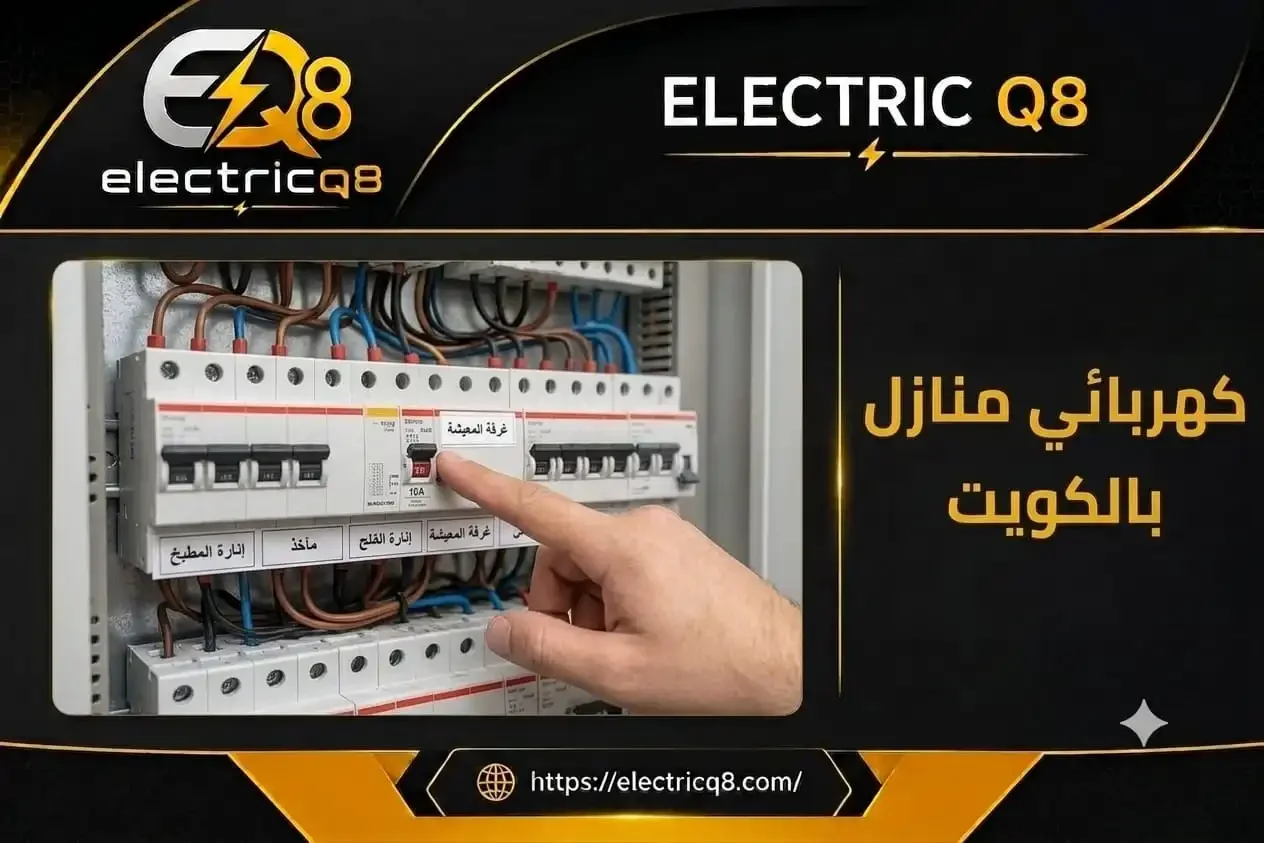
When the electricity is out but the meter works in Kuwait, the most important point to understand is that visible information on the meter display alone is not enough to confirm that electrical power is flowing normally into the home. The meter is only one component in the electrical supply path, while other components located after it can affect whether electricity reaches the property. These may include isolation and protection devices, the main breaker, the distribution panel, and the connections supplying the internal circuits. Proper diagnosis therefore begins by identifying the point where electrical power stops rather than assuming that a meter that appears to be operating means everything after it is functioning correctly.
From inside the home, several useful observations can be made without dismantling any electrical component. If all lights, outlets, and appliances have stopped working, the situation is different from an outage affecting only one section of the property. It is also useful to determine whether neighboring homes, shared corridors, or common areas of the building still have electricity because a widespread outage is different from a problem limited to one residential unit. Breaker positions can be observed from a safe distance when the panel appears normal and there is no heat, burning smell, or visible damage, but protective covers should not be removed and internal conductors should never be touched.
During a professional inspection, the electrician traces the electrical supply systematically from one appropriate testing point to another using suitable measuring equipment. The objective is to determine whether voltage is present before and after the relevant main protection point, whether it reaches the distribution panel, and whether it continues into the household circuits. This method identifies the section responsible for the outage instead of replacing a breaker, meter, or wiring based on assumptions. If the problem is eventually found in a section that falls under the responsibility of the electricity provider, accurate diagnosis also prevents unnecessary work on the home's internal electrical system.
-
A functioning meter display alone does not prove that electrical power is correctly reaching the main protection point and every circuit inside the home.
-
Determining whether the outage affects the entire property or only one section helps establish the correct direction for inspection before unnecessary electrical work begins.
-
Tracing voltage progressively through the supply path is more accurate than replacing electrical components without evidence of where the power actually stops.
Power Outage Only Inside the Home in Kuwait
A power outage only inside the home in Kuwait becomes easier to investigate when you confirm that neighboring units or other parts of the building still have electricity while your property alone has lost power. In this situation, the likelihood of a general network outage becomes lower and attention shifts toward the electrical supply path serving the individual property. Even then, it would be incorrect to assume immediately that the main breaker is the cause because the fault could involve another isolation device, a connection point, or part of the distribution system depending on the design of the electrical installation.
Distinguishing between a complete and partial outage is extremely important. If some rooms continue to have electricity while others do not, the fault usually requires tracing a particular circuit or group of circuits rather than investigating the entire incoming supply. If lighting, outlets, air conditioning, and all other loads have stopped while the meter still appears active, inspection of the main supply path becomes a higher priority. In installations using multiple phases, different outage patterns can also occur and require proper electrical measurements rather than assuming that the entire supply is healthy simply because certain points continue to operate.
One common mistake is repeatedly switching the main breaker off and on in the hope that electricity will return. If the breaker has operated because of a genuine electrical fault, resetting it without identifying the cause may simply reproduce the same condition. If you notice clicking, crackling, a burning smell, or abnormal heat around the electrical panel, do not touch it. The electrician should instead measure the incoming and outgoing supply at appropriate points, determine exactly where electricity is being interrupted, and then decide whether the problem involves protection equipment, electrical connections, or an internal circuit.
-
Electricity remaining available in neighboring properties while your home is without power directs the investigation toward the supply serving your unit but does not by itself identify the defective component.
-
A partial outage requires a different diagnostic approach from a complete outage because the circuits that remain operational provide useful information for narrowing the fault area.
-
Repeatedly resetting the main breaker is not a reliable diagnostic method, particularly when heat, unusual sounds, or other signs suggest a problem within the electrical panel.
The Meter Works but There Is No Power in the Home
When the meter works but there is no power in the home, it is important to distinguish between an active meter interface and the actual delivery of usable electrical power to household loads. Some homeowners see numbers or indicators on the meter and immediately rule out any problem in the main supply path, but that conclusion is not technically reliable. A visible meter indication provides only one piece of information. An electrician must complete the assessment by measuring appropriate points according to the installation design and the division of responsibility between the electricity supply network and the home's electrical system.
In practical terms, identifying the situation begins with a simple question: has everything actually stopped working? If certain lights or outlets still operate, this is not a complete power outage and the affected circuits should be identified. If the entire home has lost electricity, attention turns toward the main protection equipment, the distribution panel, and the electrical supply path using appropriate professional testing methods. Sometimes a protective component may not provide an obvious visual indication of its actual condition, or a connection point may have developed a fault that cannot be confirmed by looking at it. There may also be situations involving only part of a multiphase supply, which makes proper measurement much more valuable than visual assumptions.
A homeowner does not need to remove the panel cover or inspect wiring personally to provide useful information to the electrician. It is enough to explain when the outage began, whether a large appliance had just been switched on, whether any sound or smell appeared beforehand, whether the outage is complete or partial, and whether electricity remains available around the property. These details give the electrician a strong starting point and reduce unnecessary diagnostic trials after arrival.
-
A visible meter display does not replace electrical measurements along the supply path because the meter indication does not confirm the condition of every component located after it.
-
Determining whether all electrical loads have stopped or certain circuits remain operational changes the diagnostic direction and prevents confusion between complete and partial outages.
-
Describing what happened immediately before the power failure provides useful practical information without requiring the homeowner to open the electrical panel or touch electrical components.
Cause of a Power Outage While the Meter Is Working
Determining the cause of a power outage while the meter is working requires tracing the electrical supply instead of blaming one component from the beginning. Information remaining visible on the meter can occur at the same time as a fault in another part of the supply path, such as the main protective device, an electrical connection, or part of the distribution panel. In other situations, the problem may involve a section before the home's internal installation and may therefore fall under the responsibility of the relevant electricity provider. The real value of inspection is identifying the boundaries of the fault before deciding what needs to be repaired.
The likely cause also changes according to the pattern of the outage. If the entire home suddenly loses electricity immediately after a high-load appliance is switched on, that detail is useful, but it does not prove by itself that electrical load was the cause. If several circuits stop while other circuits continue operating, the inspection may focus on a specific section of the distribution system or supply arrangement. If the outage was preceded by a popping sound, burning smell, or unusual heat near the panel, those warning signs mean the panel should not be touched and the condition should be left for professional inspection.
A competent electrician connects these observations with actual measurements. Instead of declaring that a breaker is defective simply because the house is dark, the electrician verifies the presence of the electrical supply at appropriate points and determines where it disappears. This distinction is important because it prevents replacement of healthy components and leads to the actual cause, whether that is protective-device operation, a connection fault, or another electrical problem requiring a different repair.
-
Identifying the cause of the outage depends on finding the last point where electrical power is present correctly rather than assuming that an active meter display confirms the entire supply path is healthy.
-
The timing of the outage and any preceding heavy loads, sounds, smells, or other symptoms provide valuable clues, but the final diagnosis should be based on appropriate inspection and measurement.
-
Determining whether the fault is inside the home's electrical installation or in another section of the supply system prevents unnecessary repairs that do not address the real problem.
Electricity Is Not Reaching the Home in Kuwait
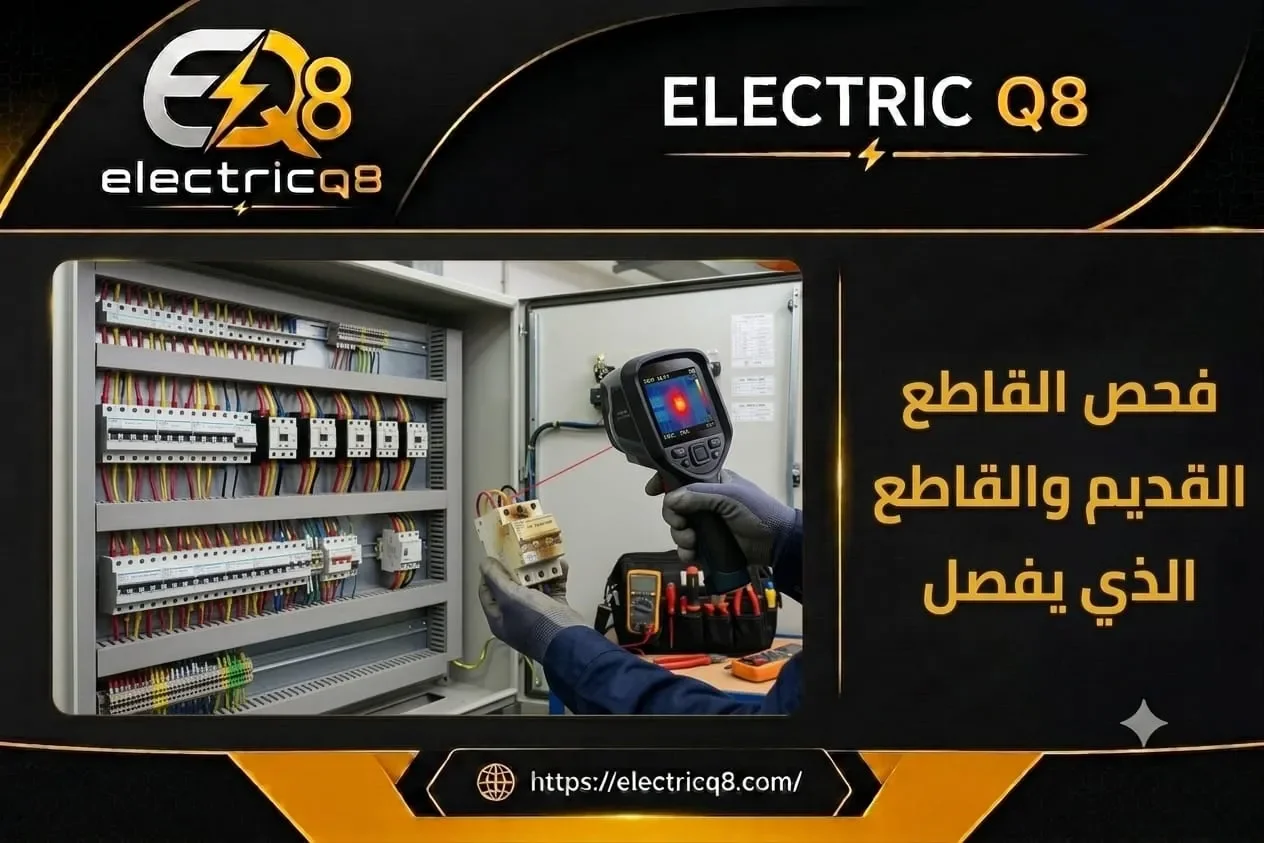
When electricity is not reaching the home in Kuwait, the first step is to distinguish between a general outage affecting the surrounding area or building and a problem affecting only the individual residential unit. This simple comparison can save considerable diagnostic time. If neighboring properties are also without electricity, checking the condition of the external electricity supply becomes the priority. If common-area lighting, elevators, or neighboring units continue to operate while only your home is without power, investigating the home's individual electrical supply becomes more logical.
However, the homeowner does not need to approach the main electrical connections to establish this difference. You can observe the general situation, ask whether neighbors have electricity, and look at the breaker panel externally if it appears to be in normal condition. Opening sealed sections, removing protective covers, or attempting voltage measurements with unsuitable tools is not appropriate. Incoming electrical supply areas can contain dangerous voltage even when the home itself appears to have no electricity.
If inspection confirms that the problem lies within the home's electrical installation, the electrician can begin tracing the supply in the correct sequence. If the results show that voltage is not arriving from a section controlled by the electricity provider, the case should be referred to the responsible authority instead of attempting to repair equipment outside the electrician's permitted scope. Identifying this boundary early saves time and expense while preventing inappropriate intervention.
-
Comparing the condition of your home with neighboring units or the rest of the building helps distinguish initially between a general outage and a problem specific to your electrical supply.
-
The absence of electricity inside the property does not make incoming electrical connections safe to handle, so protective covers and main conductors should not be touched.
-
If testing confirms that the problem lies outside the home's internal installation, the appropriate responsible authority should handle that section rather than unnecessary modifications being made inside the property.
Checking a Home Power Outage in Kuwait
A professional check of a home power outage in Kuwait begins by collecting clear information before any measuring instrument is used. When did the electricity stop? Is the outage complete or partial? Did it occur while a high-consumption appliance was operating? Was there a popping sound or unusual smell? Do neighboring properties still have electricity? These questions are not merely routine because they help determine the correct starting point and prevent time being wasted inspecting areas that are unlikely to be related to the problem.
The electrician then reviews the electrical panel and the condition of the protective devices before tracing the electrical supply through the points that can appropriately be tested. A professional does not rely solely on a simple test screwdriver to determine the condition of an entire electrical installation. Suitable measuring instruments are used and results are compared between different points. If power is present at the input of one section but absent after a particular component, the suspected area becomes much more specific. When the outage is partial, the affected circuits are traced instead of treating the entire home as though it has lost its incoming supply.
A good inspection ends with a result that can be clearly explained. The homeowner should understand whether the problem involves a protective component, electrical connection, particular circuit, or another part of the supply path and what actually needs repair. This transparency matters because the phrase "power outage" covers a wide range of situations, from a relatively simple fault affecting one circuit to a supply problem that requires coordination with the responsible authority.
-
Questions about when the outage started, how much of the property it affects, and what happened immediately beforehand help create a logical diagnostic path and reduce unnecessary investigation.
-
Measuring electrical power at successive points along the supply path reveals where electricity is present and where it disappears instead of relying only on visible indicators.
-
A professional inspection result should identify the fault location, responsibility boundary, and required repair before electrical components are replaced.
Electrician for Power Outage Repair in Kuwait
When choosing an electrician for power outage repair in Kuwait, do not make your decision based only on who promises to restore electricity fastest. Speed certainly matters, especially in Kuwait's heat and when refrigerators, air conditioning, and other essential appliances are out of service, but restoring power after identifying why it stopped is more important. Simply resetting a breaker or bypassing a protective component without diagnosis may restore electricity temporarily while leaving the underlying fault unresolved.
The right electrician begins by determining the extent of the outage, inspecting the distribution panel, and tracing the electrical supply with appropriate measurements. If the electrician discovers that the fault does not lie within the home's internal installation, this should be explained instead of carrying out unnecessary work. When the fault is inside the property, the electrician identifies the affected component, connection, or circuit and explains the available repair options. A clear explanation of the cause is much more valuable than a vague statement such as "the problem is in the panel" without identifying what is actually wrong.
Cost should also be approached realistically. Repairing an accessible connection is not the same as tracing a problem through a distribution panel or circuit that requires additional diagnostic time. It is therefore better to understand the inspection charge and what it covers before receiving a repair price after the cause has been identified. This allows the customer to pay for clearly defined work rather than a price based on an unknown possibility.
-
The right electrician restores power after diagnosing the cause of the outage rather than bypassing protective equipment simply to return electricity quickly.
-
A clear explanation of the fault location, measurements, and required repair is an important sign that the decision is based on diagnosis rather than guesswork.
-
Realistic pricing distinguishes between inspection and repair costs because the true scope of work cannot be accurately determined before the interruption point is identified.
Solution for a Power Outage Inside the Home
Finding a solution for a power outage inside the home begins by determining whether the problem is general or limited to the property and then establishing whether every circuit has stopped or only part of the electrical system is affected. These simple distinctions prevent incorrect decisions such as replacing the main breaker when the fault is actually located in a branch circuit or requesting internal electrical work when the problem originates from the external supply.
If the outage is associated with a branch breaker that has operated because of a circuit fault, the correct solution is to diagnose and repair the cause before testing the circuit. If a connection point or protective component in the supply path is defective, the damaged part can be repaired or replaced with an appropriately specified component. If inspection shows that the fault is outside the home's electrical installation, the correct solution is to contact the authority responsible for that section rather than attempting unauthorized intervention.
In some homes, electricity may return after a breaker or switch is moved and then disappear again later. This should not be considered a successful solution because it may indicate an unstable component or electrical connection that requires inspection. Intermittent electricity deserves the same diagnostic attention as a complete outage, especially when accompanied by unusual sounds, heat, or abnormal changes in lighting.
-
The correct solution changes according to where electrical power stops, which is why the extent of the outage should be identified before deciding to replace any component.
-
Electricity returning after moving a breaker and then disappearing again does not mean the problem has been resolved and the relevant component and circuit should be inspected.
-
Correcting the reason for the interruption and verifying stable electrical operation after repair is more important than restoring power quickly without confirming system stability.
Power Is Out Without the Meter Turning Off

When power is out without the meter turning off, many homeowners become confused because they expect a loss of electricity inside the property to mean that the meter display should also go blank. However, the meter and the internal electrical distribution system are not a single component, so the display or indicators may remain visible while another point in the supply path has developed a fault. Depending only on the meter can therefore cause important possibilities to be dismissed before they are properly inspected.
A useful observation in this situation is the condition of the main breaker and branch breakers without touching internal electrical components. If only one branch breaker is tripped while the rest of the property continues to operate, the situation is very different from a complete loss of all loads while the meter remains active. If the breakers visually appear to be switched on but there is still no electricity, that does not prove they are functioning correctly or that the surrounding connections are healthy. Professional electrical measurements are required to establish their actual condition.
It is especially important not to bypass a breaker or connect conductors directly in an attempt to prove that the breaker is responsible. Isolation and protective devices exist for a reason, and bypassing them can expose the electrical system to greater danger. An electrician can test the supply before and after the relevant component and then determine whether it needs replacement or whether the actual problem is located elsewhere.
-
A meter display can remain visible while the home has no electricity because the meter and downstream electrical distribution components perform different functions within the supply path.
-
The physical position of a breaker handle alone does not prove that electricity is passing through it correctly, making professional measurements more reliable than visual inspection.
-
Bypassing breakers or directly connecting conductors is not an acceptable diagnostic method and electrical protection should remain intact throughout inspection and repair.
Residential Power Outage Repair in Kuwait
Residential power outage repair in Kuwait depends on what the diagnostic inspection actually discovers. If a protective component is found to be damaged, the reason it failed or operated should first be considered before an appropriately specified replacement is installed when necessary. If the fault is located at an electrical connection, simply tightening it may not be sufficient when heat damage is present. The condition of the conductor, insulation, terminal, and surrounding area should be evaluated before the connection is returned to service.
When the outage is partial, repair may be limited to one circuit while the remaining household circuits continue operating normally. Isolating the affected section is valuable because it prevents the scope of work from being expanded unnecessarily. In other cases, the inspection may reveal a problem that requires attention outside the boundaries of the home's internal electrical installation. The professional decision in that situation is to avoid interfering with the restricted section and refer the issue to the responsible authority.
After completing the repair, the electrician should verify that the electrical supply has returned and remains stable while suitable loads are operated. There should be no abnormal heat, unusual sounds, or repeated tripping. Successful repair does not simply mean that the lights switched on for a moment. It means that the cause of the outage has been addressed and the electrical system has returned to stable and safe operation.
-
The repair scope is determined after diagnosis and may involve one component, an electrical connection, or a particular circuit depending on where power stops and the extent of the damage.
-
Any connection exposed to excessive heat requires evaluation of the conductor and insulation before it is reused because quickly tightening the terminal alone may not correct the damage.
-
Verifying stable electrical operation after repair is essential to confirm that the outage has been properly resolved rather than temporarily hidden.
Conclusion
If the electricity is out but the meter works in Kuwait, do not treat the meter display as final proof that the electrical supply is healthy and do not begin replacing breakers based on guesswork. The first important distinction is whether the outage is general or limited to your home, followed by determining whether the entire property has lost power or only a specific group of circuits. An electrician can then trace the supply using proper measurements, identify exactly where electricity stops, and determine whether the fault lies within the home's electrical installation or in a section that requires attention from the responsible authority. This approach saves time and repair costs while preventing unnecessary electrical work. If the outage is accompanied by a burning smell, excessive heat, sparks, or unusual sounds, do not open the electrical panel or repeatedly reset the breakers before professional inspection.
Frequently Asked Questions
Does a working meter display mean power is reaching the home?
No. A visible display or active indicators provide information about the meter, but they do not prove that electricity is passing correctly through the main protective equipment, distribution panel, and every internal circuit in the home.
What should I check before calling an electrician?
Check whether neighboring properties or other parts of the building still have electricity and determine whether the outage affects the entire home or only certain areas. You may visually observe breaker positions from outside the panel only when there are no signs of electrical danger.
Why do some rooms have electricity while others do not?
This usually suggests a problem affecting a specific circuit or group of circuits. A protective device may have operated or a fault may exist in part of the distribution system, so the affected circuit needs to be identified and properly inspected.
Can I reset the main breaker when the power is out?
If there are no warning signs and the breaker has tripped, resetting it once may appear straightforward. However, if it trips again or you notice a burning smell, abnormal heat, unusual sounds, or other signs of trouble, do not continue resetting it and leave the system for professional inspection.
When should I call an electrician immediately for an outage?
Request professional inspection when the outage affects only your home without an obvious external cause, when breaker trips continue, when electricity becomes intermittent, or when you notice abnormal heat, a burning smell, sparks, or unusual sounds coming from the electrical panel.