Electrical Panels & Circuit Breakers Kuwait
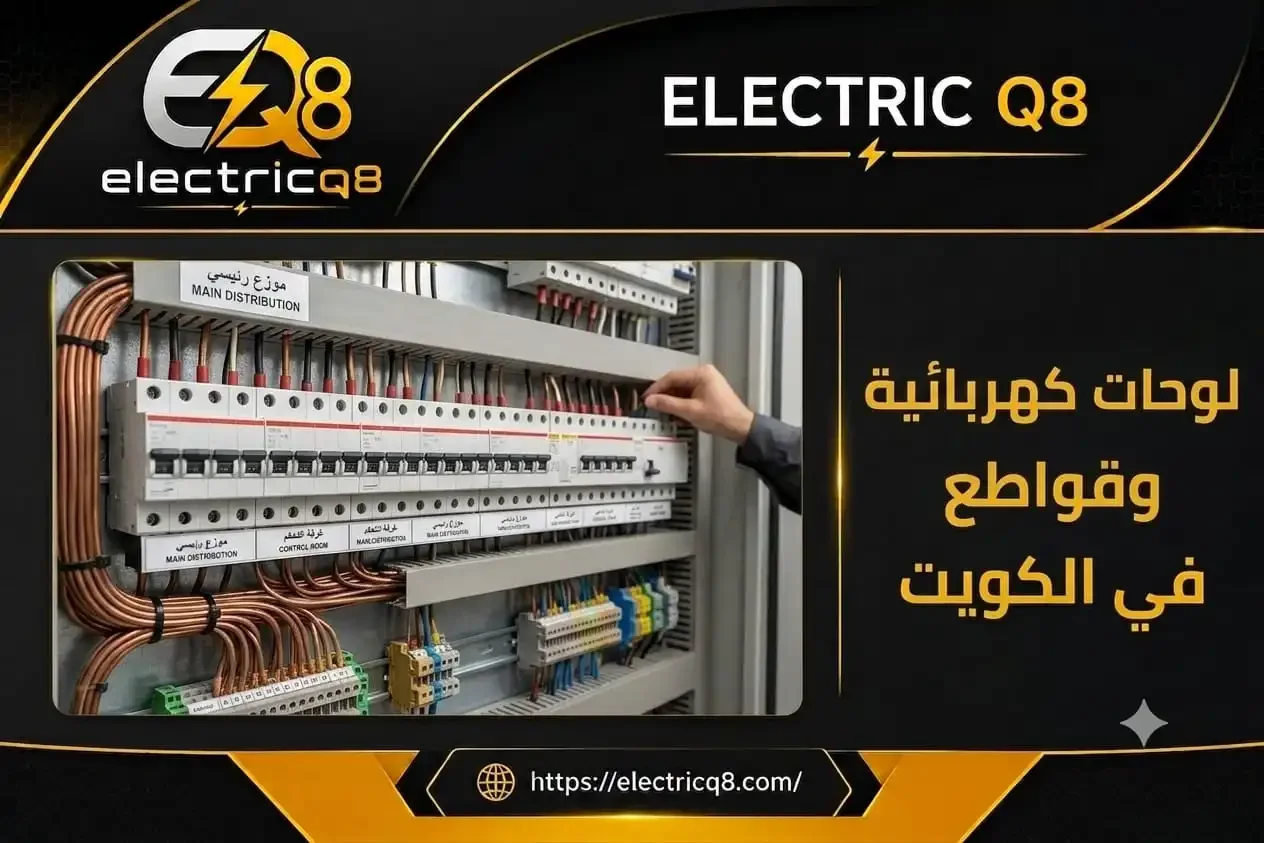
Electrical panels and circuit breakers are among the most essential components of any electrical system because they serve as the central control point responsible for distributing electrical power safely throughout the building while protecting every circuit and connected appliance. The overall performance and reliability of an electrical installation depend heavily on the quality of the electrical panel, the proper distribution of electrical loads, and the selection of correctly rated circuit breakers for each individual circuit. Any mistake in these areas may lead to repeated electrical failures, reduced system efficiency, overloaded wiring, or increased risk of electrical faults. For this reason, homeowners, villa owners, and commercial property managers throughout Kuwait rely on experienced electrical specialists to install, maintain, upgrade, and inspect electrical panels according to modern electrical safety standards, ensuring stable operation and long-term protection for the entire electrical network.
Electrical Panel Installation Kuwait
Electrical Panel Installation Kuwait involves far more than mounting a distribution cabinet and connecting circuit breakers. Professional installation begins with a detailed engineering assessment of the building's total electrical demand before designing a panel capable of distributing power safely and efficiently across every electrical circuit. Electricians first calculate the expected electrical loads for the entire property, then determine the required number of circuit breakers together with their appropriate current ratings while selecting a panel size that provides additional space for future circuit expansion without requiring complete panel replacement.
The internal arrangement of circuit breakers is carefully organized to simplify maintenance and future inspections. Every circuit is clearly identified and permanently labeled so electricians can immediately recognize each connection whenever repairs, upgrades, or troubleshooting become necessary. Cable management inside the panel also receives special attention because neatly organized conductors improve airflow, simplify future servicing, reduce mechanical stress on wiring, and minimize the possibility of excessive operating temperatures developing within the enclosure.
After installation has been completed, comprehensive electrical testing verifies proper breaker operation, stable voltage distribution, correct grounding performance, and balanced electrical loading across every circuit. Practical experience consistently demonstrates that professionally designed electrical panels significantly reduce electrical failures, extend the lifespan of wiring and protective devices, simplify future expansion projects, and provide homeowners with a safer, more reliable electrical infrastructure capable of supporting modern electrical demands.
Electrical Panel Maintenance
Electrical Panel Maintenance represents one of the most valuable preventive electrical services because distribution panels operate continuously throughout the life of a building while being exposed to varying electrical loads, temperature fluctuations, and long-term mechanical stress. Over time, electrical connections may gradually loosen, breaker performance may decline, operating temperatures may increase, and internal components may experience gradual wear that remains unnoticed until serious electrical faults develop.
Professional maintenance always begins by disconnecting electrical power before conducting a comprehensive inspection of every component inside the panel. Main breakers, branch circuit breakers, busbars, electrical terminals, cable connections, grounding systems, and internal wiring are all carefully examined. Thermal imaging equipment is frequently used to identify abnormal temperature increases that may indicate excessive electrical resistance or developing connection failures long before visible damage becomes apparent.
Every electrical connection is retightened according to manufacturer specifications while accumulated dust and debris are removed to maintain proper ventilation inside the panel enclosure. Electricians also measure the actual electrical load carried by every circuit and compare operating values with original design capacities to determine whether any circuits have become overloaded because of increased electrical demand over time. Upon completion of maintenance, the entire electrical system is returned to service while operating performance is carefully monitored under normal load conditions.
Detailed maintenance reports are often prepared describing the condition of every major component together with recommendations regarding future repairs, breaker replacement, panel upgrades, or load redistribution where necessary. Regular electrical panel maintenance significantly improves system reliability, minimizes unexpected electrical failures, extends equipment lifespan, and helps property owners avoid costly emergency repairs.
Circuit Breaker Replacement Kuwait
Circuit Breaker Replacement Kuwait becomes necessary whenever professional inspection confirms that an existing breaker can no longer provide reliable electrical protection due to aging, repeated overload conditions, internal mechanical deterioration, or declining operational performance. However, experienced electricians never replace a breaker simply because it trips frequently. Repeated breaker operation often indicates underlying electrical problems elsewhere within the circuit rather than failure of the breaker itself.
The diagnostic process begins by measuring electrical loads, current levels, circuit continuity, insulation resistance, and the condition of connected wiring before determining whether the breaker itself has become defective. If replacement is required, electricians carefully select a new breaker with specifications matching both the electrical characteristics of the circuit and the technical requirements of the distribution panel. Compatibility between breaker ratings, cable capacity, panel design, and expected electrical load is verified before installation proceeds.
During replacement, all electrical terminals are inspected for signs of overheating, discoloration, loose connections, or damaged conductors. Any deteriorated components are repaired before the new breaker is installed. Following installation, electricians perform operational testing under actual electrical loads to confirm correct breaker response during overload conditions while verifying stable operation during normal electrical use.
Selecting the correct circuit breaker and installing it according to professional electrical standards significantly improves protection for electrical appliances, reduces the likelihood of short circuits, prevents unnecessary breaker trips, and ensures long-term stability throughout the building's electrical distribution system.
Main Circuit Breaker Installation Kuwait
Main Circuit Breaker Installation Kuwait requires exceptional technical accuracy because the main breaker serves as the primary protective device for the entire electrical installation. It is responsible for disconnecting electrical power from every circuit whenever overload conditions, short circuits, or serious electrical faults threaten the safety of the building and its occupants. Selecting the correct main breaker therefore involves much more than matching its current rating to the electrical supply.
Professional electricians carefully calculate the building's total electrical demand, evaluate future expansion plans, review the number of branch circuits, examine the characteristics of the incoming electrical service, and determine the appropriate protection level required for safe long-term operation. Main service cables, distribution panels, grounding systems, and protective devices are all inspected to ensure complete compatibility with the selected breaker before installation begins.
During installation, electrical conductors are terminated according to manufacturer torque specifications using approved installation techniques that minimize electrical resistance and prevent overheating during continuous operation. Cable routing, connection security, and electrical clearances are verified carefully because even small installation errors may reduce the protective capability of the main breaker or create future maintenance problems.
Following installation, electricians conduct comprehensive operational testing under various loading conditions while monitoring breaker performance, voltage stability, electrical balance, and protective response characteristics. This testing confirms that the main breaker will reliably disconnect power whenever dangerous electrical conditions develop while continuing to provide uninterrupted service during normal operation. Proper installation therefore provides the building with a dependable first line of defense against electrical faults while improving the long-term safety and stability of the entire electrical system.
Electrical Panel Repair
Electrical Panel Repair requires a comprehensive understanding of every component inside the distribution panel because faults affecting electrical panels may originate from circuit breakers, busbars, electrical terminals, internal wiring, load distribution, or deterioration of protective devices. For this reason, professional electricians always begin by disconnecting the electrical supply before performing a complete diagnostic inspection using specialized testing equipment capable of identifying abnormal resistance, voltage irregularities, current imbalance, overheating, and insulation problems within the panel.
Every circuit breaker is inspected individually while all cable terminations, electrical connections, and distribution bars are carefully examined for discoloration, signs of overheating, corrosion, loose terminals, or insulation damage. Electricians also evaluate the condition of incoming service cables and verify that every conductor remains securely connected according to manufacturer specifications. Thermal imaging cameras are frequently used to identify hidden temperature increases that indicate developing electrical faults before visible damage occurs.
Depending on the inspection results, repairs may involve tightening electrical connections, replacing damaged terminals, repairing internal wiring, installing new protective devices, or reorganizing the internal layout of the panel to improve accessibility and electrical performance. In more severe cases involving extensive deterioration, portions of the distribution system may require complete replacement to restore proper protection and operational reliability.
Once repairs have been completed, the entire electrical panel is cleaned, every circuit is re-energized gradually, and detailed operational testing is performed under actual electrical loads. Voltage stability, current distribution, breaker operation, grounding performance, and connection temperatures are monitored carefully to ensure that the repaired panel operates safely and efficiently. Homeowners also receive maintenance recommendations designed to preserve long-term panel reliability while reducing the likelihood of future electrical failures.
Electrical Load Distribution
Electrical Load Distribution is one of the most important engineering principles affecting the safety, efficiency, and reliability of any electrical installation because improperly balanced electrical loads place excessive stress on selected circuits while leaving others significantly underutilized. Uneven load distribution frequently leads to repeated breaker trips, overheated wiring, shortened equipment lifespan, unstable electrical performance, and unnecessary maintenance expenses. Professional electricians therefore perform detailed load calculations before designing or modifying any electrical distribution system.
Every electrical appliance within the building is identified and categorized according to its operating characteristics, continuous power consumption, and anticipated usage patterns. High-demand equipment such as air conditioning systems, electric water heaters, ovens, pumps, elevators, and commercial machinery typically receive dedicated electrical circuits capable of supporting their individual power requirements. General lighting, socket outlets, office equipment, entertainment systems, and smaller household appliances are then distributed strategically across the remaining circuits to achieve balanced electrical loading throughout the panel.
Electrical load distribution is not a one-time calculation completed during construction. Whenever homeowners install additional air conditioning units, purchase new electrical appliances, renovate the property, or expand their electrical systems, electricians should reevaluate existing load distribution to ensure continued system stability. Practical experience throughout Kuwait has repeatedly shown that many recurring electrical problems initially blamed on defective circuit breakers are actually caused by poor load balancing performed during the original installation or by increased electrical demand that was never incorporated into the existing distribution design.
Proper electrical load distribution significantly improves overall system efficiency while reducing conductor temperatures, minimizing breaker operation, extending equipment lifespan, lowering maintenance costs, and improving electrical safety throughout the property. It also creates additional flexibility for future electrical expansion without requiring extensive modifications to the existing infrastructure.
Electrical Panel Upgrades
Electrical Panel Upgrades become increasingly necessary as residential and commercial electrical demand continues to grow beyond the capabilities of older distribution systems. Many electrical panels installed years ago were originally designed for substantially lower electrical consumption than modern buildings require today. Air conditioning systems, electric ovens, water heaters, home automation technologies, surveillance systems, electric vehicle charging stations, entertainment equipment, and numerous additional appliances now place significantly greater demands on electrical infrastructure than originally anticipated.
Professional panel upgrades begin with a comprehensive technical assessment of the existing electrical system. Electricians inspect distribution panels, circuit breakers, busbars, incoming service cables, grounding systems, and electrical loads before comparing current operating requirements with the original design capacity of the installation. Depending upon inspection results, upgrades may involve installing additional circuits, replacing outdated circuit breakers, expanding distribution capacity, or replacing the entire panel with a larger, more advanced unit capable of supporting present and future electrical requirements.
Panel upgrades also provide an opportunity to reorganize internal wiring, improve cable management, install modern protective devices such as residual current protection and surge protection equipment, label every circuit clearly, and simplify future maintenance procedures. Every modification is completed according to recognized electrical standards while maintaining complete compatibility between protective devices, cable capacities, and anticipated electrical loads.
After the upgraded panel has been installed, electricians perform comprehensive testing to verify balanced load distribution, voltage stability, grounding effectiveness, breaker coordination, and overall system reliability under actual operating conditions. Modern electrical panel upgrades not only improve operational safety but also provide homeowners with increased electrical capacity, simplified maintenance, improved energy management, and the flexibility required to support future technological developments.
Circuit Breaker Inspection
Circuit Breaker Inspection represents one of the most important preventive maintenance procedures because circuit breakers serve as the primary protective devices responsible for disconnecting electrical power whenever overloads, short circuits, or dangerous fault conditions occur. Any reduction in breaker performance may prevent proper protection, potentially exposing wiring, appliances, and occupants to unnecessary electrical hazards. Routine inspections therefore play a critical role in maintaining long-term electrical safety.
Professional inspections begin with a detailed visual examination of every breaker for signs of overheating, discoloration, cracking, mechanical damage, or deterioration caused by prolonged electrical operation. Specialized testing equipment is then used to evaluate breaker operating characteristics, verify current-carrying capability, measure contact resistance, and confirm proper tripping performance under simulated fault conditions.
Thermal imaging inspections are frequently performed while the electrical system operates under normal load. These inspections identify abnormal temperature increases within breakers or electrical terminals that often indicate loose connections, excessive electrical resistance, or developing internal defects long before visible failure occurs. Electricians also verify the security of every cable termination because loose electrical connections frequently generate excessive heat that gradually damages both breakers and surrounding components.
Whenever inspection results indicate declining breaker performance or unreliable protective operation, timely replacement is recommended before significant electrical failures develop. Regular circuit breaker inspections therefore improve electrical reliability, reduce emergency repair costs, extend equipment lifespan, and provide homeowners with confidence that their electrical protection system remains fully capable of responding whenever dangerous electrical conditions arise.
Residential Electrical Panel Replacement
Residential Electrical Panel Replacement becomes necessary whenever the existing distribution panel can no longer safely support the electrical demands of the home or when professional inspections confirm that the panel no longer provides the level of protection required by modern electrical standards. Older electrical panels were often designed for significantly fewer circuits and much lower electrical consumption than today's homes require. As families add air conditioning units, electric water heaters, modern kitchen appliances, entertainment systems, smart home technologies, surveillance equipment, and additional electrical devices, the original panel may gradually become overloaded despite functioning normally during previous years.
The replacement process always begins with a complete assessment of the property's electrical infrastructure. Electricians identify every existing circuit, calculate current and future electrical loads, inspect incoming service cables, evaluate grounding systems, and determine the appropriate panel capacity before selecting a replacement distribution board. Rather than installing a panel that only satisfies current requirements, professional electricians generally recommend a panel with additional capacity for future expansion, allowing homeowners to add new circuits later without replacing the panel again.
During replacement, every circuit is transferred individually to the new panel according to a carefully organized layout that improves accessibility, maintenance efficiency, and operational safety. Circuit breakers are clearly labeled, conductors are neatly arranged, damaged wiring is replaced where necessary, and every electrical connection is tightened according to manufacturer specifications. Older conductors showing signs of overheating, insulation deterioration, or mechanical damage are replaced before the new panel is placed into service to ensure long-term reliability.
Once installation has been completed, electricians perform extensive operational testing throughout the entire electrical system. Every breaker is tested individually, voltage and current measurements are verified under actual operating conditions, grounding performance is evaluated, and thermal inspections confirm that all electrical connections remain stable during normal load operation. Replacing a residential electrical panel not only improves electrical safety but also provides a cleaner, more organized electrical installation capable of supporting future electrical upgrades while significantly reducing the likelihood of recurring electrical problems.
Electrical Panel Technician Kuwait
The expertise of an Electrical Panel Technician Kuwait determines the quality, reliability, and long-term performance of every electrical panel installation, maintenance project, repair, or upgrade. Working with electrical distribution panels requires far more than basic electrical knowledge because technicians must fully understand electrical load calculations, breaker coordination, grounding systems, cable sizing, fault diagnosis, protective device selection, and modern electrical safety standards before performing any work.
Every professional project begins with a detailed on-site evaluation during which the technician inspects the existing panel or reviews the electrical requirements of a new installation. Advanced diagnostic instruments are used to measure voltage, current, insulation resistance, grounding effectiveness, electrical load balance, and operating temperatures inside the panel. These measurements provide the technical information necessary to determine whether maintenance, repairs, upgrades, or complete replacement represent the most appropriate solution.
Professional technicians also organize all internal wiring carefully, identify every circuit clearly, arrange conductors to improve accessibility, and ensure that all electrical connections comply fully with recognized installation standards. Proper organization not only improves the appearance of the electrical panel but also greatly simplifies future maintenance, inspections, troubleshooting, and electrical expansion.
Upon completion of the project, electricians do not simply restore electrical power and consider the work finished. Instead, they conduct comprehensive operational testing of every electrical circuit under actual load conditions while verifying voltage stability, breaker performance, grounding efficiency, and overall system reliability. Detailed recommendations regarding preventive maintenance, future inspections, panel upgrades, and electrical safety are also provided to property owners. This professional approach ensures long-term electrical reliability while reducing maintenance costs, minimizing unexpected failures, and providing homeowners with confidence that their electrical distribution system will continue operating safely for many years.
Conclusion
Electrical panels and circuit breakers represent the central control and protection system for every electrical installation. They receive incoming electrical power, distribute electricity safely throughout the building, and immediately disconnect dangerous fault conditions before they can damage wiring, electrical equipment, or endanger occupants. For this reason, the quality of an electrical distribution panel deserves the same level of attention as wiring installation, cable selection, and overall electrical design because every component within the system depends upon the reliable operation of the panel itself.
As modern lifestyles continue increasing electrical demand through advanced appliances, smart technologies, air conditioning systems, security equipment, and numerous additional electrical devices, many older electrical panels are no longer capable of supporting current operating requirements safely. Routine inspections, circuit breaker testing, load analysis, and preventive maintenance therefore become essential for maintaining reliable electrical performance while identifying developing problems before they become major failures. Frequently, electrical problems initially believed to originate from appliances or wiring are actually caused by outdated panels, overloaded circuits, or deteriorated protective devices.
Selecting an experienced electrical panel specialist is equally important because professional installation, maintenance, upgrades, and repairs require detailed technical knowledge, practical field experience, accurate load calculations, careful breaker selection, organized wiring, and comprehensive post-installation testing. Modern diagnostic equipment allows electricians to identify hidden electrical problems before they develop into costly repairs while ensuring that every protective device functions exactly as intended.
Ultimately, investing in a professionally installed or upgraded electrical panel is an investment in the long-term safety, efficiency, and reliability of the entire building. Properly designed distribution systems improve electrical performance, reduce maintenance expenses, protect valuable electrical equipment, simplify future expansion, and provide homeowners with confidence that their electrical infrastructure is fully prepared to meet both present and future electrical demands.
Frequently Asked Questions
When should an electrical panel be completely replaced?
Electrical panels should generally be replaced when they can no longer safely support the building's electrical demand, when repeated breaker failures occur, when professional inspections identify significant deterioration, or when the panel no longer complies with current electrical safety requirements.
Can additional circuit breakers be installed in an existing electrical panel?
This depends on the panel's available capacity and overall condition. If sufficient physical space and electrical capacity remain, additional breakers may be installed after confirming that the main panel, incoming service cables, and electrical load calculations can safely accommodate the increased demand.
Why does a circuit breaker trip repeatedly?
Repeated breaker operation may result from overloaded electrical circuits, short circuits, defective appliances, deteriorated wiring, ground faults, or declining breaker performance. A complete electrical inspection should always be performed before replacing the breaker to determine the actual cause of the problem.
How often should an electrical panel be inspected?
Residential electrical panels should generally undergo professional inspection at least once each year. Commercial buildings, industrial facilities, and properties with heavy electrical usage may require more frequent inspections depending on operating conditions and electrical demand to maintain safe and reliable performance.
Why is proper electrical load distribution inside the panel important?
Balanced electrical load distribution prevents excessive stress on individual circuits, reduces breaker trips, minimizes conductor overheating, improves overall electrical efficiency, extends the service life of breakers and wiring, enhances system reliability, and helps maintain stable electrical power throughout the entire building.
Categories
New Electrical Panel Installation Kuwait
0 services
Electrical Panel Maintenance Kuwait
0 services
Old Electrical Panel Replacement Kuwait
0 services
Main Circuit Breaker Installation Kuwait
0 services
Circuit Breaker Replacement Kuwait
0 services
RCCB Installation Kuwait
0 services
MCB Installation Kuwait
0 services
Home Electrical Panel Inspection Kuwait
0 services
Main Breaker Keeps Tripping Kuwait
0 services
Electrical Load Distribution Kuwait
0 services